These Apple-Cider Pork Chops Bring Steakhouse Energy to Your Fall Dinner Table
Fall dinner doesn’t have to mean another casserole, and something special doesn’t have to mean making a reservation. Apple-cider pork chops make a persuasive case for staying in: golden-brown meat, a creamy pan sauce, and enough savory flavor to keep the apple sweetness in check. Chef and recipe developer Michelle McGlinn’s version, published by Mashed, brings together cider, thyme, garlic, shallot, butter, and cream. The finished combination sounds dressed for dinner, but the recipe lists just 38 minutes from start to finish.
The real attraction is the contrast. The chops get browned before finishing in an apple-cider sauce, so this isn’t simply pork with something sweet poured over it. Garlic and shallot provide a savory foundation, thyme adds an herbal note, and cream rounds out the sauce at the end. It’s the kind of meal that makes a regular dinner plate look a little more considered, without requiring a separate sauce-making project or a long list of specialty ingredients.
The Restaurant Feel Starts With What’s in the Skillet
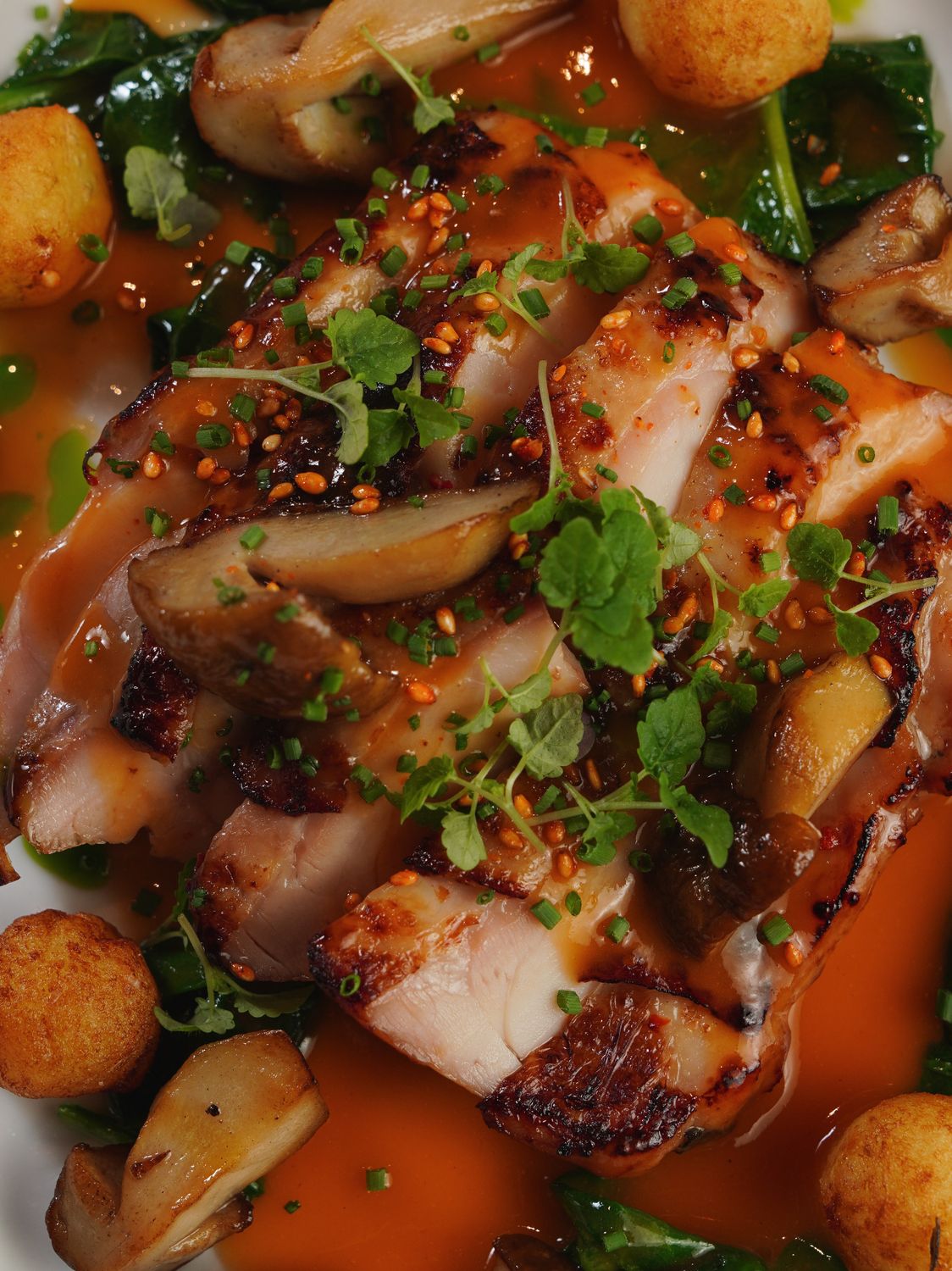
McGlinn’s recipe serves four and calls for four pork loin chops, each between half an inch and an inch thick. Alongside them are 1 cup of flour, 1 teaspoon each of salt and pepper, 2 tablespoons of olive oil, and 4 tablespoons of butter, divided between cooking stages. The sauce uses half a finely chopped shallot, three to four minced garlic cloves, 1½ cups of fresh apple cider, seven to eight thyme sprigs, and ½ cup of heavy whipping cream.
That shopping list delivers richness without asking cider to do every job. The fruit flavor has company, and that matters when the goal is a savory dinner rather than a sugary glaze. Daniel Gritzer, writing about his separate apple-cider pork-chop recipe for Serious Eats, explains the appeal of a related approach: “Butter helps give the sauce a more luxurious texture, and a tiny amount of apple cider vinegar adds a touch of brightness to balance the sweet and rich flavors.” His version shows that cream isn’t the only route to a polished cider sauce.
One shopping detail deserves attention before anything hits the stove: apple cider and apple cider vinegar are not interchangeable. Recipe developer Alicia Wolf of The Dizzy Cook explains that cider supplies sweet apple flavor, while cider vinegar is acidic and generally cannot replace it in the same quantity. McGlinn’s recipe needs fresh apple cider as its main cooking liquid. Gritzer’s separate recipe makes the distinction clear by using ¾ cup cider but only ½ teaspoon cider vinegar. Those bottles have different assignments.
A Golden Sear, a Quick Sauce, and One Important Temperature
Before cooking, get the ingredients ready rather than chopping between steps. McGlinn tells Mashed that “a beginner could do this,” but recommends reading the entire recipe and preparing everything first. Her reason is practical: “Once you start, the recipe moves pretty quickly, and you can quickly burn shallots or garlic or reduce the apple cider too fast.” Having the shallot chopped, garlic minced, and cider measured turns that warning into manageable prep rather than a reason to avoid the dish.
Her method begins by coating the chops in flour, then seasoning both sides with salt and pepper. In a deep skillet over medium heat, warm the olive oil with 2 tablespoons of butter, then add the pork. Brown the chops for about five minutes per side, then remove them and lower the heat to medium-low. This first stage develops a golden exterior, not fully cooking the pork. As McGlinn notes, “The pork will not be completely cooked through at this stage.”
Next, make the sauce in the same skillet rather than a fresh pan. Melt the remaining butter, then cook the shallot and garlic briefly until softened and fragrant, about 30 seconds to 1 minute. Pour in the cider and scrape up the browned bits as the liquid reaches a simmer. That step, called deglazing, brings the flavorful residue from browning the pork into the sauce. Return the chops, tuck the thyme into the liquid, and simmer until the sauce thickens and the meat finishes cooking.
McGlinn gives roughly 10 to 15 minutes for that simmer, but timing isn’t a substitute for checking the meat. USDA guidance calls for pork chops to reach 145°F before removing them from the heat, then resting for at least three minutes before eating. Insert the thermometer into the thickest part without touching bone, fat, or gristle. Once the pork is cooked and the sauce has thickened, McGlinn’s recipe finishes with heavy cream; remove the skillet from the heat, then take out the thyme sprigs before serving.
Related: 8 Hungry-Man Frozen Meals That Go From Disappointing to Worth Keeping in Your Freezer
Give That Cider Sauce Somewhere Delicious to Land
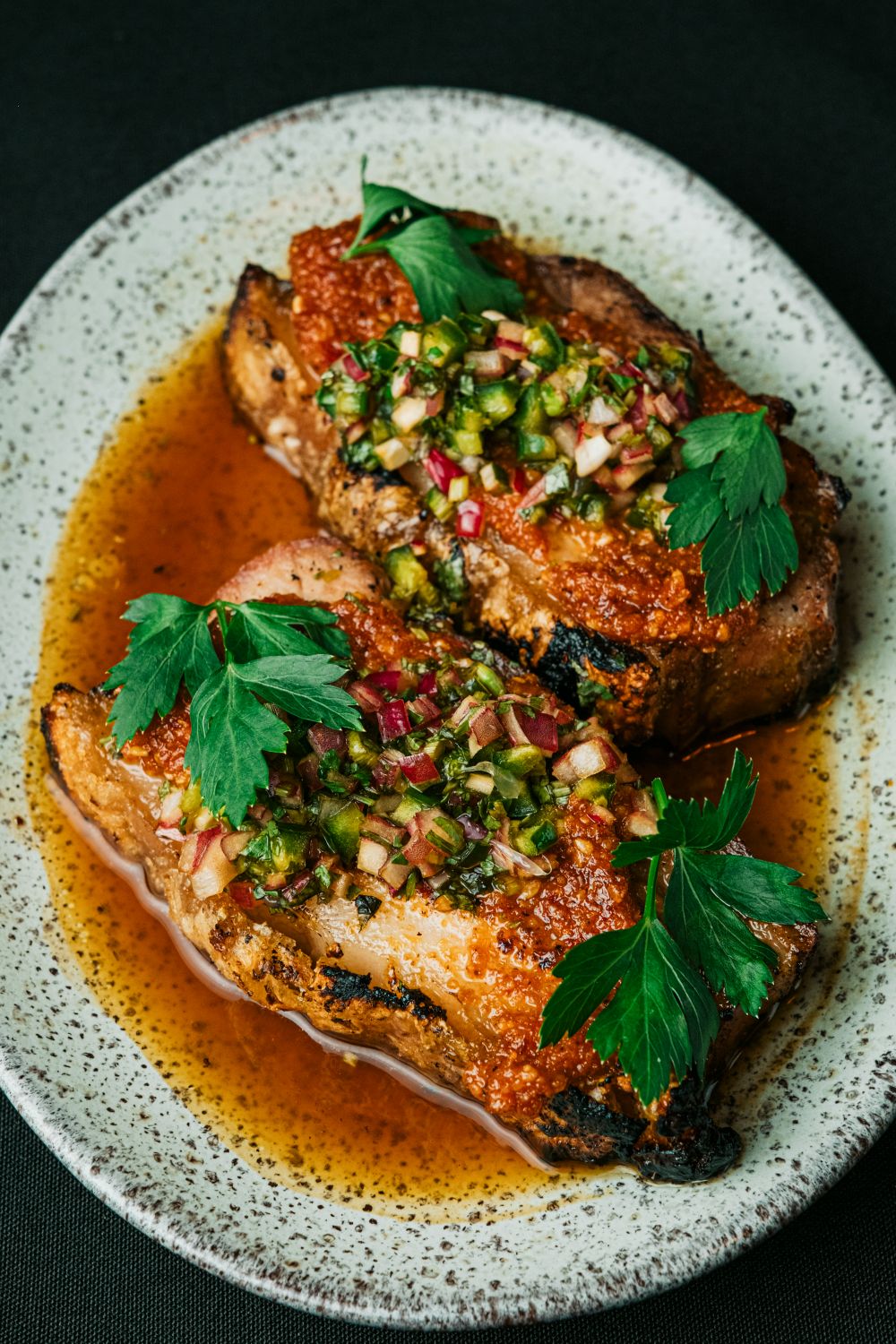
For serving, McGlinn’s suggestions keep the plate firmly in fall-dinner territory. She pairs these chops with thyme-seasoned mashed sweet potatoes and sautéed spinach, and also recommends regular mashed potatoes. Those options give the sauce something to mingle with instead of leaving it stranded around the pork. Her other suggestions include fresh or stewed apples and stewed greens, offering different ways to echo the apple flavor or add another savory component without turning dinner into an elaborate production.
For something with more contrast, McGlinn also suggests “a kale, bacon, and fresh apple salad!” That’s a different direction from a soft mash, but still connected to the same flavors. Whichever side you choose, these pork chops still appeal for the same reasons: a browned exterior, a savory apple-cider sauce, and a finish that feels more dressed up than the effort suggests. The restaurant-style touch isn’t a complicated garnish. It’s simply using the skillet you already cooked dinner in.