7 Mistakes Vegetarians Make That Could Leave Their Diet Missing Important Nutrients
Switching to a vegetarian diet can be an exciting way to explore new foods, add more plant-based meals to the table, and discover different approaches to everyday cooking. From colorful vegetable stir-fries to hearty bean stews, you can enjoy countless meals without meat.
However, going vegetarian involves more than simply removing chicken, beef, pork, and fish from the menu. A balanced vegetarian diet requires attention to the nutrients those foods provide and an understanding of how to replace them with suitable alternatives.
Some people transition smoothly, while others fall into habits that leave their meals less varied or nutritionally balanced than they intended. These mistakes are usually easy to fix once you understand what your body needs.
Whether you have been vegetarian for years or are considering the change, here are seven common mistakes to avoid.
Not Getting Enough Protein
One of the biggest mistakes vegetarians make is assuming that eating vegetables and carbohydrates automatically provides enough protein.
Protein is essential for building and repairing tissues, supporting normal immune function, and maintaining muscles. Although plant foods can provide plenty of protein, vegetarians need to choose them deliberately rather than rely on vegetables alone.
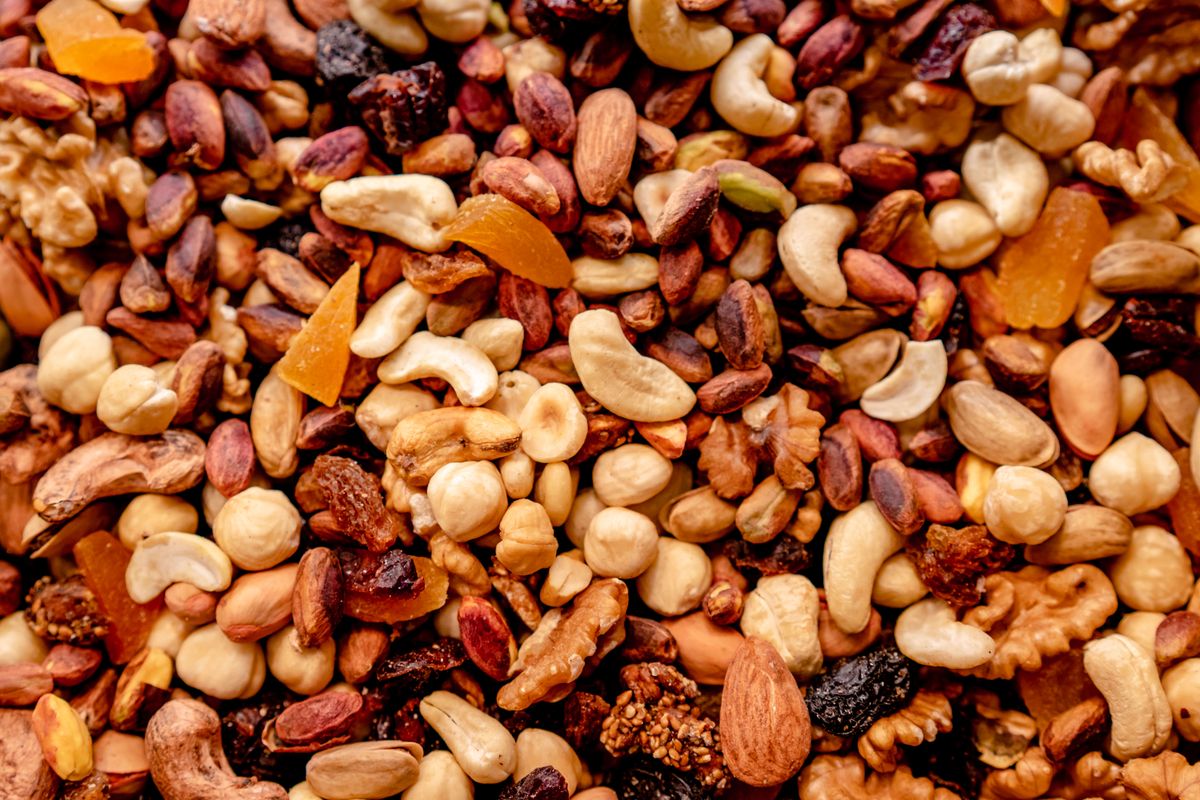
Beans, lentils, chickpeas, tofu, tempeh, peas, nuts, seeds, and dairy products such as yogurt and cheese are useful protein sources. Eggs also provide protein for people who include them in their diets.
For example, a lunch of rice and vegetables becomes more balanced with lentils, beans, or tofu. Similarly, you can make oatmeal more substantial by adding milk, yogurt, nuts, or seeds.
You also don’t need to combine specific plant proteins perfectly at every meal. Eating a varied selection of protein-rich foods throughout the day can help provide the essential amino acids the body needs.
Build meals around a dependable protein source instead of treating protein as an afterthought.
Related Post:8 Highly Protein-Rich Vegetables You Need to Include in Your Diet
Ignoring Vitamin B12
Vitamin B12 is an important nutrient that helps maintain healthy nerve function and supports red blood cell production.
This vitamin deserves particular attention because reliable, naturally occurring sources are concentrated mainly in animal-derived foods. People who eat eggs and dairy may obtain some B12 from these foods, but their intake can still be inadequate.
Vegans face a greater challenge because they avoid all animal products.
Fortified foods, including certain breakfast cereals and plant-based milk alternatives, can help provide vitamin B12. However, not every product is fortified, so check nutrition labels.
People who don’t consistently get enough B12 from their diet may need a supplement. The appropriate choice depends on individual circumstances, dietary habits, and professional advice.
A deficiency can develop gradually, and symptoms are not always obvious at first. Possible consequences include anemia and neurological problems, making prevention important.
Vegetarians should identify dependable B12 sources, while vegans generally need a reliable fortified-food or supplement strategy.
Overlooking Iron-Rich Foods
Iron helps the body produce hemoglobin, the protein in red blood cells that carries oxygen.
Meat contains a form of iron that the body generally absorbs more readily than the non-heme iron found in plant foods. That doesn’t mean vegetarians can’t get enough iron, but food choices matter more.
Good plant-based sources include lentils, beans, chickpeas, tofu, pumpkin seeds, fortified cereals, and leafy green vegetables.
One useful strategy is to pair iron-rich foods with vitamin C sources. For instance, adding tomatoes, bell peppers, citrus fruit, or berries to a meal can improve the absorption of non-heme iron.
Vegetarians should also be aware that tea and coffee consumed with meals can reduce iron absorption. People concerned about iron intake may benefit from drinking these beverages between meals instead.
Iron requirements vary according to age, sex, life stage, and individual health circumstances. People who experience persistent fatigue or other concerning symptoms should consult a healthcare professional rather than assume they need iron supplements.
Too much iron can be harmful, so supplementation should be based on an appropriate assessment.
Include iron-rich plant foods regularly and pair them with vitamin C-rich ingredients.
Replacing Meat With Mostly Refined Carbohydrates
Removing meat does not automatically make a meal nutritionally balanced.
Some new vegetarians replace meat with large portions of white bread, refined pasta, pastries, or other carbohydrate-heavy foods without adding enough protein, vegetables, or healthy fats.
These foods can fit into a vegetarian diet, but relying on them too heavily may reduce the variety of nutrients a person receives.
For example, a plate of plain pasta and white bread may provide plenty of energy. Still, it provides relatively little protein, fiber, or variety of micronutrients compared with a meal containing whole-grain pasta, beans, vegetables, and olive oil.
Whole grains such as oats, brown rice, whole-wheat bread, and quinoa can contribute fiber and other nutrients. Pairing them with legumes and vegetables makes meals more varied and satisfying.
There is also no need to eliminate all refined carbohydrates. The goal is to balance them with other foods rather than treat them as the main replacement for every meat-based meal.
Focus on what a meal adds nutritionally, not just what it leaves out.
Assuming Every Vegetarian Product Is Healthy
Supermarkets now offer a wide range of vegetarian burgers, meat-free sausages, frozen meals, packaged snacks, and plant-based desserts.
These products can make vegetarian eating more convenient, especially for busy households. They can also introduce new flavors and textures that make the transition easier.
However, the vegetarian label does not automatically guarantee that a product is low in sodium, saturated fat, added sugar, or calories.
Some meat substitutes are useful sources of protein, while others contain relatively little. Their nutritional content varies considerably depending on the ingredients and manufacturing process.
Checking the nutrition label can help shoppers compare protein, sodium, fiber, and saturated fat. Ingredients also matter, particularly for people managing specific dietary needs.
There is no reason to avoid all processed vegetarian foods. Convenience products can fit into a balanced diet, just as packaged foods can fit into other eating patterns.
The mistake is assuming that a product must be nutritious simply because it contains no meat.
Evaluate vegetarian products by their ingredients and nutritional information, not just their marketing claims.
Forgetting About Calcium, Vitamin D, and Omega-3 Fats
Protein and iron receive plenty of attention in discussions about vegetarian diets, but other nutrients deserve consideration too.
Calcium supports bones and teeth, while vitamin D helps the body absorb calcium and supports normal muscle and immune function.
Dairy products provide calcium for lacto-vegetarians. People who avoid dairy can look for fortified plant-based drinks, calcium-set tofu, and certain leafy greens.
Vitamin D can be more difficult to obtain from food alone. Fortified products may help, and individual needs can depend on sun exposure, location, age, and other factors.
Omega-3 fats are another consideration. Walnuts, chia seeds, flaxseeds, and hemp seeds provide plant-based omega-3 fatty acids.
People who eat eggs or dairy may also obtain some nutrients from those foods, depending on their dietary choices. However, the nutritional contribution varies.
A varied diet that includes these foods can help vegetarians cover more of their nutritional needs without relying on a narrow list of ingredients.
Pay attention to nutrients beyond protein, especially when avoiding several food groups.
Eating Too Little or Making Meals Needlessly Restrictive
Another common mistake is focusing so heavily on what vegetarians should avoid that meals become unnecessarily limited.
Some people remove meat but fail to replace the energy and nutrients those foods previously provided. Others rely on small salads or vegetables alone, even when their bodies need more substantial meals.
Vegetarian diets can be filling because many plant foods are high in fiber. However, a meal made mostly of low-energy vegetables may not provide enough overall nourishment for someone with substantial energy needs.
Including beans, lentils, grains, nuts, seeds, dairy products, eggs, or suitable alternatives can make meals more complete.
Vegetarian eating also doesn’t require every meal to be homemade or perfectly balanced. Frozen vegetables, canned beans, fortified foods, and convenient prepared meals can all play useful roles.
The goal is to develop a sustainable eating pattern that provides adequate energy and nutrients while remaining enjoyable.
People experiencing persistent weakness, unexplained weight changes, or concerns about their nutritional intake should seek advice from a qualified healthcare professional or registered dietitian.
A vegetarian diet should provide enough food to meet your needs, not become a constant exercise in restriction.
How to Build a More Balanced Vegetarian Diet
Avoiding these mistakes does not require complicated meal plans or expensive specialty products.
A practical approach is to include several food groups throughout the day. Pair protein-rich foods such as beans, lentils, tofu, eggs, or dairy with whole grains, vegetables, fruit, and healthy fats.
For example, breakfast might include oatmeal with milk or fortified plant milk, fruit, and nuts. Lunch could feature rice, beans, and vegetables, while dinner might include tofu with whole-grain noodles and stir-fried vegetables.
Snacks such as yogurt, fruit, hummus, or nuts can add variety between meals.
It is also worth checking whether commonly eaten foods are fortified with nutrients such as vitamin B12, vitamin D, and calcium. People following a vegan diet generally need particular attention to B12.
Supplements can help when dietary intake is insufficient, but taking multiple supplements without understanding individual needs isn’t necessarily beneficial.