8 Things You Should Never Bring to a Potluck
Potlucks are supposed to make life easier for everyone. Instead of one person spending all day cooking, everyone brings something delicious, and the table practically fills itself. At least, that’s how it’s supposed to work.
But we’ve all seen a potluck contribution that creates more problems than it solves. There’s the casserole that still needs 40 minutes in the oven, the mysterious dip nobody can identify, or the impressive-looking roast that nobody knows how to serve.
The good news? Avoiding these mistakes doesn’t require fancy cooking skills or an expensive grocery run. A little planning goes a long way.
Before your next office lunch, church gathering, or backyard get-together, leave these eight things off your potluck menu.
A Dish That Still Needs the Host’s Kitchen
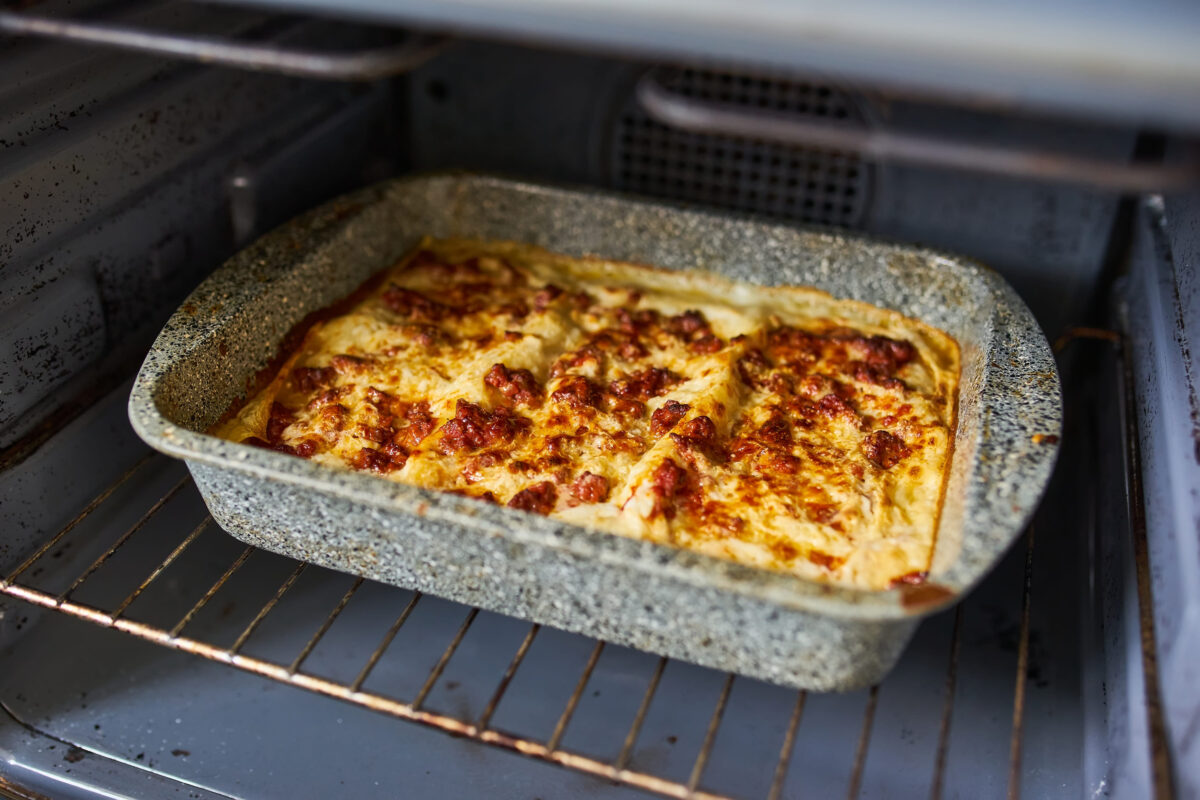
Bringing a homemade casserole sounds thoughtful. Showing up with an uncooked casserole that needs the host’s oven for another 45 minutes? That’s a different story.
Your host might already have the oven packed with dinner rolls, baked chicken, or other dishes. Suddenly, your contribution becomes another item on their already busy to-do list.
Southern Living’s potluck etiquette advice recommends avoiding dishes that require unexpected cooking or heating at the gathering.
A better move is to finish preparing your food before leaving home and confirm any reheating arrangements ahead of time. If you’re worried about kitchen space, bread, cookies, or another ready-to-serve option can be just as welcome.
Of course, if the host specifically asks you to bring something that needs baking, that’s perfectly fine. The problem is surprising them with extra work.
Perishable Food Without a Way to Keep It Cold or Hot
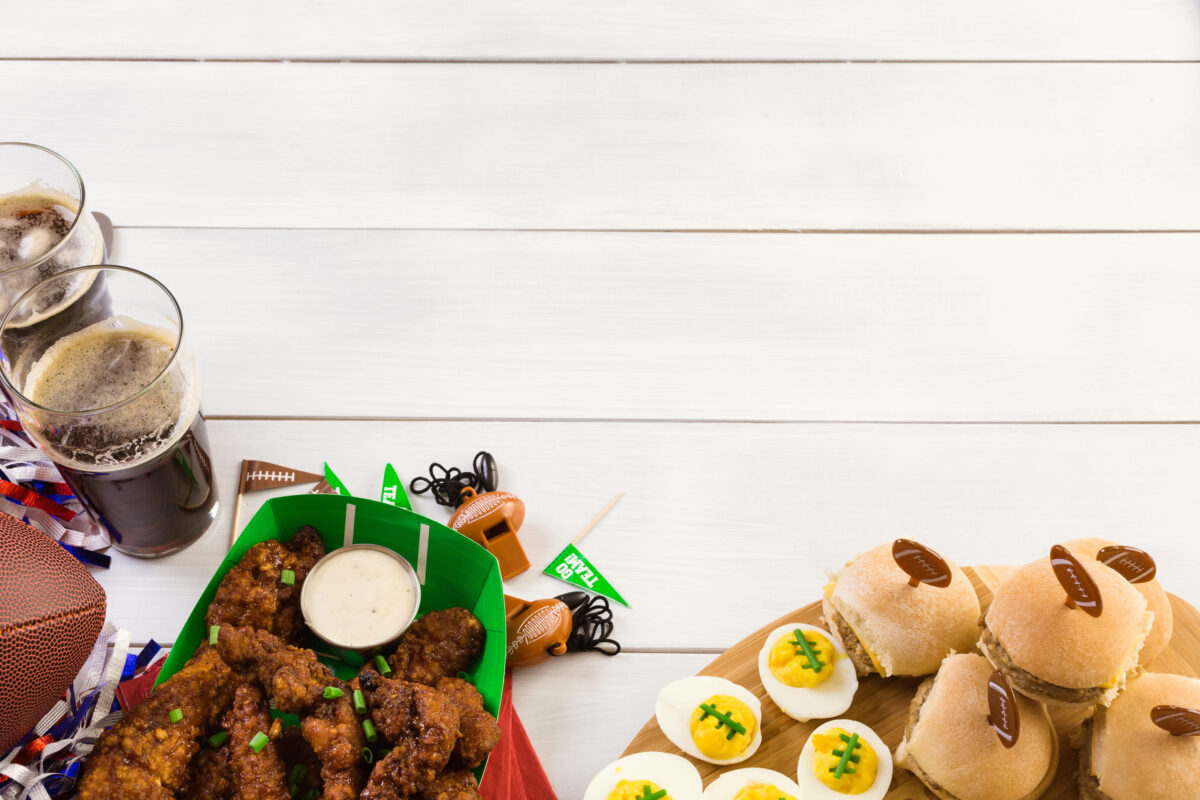
Deviled eggs, chicken salad, creamy dips, and casseroles can be potluck favorites. The problem isn’t necessarily what you’re bringing. It’s how you’re transporting and serving it.
According to the USDA, keep cold perishable foods at 40°F or below, and hot foods at 140°F or above.
Leaving that chicken salad sitting in your car while you run errands isn’t a great plan.
Perishable food generally shouldn’t sit at room temperature for more than two hours. When temperatures climb above 90°F, that limit drops to one hour.
Pack cold dishes in a cooler with ice or frozen gel packs. For hot dishes, use equipment that maintains a safe temperature, and check with a food thermometer.
If maintaining those temperatures isn’t practical, consider bringing something shelf-stable instead.
A Mystery Dish With No Ingredient Information
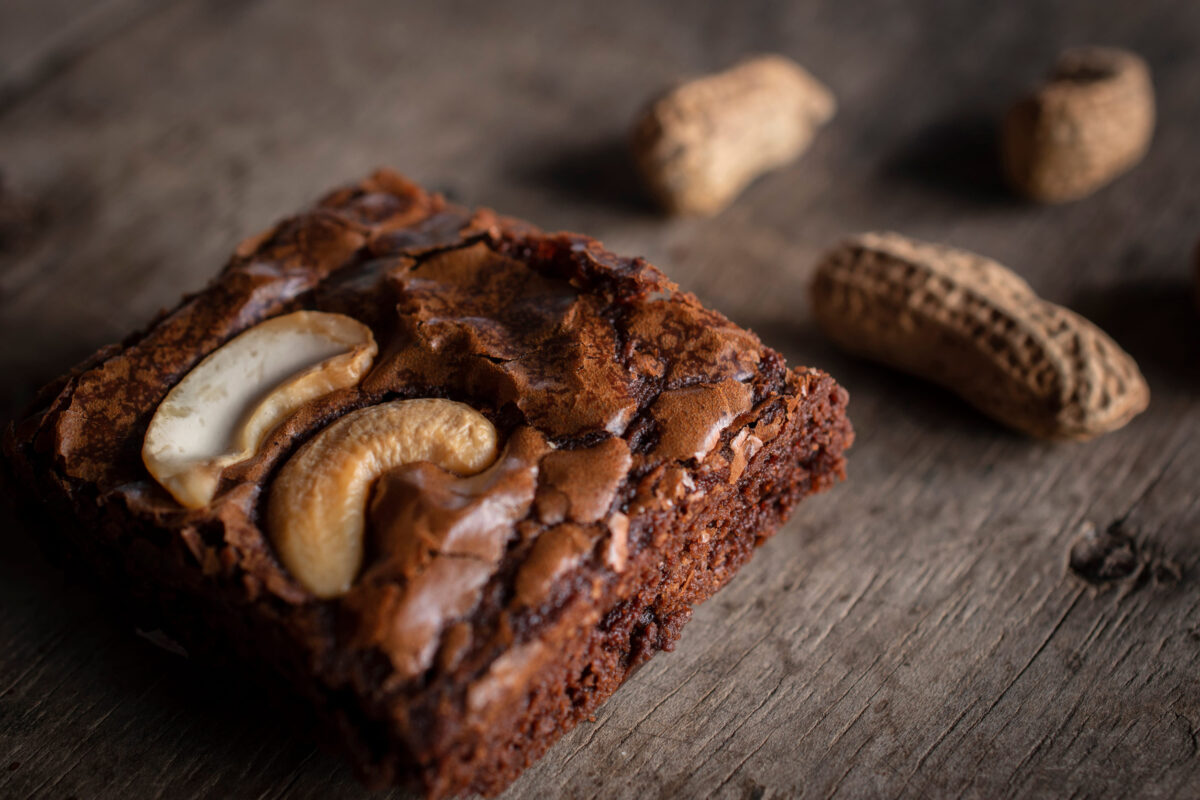
Your famous homemade brownies might get compliments every year, but what happens when someone discovers they contain peanuts after taking a bite?
Potlucks bring together people with different allergies, preferences, and dietary restrictions. Guests can’t always tell what’s inside a dish just by looking at it.
The FDA recognizes nine major food allergens, including milk, eggs, peanuts, tree nuts, wheat, soybeans, fish, crustacean shellfish, and sesame.
A simple ingredient card makes the experience easier for everyone.
Write down the dish’s name and its ingredients, especially anything that might surprise people. If you’ve used packaged ingredients, keep the labels handy when possible.
Remember, ingredient cards don’t guarantee that a dish is safe for someone with allergies, particularly when shared equipment has been used. But clear information helps guests make better decisions.
Food Without a Serving Spoon or Other Utensil
You’ve made the perfect pasta salad. It’s beautifully arranged, tastes fantastic, and looks like it belongs on a magazine cover.
One problem: nobody can serve it.
Now your host has to search through kitchen drawers for another spoon while hungry guests stand around waiting.
It’s a surprisingly easy mistake.
Michigan State University Extension recommends having a separate serving utensil for every shared dish. This also helps reduce the chance of allergens transferring between foods.
Pack your serving spoon, ladle, spreader, or tongs right alongside your container.
Here’s another useful trick: put your name on the bottom of any dishes or utensils you want returned.
Unless the organizer has already promised to provide everything, bringing the right serving equipment is a small courtesy that makes a big difference.
Something That Ignores the Potluck Sign-Up Sheet
There’s nothing wrong with cupcakes. But when seven people bring cupcakes and nobody brings a vegetable side, dinner starts looking a little strange.
Potluck sign-up sheets exist for a reason.
The host might need appetizers, drinks, main courses, or desserts to create a balanced spread. If you’ve signed up for a side dish but suddenly decide to bring cookies instead, you could leave an unexpected gap.
The Emily Post Institute recommends coordinating food categories while giving guests some flexibility within them.
That doesn’t mean you need to follow an elaborate recipe.
A bagged salad, bakery rolls, or store-bought contribution can work wonderfully when it matches what the gathering needs.
If the host has announced ingredient restrictions or special food requirements, check those before you prepare anything.
The goal isn’t to impress everyone with your cooking. It’s to contribute something useful.
Food You Prepared While Dealing With a Stomach Bug
Nobody wants to miss a gathering, especially when they’ve promised to bring their signature dish.
But if you’ve recently been dealing with vomiting or diarrhea, cooking for a crowd should probably come off your schedule.
The CDC warns that norovirus can spread through contaminated food, even after someone starts feeling better.
Its recommendation is clear: don’t prepare or handle food for others while sick, and wait at least 48 hours after symptoms stop.
Washing your hands thoroughly with soap and water is also essential. Hand sanitizer alone isn’t an adequate substitute against norovirus.
If you’ve promised to contribute something, let the organizer know what’s happening. You might ask a healthy friend to pick something up from the store.
Missing one potluck is better than accidentally sharing more than you meant to.
A Dish That’s Almost Impossible to Serve or Eat
That giant roast might look spectacular on your kitchen counter. But how will people eat it while standing around with lightweight paper plates?
Some foods simply don’t match the setting.
An unsliced roast requires carving equipment. A complicated layered dessert might need careful portioning. Some dishes need sturdy plates, the right utensils, and a comfortable place to sit.
Think about how guests will actually eat before choosing what to bring.
For a casual backyard gathering, pre-sliced meats, individually portioned desserts, and easy-to-serve foods can make life much simpler.
If you’re bringing something more elaborate, check whether the host has the necessary equipment.
A beautiful dish is wonderful, but one people can actually enjoy without struggling is even better.
Related:7 Simple Meals That Have Been Overcomplicated by Trends
A Complicated Recipe You’ve Never Made Before
We’ve all spotted a gorgeous recipe online and thought, “That looks easy enough.”
Three hours later, the sauce has separated, the cake refuses to set, and the party started 20 minutes ago.
Potlucks aren’t always the ideal place to experiment with an unfamiliar recipe.
Southern Living recommends testing new recipes before bringing them to a gathering, especially when they involve tricky techniques or ingredient substitutions.
That doesn’t mean you should never try something new. Just give yourself a chance to work out any surprises beforehand.
If you’re short on time, stick with something you already know how to make.
Your reliable baked macaroni and cheese might not be the trendiest dish at the table, but there’s something satisfying about arriving with food you know people will enjoy.
And remember, nobody earns extra potluck points for making everything from scratch.
Related: 10 Best Easy Dinner Recipes for Families
The Best Potluck Dish Isn’t Always the Fanciest
At the end of the day, nobody expects you to arrive with restaurant-quality food or spend your entire paycheck at the grocery store.
A successful potluck contribution is one that’s thoughtful, practical, easy to share, and appropriate for the gathering.
Sometimes that’s Grandma’s famous casserole. Sometimes it’s a simple fruit platter, a package of rolls, or a store-bought dessert.
The secret is remembering that you’re not just bringing food. You’re helping make the gathering enjoyable for everyone, including the host.