The 2026 Housing Market Just Shifted, and Buyers Finally Have Some Breathing Room
America’s housing market isn’t crashing. It isn’t roaring back, either. Instead, it is entering a slower, more balanced phase that could give frustrated buyers something they have rarely enjoyed in recent years: time to think.
The latest midyear housing forecast now projects that existing-home prices will rise just 1.2% in 2026. That is nearly half the 2.2% increase predicted at the end of 2025 and below the 2% price growth recorded last year. Existing-home sales are expected to increase only 1%, reaching roughly 4.10 million transactions.
Those numbers do not point to a dramatic nationwide price collapse. They do suggest that sellers can no longer assume buyers will chase every listing, waive inspections, or offer thousands above asking simply to secure a home.
Home Prices Are Rising, but Inflation Is Moving Faster

A 1.2% increase still means the typical home will cost more by the end of the year. However, prices are expected to grow more slowly than the broader cost of living.
Consumer prices were 3.5% higher in June than they were one year earlier, even after the index declined 0.4% during the month. Core inflation, which excludes food and energy, stood at 2.6%.
When home values rise more slowly than inflation and household earnings, housing becomes slightly less expensive in real terms. It is not the sweeping affordability reset many first-time buyers have been hoping for, but it marks a meaningful change after years of prices racing ahead of paychecks.
The forecast projects household income growth of 3.9% in 2026. It also estimates that the monthly mortgage payment on a typical home purchased this year will be 1.9% lower than in 2025.
That improvement may feel modest on paper. For households already stretching their budgets across groceries, insurance, utilities, and child care, however, even a small reduction can determine whether a purchase is possible.
Mortgage Rates Remain the Market’s Biggest Obstacle
The market’s central problem has not disappeared. Mortgage rates remain stubbornly high.
The average 30-year fixed mortgage stood at 6.49% on July 9, up slightly from 6.43% one week earlier. That was below the 6.72% average recorded during the same week of 2025, but still far above the roughly 4% average seen between 2013 and 2019.
The revised forecast expects mortgage rates to average 6.3% through 2026 and finish the year near the same level.
That means buyers should not build their plans around the hope that rates will suddenly return to 3% or 4%. A sharp decline would transform affordability, but the current outlook points to gradual improvement rather than a dramatic rescue.
Higher rates are also keeping many homeowners in place. Selling a home financed at 3% and replacing it with a new mortgage at 6% or higher can add hundreds of dollars to the monthly payment, even when the replacement property is similarly priced. That lock-in effect limits listings and prevents inventory from recovering as quickly as many buyers need.
Buyers Have More Leverage, but Not Everywhere
The national market is becoming friendlier to buyers, although conditions vary widely by city and region.
Home-price growth has slowed as sellers adopt more realistic expectations. Properties are selling for close to 97% of their original listing prices, and asking prices are being adjusted earlier rather than followed by repeated reductions after weeks on the market.
This creates room for buyers to negotiate on closing costs, repairs, mortgage rate buydowns, and move-in dates. Homes that are overpriced or need significant work may sit long enough for cautious shoppers to make offers without joining a frantic bidding war.
Still, buyers should not mistake slower growth for universally falling prices. June’s median existing-home sales price reached $440,600, up 1.8% compared with the previous year. Sales fell 2.4% during the month to a seasonally adjusted annual pace of 4.09 million.
The message is clear: purchasing activity remains weak, but limited supply continues to support prices.
Builders Are Pulling Back at the Wrong Time
One of the least encouraging developments is the reduced outlook for new construction.
Single-family housing starts are now projected to rise 2% in 2026 to approximately 960,000 homes. The original forecast called for 3.1% growth and about 1 million starts. Existing-home inventory is also expected to rise just 3.6%, far below the earlier projection of 8.9%.
May’s construction data underline that slowdown. Total privately owned housing starts dropped to an annualized rate of 1.177 million, down 15.4% from April and 8.7% from May 2025. Single-family starts declined to an annual rate of 882,000.
Builders have become more cautious as demand softens, especially in parts of the South and West where buyers already have more choices. Yet the country still faces an estimated shortage of roughly 4 million homes, with some of the most serious supply gaps concentrated in the Northeast and Midwest.
Without sustained construction, today’s slight improvement in affordability could prove fragile. A stronger wave of demand could quickly collide with inadequate supply, pushing prices higher again.
Sellers Need to Forget the Frenzy Years
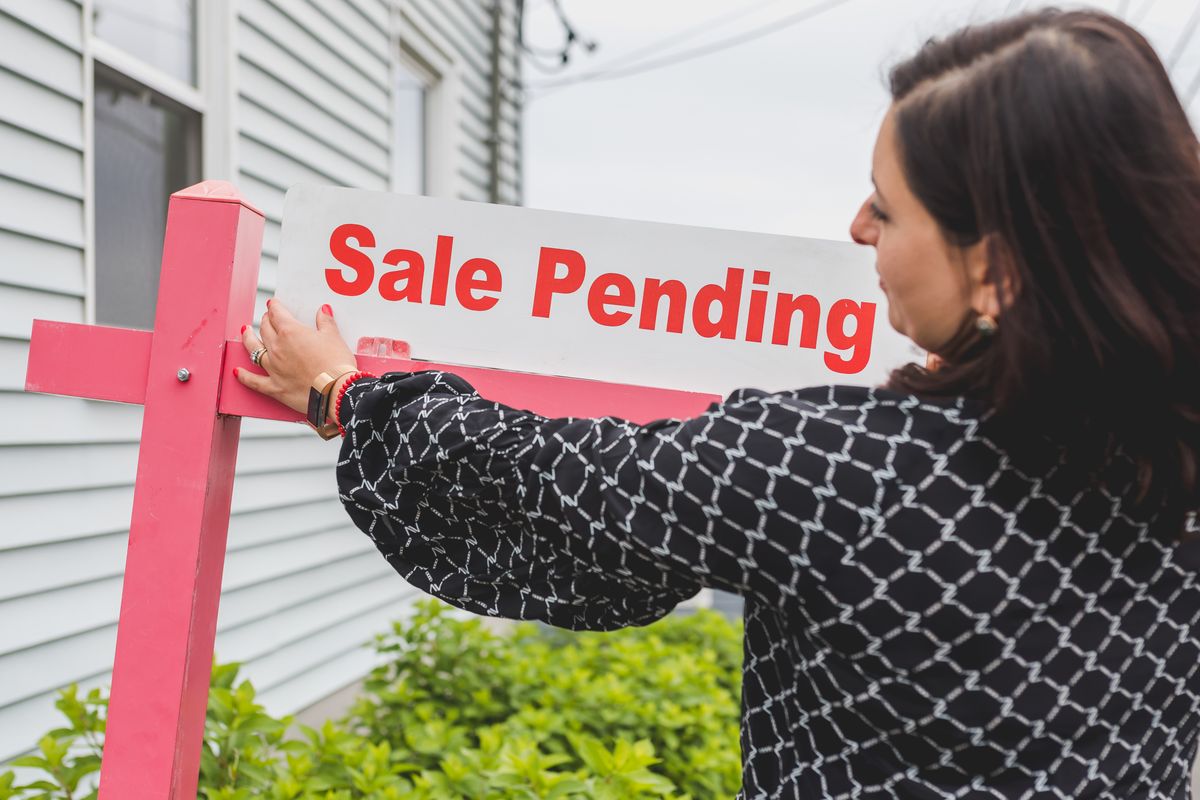
For sellers, 2026 requires a different playbook.
Homes can still sell at profitable prices, but ambitious listing strategies carry more risk. Buyers have tighter budgets, higher borrowing costs, and more willingness to walk away. A home that enters the market noticeably overpriced may lose attention during its most important first weeks.
Sellers who price realistically, prepare the property carefully, and respond quickly to early feedback are better positioned to close a deal. Those waiting for a bidding war reminiscent of 2021 may be waiting for a market that no longer exists.
The labor market should provide some support. The unemployment rate held at 4.2% in June, with approximately 7.1 million people unemployed. Stable employment gives households greater confidence to make long-term financial commitments, even when borrowing remains expensive.
Renters Could Enjoy More Relief
Renters may see the clearest financial benefit during the second half of the year.
National rents are projected to fall 1.2% in 2026, slightly more than the 1% decline initially expected. New apartment supply has helped create competition among landlords in several markets, giving renters more opportunities to negotiate or upgrade without accepting a large rent increase.
Renting also remains cheaper than buying a starter home in many major markets, particularly for households that would make a small down payment. That does not mean renting is always the better long-term choice. It does mean buyers should compare the full costs of ownership, including taxes, insurance, maintenance, and transaction expenses, rather than assuming a mortgage automatically offers better value.
A Slow Thaw, Not a Housing Boom
The remainder of 2026 is shaping up to be a year of gradual adjustment.
Buyers are gaining negotiating power. Sellers are becoming more realistic. Renters are finding pockets of relief. Yet mortgage rates remain above 6%, inventory growth is slowing, and homebuilding is not keeping pace with the country’s long-term needs.
This is not the broad affordability breakthrough millions of Americans have been waiting for. But after years, when prices, rates, and monthly payments seemed determined to move in the wrong direction, a market that is merely becoming less punishing may feel like progress.