10 Things You Should Never Put in a Blender
A blender feels like the kitchen’s fearless little engine. It crushes fruit, whips smoothies, softens sauces, and makes weeknight cooking feel slightly less chaotic. Still, that spinning blade is not a magic portal where every hard, hot, sticky, or stubborn ingredient belongs.
The wrong item can turn a quick kitchen shortcut into a burnt motor, a cracked jar, a gummy mess, or a painful accident. Some foods ruin texture, some dull the blades, and some can even send hot liquid flying across the kitchen.
These are the things that should never go into your blender.
Mashed Potatoes
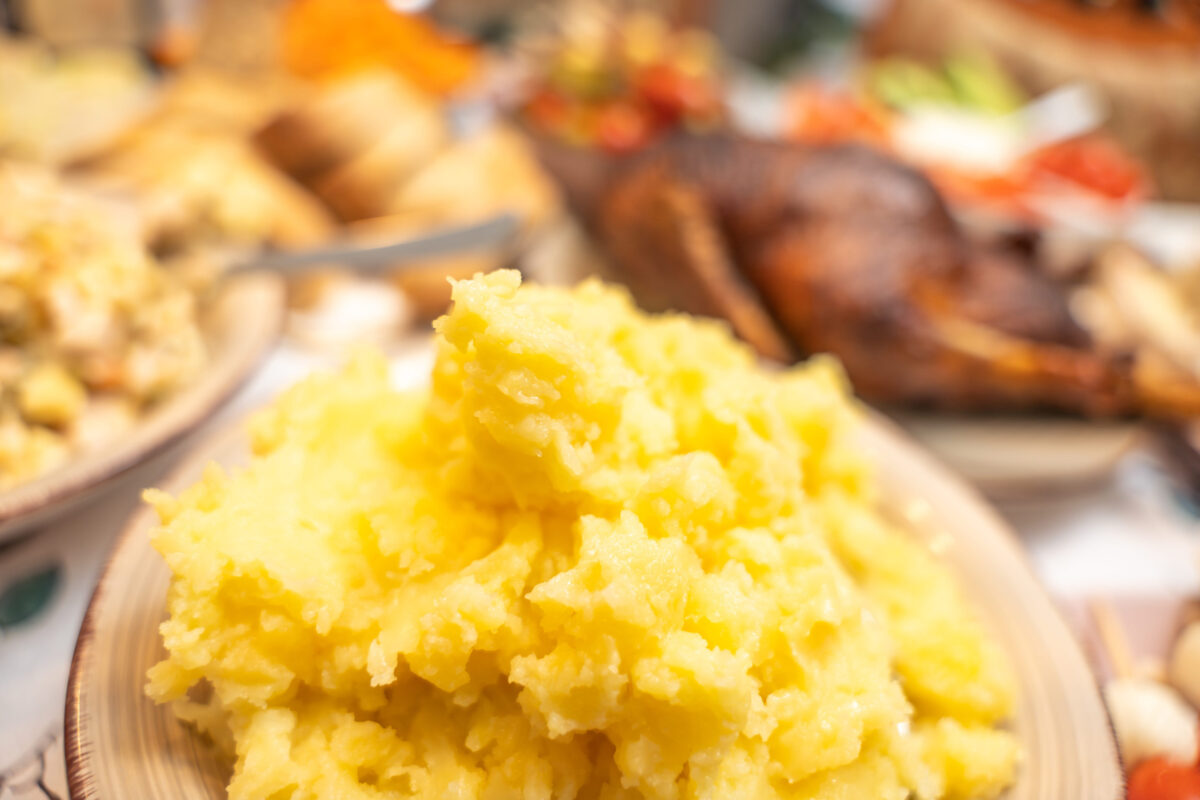
Mashed potatoes and blenders are a bad romance. Potatoes are high in starch, and high-speed blades break it down too aggressively. Instead of fluffy, buttery potatoes, you end up with a sticky, gluey texture that no extra splash of milk can fully rescue.
A potato masher, ricer, or food mill gives potatoes the gentle treatment they need. These tools keep the texture light and soft without overworking the starch. The blender may be fast, but speed is exactly what ruins mashed potatoes.
Boiling Hot Soup
Hot soup may seem like an easy blender job, especially when you want that smooth, restaurant-style texture. The problem starts when steam builds up inside the closed jar. That pressure can push the lid upward and send hot soup spraying across your counter, cabinets, and hands.
A safer move is to let the soup cool slightly before blending small batches. You can also use an immersion blender directly in the pot, which gives you control without trapping steam inside a sealed container. Creamy soup is wonderful, but not when it comes with a kitchen explosion.
Bread Dough

Bread dough needs kneading, folding, and controlled pressure. A regular blender is built for movement and liquid flow, not for thick dough that clings to the blades like cement. Once the dough wraps around the blade, the motor has to fight harder than it should.
That strain can overheat the blender and shorten its life. A stand mixer, hand kneading, or a food processor designed for dough is a much better choice. Your blender should make smoothies, not wrestle with bread.
Large Ice Cubes
Some blenders can crush ice, but that does not mean every blender should be treated like a snow cone machine. Large, solid cubes can slam against the blades, dull the edges, or cause the machine to rattle in a way that sounds expensive. Weak motors may stall before the ice breaks down properly.
Crushed ice is a safer option because smaller pieces are easier for the blades to handle. Adding liquid also helps the ice move rather than remain a single frozen chunk. If your blender manual does not clearly say it can crush ice, it is better not to test its courage.
Fully Frozen Fruit
Frozen fruit is a smoothie favorite, but rock-hard chunks can be rough on a basic blender. Large pieces of frozen mango, banana, pineapple, or berries can jam the blades and force the motor to work too hard. That is how a healthy breakfast turns into a smoky appliance problem.
Let frozen fruit sit out for a few minutes before blending. You can also cut fruit into smaller pieces before freezing it, then add liquid to the blender first. That small prep step helps the blades move smoothly and gives you a creamier drink.
Coffee Beans
A blender can break coffee beans, but it will not grind them evenly. Some pieces turn dusty, others stay chunky, and the final brew can taste bitter or weak because the grounds are not the same size. Coffee also leaves behind strong oils that can cling to the jar.
A coffee grinder gives better results because it is designed for dry, hard beans. If you love good coffee, the blender is not the shortcut you want. Keep your smoothies tasting like fruit, not yesterday’s espresso.
Whole Spices
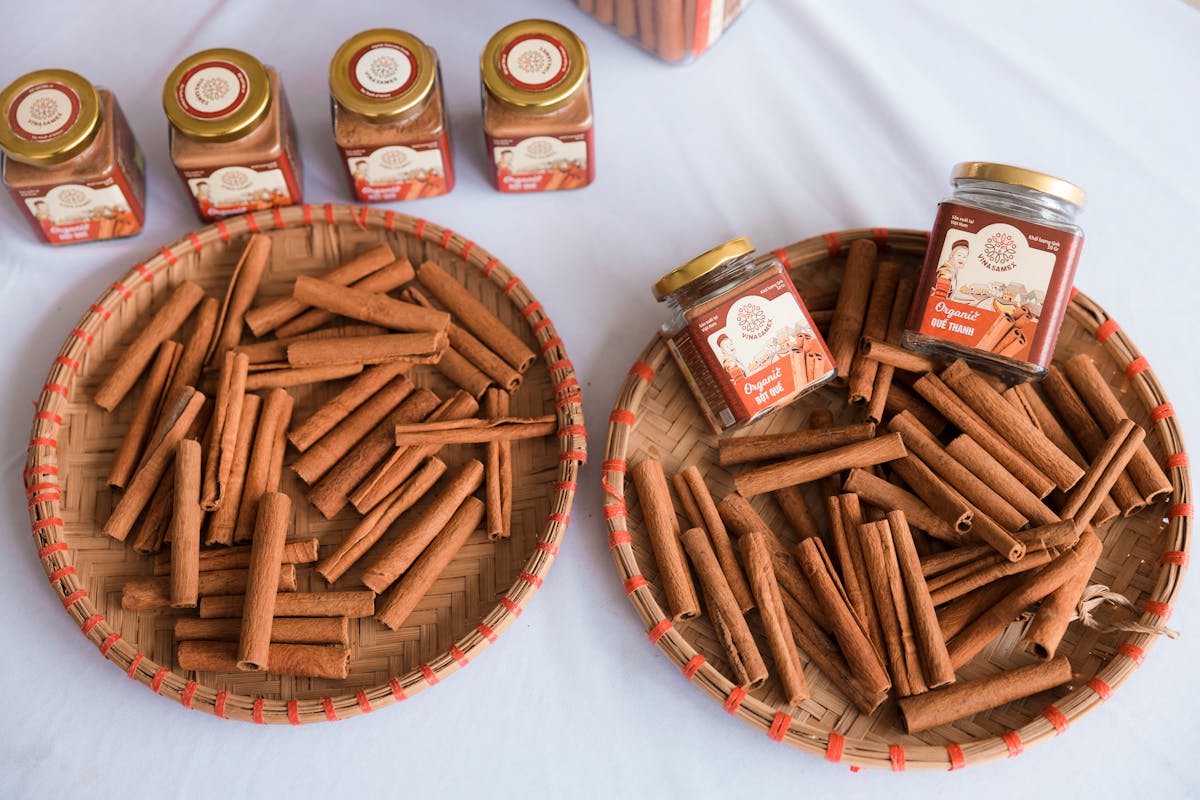
Whole spices like cloves, peppercorns, cinnamon pieces, and nutmeg may look small, but they can be tough on blender blades. They often bounce around instead of grinding evenly. The result is a mix of powder, sharp bits, and scratched plastic.
A spice grinder, mortar and pestle, or microplane does the job with more control. These tools are made for dry grinding and give spices a cleaner texture. Your curry, rub, or sauce will taste better when the spices are properly crushed.
Dried Fruit
Dates, prunes, raisins, figs, and sun-dried tomatoes can turn into a sticky trap inside a blender. Their chewy texture can cling to the blades, creating a thick paste that refuses to move. If the fruit has pits, the damage can happen even faster.
Soaking dried fruit first makes a big difference. Warm water softens the texture and helps the blender process it without fighting. Always remove pits before blending because one hard center can do more damage than the fruit is worth.
Bones, Pits, and Hard Seeds
Chicken bones, fish bones, peach pits, cherry pits, avocado pits, and mango seeds should never go into a blender. These items are too hard for a regular blade assembly and can crack the jar or bend the blades. Even if the blender survives, the noise alone will tell you it was a mistake.
Remove hard centers before blending fruits, sauces, soups, or pet food mixtures. A blender is made to process soft ingredients with liquid movement, not to crush bone or stone-like pits. When in doubt, take the hard part out.
Spoons, Spatulas, and Fingers

No utensil should ever enter a blender while it is running. A spoon, knife, fork, or spatula can hit the blades, damage the jar, and send pieces into your food. Even silicone tools are unsafe when the motor is on.
Hands and fingers are even more dangerous because blender blades can cut deeply, even when the machine is off. For cleaning, add warm water and a few drops of dish soap, then run the blender briefly with the lid on. A long-handled brush can handle the rest without putting your fingers near the blades.