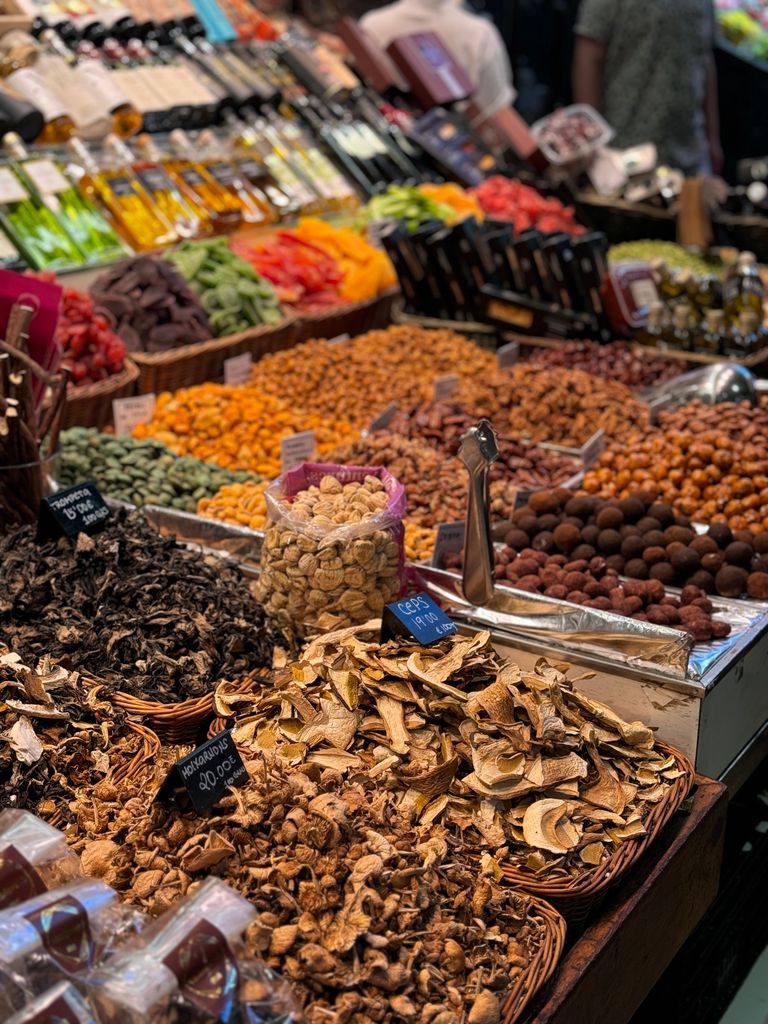
9 Shelf-Stable Foods Worth Having in the House Before a Winter Storm
When a winter storm approaches, grocery stores can quickly become crowded with shoppers grabbing bread, milk, and other essentials. But if heavy snow or ice knocks out electricity or makes roads hard to travel, the food in your pantry could be more useful than anything in your refrigerator. Stocking up on shelf-stable foods before severe weather arrives is one of the simplest ways to prepare for unexpected disruptions.
The Federal Emergency Management Agency (FEMA) recommends keeping at least a three-day supply of nonperishable food for emergencies. The best choices are familiar foods that require little preparation, last without refrigeration when unopened, and can be eaten even when you can’t cook.
Here are nine practical options worth adding to your shopping list before the next winter storm.
Canned soups and stews
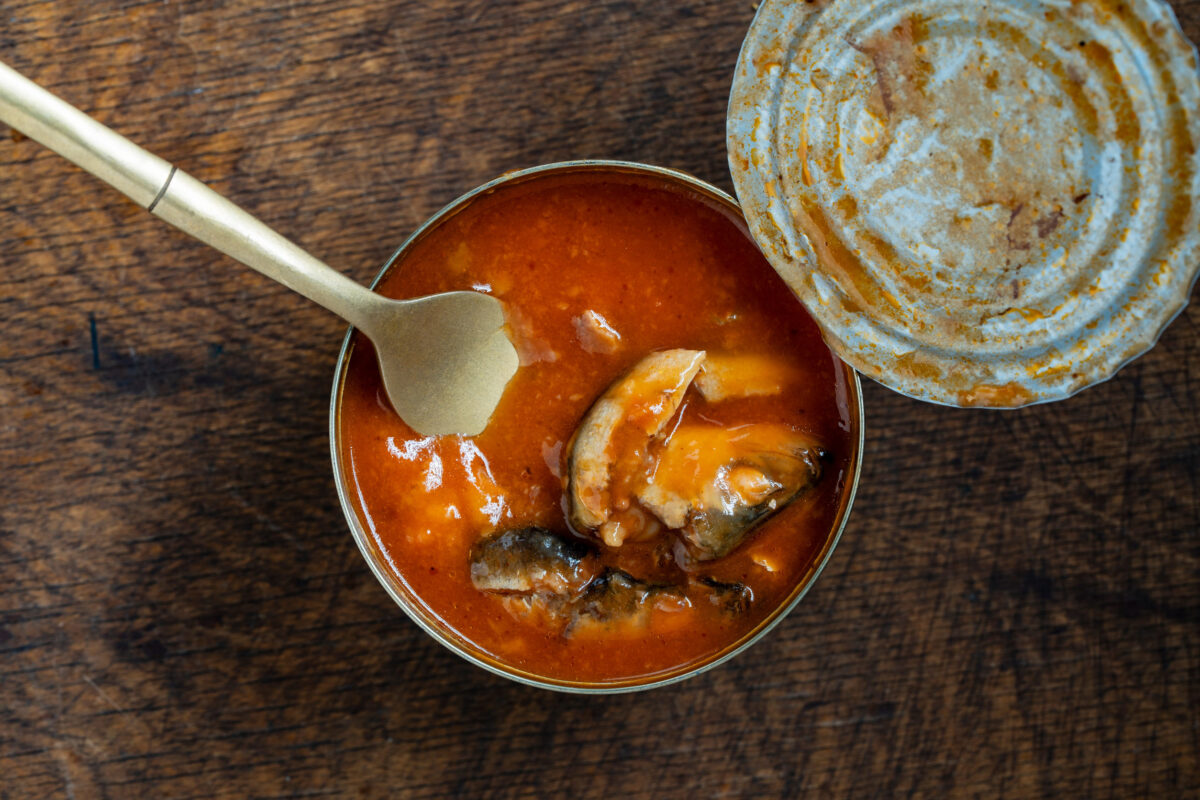
Few pantry staples sound more appealing on a freezing winter day than a bowl of soup. Canned soups and stews offer a convenient option when grocery shopping or preparing regular meals becomes difficult. Wide varieties contain vegetables, beans, pasta, or meat, making it easy to choose something your household enjoys.
Look for ready-to-eat options that don’t require added water or extensive cooking. Most commercially canned soups can be eaten cold unless the label says otherwise. When possible, choose smaller cans, especially if you may not have refrigeration for leftovers.
Peanut butter
Peanut butter deserves a spot in almost every emergency pantry because it requires no cooking and pairs with several other foods. Spread it on crackers, use it in sandwiches, or enjoy it straight from a spoon when meal preparation isn’t practical. An unopened jar also takes up relatively little storage space.
Choose a variety that your household already enjoys and check the label for storage instructions. Some specialty products may have different requirements, so don’t assume every jar should be stored the same way. If anyone in your household has a peanut allergy, consider an appropriate alternative.
Canned beans
Canned beans are among the most versatile foods you can keep in your kitchen cabinets. Black beans, chickpeas, kidney beans, and other varieties can work in salads, simple meals, or alongside canned vegetables. They’re also convenient when you don’t have enough fuel or electricity to cook dried beans.
Choose commercially canned varieties that are fully cooked and ready to eat. A manual can opener is essential if you purchase cans without pull tabs. You can also buy smaller portions to reduce waste when refrigeration isn’t available.
Crackers and crispbread
When the power goes out, foods that don’t require preparation can make mealtimes much easier. Crackers and crispbread work well with peanut butter, canned fish, and other pantry staples. They also provide a convenient option when you want something simple between meals.
Choose packages that are easy to reseal or divide larger quantities into smaller portions before the storm. Keep them somewhere dry to protect their texture and freshness. Check package dates regularly, since crackers can become stale during extended storage.
Canned tuna, salmon, or chicken
Canned meat and fish can turn ordinary pantry ingredients into a more substantial meal. Tuna pairs with crackers, canned chicken can be added to ready-to-eat dishes, and canned salmon offers another convenient choice. These products are especially useful when fresh meat isn’t available.
Look for commercially packaged, fully cooked varieties that are specifically labeled as shelf-stable. Some canned seafood products require refrigeration, so always read the packaging before placing them in your emergency supply. Smaller cans or pouches may also be easier to finish in one sitting.
Dried fruit

Fresh fruit might not last through a lengthy disruption, especially when shopping trips become impossible. Dried fruit offers a convenient alternative that can sit in your pantry without refrigeration while properly packaged. Raisins, dried apricots, and dried cranberries are familiar choices.
Individual packets are particularly convenient because you can open only what you need. Larger bags may be more practical for households that regularly eat dried fruit. Store them as directed on the package, and rotate your supply to keep them fresh.
Granola and breakfast bars
Not every emergency meal needs to look like a traditional breakfast, lunch, or dinner. Granola and breakfast bars are convenient when you need something to eat without turning on the stove. They’re also easy to pack if severe weather requires you to leave home.
Keep a mixture of flavors, so everyone has something familiar to choose from. Check ingredients for household allergies, and watch expiration or best-by dates. Bars are useful additions to an emergency supply, but shouldn’t be the only food you store.
Related: 8-breakfast-swaps-that-can-help-you-lose-weight/
Canned fruits and vegetables
Canned produce adds variety when fresh groceries are hard to find. Peaches, pears, green beans, carrots, and corn are examples of foods that can be stored in commercially sealed cans. Many are ready to eat directly from the container after opening.
Choose vegetables and fruits your family regularly eats instead of unfamiliar products that might go untouched. Smaller containers can make portion planning easier during a power outage. Inspect cans before use and discard any that are leaking, bulging, or severely damaged, as recommended by the USDA.
Shelf-stable milk
Milk is one of the groceries people often worry about when the power goes out. Shelf-stable milk offers an alternative to refrigerated cartons because it can remain unopened at room temperature when packaged and labeled appropriately. You can pour it over cereal or enjoy it with other pantry foods.
Look for UHT-treated milk in shelf-stable cartons or suitable powdered milk products. Most shelf-stable liquid milk needs refrigeration after opening. Single-serving cartons can be especially practical when you don’t have a working refrigerator.
A little preparation can make a big difference.
A well-stocked emergency pantry doesn’t require expensive specialty foods or an overflowing kitchen cabinet. Start with foods your household already eats, then gradually build enough supplies for several days. Include drinking water, a manual can opener, and any special foods children or pets need.
The USDA also recommends choosing foods that can be eaten cold if cooking becomes unavailable and replacing stored supplies periodically.
Preparing before a storm warning gives you more flexibility and helps you avoid last-minute grocery trips as conditions worsen.
Other articles you may like:
– fast-food-chains-are-bringing-the-human-touch-back-and-customers-are-noticing/
– the-7-best-breakfast-foods-you-need-to-try-in-2026/
– 6-cheap-frozen-and-canned-foods-that-can-be-as-healthy-as-fresh-produce/