7 Crazy Facts About Real NY Pizza You Almost Certainly Didn’t Know
From its legendary fold to its water controversy, New York pizza has a history full of surprising details that make every slice more interesting.
New York City is famous for many things, but few foods are as closely associated with the city as a classic New York-style pizza. With its thin, flexible crust, generous cheese, tangy tomato sauce, and wide triangular slices, this iconic food has become a favorite far beyond the five boroughs.
For locals, grabbing a slice from a neighborhood pizzeria can be an everyday ritual. For visitors, it is practically a requirement. Yet behind that simple combination of dough, sauce, and cheese lies a fascinating story involving Italian immigrants, old-fashioned ovens, neighborhood rivalries, and one of the city’s most persistent food debates.
You might think you already know everything about New York pizza. But these seven facts reveal why the city’s signature slice is much more than a convenient meal.
New York’s First Pizzeria Opened More Than a Century Ago
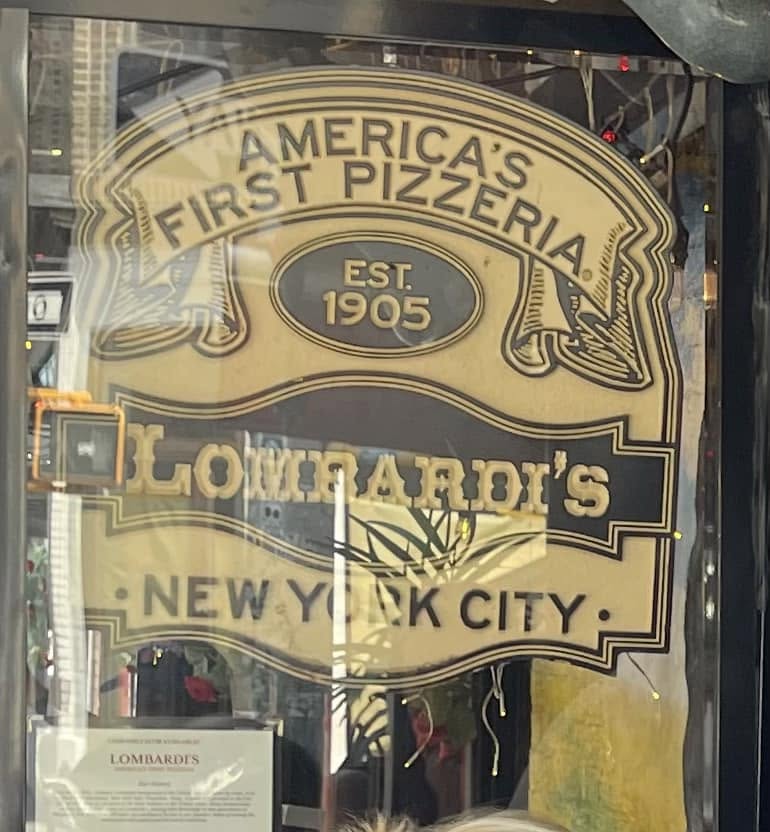
New York pizza history is often traced to Lombardi’s, a pizzeria in Manhattan’s Little Italy that began in 1905.
The restaurant is widely credited with helping establish America’s pizzeria tradition, although Italian immigrant communities had already eaten pizza before the shop opened.
Its founder, Gennaro Lombardi, was an Italian immigrant whose business became part of New York’s early pizza history. The restaurant helped popularize buying a freshly baked pie from a dedicated pizza shop rather than treating pizza as an unfamiliar specialty.
At the time, Italian immigrants were building communities in New York, bringing their food traditions with them. Pizza gradually moved from immigrant food into the city’s broader dining culture.
Today, Lombardi’s remains a popular stop for people interested in the origins of New York pizza. Its history also illustrates how immigrant-owned businesses helped shape American food.
One important detail: although Lombardi’s claims a 1905 founding date, historians don’t universally agree it was definitively America’s first pizzeria. The broader story is more complicated, with pizza developing through several Italian American communities.
Still, the restaurant remains one of the most recognizable names in New York slice history.
The Famous Pizza Fold Is More Than a Quirky Habit
Ever watched a New Yorker fold a giant pizza slice in half before taking a bite?
That move is practically part of the city’s food identity.
New York-style pizza is usually sold in broad, triangular slices with a relatively thin crust. When the slice is hot, the center can become soft under the weight of the sauce and cheese.
Folding the slice lengthwise helps bring the two edges together, making it easier to hold and eat while reducing the chance that the tip bends downward and spills its toppings.
It is also convenient for people eating on the move. New York has long been a city where workers, students, tourists, and commuters look for meals that fit into a busy schedule.
But no official rule requires anyone to fold a slice. Some people prefer to eat it flat, while others fold only the first few bites.
The fold is less a strict culinary tradition than a practical technique that became a recognizable part of New York pizza culture.
And if you see someone folding their slice, you now know there is a good reason behind the move.
New York Pizza Is Often Linked to the City’s Water
Ask pizza enthusiasts why New York pizza tastes different, and someone will almost certainly mention the water.
The theory is that New York City’s water supply gives its pizza dough a special quality that is hard to reproduce elsewhere. Since dough depends on water, flour, yeast, and salt, bakers understandably pay attention to the water they use.
However, the claim that New York water is the secret behind every great New York pizza is not settled science.
Water chemistry can affect dough behavior, but the flour, fermentation time, mixing method, oven temperature, and baking technique also play major roles. Skilled pizza makers in other cities can produce excellent New York-style pizza using their own local water.
New York’s water supply is known for its quality and comes largely from protected upstate watersheds. That reputation has helped fuel the city’s culinary mythology.
Some pizzerias outside New York even advertise water-treatment systems designed to imitate New York water.
The truth is less dramatic than the legend: water matters, but it is only one part of a much larger recipe.
The Best New York Pizza Does Not Have to Be Fancy
One of the most surprising things about New York pizza culture is how often the simplest option receives the most attention.
A plain cheese slice, sometimes called a regular slice, can tell you a lot about a pizzeria’s skills.
Without elaborate toppings to distract from the fundamentals, you can more easily judge the quality of the crust, sauce, cheese, and baking.
A well-made New York slice typically has a browned underside, a crisp outer edge, and a center that remains flexible enough to fold. The sauce should complement the cheese rather than overwhelm it, while the crust should have enough flavor to stand on its own.
That does not mean specialty pizzas are inferior. Pepperoni, mushrooms, sausage, and other toppings are popular throughout the city.
But a simple cheese slice remains a useful starting point when trying a new shop.
It is also part of the appeal of New York’s traditional slice counters: customers can walk in, order one or two slices, and enjoy a quick meal without committing to an entire pie.
Sometimes, the most memorable pizza has the fewest ingredients.
Coal-Fired Ovens Helped Shape New York’s Pizza Tradition
New York pizza’s distinctive character is closely tied to the ovens early pizzerias used.
Some historic establishments, including Lombardi’s, became associated with coal-fired brick ovens. These ovens can reach high temperatures and produce a characteristic combination of browning, crispness, and smoky notes.
However, not every New York pizzeria uses coal. Gas-fired deck ovens are also common, and many shops rely on other commercial oven designs.
The oven affects more than appearance. Temperature, heat distribution, baking time, and how heat reaches the dough all affect the finished slice.
A very hot oven can cook a pizza quickly, helping the crust develop color while the cheese melts and the toppings cook.
Coal-fired ovens also require specialized equipment, maintenance, and compliance with applicable regulations. They aren’t interchangeable with ordinary home ovens.
For home cooks, the lesson is that high heat and a suitable baking surface can reproduce some characteristics of pizzeria pizza, even if the results aren’t identical.
The city’s pizza tradition grew from immigrant food knowledge, available equipment, local ingredients, and generations of experimentation.
New York Pizza Has No Single Official Recipe
People often talk about New York pizza as though every authentic pie must follow one exact formula.
In reality, the style varies widely.
Classic New York-style pizza generally features a thin-to-medium crust, a broad shape, tomato sauce, mozzarella, and a base sturdy enough to support toppings while staying flexible.
But individual pizzerias vary in dough hydration, flour, fermentation, cheese blends, sauce seasoning, and baking temperature.
Some produce a crispier crust, while others make slices with a softer center. Certain shops favor a pronounced tomato flavor, while others emphasize cheese and browned crust.
Even the way pizza is served varies. Some establishments sell whole pies, while others specialize in individual slices.
Regional differences across the wider New York area also fuel the debate. New York-style pizza isn’t identical to every other pizza in New York State, nor is it the same as Neapolitan, Chicago deep-dish, or Detroit-style pizza.
That variety is part of what makes exploring the city’s pizzerias so enjoyable.
Rather than searching for one universally correct version, try different shops and decide which balance of crust, sauce, and cheese you prefer.
New York Pizza Became a Symbol of the City
Pizza is more than a popular food in New York. It has become a symbol of the city’s pace, diversity, and everyday life.
A slice can be a quick lunch between meetings, a late-night meal after a concert, or a casual stop during a sightseeing trip. Pizzerias serve residents from different backgrounds and visitors who may have traveled thousands of miles to try the famous local style.
The slice counter also shows how immigrant traditions become part of a city’s shared identity.
Italian American communities helped establish pizza in New York, and later generations of cooks and business owners adapted the food to local tastes and routines.
Over time, the New York slice became recognizable in movies, television, travel guides, and popular culture. Its wide triangular shape and familiar presentation are now associated with the city worldwide.
That does not mean everyone in New York agrees on what makes the perfect pizza. Quite the opposite: debates over favorite pizzerias, crust texture, toppings, and prices are part of the fun.
The city’s pizza culture continues to evolve while remaining connected to its immigrant roots.
Posts You Might Like:
5 Frozen Pizzas You Should Avoid Due to Serious Cancer Risks
4 Junk Foods We Can’t Resist, Despite Knowing They’re Bad for Our Health