The Ultimate Guide to Buying Salmon From the Grocery Store
Buying salmon should be simple, but a single grocery trip can leave you with plenty of questions. Should you choose wild-caught or farm-raised salmon, pay extra for fresh fillets, or grab a frozen package instead? With different varieties, cuts, and labels competing for attention, knowing what to look for can make a big difference.
Salmon is a versatile fish that works well for everything from quick weeknight dinners to special occasions. However, choosing the right piece involves more than comparing prices or picking the brightest fillet. Knowing a few shopping basics can help you avoid disappointing purchases and use your grocery budget better.
Start by Checking the Seafood Counter
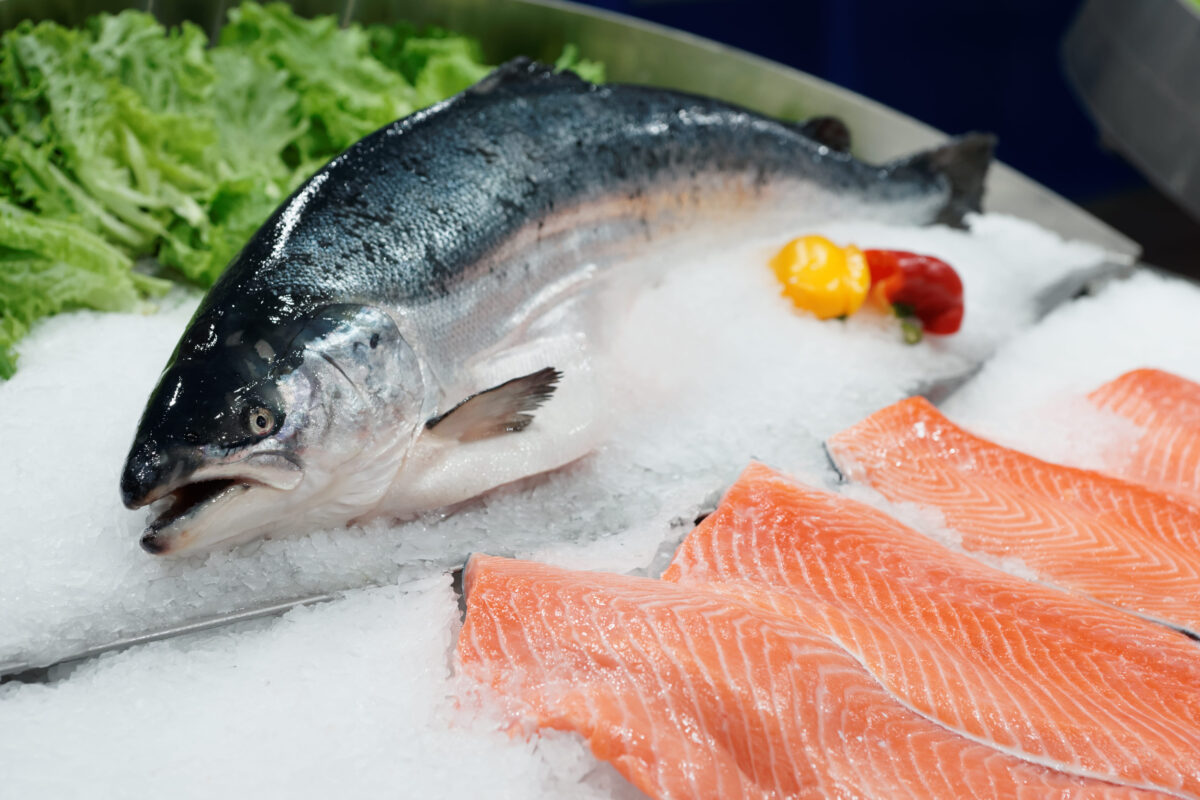
Before choosing your salmon, look closely at how the grocery store handles its seafood. According to the Food and Drug Administration, fresh fish should be refrigerated or displayed on a thick bed of ice. A strong, unpleasant fishy smell around the counter is another reason to be cautious.
A well-maintained seafood department should keep its products properly chilled and its display areas clean. You can also ask an employee when the salmon arrived and whether it was previously frozen. These simple questions can provide useful information before you spend your money.
Learn to Recognize Fresh Salmon
Fresh salmon should have firm flesh that springs back when you gently press it. It should smell mild, not sour, rancid, or ammonia-like. The flesh should also be free from significant discoloration or dried edges.
Although salmon is known for its attractive pink or orange appearance, color alone does not prove freshness. The FDA explains that diet, environment, and processing methods can influence fish color. If you’re buying whole salmon, look for clear, shiny eyes as another useful feature.
Understand the Different Salmon Varieties
Not every salmon fillet tastes the same, and knowing the varieties can help you choose one that suits your cooking plans. King salmon, also called Chinook, is prized for its rich flavor and relatively high fat content. Sockeye salmon typically has a deeper red color and a more pronounced flavor.
Coho salmon is generally leaner, while pink and chum salmon are frequently used in processed products, including canned salmon. Atlantic salmon has a mild flavor and a relatively fatty texture. According to NOAA Fisheries, Atlantic salmon sold in U.S. seafood markets is farm-raised.
Wild-Caught or Farm-Raised Salmon?
Wild-caught salmon and farm-raised salmon offer different eating experiences, but neither is automatically the better purchase. Wild salmon is often leaner, and its flavor varies by species and habitat. Farm-raised Atlantic salmon generally has a richer, fattier texture that works well in many recipes.
Instead of focusing only on whether salmon is wild or farmed, examine its origin and handling. Responsible production practices matter for both categories. Your preferred flavor, cooking method, and budget should also influence your decision.
Don’t Overlook Sustainability Labels
Some salmon packages display certifications that provide additional information about how the fish was produced. The Marine Stewardship Council, or MSC, certifies qualifying wild-capture fisheries against its sustainability standard. The Aquaculture Stewardship Council, or ASC, certifies aquaculture operations against environmental and social requirements.
These labels can help you compare products when responsible sourcing matters to you. However, wild-caught does not automatically mean sustainably harvested, just as farm-raised does not automatically mean environmentally irresponsible. Checking the certification and origin offers more information than relying on marketing language alone.
Choose the Right Cut for Your Recipe
Salmon fillets are a convenient choice for individual meals because you can bake, pan-sear, or grill them. Salmon steaks are cross-cut portions that often contain bones and work well with grilling or roasting. A whole side of salmon is particularly useful when preparing dinner for several people.
Different sections also vary in thickness and fat content. Belly portions are especially rich, while thinner tail sections generally cook more quickly. Choosing pieces of similar thickness helps when you want several servings to finish cooking at approximately the same time.
Related: 8-foods-you-should-never-cook-in-glass-dishes/
Consider Buying Salmon With the Skin On
Consider skin-on salmon if you enjoy pan-seared fish with a crispy exterior. The skin can help hold the fillet together while cooking and protect it from direct heat. It can also be removed after cooking if you prefer eating the flesh alone.
Skinless salmon remains a practical option, particularly for recipes that involve cutting the fish into smaller pieces. Neither style is automatically superior, and both can produce excellent meals. Let your preferred cooking method guide the choice.
Frozen Salmon Can Be a Smart Purchase
Don’t assume freezer salmon is inferior to fish displayed at the seafood counter. Proper freezing helps preserve fish quality, and some refrigerated seafood has already been frozen and thawed. Frozen portions also offer flexibility when you don’t plan to cook salmon immediately.
The FDA advises avoiding frozen seafood with torn packaging, excessive frost, or signs of thawing and refreezing. Fish should be solidly frozen when you buy it. To thaw safely, place it in the refrigerator overnight or use an approved cold-water method.
Pay Attention to Storage Times
Don’t leave salmon sitting in the refrigerator for several days without a plan. FoodSafety.gov lists a refrigerated storage period of one to three days for fatty fish, including salmon, when kept at 40°F or below. Buying it close to your intended cooking day is a practical approach.
For freezing, the same guidance recommends about two to three months to maintain the best quality of fatty fish. These freezer recommendations focus on quality rather than a strict safety deadline when food stays continuously frozen at 0°F. Always follow package instructions and discard fish that shows signs of spoilage.
Canned Salmon Deserves a Place in Your Pantry
Fresh fillets aren’t the only way to enjoy salmon at home. Canned salmon is already cooked and can go into salmon patties, sandwiches, pasta, and salads. It also offers a convenient alternative when refrigerated seafood isn’t practical.
Check the ingredient list to see whether the product contains added salt or other ingredients. Some varieties include edible skin and softened bones, while others are sold without them. Comparing labels can help you choose the texture and preparation style you prefer.
Remember Safe Cooking Practices
Good shopping decisions should be followed by proper food handling at home. Keep salmon refrigerated until you’re ready to prepare it, and prevent raw fish from contaminating other foods. Wash utensils, cutting boards, and prep surfaces after they contact raw seafood.
The FDA recommends cooking most seafood to 145°F. A food thermometer provides a reliable way to check that temperature without relying entirely on appearance. Following these steps helps ensure that your grocery store purchase becomes a meal you can enjoy safely.
Buying salmon doesn’t have to be complicated once you understand the basics. Whether you choose fresh fillets, frozen portions, or canned salmon, focus on proper handling, clear labeling, and the type that best suits your recipe and budget.
Other articles you may like:
– 10-best-seafood-that-isnt-fish-ranked/
– 7-foods-that-contain-more-calcium-than-a-glass-of-milk/
– foods-you-might-be-surprised-are-banned-or-restricted-in-the-united-states/