7 Things You Should Think Twice About Cleaning With Baking Soda
Baking soda has earned its place in countless American households as an affordable cleaning staple. From tackling stubborn kitchen stains to freshening up household surfaces, this pantry ingredient often seems like the answer to almost every cleaning problem. But using it on the wrong material can leave scratches, discoloration, or damaged finishes that are harder to fix than the original mess.
The problem comes down to how baking soda works. Its mildly abrasive texture helps loosen stubborn grime, while its alkaline properties make it useful for certain cleaning tasks. However, those same qualities can damage delicate finishes, react with metals, and harm surfaces that require specialized care.
Before reaching for that familiar orange box, approach these seven things with extra caution.
Aluminum Pots and Pans
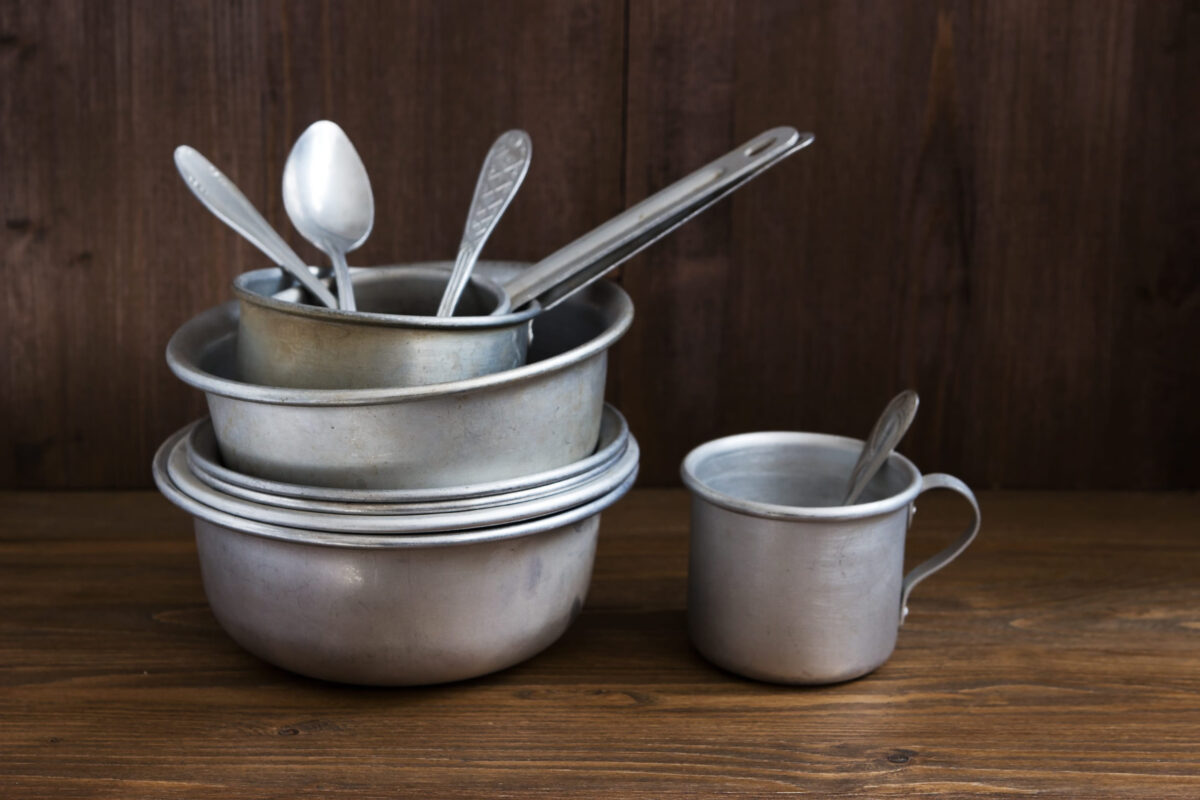
Aluminum cookware can handle plenty of everyday kitchen work, but baking soda isn’t always the best cleaning choice. Although a quick application followed by thorough rinsing may not cause problems, leaving baking soda on untreated aluminum for an extended period can discolor the metal. Its alkaline nature can affect the aluminum surface, leaving it looking worse than you’d expect.
This matters especially with stubborn grease or burned-on food. You might be tempted to apply a thick baking soda paste and leave it overnight, but prolonged contact increases the possibility of discoloration. Instead, start with warm water, mild dish soap, and a soft sponge, following the cookware manufacturer’s cleaning instructions.
Marble Countertops and Natural Stone
Beautiful stone countertops can make a kitchen feel luxurious, but they also require careful maintenance. Marble and some other polished natural stones may look dull or develop scratches if you clean them with abrasive materials. Baking soda’s fine particles can become a concern when used as a scrubbing paste, especially with repeated or vigorous rubbing.
The Natural Stone Institute advises using neutral cleaners, stone soap, or mild dishwashing detergent mixed with warm water for routine cleaning. It also cautions that abrasive scouring products can scratch certain stone surfaces. Using a soft cloth and a stone-compatible cleaner is generally a better approach than experimenting with homemade abrasive pastes.
Waxed Wooden Furniture
That beautiful wooden dining table or antique cabinet may look sturdy, but its surface finish needs careful care. Baking soda can act as an abrasive, making vigorous scrubbing a poor choice for delicate waxed or polished furniture. Repeated cleaning with unsuitable products may affect the finish that gives the wood its attractive appearance.
The risk is especially high with older furniture, where original finishes may be difficult to restore. Instead of applying baking soda directly, start by removing dust with a clean, soft cloth. For deeper cleaning, choose a product recommended for the furniture’s specific finish, and test it in an inconspicuous area first.
Related: 12-common-cleaning-habits-that-waste-time-money-and-product/
Gold-Plated Jewelry
Gold-plated jewelry requires a gentler approach than many household metal objects. Its attractive gold-colored surface comes from a relatively thin layer of gold over another material, and abrasive cleaning can gradually wear away that plating. Scrubbing with baking soda may therefore leave jewelry looking less attractive instead of restoring its original shine.
This is especially important when trying homemade jewelry-cleaning tricks circulating online. A cleaning mixture suitable for one type of metal may be inappropriate for another, especially when plating or decorative stones are involved. For gold-plated pieces, use a soft cloth and follow the jewelry maker’s cleaning guidance rather than reaching for an abrasive paste.
Phone, Laptop, and Television Screens
Fingerprints and smudges can make electronic screens look messy, but baking soda is not the solution. Its abrasive particles can scratch delicate surfaces or damage protective coatings, and using a wet paste increases the risk of damaging electronic components. Even careful scrubbing is unnecessary when manufacturers recommend much gentler methods.
For example, Apple’s official cleaning guidance advises against abrasive cleaners and recommends soft, lint-free cloths for its displays. Depending on the device, a slightly damp cloth may be appropriate, but never let cleaning liquids enter openings. Always check your manufacturer’s instructions before cleaning a screen.
Glass and Ceramic Cooktops
A smooth glass cooktop looks fantastic when clean, but removing burned-on food can be frustrating. Baking soda is sometimes suggested as a homemade solution, yet whether it is appropriate depends on the manufacturer’s instructions and how it is applied. Aggressive scrubbing or unsuitable cleaning materials can damage these carefully finished surfaces.
Importantly, baking soda is not universally prohibited on glass cooktops. Whirlpool includes a baking soda paste among its suggested cleaning methods, while GE Appliances recommends approved ceramic cooktop cleaners and cautions against unsuitable products. The safest approach is to check your specific appliance manual and use approved cleaners and nonabrasive tools.
Antique Silver and Silver-Plated Items
Baking soda is frequently recommended for polishing tarnished silver, but valuable or antique pieces deserve extra caution. Abrasive polishing can gradually remove metal, and repeated cleaning of silver-plated objects may eventually expose the underlying material. Inappropriate cleaning methods can also affect decorative details and intentionally darkened areas.
The Canadian Conservation Institute explains that polishing silver removes some underlying metal along with tarnish. For valuable antiques, consult a qualified conservator before trying a homemade cleaning treatment. Clean ordinary silver items based on their construction and finish, rather than assuming one method suits everything.
A Little Caution Can Save Your Favorite Household Items
Baking soda is a practical, inexpensive cleaning ingredient, but it isn’t suitable for every surface in your home. The real trick is recognizing that different materials require different cleaning methods, even when they appear durable. Check manufacturer guidance and choose gentler alternatives to keep an ordinary cleaning session from becoming an expensive repair.
Sometimes, the simplest cleaning solution isn’t adding another ingredient to your routine. It’s knowing when to leave the baking soda in the pantry.
Other articles you may like:
– 8-things-in-your-home-youre-cleaning-too-often/
– 8-old-fashioned-cleaning-tricks-that-still-work/
– 10-unexpected-ways-boiling-water-makes-cleaning-easier/