6 Times You Shouldn’t Use Your Glass Baking Dish
Glass baking dishes are kitchen favorites for good reason. They make it easy to prepare everything from bubbling casseroles to baked pasta, and many can go straight from the oven to the dinner table. But home cooks often make one mistake: assuming anything labeled oven-safe can handle every cooking method.
Not all glass cookware follows the same rules. A baking dish designed for a conventional oven may not tolerate a broiler, direct burner heat, or certain sudden temperature changes. The good news is that most foods aren’t the problem. It’s how you cook them, the temperature involved, and the type of glassware you’re using. Here are six situations when reaching for a different pan may be the better choice.
When Your Casserole Needs a Broiler Finish
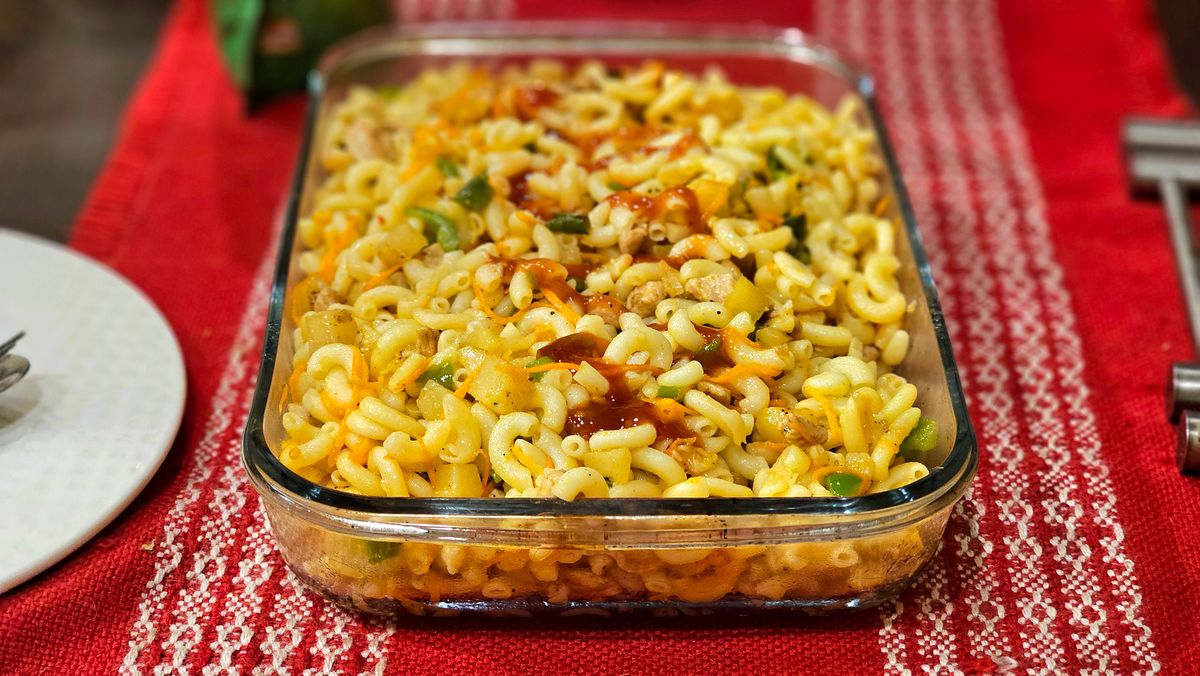
That golden, bubbling layer of cheese can be the best part of homemade macaroni and cheese. It’s tempting to slide the casserole under the broiler for a few minutes to get the top perfectly browned. However, this is one situation where an ordinary glass baking dish may not be suitable. Both Pyrex and Anchor Hocking warn against using their standard glass bakeware under a broiler. Although these dishes are designed for oven baking, direct exposure to a broiler’s intense heat falls outside their approved uses.
That distinction matters because oven safe doesn’t automatically mean broiler safe. A dish can perform as intended during regular baking but still not be suitable for every heat source. What to use instead: Choose cookware specifically approved for broiling, or follow a recipe that achieves the desired finish through conventional baking. You don’t need to give up your favorite cheesy casserole. Match the cooking method to the pan.
Related Post: 8 Foods You Should Never Cook In Glass Dishes
When a Recipe Starts on the Stovetop
Some recipes call for browning chicken or searing beef before transferring everything to the oven. Doing both steps in one pan can feel convenient, especially when you’re trying to avoid another pile of dirty dishes. But an ordinary glass baking dish isn’t a substitute for a stovetop skillet. Pyrex and Anchor Hocking specifically prohibit using their standard glass bakeware on stovetop burners, grills, and other direct heat sources. Just because a dish can handle oven cooking doesn’t mean it’s designed to contact a burner or open flame.
This restriction applies to the cooking method, not the meat itself. You can prepare chicken, beef, and vegetables in appropriately rated glass dishes when the recipe uses an approved heating method. What to use instead: A skillet explicitly approved for both stovetop and oven use makes more sense for recipes that sear and then roast. Some specialized glass-ceramic cookware has different capabilities, so the instructions for the exact product always matter.
When Frozen Lasagna Goes Straight Into a Hot Oven
Preparing lasagna ahead of time can make a busy weeknight much easier. You assemble everything, freeze it, and expect dinner to be almost effortless when you need it. Trouble starts when you put a frozen glass dish directly into a preheated oven, despite the manufacturer’s instructions. Pyrex’s U.S. guidance prohibits transferring its covered glassware directly from the freezer into a hot oven. Anchor Hocking also warns against transferring frozen glass bakeware into a preheated oven and instructs cooks to thaw food before reheating.
The concern involves sudden temperature changes, often called thermal shock. Glass expands as it heats and contracts as it cools. When different parts of a dish change temperature unevenly, the resulting stress can cause breakage. What to do instead: Follow the thawing and reheating instructions for your specific glass dish. Some specialized glass products are designed for freezer to oven transfers, but that capability shouldn’t be assumed for every dish. A freezer safe label doesn’t automatically mean a frozen container can go straight into a hot oven.
When a Recipe Calls for More Heat Than Your Dish Allows
A homemade pizza or roasted vegetable recipe might call for a 450°F oven. Before reaching for your usual glass dish, check whether its manufacturer approves that temperature. For example, Anchor Hocking states that its covered glass bakeware can be used in preheated conventional or convection ovens up to 425°F. A recipe requiring 450°F would exceed that stated limit. That doesn’t mean every glass baking dish has a maximum temperature of 425°F. Different manufacturers and products can have different instructions.
In fact, Pyrex’s U.S. frequently asked questions page does not specify the same numerical limit for its glass bakeware. Instead, it directs users to follow its approved baking and handling instructions. What to use instead: Choose a baking pan rated for the temperature your recipe requires. This is especially worth checking when you’re using an older dish and no longer have its packaging. Instead of guessing based on its appearance, identify the product and consult the manufacturer’s instructions.
When You Need to Add Liquid to a Hot Roasting Dish
Many roasting recipes include a familiar moment when the cook reaches for a splash of broth, water, or wine. Perhaps the vegetables need more liquid, or the recipe calls for adding stock halfway through cooking. That extra pour may seem harmless, but it’s another situation where ordinary glass bakeware requires care. Both Pyrex and Anchor Hocking warn against adding liquid to an already-hot glass baking dish. A sudden temperature change can create uneven stress in the glass, potentially causing it to break. The manufacturers also advise adding enough liquid to cover the bottom before cooking foods that may release liquid during preparation.
What to do instead: If the recipe is suitable for glass, add the required liquid before heating, following the manufacturer’s guidance. For recipes that specifically require adding liquid to a hot vessel or deglazing after searing, choose cookware approved for those techniques. This doesn’t mean roasted chicken or vegetables should never be cooked in glass. It simply means the recipe steps must match the dish.
When You’re Baking Dessert in an Ordinary Glass Jar
Individual desserts served in little glass jars can look charming. But before filling a pantry jar with cake batter and placing it in the oven, consider whether that container was actually designed for baking. Not every glass container is oven safe. Anchor Hocking, for example, explicitly prohibits oven and microwave use for the pantry glass jars covered by its storage-container instructions. Those jars serve a different purpose than the company’s oven-rated glass bakeware.
A similar distinction applies to lids. Even if the glass base is oven-safe, its plastic or wooden lid may not be. What to use instead: Choose a baking dish, ramekin, or other container specifically approved for your oven and intended temperature. The important lesson is to avoid judging cookware by appearance alone. Two transparent glass containers may look similar while having completely different approved uses.