6 Grocery Store Foods That Look Like a Bargain but Aren’t Always
The lowest price on the grocery shelf can be tempting, especially when you’re trying to keep your food budget under control. But a cheaper package doesn’t always give you the best value, and a larger box or multipack isn’t automatically the smarter buy.
Sometimes, you’re paying extra for convenience. Other times, a sale changes which package offers the lowest cost per ounce. The trick is to look beyond the number on the price tag. Comparing unit prices can help you spot the difference between spending less at checkout and getting more for your money.
These six grocery comparisons show why it’s worth taking a second look before adding an item to your cart.
Cereal
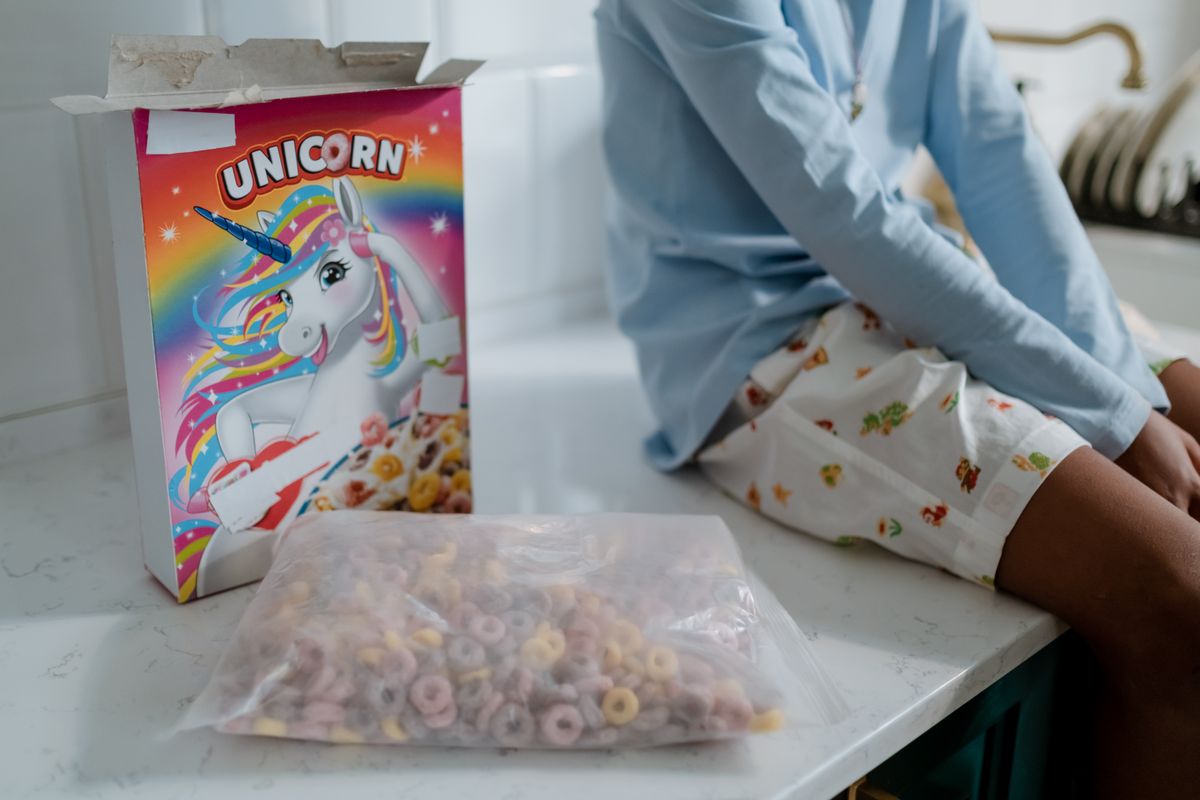
A smaller cereal box can look like the budget-friendly choice because it costs less upfront. However, the amount inside the package can change the calculation considerably.
Walmart listed Cheerios Heart Healthy Gluten Free Breakfast Cereal in an 8.9-ounce box for $2.97, reduced from $3.47. That works out to approximately 33.4 cents per ounce. The family-size version, an 18-ounce box, was listed at $4.50, down from $4.97, or about 25 cents per ounce.
The smaller box costs $1.53 less at checkout, but its price per ounce is roughly one-third higher. Meanwhile, the family-size box contains about twice as much cereal without costing twice as much.
Neither price tells the whole story on its own. If you’re comparing packages, check the cost per ounce rather than assuming the lower sticker price represents the better deal. In this example, buying the larger box offers better value by quantity, even though it requires spending more upfront.
Snack Packs
Individual snack packs can be convenient when you want something that’s already divided into portions and easy to carry. The question is whether that convenience is worth the additional cost compared with buying a standard bag.
Walmart listed Goldfish Cheddar crackers in twelve individual 1-ounce bags for $7.97, giving shoppers 12 ounces in total. That comes to approximately 66.4 cents per ounce. A standard 6.6-ounce bag of Goldfish Cheddar baked snack crackers was listed for $2.87, or about 43.5 cents per ounce.
In this comparison, the individually packaged crackers cost about 53% more per ounce. That’s a meaningful difference for shoppers who regularly buy snacks in multipacks.
Still, individual packaging isn’t automatically a bad purchase. The smaller bags offer portability and ready-made portions, which some shoppers may prefer. The important thing is recognizing that those conveniences don’t necessarily come with a bulk discount.
Before choosing the multipack, compare its total weight and unit price with the standard bag. If convenience is the priority, the extra cost may be worthwhile. If you’re primarily looking for the lowest price per ounce, the standard bag deserves a closer look.
Related: 10 Things You Didn’t Know You Could Get for Free at Grocery Stores
Shredded Cheese
It’s easy to assume that buying a block of cheese will always cost less than purchasing the shredded version. But the actual prices can tell a more complicated story, especially when package sizes differ.
Target listed Good & Gather Shredded Sharp Cheddar Cheese in an 8-ounce package for $1.99, or approximately 24.9 cents per ounce. The same brand’s 8-ounce block of sharp cheddar was listed for $1.89, working out to about 23.6 cents per ounce.
The difference is modest: 10 cents per package. In this example, the shredded cheese costs approximately 5% more per ounce, so the block offers a small price advantage.
However, the larger shredded package changes the comparison. Target listed a 16-ounce bag of Good & Gather shredded sharp cheddar for $3.49, or about 21.8 cents per ounce. That makes the larger shredded bag cheaper per ounce than the smaller shredded package.
The lesson isn’t that block cheese always wins. It’s that convenience can come with a premium, but package size can change the equation. Compare the actual unit prices before deciding which version offers the better value.
Salad Dressing
When two bottles contain the same product but different quantities, the smaller one may be easier on your immediate grocery bill. That doesn’t necessarily make it the less expensive option over time.
Target listed Hidden Valley Original Ranch Salad Dressing & Topping in an 8-fluid-ounce bottle for $2.79, or approximately 34.9 cents per fluid ounce. The 16-fluid-ounce bottle was listed at $4.29, which works out to about 26.8 cents per fluid ounce.
The larger bottle contains twice as much dressing but costs only $1.50 more. As a result, the smaller bottle costs approximately 30% more per fluid ounce in this comparison.
That’s a good reminder to check the unit price before choosing a bottle based on its shelf price alone. The smaller option costs less at checkout, while the larger one offers a lower cost for each fluid ounce.
But bigger isn’t automatically better for every household. If you won’t use the additional dressing, paying more upfront for a larger bottle may not be the most practical choice. The best deal is the one that balances unit cost with the amount you’ll actually use.
Pre-Cut Produce
Pre-cut produce can save preparation time, but that convenience may come with a higher price. Comparing prepared vegetables with whole versions can help you decide whether the difference is worth paying.
Walmart listed fresh shredded orange carrots in a 10-ounce package for $1.93, or approximately 19.3 cents per ounce. Fresh whole carrots were listed in a 2-pound, or 32-ounce, package for $1.99, reduced from $2.26. That works out to approximately 6.2 cents per ounce.
The whole-carrot package costs just 6 cents more at checkout while containing more than three times the listed weight. Based on the package weights, the shredded carrots cost roughly three times as much per ounce before accounting for preparation losses.
There is an important distinction, though. Whole carrots need to be prepared, and their package weight isn’t the same as the final amount of shredded carrots you get after preparing them. The comparison shows a difference in listed prices and weights, not an exact calculation of the cost per ounce of finished carrots.
For shoppers who don’t mind washing, peeling, or shredding their own produce, whole carrots may offer better value in this example. Those who prefer ready-to-use vegetables may consider the extra cost worthwhile. Either way, the unit price helps make that trade-off clearer.
Related: 10 Grocery Store Traps That Could Cost Shoppers Over 60 More Money
Multipacks
A larger multipack can seem like the obvious bargain because it puts more individual items in one box. But promotions can sometimes change which option has the lowest unit cost.
Target listed a 12-pack of Coca-Cola for $8.89, equivalent to approximately 74.1 cents per 12-fluid-ounce can. A 24-pack was listed at $15.29, or about 63.7 cents per can. At their regular listed prices, the 24-pack offers the lower cost per can.
However, Target also displayed a promotion offering 25% off qualifying soda cans when shoppers bought three. Using the listed price of $8.89 per 12-pack, three qualifying packs would cost approximately $20 after the discount, excluding taxes and applicable deposits. That works out to about 55.6 cents per can.
Under those promotional terms, three 12-packs would have a lower unit cost than the regularly priced 24-pack. But there’s a catch: shoppers must buy all three qualifying 12-packs to receive the calculated price. Buying just one doesn’t unlock the discount, and the promotion may change or expire.
There’s also a difference between the lowest unit cost and the lowest total spending. The promotional purchase requires about $20 upfront, compared with $15.29 for one 24-pack. Before deciding, check that the offer is still available, confirm which products qualify, and compare the final prices rather than assuming the biggest box is automatically the best deal.
How to Spot the Better Grocery Deal
A grocery bargain isn’t determined by package size or shelf price alone. Compare the price per ounce, fluid ounce, pound, or equal-sized item, and calculate applicable discounts before deciding which option costs less for the quantity you receive. Also consider whether you will use the full package and whether convenience is worth paying extra for.
These comparisons come from Walmart and Target online listings gathered on October 22, 2026, so prices and promotions may differ by location or change over time. The next time a package catches your eye, take a moment to check the unit price. That small step can help you make a more informed choice without automatically reaching for either the smallest or the largest package.