7 Foods Likely to Vanish With Baby Boomers
Some foods can take you straight back to an old-fashioned American kitchen without a single bite. A wobbling gelatin salad at a family gathering, a frozen can of orange juice waiting to be mixed, or canned fruit served in a little glass bowl. These were once familiar sights on American tables.
But grocery habits change, and foods that once seemed essential can gradually lose their place. Some have experienced significant declines in popularity, while others have simply changed packaging or become less common in everyday cooking.
Here are seven old-school foods that could become increasingly unfamiliar as generations change.
Canned Peaches
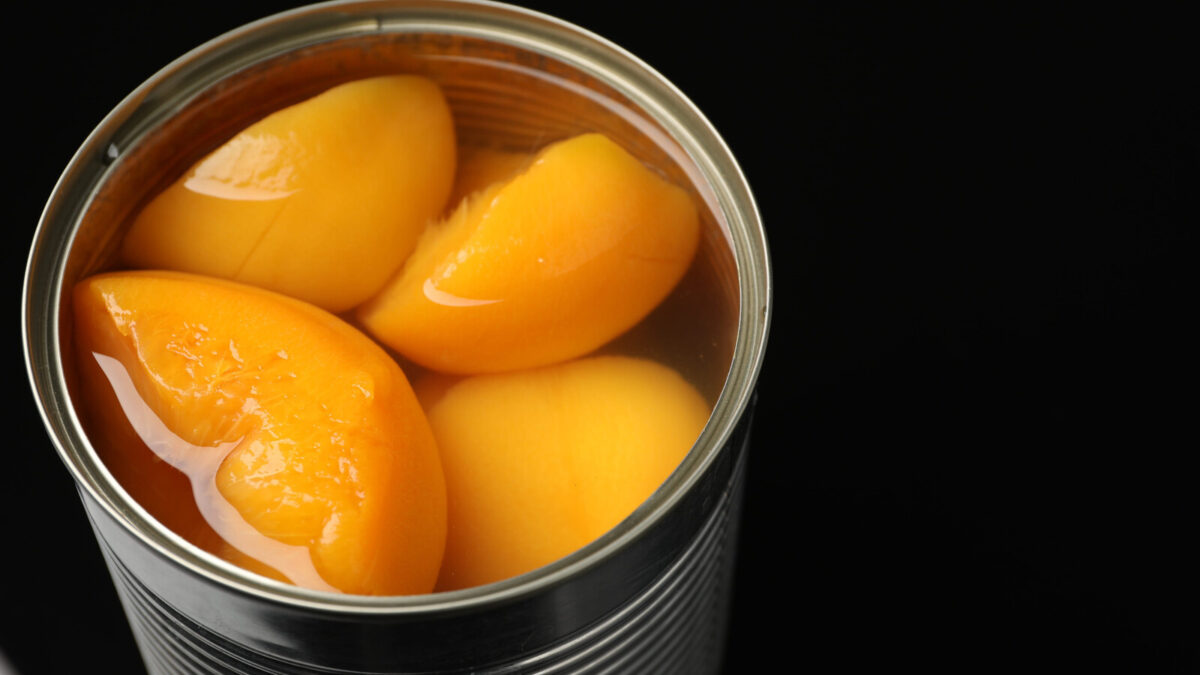
Remember when opening a can of peach halves or slices was practically all the preparation a dessert needed?
Canned peaches offered a simple solution for households that wanted fruit available without depending on what was fresh at the grocery store. They could be served straight from the can or used in homemade desserts.
The decline is measurable. According to the USDA Economic Research Service, canned-peach availability averaged 6.5 pounds per person annually between 1970 and 1974. By 2010–2014, that figure had fallen to 2.7 pounds, approximately a 58% decline.
These figures measure the food supply available per person, rather than exactly what each American ate.
Canned peaches are certainly still sold, but their shrinking share of the food supply suggests that the familiar pantry staple doesn’t occupy the same position it once did.
Liver and Onions
Liver and onions is one of those dinners that rarely inspires a neutral reaction. Some people remember the rich flavor and onions fondly, while others would gladly leave the dish in the past.
Its place in American cooking has practical roots. During the Depression and World War II, households were encouraged to make economical use of available meats, including liver.
A historical account published by MEL Magazine describes how newspapers promoted liver during that era. A 1943 newspaper article even recommended it as a way to make household meat allowances go further.
But the dish gradually lost some of its mainstream appeal after the war. By the mid-1970s, industry accounts were already describing weakening demand.
Liver and onions remain a traditional favorite for some cooks, but its former prominence on American dinner tables is much harder to find.
Savory Jell-O Salads
There was a time when putting vegetables, tuna, or mayonnaise inside a gelatin mold counted as creative cooking. The finished dish could look impressive, especially when turned out onto a serving plate for a family gathering.
Savory gelatin salads became particularly associated with midcentury American entertaining. The 1964 edition of The Joy of Cooking included savory gelatin recipes, and Jell-O even introduced celery, mixed-vegetable, and Italian-salad flavors during the 1960s.
Those flavors didn’t last. According to Serious Eats’ historical account, they disappeared by the mid-1970s as interest declined. By the early 1980s, savory gelatin salads had largely fallen out of mainstream culinary fashion.
They haven’t vanished completely, especially in certain regional and church traditions. Still, a molded tuna salad feels much more like a family heirloom than a modern dinner-party centerpiece.
Related: Can These 3 Foods Really Make Your Skin Look Younger? What the Science Says
Frozen Orange Juice Concentrate
Few kitchen routines feel more distinctly midcentury than opening a frozen orange juice can and watching the concentrate slide into a pitcher. Add water, stir, and suddenly there was enough juice to serve the family.
Minute Maid helped popularize that routine when it began shipping frozen orange juice nationwide in 1946. By 1958–1959, frozen citrus juice represented 71% of all citrus juice packed, according to a historical account in California Agriculture.
But the format eventually faced competition from ready-to-drink alternatives. In February 2026, Coca-Cola announced that Minute Maid would discontinue its frozen juice concentrates in the United States and Canada by April, citing changing consumer preferences.
That announcement marked the retreat of one of the format’s best-known brands. It didn’t mean frozen juice concentrate had disappeared altogether, since other companies were still selling it at the time.
For anyone who remembers mixing orange juice in a pitcher, though, the announcement marked the loss of a familiar name from that kitchen tradition.
Margarine
For years, margarine wasn’t merely an alternative to butter. It was the spread many American households regularly purchased.
Its popularity grew during World War II when butter shortages encouraged households to use substitutes. Lower prices and expanding supplies of soybean oil also helped margarine establish itself in American kitchens.
According to USDA historical figures, margarine overtook butter in per-person availability in 1958. Its availability reached a peak of 12 pounds per person annually in 1976.
But that dominance didn’t last. By 2010, margarine availability had fallen to 3.5 pounds per person, and butter had already regained the lead by 2005.
Today’s spreads come in various formulations, so the category hasn’t disappeared. What has faded is margarine’s once-commanding position as America’s preferred butter substitute.
Traditional Canned Tuna
Canned tuna once seemed like the ultimate no-fuss lunch ingredient. Open a can, prepare a sandwich, and lunch was practically finished.
Its appeal was straightforward: convenience, shelf stability, and versatility in home cooking. Yet the traditional can has experienced a significant decline.
In 2018, reporting based on USDA figures showed that American per-capita canned-tuna consumption had fallen approximately 42% over the three decades ending in 2016.
Reporting that year also highlighted an age gap in canned-seafood purchases. TIME cited a Mintel survey finding that 32% of consumers ages 18–34 had recently purchased canned fish or shellfish, compared with 45% of those over 55.
Those survey figures covered canned seafood generally, not tuna alone. Meanwhile, tuna companies offered pouches and other convenient formats that required no can opener.
The interesting part isn’t that Americans stopped eating tuna. It’s that the familiar metal can no longer enjoys the same uncontested place in the lunch routine.
Related: 10 Foods You Should Never Feed Your Dog, According to Experts
Canned Pears
Canned pears never needed much attention to earn a place at the table. A few chilled slices or halves in a small bowl could accompany dinner or finish a meal.
That simplicity was part of their appeal. No elaborate recipe was necessary, and a can could remain in the pantry until someone wanted it.
But the broader canned-fruit category has experienced a substantial decline.
The USDA reports that canned fruit accounted for 10.6% of total American fruit availability in 1970–1974. By 2010–2014, its share had fallen to 5.6%.
Canned pears followed that downward pattern, with availability declining from 3.8 to 2 pounds per person annually over the same periods.
Unlike canned peaches, which often bring homemade desserts to mind, canned pears represent the straightforward tradition of serving fruit alongside a regular meal.
They’re still available, but their smaller place in the food supply suggests that this pantry staple has lost some of its former prominence.