7 Foods That Cost More at the Grocery Store Than They Should
That little box of raisins might look like a bargain until you check how much you’re actually getting. The same goes for applesauce cups, pasta, and even everyday baking ingredients. Sometimes, the smaller price tag hides a surprisingly expensive purchase.
The trick is to look beyond the shelf price and check the cost per ounce. That’s where the difference between convenience and value becomes easier to spot.
These seven grocery comparisons use prices from Target’s online listings checked on October 23, 2026. Prices may vary by location, but the examples show why a familiar brand or handy package isn’t always the best deal for your cart.
Dry Spaghetti
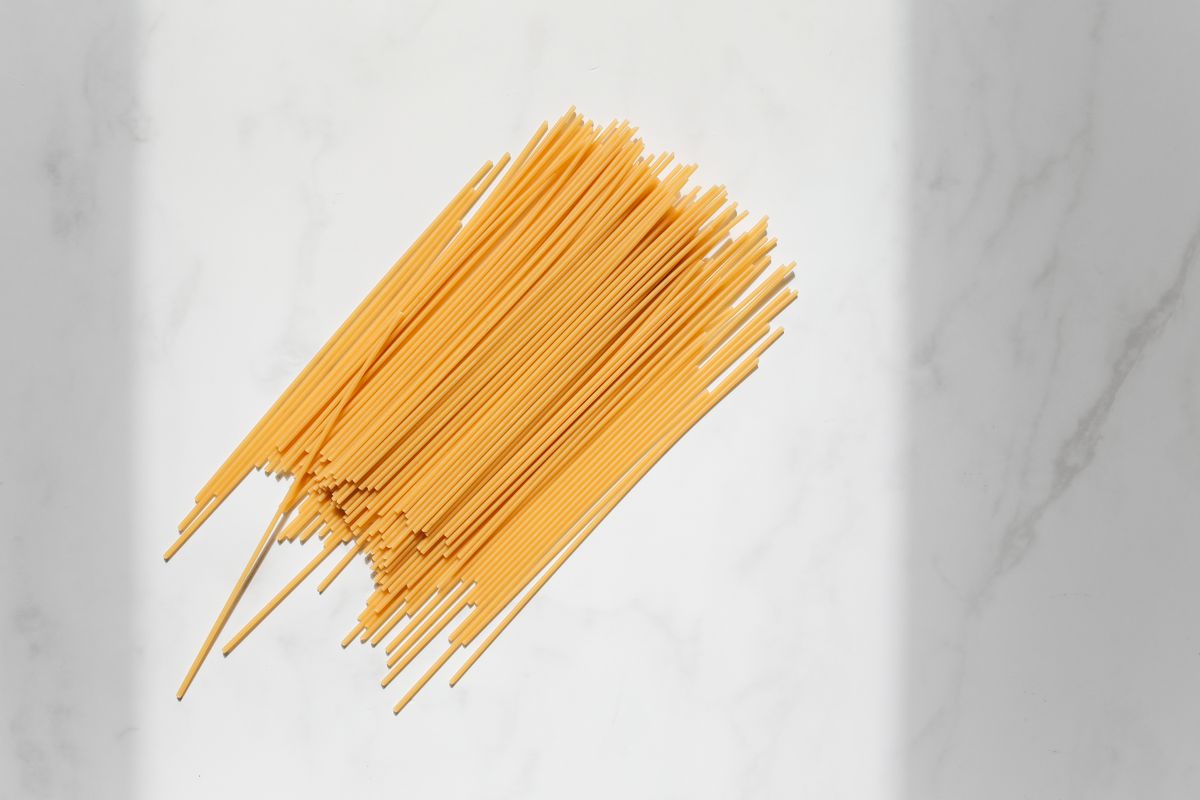
Spaghetti night shouldn’t require much financial planning, especially when you’re buying a simple package of dry pasta. Yet the brand you reach for can change the price without changing the package weight.
A 16-ounce box of Barilla spaghetti was listed at $1.89 at Target. A 16-ounce Good & Gather spaghetti package was $1.29.
That’s a 60-cent difference between two boxes containing the same amount of pasta. Both listings also specified cooking times of 10 to 11 minutes, so the lower-priced box doesn’t require extra cooking time.
Of course, pasta preferences are personal. Maybe you’ve found a particular brand that delivers exactly the texture you like.
But if you usually cover your spaghetti with a favorite sauce, trying the store brand once is a reasonable experiment. You may decide the difference matters, or discover that the less expensive box works perfectly well for your usual dinner.
Boxed Raisins
Those tiny raisin boxes are practically made for lunchboxes. They’re easy to pack, don’t require measuring, and give everyone their own little portion. But that convenience comes with a noticeable difference in price.
At Target, a 12-count package of Sun-Maid Mini Snack Boxes, containing 6 ounces altogether, was listed at $2.59. That’s approximately 43 cents per ounce.
Meanwhile, a 20-ounce Sun-Maid canister cost $6.29, or roughly 31 cents per ounce. You’re buying the same brand, but the larger container offers more raisins for each dollar.
If raisins are a regular household snack, portioning them into reusable containers could be worthwhile. Still, those little boxes have their place, especially when you’re packing lunches or grabbing something on your way out.
Applesauce Cups
Applesauce cups are wonderfully straightforward. Open one, grab a spoon, and you’re done. Unfortunately, that convenience can make a familiar pantry purchase cost a little more.
Target’s Good & Gather unsweetened applesauce cups were listed at $2.49 for six cups containing 24 ounces altogether. That works out to approximately 10.4 cents per ounce.
The brand’s 46-ounce applesauce jar was $3.89, a new lower price reduced from $4.19. At roughly 8.5 cents per ounce, the jar offered better value in the checked listings.
For a household that frequently serves applesauce at home, the jar is worth considering. You can spoon out exactly what you need rather than opening several individual cups.
However, buying more only makes sense when you’ll actually use it. If individual portions keep things convenient and prevent an unfinished jar from going to waste, the cups may earn their place in your grocery basket.
Related: 8 Foods You Should Never Cook In Glass Dishes
Canned Black Beans
Canned black beans are one of those pantry ingredients that can turn into several different meals. They’re handy for soups, rice dishes, tacos, and homemade dips. And because they’re so easy to use, small price differences are worth noticing.
Target’s Good & Gather black beans were listed at $0.99 for a 15.5-ounce can. Bush’s 15-ounce black beans were listed at a new lower price of $1.49, down from $1.59. That’s a 50-cent difference, with the store-brand can containing slightly more product.
Both are fully cooked canned beans, although their ingredients differ. These comparisons also use the labeled net weights rather than the weights of the drained beans.
If you’re making chili or a generously seasoned bean dish, consider giving the store brand a try. Your preferred brand may still be worth the additional cost when its particular flavor or texture matters to the recipe.
Granulated Sugar
Sugar is easy to toss into the cart without much thought. After all, you’re probably buying it for a familiar baking recipe or to keep the kitchen stocked. But similar-looking bags can have noticeably different prices.
A 4-pound bag of Domino Premium Pure Cane Granulated Sugar was priced at $4.89. The same-size Good & Gather Granulated Sugar cost $3.19, a new lower price from $3.49. That’s $1.70 less for a 4-pound bag.
There is an important distinction, though. Domino specifically identifies its product as cane sugar, while Good & Gather’s sourcing information indicates that its sugar may come from beet or cane sources.
If you need cane sugar for a particular recipe or personal preference, that detail matters. Otherwise, the lower-priced granulated sugar is an option worth considering before you automatically reach for your usual brand.
All-Purpose Flour
Here’s a comparison that could catch your attention if you regularly bake cookies, cakes, or homemade bread.
A 5-pound bag of King Arthur Unbleached All-Purpose Flour was listed at $6.29. Target’s Good & Gather Unbleached All-Purpose Flour came in at $2.69 for the same 5-pound weight. That’s a substantial $3.60 difference between two bags in the same general flour category.
However, don’t assume that all flour performs exactly alike. The available comparison doesn’t establish matching protein content or identical baking results.
For recipes where you’ve already found a flour that produces the texture you want, sticking with it makes sense. But for everyday baking, you could experiment with the more affordable option and see whether it meets your expectations.
Related: 12 Old-Fashioned Foods Your Grandma Made That You Rarely See on Dinner Tables Today
Pure Vanilla Extract
Vanilla extract is easy to overlook because those little bottles don’t take up much room in the grocery cart. But when you’re buying ingredients for several baking projects, the price deserves a second glance.
A 2-fluid-ounce bottle of McCormick Pure Vanilla Extract was listed at $7.79, compared with $5.89 for Good & Gather Pure Vanilla Extract in the same size. That’s a $1.90 difference, without having to switch from pure vanilla extract to imitation vanilla.
The two products aren’t necessarily interchangeable in every respect. Flavor, formulation, and personal baking preferences can influence which bottle you prefer.
Still, if you regularly reach for the familiar brand without checking alternatives, vanilla is a good place to reconsider that habit. Comparing the same bottle size and extract category makes the choice considerably easier.
The smartest grocery purchase isn’t always the cheapest package. Compare the unit prices, then decide whether the convenience or brand preference is worth the extra cost in your own grocery cart.