Your Burger Deserves Better Bread, and These Homemade Pretzel Rolls Deliver
A burger can have the cheese, toppings, and sauce just right, yet the bun still feels like an afterthought. Homemade pretzel rolls let the bread be part of the attraction. With a deep-brown crust, a scattering of coarse salt, and a soft, chewy middle, they bring the appeal of a soft pretzel to something you can slice and fill. King Arthur Baking’s recipe specifically recommends them for sandwiches, hamburgers, and hot dogs.
The best part is that you don’t need to learn how to twist dough into those familiar pretzel loops. These are shaped into rounds, so the project is closer to making bread rolls, with one important extra step before baking. Baker and cookbook author Sally McKenney puts it simply in her recipe: “For soft pretzel rolls, we skip the twisting/shaping and form the dough into balls.” Less dough choreography, more attention on that golden finish.
Some waiting is involved, but this isn’t an all-day assignment. King Arthur’s recipe, developed by Charlotte Rutledge, lists a total time of one hour and 57 minutes for 10 buns, with 20 minutes of hands-on work. McKenney’s version makes 12 smaller rolls in about two hours. Both offer a practical route to homemade bread, but their ingredients and boiling instructions differ, an important detail when choosing a recipe.
What Makes a Pretzel Roll More Than Just a Brown Bun?
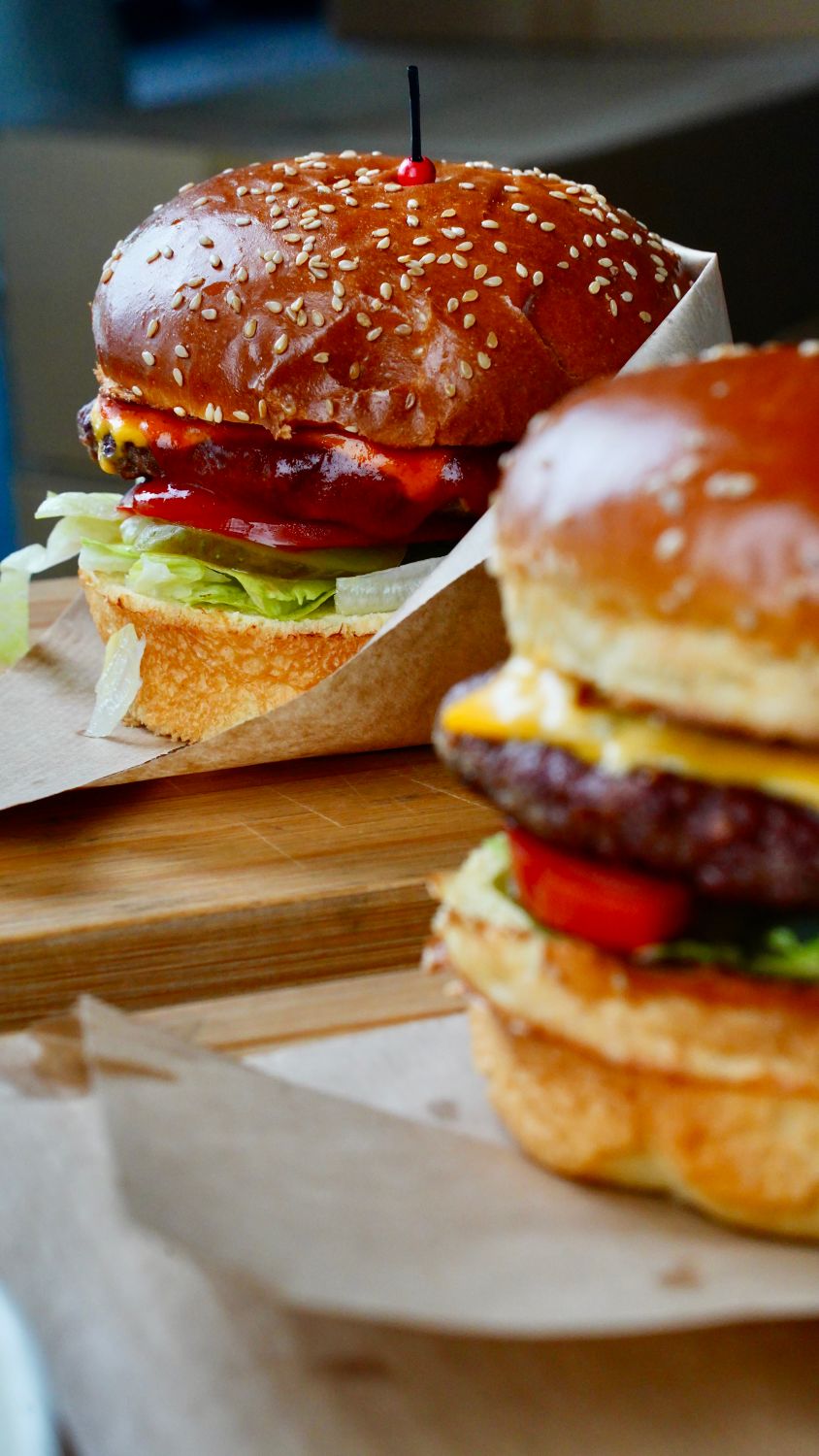
The appeal starts with contrast: a browned, salty exterior wrapped around a softer center. Rutledge’s recipe introduction describes “the golden brown, shiny crust; the salty topping; and the soft, chewy interior.” That combination is the point, rather than color alone. A pretzel roll brings its own flavor and texture to a sandwich, giving the bread a more noticeable role instead of asking the filling to do absolutely everything.
The signature step is a baking soda bath before the rolls enter the oven. McKenney explains that this treatment contributes to the characteristic pretzel flavor, chewy exterior, and deeper golden-brown color. In other words, shaping ordinary dough into a bun and sprinkling salt on top is not the whole process. The brief trip through the pot is part of what separates a pretzel roll from an everyday dinner roll wearing a salty hat.
The dough itself doesn’t require an obscure shopping list, though the two recipes take different approaches. McKenney uses water, yeast, butter, brown sugar, salt, and all-purpose flour, plus coarse salt for finishing. Rutledge’s version uses bread flour and nonfat dry milk, along with water, butter, instant yeast and salt. Choose one complete recipe rather than mixing its dough with another recipe’s bath instructions; the methods use different proportions and timings.
How to Get That Deep-Brown Crust at Home
For burger-sized buns, Rutledge’s recipe is a useful starting point. The dough combines 540 grams of bread flour, 28 grams of nonfat dry milk, 397 grams of warm water, 28 grams of unsalted butter, two teaspoons of instant yeast, and three-quarters of a teaspoon of table salt.King Arthur recommends weighing the flour, or gently spooning it into a measuring cup and leveling it. Knead until the dough is smooth and slightly sticky, then cover and let it double, about an hour.
After it rises, gently deflate the dough and divide it into 10 portions of about 100 grams each. Shape each portion into a smooth ball, then flatten it to about three inches across. Place the rounds on a lightly greased baking sheet or greased parchment, cover, and rest for 15 minutes. Meanwhile, preheat the oven to 400°F and place a rack in the center. Shaping is straightforward, but those measured portions keep the intended bun size consistent.
Next, bring two quarts of water, one tablespoon of table salt, and one-quarter cup of baking soda to a boil in a large pot. Following Rutledge’s method, lower only as many buns as will fit in a single layer, with space around them. Cook seam-side down for 30 seconds, turn them over, and cook for another 30 seconds. Lift them out with a slotted spoon and return them to the baking sheet.
While the buns are still warm from the water, sprinkle them with coarse salt and cut a half-inch-deep cross into the top of each with a sharp knife or bread lame. Bake according to the recipe’s detailed instructions for 20 to 24 minutes, until deep-dark brown, then transfer to a rack to cool. Keep those timings attached to this particular recipe: McKenney’s stronger baking soda bath calls for only 20 to 30 seconds total and warns that longer soaking can produce a metallic taste.
Related: Porter’s Burger King Is Getting a New Look: Here’s What Customers Can Expect
Build a Better Sandwich and Plan for Leftovers
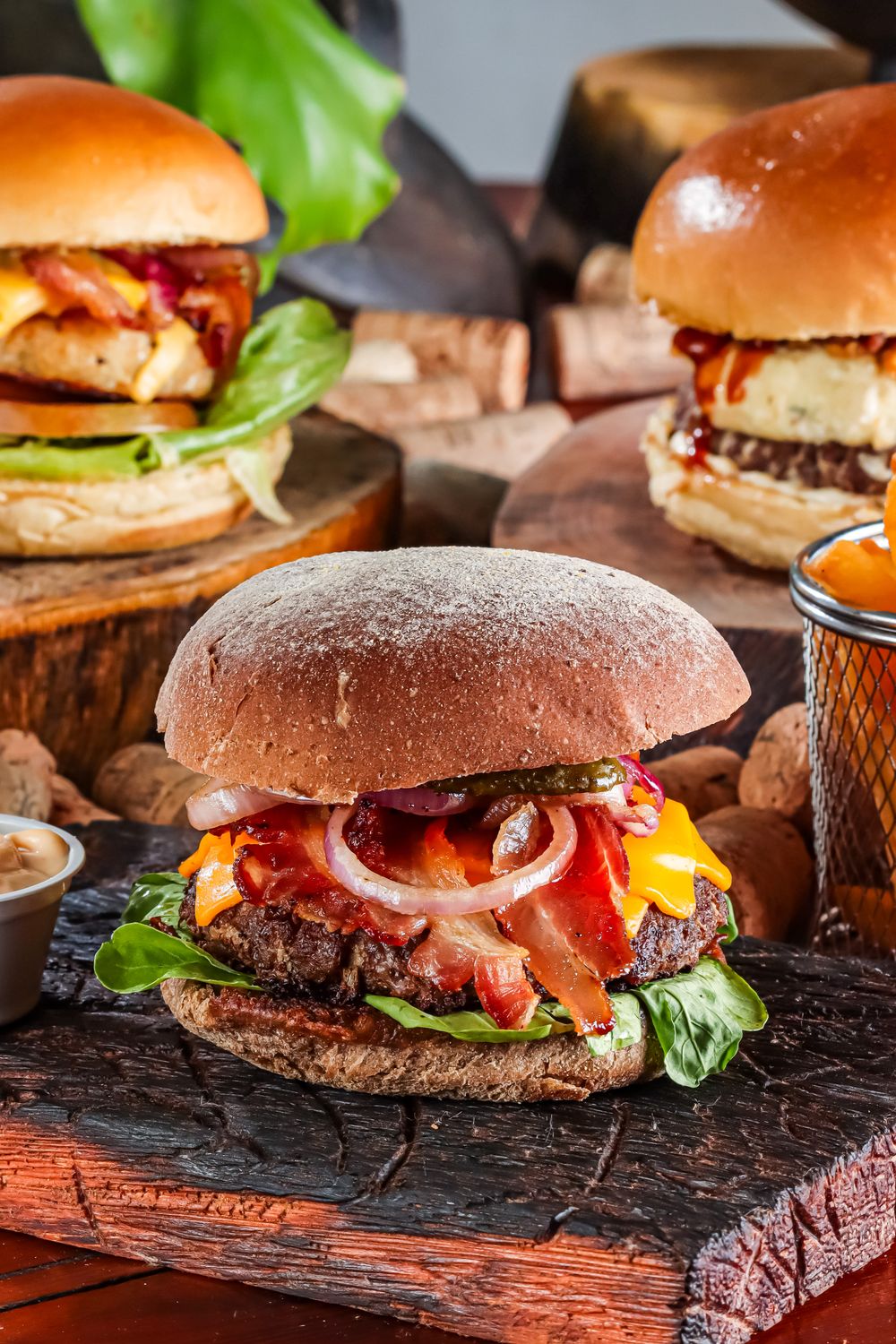
Once the rolls are ready, burgers are only the beginning. McKenney recommends ham-and-Swiss sandwiches, while King Arthur suggests an elongated variation for grilled sausage with peppers and onions or bratwurst with sauerkraut. Those longer buns require a different shaping approach: Rutledge’s instructions divide the dough into eight portions rather than 10. You can therefore shape the filling around the format instead of trying to squeeze every sandwich into the same round roll.
They also have a life beyond sandwich duty. McKenney suggests serving the rolls with soup, beer cheese dip, or honey butter, making them an option for the bread basket as well as the burger plate. King Arthur notes that its buns are best enjoyed fresh on baking day. That makes a same-day batch a good fit when the bread is meant to be the meal’s main attraction, not an afterthought.
If you are baking ahead, the salt topping deserves special attention. McKenney advises leaving it off rolls that will be stored because it draws moisture to the surface, which can leave them soggy and wrinkled inside a closed container. For her recipe, cool the unsalted rolls completely, then freeze them airtight for up to three months. When serving, brush the frozen rolls with melted butter, add coarse salt, and warm at 350°F for about 20 minutes, or until heated through, saving that finishing flourish for when it counts.