Think You Don’t Like Fennel? A Hot Oven Might Change Your Mind
Fennel can make an awkward first impression. The pale bulb looks a little like an onion, the stalks resemble celery, and those feathery green fronds suggest something from the herb garden. Take a raw bite, and its licorice-like flavor hits you immediately. But roast it, and the conversation changes: the crunch softens, the edges brown, and that assertive flavor becomes gentler. If raw fennel has never been your thing, the roasted version deserves a separate audition.
That transformation is what makes fennel worth considering for ordinary dinners, not just recipes that require a special shopping trip. It roasts with little more than olive oil, then sits comfortably beside chicken, fish, pork, or a vegetarian main. No elaborate sauce or complicated technique is needed. The key is choosing the right cut, giving it room on the pan, and cooking until the center is tender rather than stopping when the outside just looks good.
Roasting Reveals Fennel’s Sweeter Side
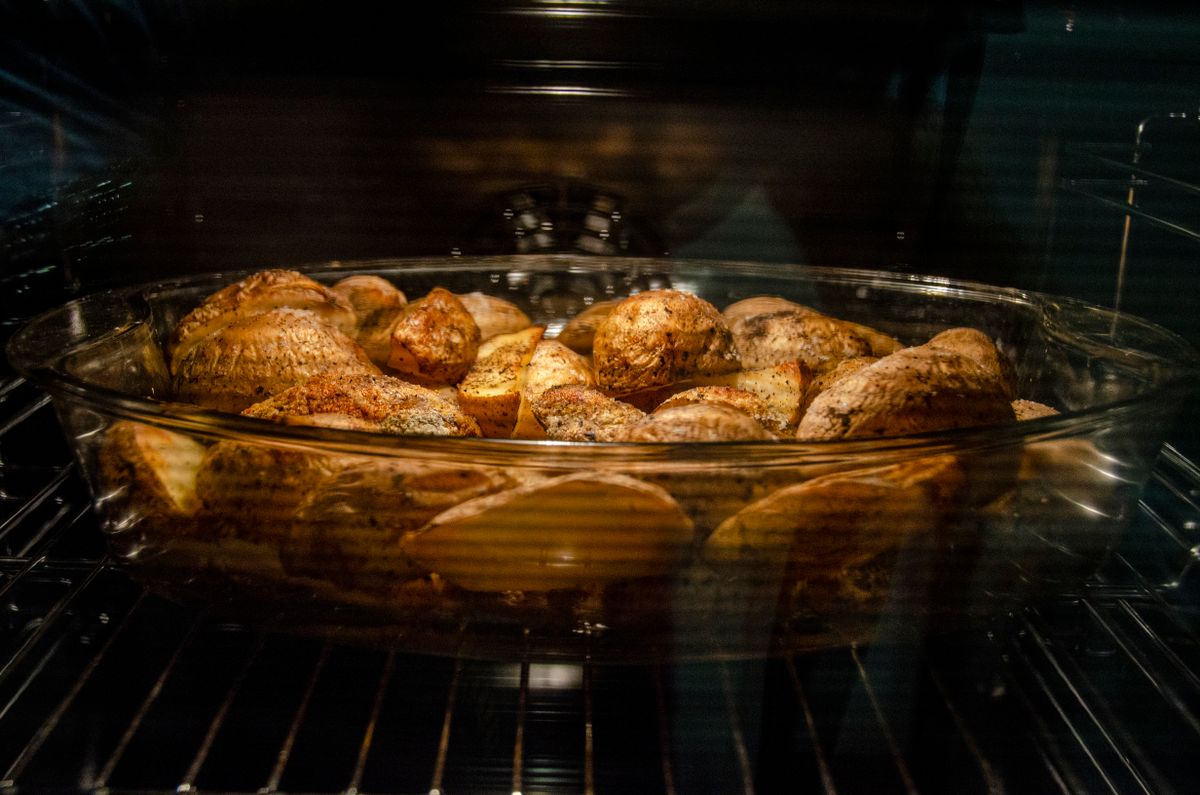
Raw and roasted fennel offer noticeably different eating experiences. Raw slices provide a cool, celery-like crunch and a pronounced licorice note, making them useful in salads. In the oven, fennel loses that crispness and develops browned edges around a softer interior. Simply Recipes founder Elise Bauer describes the shift clearly: “The licorice notes that were so discernible when the fennel was raw leave only a hint when roasted.” That does not mean the flavor disappears completely, but it becomes less dominant.
Cookbook author Domenica Marchetti makes a similar case in her roasted fennel recipe for The Mediterranean Dish. “Simplicity really is best to let its flavor shine,” she writes, pairing the wedges with olive oil, herbs, lemon zest, and Parmesan. Her approach treats fennel as a vegetable with its own appeal, rather than something that needs disguising. The cheese adds a savory finish, while lemon zest brings brightness without requiring a separate dressing or another saucepan on the stove.
The difference is worth remembering if your only encounter with fennel was an aggressively crunchy salad. A roasted wedge is softer and more mellow, while a thin slice can develop crisp, browned edges. Those textures also make fennel more flexible at dinner: substantial wedges work as a plated side, and smaller roasted pieces can move onto pasta, pizza, or salad. The vegetable stays recognizable, but the preparation changes what it contributes to the meal.
A Simple Pan of Roasted Fennel Is Easy to Make
For a minimal introduction, Bauer’s recipe needs two fennel bulbs, two tablespoons extra-virgin olive oil, and about two teaspoons balsamic vinegar. Cut off the stalks, halve the bulbs lengthwise, and cut them lengthwise again into one-inch wedges. Heat the oven to 400°F. Toss the wedges with enough oil to coat them, then add the vinegar. Line a roasting pan with a silicone baking mat or lightly oiled foil, arrange the fennel, and roast for about 40 minutes.
Look for wedges that are cooked through and beginning to caramelize at the edges, rather than treating 40 minutes as an automatic finish line. Slice thickness matters, which explains why another recipe may call for considerably less oven time at the same temperature. Minimalist Baker’s thinly sliced version, for example, roasts at 400°F for approximately 20 to 25 minutes. Those timings belong to different cuts; a thick wedge should not be expected to cook like a thin slice.
For that quicker approach,Minimalist Baker uses one large fennel bulb, one tablespoon olive oil, ½ teaspoon each garlic powder and dried thyme, and ¼ teaspoon each salt and black pepper. Remove the stalks, halve the bulb, cut out the triangular core, and thinly slice the halves. Toss everything together on a parchment-lined baking sheet and arrange it in a single layer. Bake for 15 minutes, toss, spread the slices out again, and cook for another five to 10 minutes.
The finishing checks are practical: golden edges and a center that yields when pierced with a fork. Watch closely toward the end so thin pieces do not burn. If increasing the batch, use additional baking sheets rather than abandoning the single-layer arrangement. This is where spacing earns its place alongside seasoning: the published method calls for slices spread across the pan, not piled into a heap. Follow one complete approach first, then judge whether you prefer substantial wedges or smaller, crisp-edged pieces.
Related: The Cozy Soup Formula You’ll Want on Repeat When Dinner Feels Impossible
Put It Beside Dinner, Then Find Another Use for the Tops
Roasted fennel fits into meals that already have a clear main attraction. Bauer recommends it with roast chicken, fish, or seafood,while Marchetti pairs her Parmesan version with dishes including pork chops and vegetarian baked ziti. Those combinations offer a useful starting point without turning the vegetable into another project. Serve the fennel warm alongside the main, letting its browned edges and mellow flavor provide contrast rather than carrying the entire plate.
Pizza is another particularly practical destination. Marchetti suggests topping dough with tomato sauce, mozzarella, and dollops of ricotta, then scattering roasted fennel over it before baking. Minimalist Baker also recommends roasted slices on pasta and salads. These are useful serving ideas, not a reason to combine every topping at once. Choose the dish you are already making and let fennel join it, whether that means a few pieces across a pizza or a warm vegetable addition to pasta.
Finally, do not assume everything above the bulb belongs in the trash. Marchetti recommends saving the tough stalks for vegetable or chicken broth and mincing the fronds like other fresh herbs. Minimalist Baker also suggests using the fronds in salads or pesto, where their fresher licorice character can remain noticeable. The bulb may be the roasting star, but the tops have their own jobs, giving one purchase more than one place in everyday cooking.