No Frogs, No Broth, All South Carolina: The Real Story Behind Frogmore Stew
Frogmore stew has a name that practically demands an explanation before anyone picks up a shrimp. Despite what it suggests, this South Carolina favorite contains no frogs, and cooks usually drain the cooking liquid before serving. What remains is a generous spread of shrimp, corn, smoked sausage, and, in many versions, potatoes. It is a seafood boil with a memorable name and a strong connection to the community that helped make it famous.
Also called Lowcountry boil or Beaufort stew, the dish takes its Frogmore name from a community on St. Helena Island in Beaufort County. Its best-known origin story involves shrimper Richard Gay, a National Guard cookout, and a practical way to feed hungry people. But the history deserves more than a neat invention tale. Local archival research records competing accounts, while the Levine Museum of the New South connects its communal cooking traditions to Gullah Geechee foodways.
First, What Exactly Is Frogmore Stew?
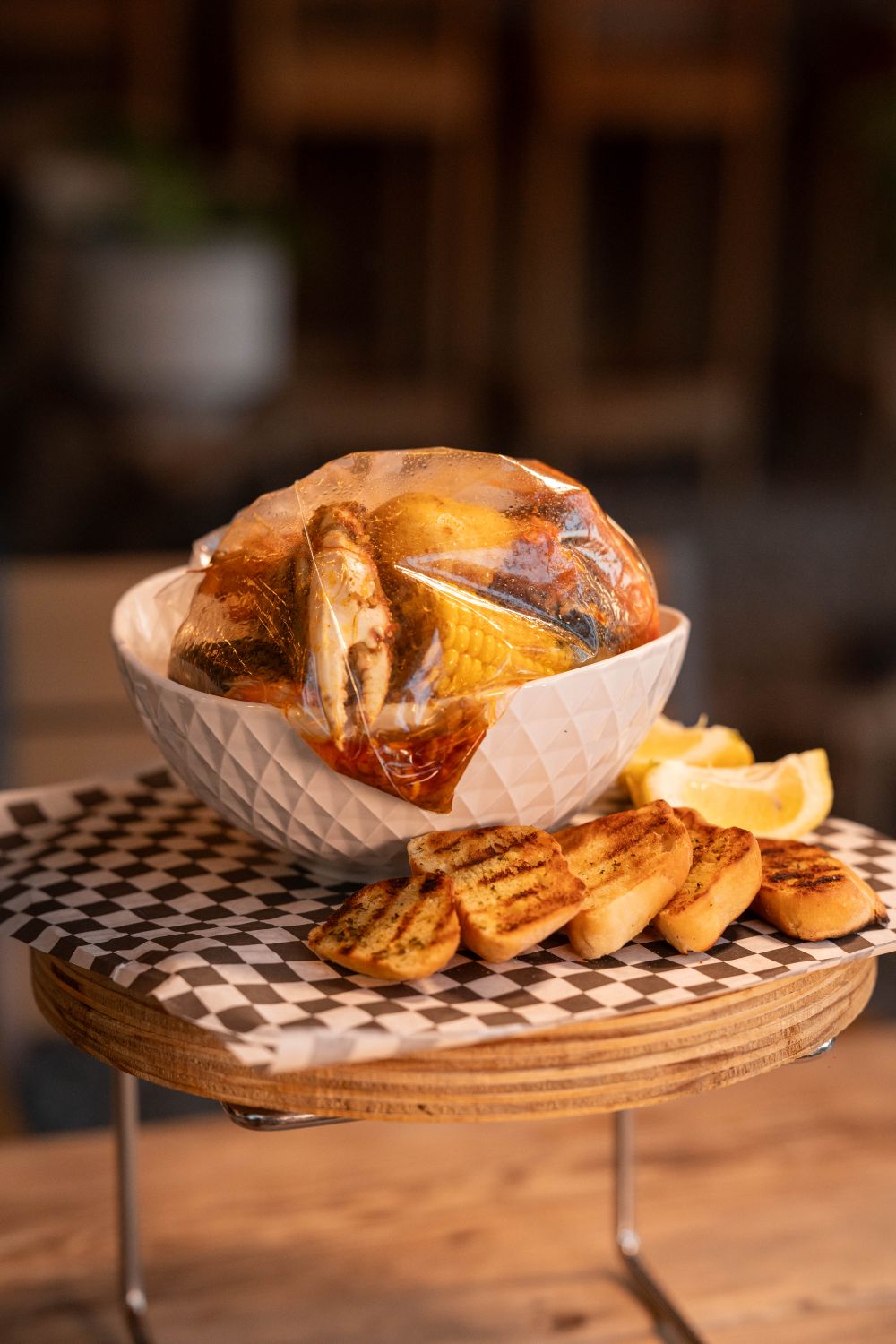
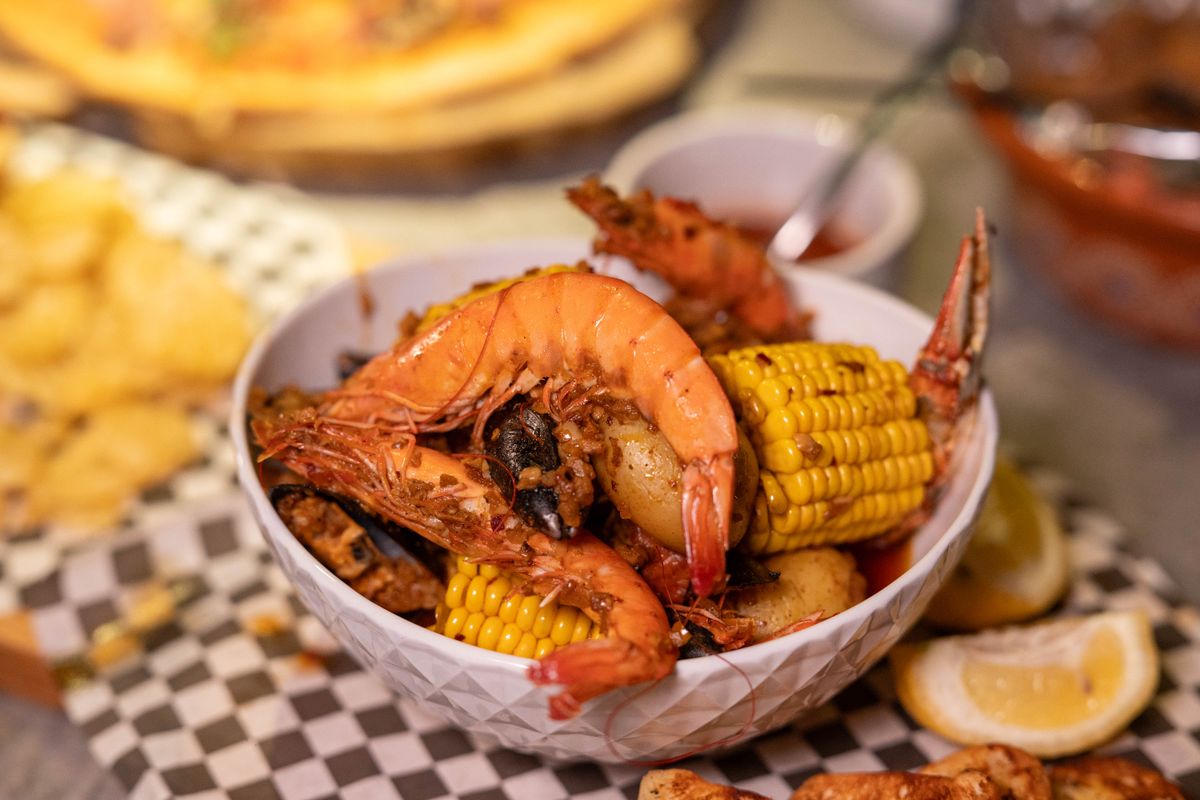
Think of Frogmore stew as a seafood feast rather than a bowl of soup. Shrimp, sections of corn on the cob, and smoked link sausage form its familiar foundation, with potatoes appearing in many recipes and blue crab in some. Seafood seasoning flavors the cooking water, and the ingredients go into the pot in stages. Once everything is cooked, the liquid is drained, leaving the food ready to share.
There is no single ingredient list that settles every friendly argument about what belongs in the pot. A recipe preserved by the Beaufort County Library’s Beaufort District Collection makes potatoes optional, while another includes crabs and enough shrimp to feed 30 people. Gay Fish Company’s current party pack includes shrimp, sausage, corn, red potatoes, onions, and Old Bay seasoning. Those variations help explain why two cooks can serve recognizably similar meals without following identical recipes.
The presentation is part of the attraction, especially when the meal feeds a crowd. The Levine Museum describes lining a table with newspaper and spreading the drained food across it, allowing guests to gather and help themselves. Hot sauce, mustard, cocktail sauce, and other condiments can accompany the feast. It is an arrangement built around sharing, with the food placed within reach rather than divided into carefully composed individual servings.
A Shrimping Community, a National Guard Cookout, and a Name That Stuck
The most widely repeated account centers on Richard Gay of Gay Fish Company on St. Helena Island. According to the company’s own history, Gay prepared a cookout using leftovers while serving on National Guard duty in Beaufort during the 1960s. He then brought the recipe back to Frogmore, distributed copies at the seafood market, and sold the ingredients needed to make it. That gave customers both instructions and supplies in one stop.
Even the family’s account suggests that cooking the meal and naming it were not necessarily the same achievement. “Buster Gay started cooking this for the family. Richard Gay named it Frogmore Stew,” the company’s website states. The Levine Museum recounts a version in which Gay’sfellow guardsmen teased him about his hometown and suggested its name for the dish. These accounts place Gay firmly in the story, but they do not erase other local explanations.
The Beaufort District Collection preserves that uncertainty rather than forcing a single answer. Local historian Gerhard Spieler believed shrimpers developed the meal from ingredients they had available, while Captain Woody Collins recorded several possible beginnings in his book, Where Have All the Shrimp Boats Gone? “There is more than one version of how Frogmore Stew came to be, and the smoke has not yet settled on this,” Collins wrote. His accounts include shrimpers pooling seafood and corn in a communal pot.
Gay nevertheless played an important role in promoting the dish beyond one cookout. The library’s historical account records his claim that the Steamer Restaurant on Lady’s Island became the first establishment to offer it commercially after opening in October 1982. It also notes his campaign to have Frogmore stew declared South Carolina’s official seafood dish. The designation did not happen, so calling it an official state dish would give a local favorite a title it never received.
Related: 16 Items Grandma Had in Her Pantry That Younger Generations Rarely Keep Today
The Deeper Tradition Behind the Big Pot
The broader cultural history reaches beyond the question of who first used the name. The Levine Museum connects the dish’s cooking methods, ingredients, and communal character to Gullah Geechee traditions.It describes communities descended from enslaved West Africans preparing one-pot meals with available seafood and vegetables to serve large gatherings, especially for celebrations. That context matters because popularizing a named recipe is different from originating the food traditions that helped shape it.
Still, cultural roots should not become an excuse to invent an unbroken, centuries-old recipe. The Beaufort District Collection records a 1991 interview with Emory Campbell, then executive director of Penn Center on St. Helena Island. Campbell did not remember eating anything resembling the present-day combination while growing up, although boiled shrimp had long been part of Sea Island life. Another island native, Agnes Sherman, likewise recalled no similar traditional recipe and preferred the broader name “Lowcountry Stew.”
The evidence therefore supports a distinction: The modern dish and its catchy name have a relatively recent, contested history, while its shared-pot character fits into older regional food traditions. That does not make the meal any less meaningful. It makes its story more interesting than a tidy claim that one person invented everything in a single afternoon. Around a table of shrimp, corn, and sausage, Frogmore stew carries both a particular community’s name and the Lowcountry’s larger tradition of feeding people together.