Could Food Shortages Be Coming? 7 Items to Keep on Hand
A well-stocked pantry can make a difficult week feel a little easier. Severe weather, power outages, and other unexpected disruptions can temporarily turn an ordinary grocery trip into a challenge. That does not mean a nationwide food shortage is coming, but keeping a few extra staples at home is a practical way to prepare for interruptions.
The Federal Emergency Management Agency (FEMA) recommends maintaining at least a three-day supply of nonperishable food, with an emphasis on items your household already enjoys and foods that require no refrigeration or cooking and little or no water.
The goal isn’t to fill every cabinet or rush to the grocery store. It’s to have familiar ingredients ready when normal shopping becomes difficult. These seven pantry essentials are a sensible place to start.
Rice
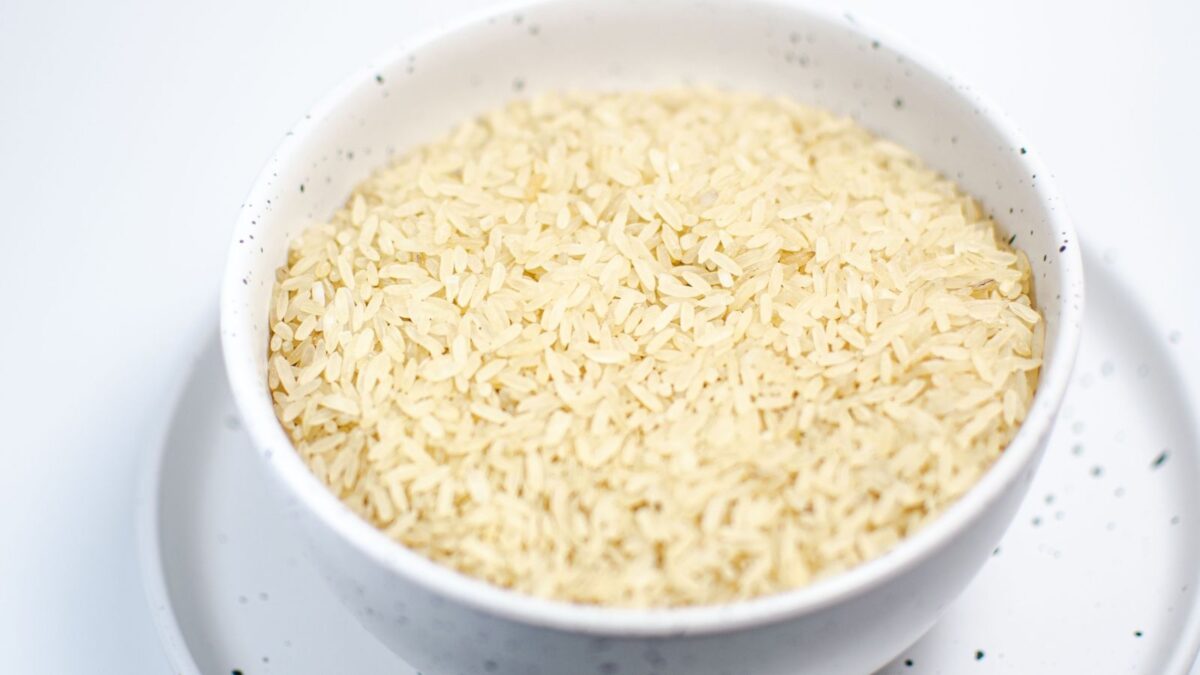
Rice is one of those quiet kitchen staples that can turn a few simple ingredients into a satisfying meal. It works with canned beans, vegetables, and other pantry favorites, making it useful long after an emergency has passed.
A bowl of rice topped with canned beans and corn is an easy meal idea when you have access to cooking equipment. The USDA identifies rice as a shelf-stable food, meaning it can be stored without refrigeration under appropriate conditions.
However, ordinary dry rice requires safe water and a working cooking method. It is a practical pantry staple, but it cannot replace ready-to-eat food when cooking becomes impossible.
Dried Pasta
Few pantry ingredients offer the everyday flexibility of dried pasta. A simple box can become dinner with canned vegetables, shelf-stable fish, or other ingredients already sitting in your kitchen. Pasta tossed with canned peas and tuna is one straightforward option when fresh groceries are unavailable.
The USDA includes dried pasta among foods suitable for shelf storage, making it a convenient ingredient to purchase during regular grocery trips.
There is one important distinction: dried pasta needs safe water and cooking equipment. Refrigerated pasta products also have different storage requirements, so choose the dry, shelf-stable varieties when preparing your pantry.
Canned Beans
Canned beans are especially useful when you want something that fits into several meals without much work.
They can be added to rice bowls, stirred into soups, or combined with other pantry ingredients for a simple bean salad. A can of beans mixed with corn is an easy starting point for a no-cook dish, provided the products are ready to eat.
Commercially canned beans can remain in the pantry unopened when stored according to their labels. The convenience comes with one limitation: once the can is opened, any leftovers need refrigeration. Choosing familiar varieties makes it easier to work them into regular meals.
Canned Vegetables
Fresh vegetables may be part of your regular shopping routine, but canned options give you more flexibility when a trip to the store isn’t possible.
Corn, carrots, peas, and spinach are examples of vegetables available in shelf-stable cans. They can be stirred into rice, added to pasta, or served alongside other pantry foods. A simple pasta dish with canned peas is one way to put them to use.
According to USDA shelf-storage guidance, canned foods should be kept in a cool, dry location. Avoid containers that are bulging, leaking, heavily rusted, or deeply dented, and refrigerate any leftovers after opening.
Canned Fruit
A pantry filled entirely with dinner ingredients can feel a little repetitive. Canned fruit brings something different to the shelf, offering a convenient snack or accompaniment to everyday meals.
Peaches, pears, pineapple, and mixed fruit are familiar options that can be kept unopened without refrigeration when their packaging permits shelf storage. A small bowl of canned peaches can make a simple snack when fresh fruit isn’t available.
Different categories of canned foods have different storage guidance, so it’s important to follow product labels rather than assume every can lasts the same amount of time. Once opened, any remaining fruit should be refrigerated.
Peanut Butter
Some pantry foods require several steps before they’re ready to serve. Peanut butter keeps things simple. Open the jar, spread it on crackers, and you have a convenient snack without turning on the stove or boiling water. That makes it particularly practical when cooking facilities are temporarily unavailable.
FEMA’s emergency preparedness guidance specifically identifies peanut butter as an example of food worth considering for an emergency supply.
Of course, household preferences and allergies matter. Choose products that everyone who will use them can safely eat, and follow the storage directions printed on the package.
Shelf-Stable Canned Meat or Fish
When cooking isn’t an option, ready-to-eat canned meat or fish can help make a limited pantry feel more useful. Canned tuna, canned chicken, and certain shelf-stable fish pouches are convenient options. Tuna mixed with canned beans, for example, can become a simple meal without requiring a stove.
FEMA includes ready-to-eat canned meats among emergency food examples, and the USDA recognizes tuna and chicken sold in shelf-stable pouches.
However, not every packaged meat or seafood product belongs in the pantry. Anything labeled “Keep Refrigerated” must be stored accordingly. Always check the label before storing or serving these products, and refrigerate leftovers after opening.
A Practical Pantry Beats Panic Buying
Preparing for a temporary grocery disruption doesn’t require an overflowing shopping cart. A thoughtful collection of familiar foods can make everyday meal planning easier and provide useful options when ordinary routines are interrupted.
The key is choosing items that work together. Rice and dried pasta are valuable cooking staples, but they require safe water and working cooking equipment. Ready-to-eat options become particularly important when those resources aren’t available.
Keep a manual can opener accessible, include safe drinking water in your emergency plans, and remember that opened canned-food leftovers require refrigeration.
Most importantly, buy reasonable amounts of foods your household already uses. A prepared pantry should provide convenience and peace of mind, not become another reason to worry.