6 Lunch Meats That Were Popular in the ’70s You Rarely See Anymore
Remember when the deli counter offered more than turkey, ham, and roast beef? Back in the 1970s, grocery shoppers could choose lunch meats filled with olives, pickles, peppers, and other ingredients that might look unusual today. Some had funny names, others had colorful slices, and a few were definitely an acquired taste. Although many still exist, they aren’t always the first things shoppers spot at the supermarket. Here are six old-school lunch meats that deserve another look.
Olive Loaf
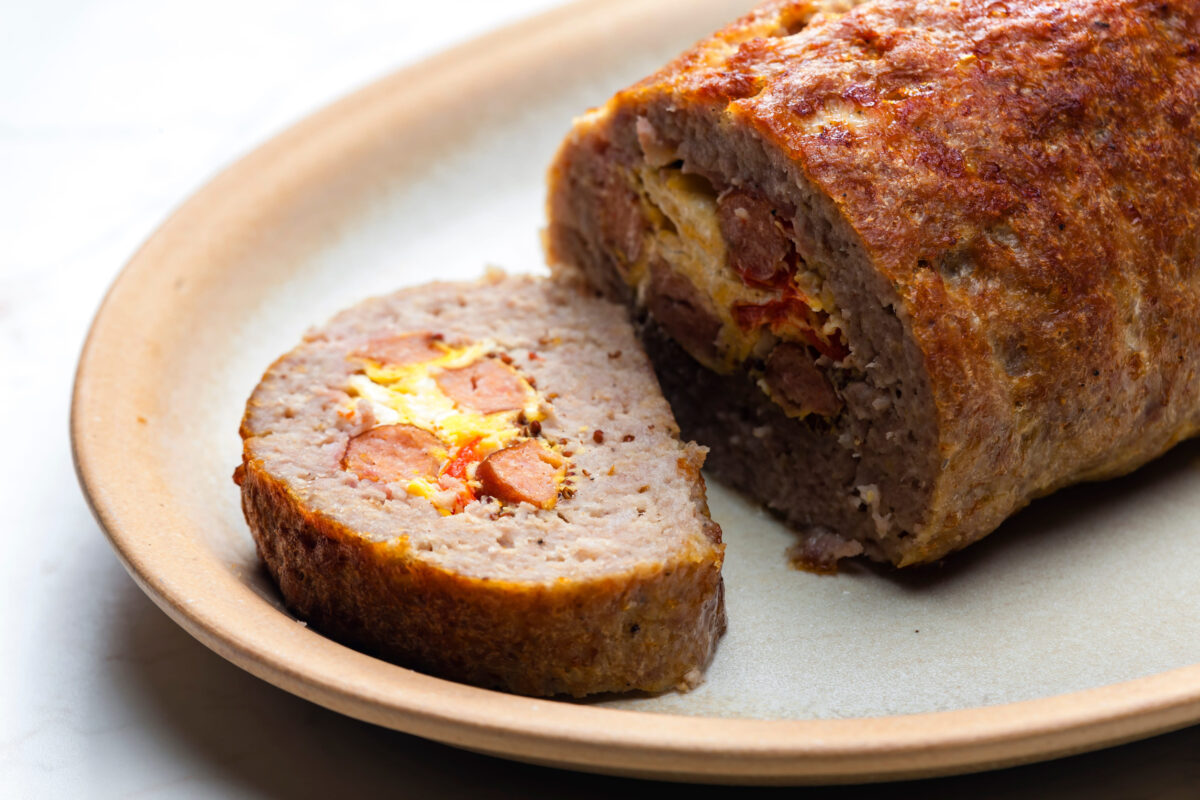
Imagine cutting into a slice of bologna and discovering little green circles staring back at you. That was part of olive loaf’s charm. This luncheon meat featured green olives embedded throughout the loaf, often stuffed with bright red pimientos.
Olive loaf was advertised in Maryland and Texas grocery stores during the 1970s. Its colorful appearance made it easy to recognize among ordinary cold cuts.
Interestingly, some modern versions contain sweet pickles and red peppers alongside the olives. Dietz & Watson still makes a classic version, proving this unusual sandwich filling hasn’t completely disappeared.
For anyone tired of predictable deli meats, olive loaf remains an interesting throwback.
Pickle-and-Pimiento Loaf
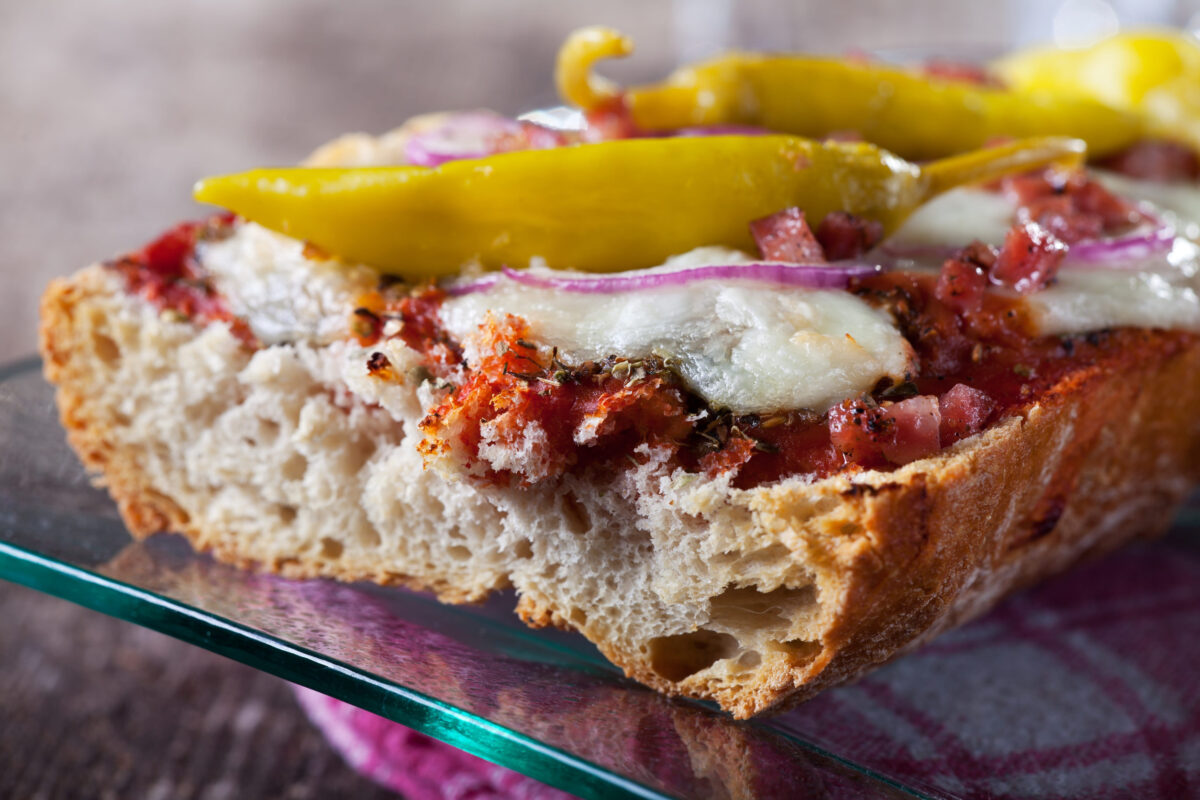
Who decided that pickles belonged inside lunch meat? Whoever it was certainly gave sandwich lovers something different to talk about.
Pickle-and-pimiento loaf combined meat with chopped pickles and red peppers, creating colorful slices with a distinctive appearance.
Grocery advertisements from 1973 and 1974 show that pickle loaf was available to shoppers during the decade. The name might sound unusual today, but it was familiar enough to appear alongside other everyday luncheon meats.
Here’s a detail worth knowing: the pickles weren’t necessarily sour dill pickles. Dietz & Watson’s version uses sweet pickles.
The loaf survives today, although finding it may require looking beyond your usual package of sliced ham.
Old-Fashioned Loaf
With a name like old-fashioned loaf, this lunch meat was practically asking to become a nostalgic favorite.
Unlike olive loaf or pickle loaf, it didn’t need colorful vegetables to stand out. Its appeal came from its coarse-ground texture and seasoned meat blend.
Advertisements from Indiana, New York, and Maryland featured old-fashioned loaf in 1973, showing that it had a presence in several grocery markets.
The interesting part is that the name didn’t guarantee one exact recipe. Kretschmar’s version contains pork and beef and is oven-cooked in a smokehouse. Eckrich offers a different blend that also includes chicken and turkey.
Old-fashioned loaf still appears in some deli catalogs and neighborhood markets. Sometimes the old classics simply require a little extra searching.
Liverwurst
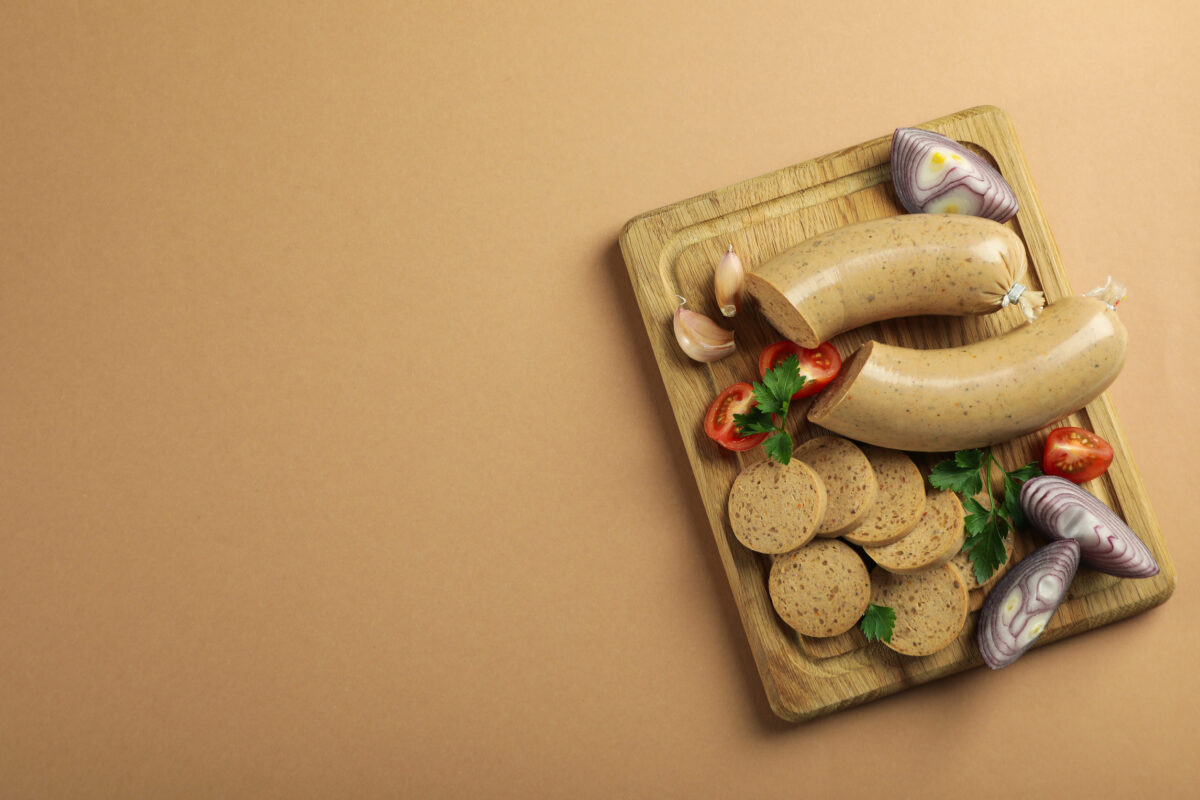
Liverwurst was never going to win everyone over with its name. Still, it had a place in American grocery stores long before today’s familiar deli selections took center stage.
Made with liver and other meat ingredients, liverwurst came in different varieties and textures. Braunschweiger is one related type that shoppers may recognize.
A 1973 A&P advertisement offered Super-Right liverwurst in chunks. That’s a reminder that lunch meat wasn’t always purchased as neat stacks of identical slices.
Unlike some other meats on this list, liverwurst has a clearly documented modern loss. In September 2024, Boar’s Head announced that it would permanently discontinue its liverwurst following an investigation connected to its Virginia facility.
However, Jones Dairy Farm and other producers still offer liverwurst products. So the category isn’t gone, even though one familiar brand has left it behind.
Head Cheese
Here’s a lunch meat with a name guaranteed to raise eyebrows. Despite what it sounds like, head cheese isn’t cheese at all.
It’s a sliceable preparation made with pieces of pork, sometimes including tongue or snout, held together in a loaf.
Head cheese appeared in 1970s grocery advertising, and the USDA recognized it as a separate food category during its 1977–78 household food survey.
Recipes vary considerably. Some contain gelatin, others don’t. Some include vinegar, giving the preparation a different character.
Today, specialist producers such as Karl Ehmer continue selling it, with cold slices served alongside rye bread and mustard.
It may never be everyone’s first sandwich choice, but head cheese remains one of the more distinctive old-school deli offerings.
Luxury Loaf
Luxury loaf sounds like something reserved for a fancy dinner party, doesn’t it? Yet it appeared in ordinary grocery advertisements during the 1970s.
Trunz luxury loaf was promoted in a New York newspaper advertisement in March 1973. Other advertisements that year show the name appearing in regional grocery markets.
The tricky part is that luxury loaf wasn’t necessarily one standardized recipe.
Today’s Schaller & Weber Leberkase Luxury Loaf contains finely ground pork, beef, and pork liver. It’s baked into a loaf with a crust and can be served cold or heated.
A Kansas processor, Fanestil Meats, also lists luxury loaf among its products.
That means the name hasn’t disappeared entirely. It simply belongs to a corner of the deli world that many modern shoppers may never explore.
A Little Deli Nostalgia Goes a Long Way
The 1970s deli counter offered an interesting mix of flavors, textures, and creative combinations. Some meats featured colorful vegetables, others relied on traditional recipes, and a few had names that could start a conversation before lunch even began.
These six varieties haven’t all vanished, and their nationwide decline isn’t equally documented. But they offer a fascinating glimpse into the choices advertised to grocery shoppers decades ago.
Next time you’re browsing the deli section, look past the usual turkey and ham. You might discover that a forgotten favorite is still hiding in plain sight.