6 Popular Snacks That Aren’t Quite What You Think
A familiar name on a snack package can tell you what to expect from the flavor, but it doesn’t always reveal much about what’s inside. Words like “whole grain,” “low fat,” “veggie,” and “unsweetened” can catch your attention while leaving out details about other ingredients.
That doesn’t mean the packaging is necessarily misleading. It simply means there’s often more to the story than the front label can explain.
From granola bars to banana chips, these six popular snacks show why taking a closer look at ingredients can reveal some unexpected details about everyday favorites.
Nature Valley Oats ‘n Honey Granola Bars
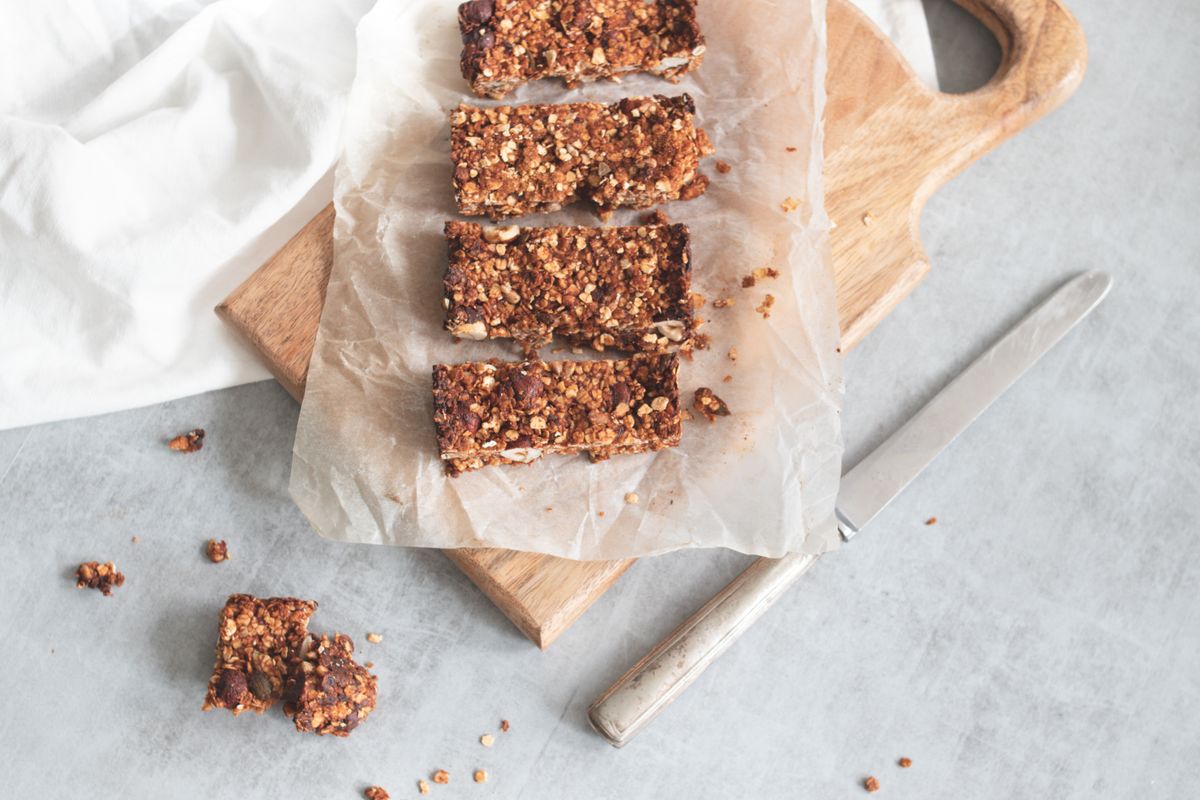
Granola bars are easy to associate with simple ingredients, especially when the packaging highlights oats and honey. Nature Valley Oats ‘n Honey Crunchy Granola Bars do contain whole-grain oats, just as their name suggests. However, the ingredient information tells a more detailed story.
Along with oats and honey, the product contains sugar and brown sugar syrup. According to Nature Valley’s product information, these ingredients contribute to the sweetness of the bars. The distinction matters because “whole grain” describes one characteristic of the product rather than its entire ingredient list.
If you’re choosing granola bars based on particular ingredients, checking the back of the package gives you a clearer picture than relying on the familiar name alone.
Yoplait Original Strawberry Low Fat Yogurt
The words “low fat” can easily become the first thing shoppers notice on a yogurt container. However, that description doesn’t tell the full story of how the yogurt gets its sweetness.
Yoplait Original Strawberry Low Fat Yogurt is a good example. The product contains both naturally occurring sugar from dairy and added sugar. Yoplait’s nutrition label makes a distinction between total sugar and added sugar rather than presenting them as interchangeable figures.
That distinction is worth understanding when comparing flavored yogurt varieties.
The takeaway isn’t that strawberry yogurt is somehow a poor choice. It’s that “low fat” refers to the product’s fat content, not every ingredient used to make it. Reading the full label can help shoppers understand exactly what they’re purchasing.
Sensible Portions Garden Veggie Straws
With their colorful appearance and vegetable-themed name, Garden Veggie Straws might sound like a straightforward vegetable snack. But their ingredients reveal a different kind of product.
According to the listed ingredients for Sensible Portions Garden Veggie Straws Sea Salt, potato starch, potato flour, and corn starch appear first. Tomato paste and spinach powder also appear in the ingredient list.
In other words, the familiar straws are a manufactured snack made with starch-based ingredients and vegetable components, rather than simply sliced vegetables that have been dried. There’s nothing mysterious about that preparation method once you read the label.
It’s a useful reminder that a product’s name and appearance can highlight certain ingredients without explaining how the finished snack is actually made.
Snyder’s of Hanover Mini Pretzels
Pretzels have a reputation for being straightforward. They’re crunchy, salty, and often promoted as a baked snack. Snyder’s of Hanover Mini Pretzels fit that familiar description, but their product label provides additional information worth noticing.
A one-ounce serving, approximately 19 mini pretzels, contains 250 milligrams of sodium and less than one gram of fiber. Those details don’t make the product unusual or automatically better or worse than another snack. They simply provide information that the word “baked” cannot communicate.
It’s also important not to exaggerate what the figures mean. For shoppers comparing different pretzel varieties, the ingredient list and serving information can reveal differences that otherwise aren’t obvious from the packaging.
Ocean Spray Original Craisins
Dried cranberries are easy to picture as fresh cranberries with the moisture removed. However, Ocean Spray Original Craisins involve another ingredient that helps define the finished product: sugar.
The company’s foodservice ingredient specification lists cranberries and sugar, with refined sunflower oil identified separately as a processing aid. Ocean Spray also explains on its Whole & Juicy dried cranberry product page that sugar is added because cranberries have a naturally tart flavor.
That makes the added sweetness part of the product’s preparation rather than something shoppers should automatically assume comes entirely from the fruit. Of course, this doesn’t mean every dried-fruit product uses the same recipe.
The practical lesson is simple: when buying dried fruit, check whether the specific product contains fruit alone or additional ingredients.
Nuts.com Unsweetened Banana Chips
Banana chips might deliver the biggest surprise on this list, particularly when the package describes them as unsweetened. It’s natural to imagine banana slices that have simply been dried until crunchy.
But Nuts.com’s Unsweetened Banana Chips are prepared differently. According to Nuts.com’s product description, the chips contain bananas and coconut oil. The banana slices are cooked in the oil to create the finished product.
That preparation method explains why they’re different from plain dried banana slices. The word “unsweetened” describes the absence of added sweeteners, but it doesn’t mean that no other ingredients or preparation steps are involved.
It’s also important to recognize that banana chips aren’t all made the same way. Baked, air-dried, freeze-dried, and oil-cooked versions can be quite different products. For anyone expecting nothing but dried bananas, the ingredient list provides an important clarification.
Snack packaging is designed to communicate quickly, which means the front label rarely tells the complete story. Whole-grain granola bars can contain several sweetening ingredients, veggie straws can rely on potato and corn starch, and unsweetened banana chips can be cooked in coconut oil.
None of these details automatically make a product good or bad. They simply show why familiar descriptions don’t replace actual ingredient information.
The next time a snack catches your eye, a quick look at the ingredient list might tell you something the front of the package doesn’t.