Your Garden Doesn’t Have to Look Bare All Winter. These 7 Beautiful Plants Prove It
Winter can make a garden look as though someone packed away the decorations and forgot to replace them. But flowers are only part of what makes a landscape interesting. Bright stems, exposed berries, textured bark, and upright grasses can keep a yard looking intentional after its summer display disappears. A few carefully chosen plants can give you something to enjoy without counting the days until spring.
The secret is contrast, not expecting every plant to flower through freezing weather. Some of these choices supply color for an extended stretch, while others deliver a shorter late-winter performance. Your climate and the variety you choose will influence the timing, especially with flowers. Here are seven plants that bring different strengths to the winter garden, plus the details you should know before you buy.
Bright Stems and Berries That Wake Up a Quiet Border
Red-Twig Dogwood
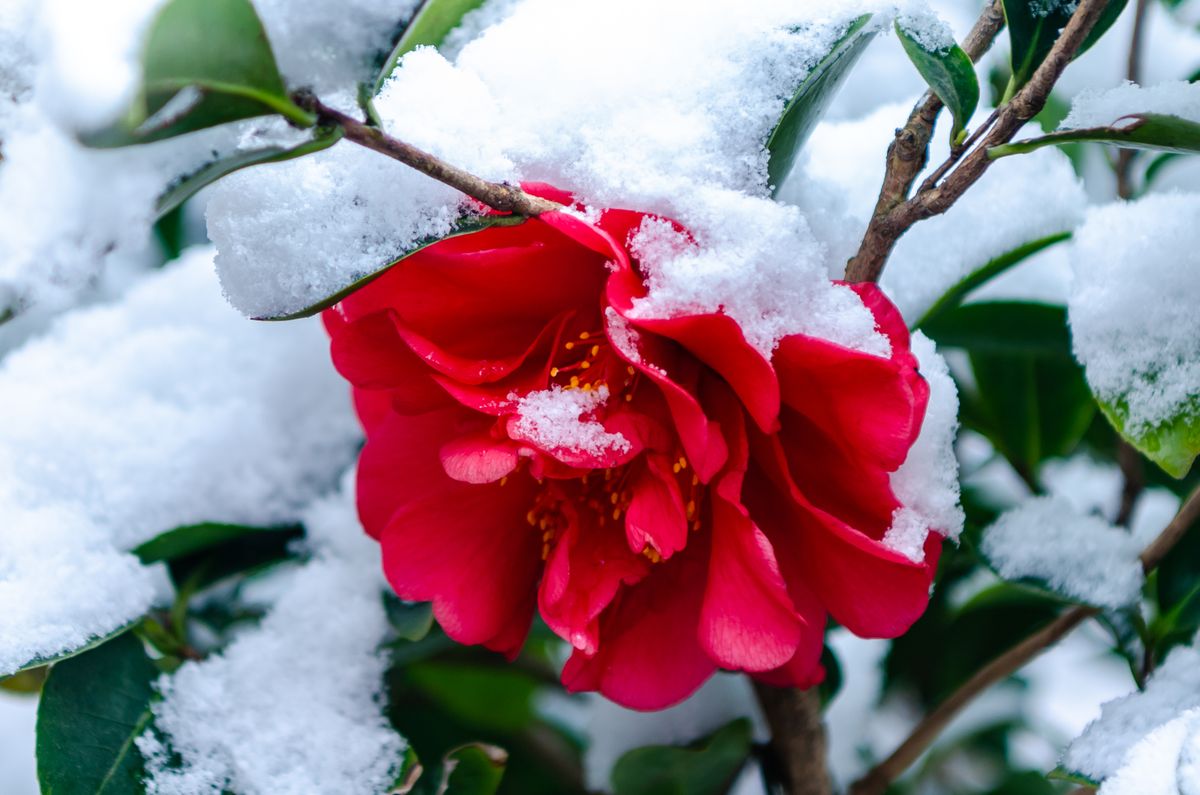
Red-twig dogwood (Cornus sericea) makes bare branches look like a design decision. Its reddish stems become especially striking in winter, standing out against snow or darker planting. Missouri Botanical Garden describes the species as a spreading, suckering shrub that typically reaches 6 to 9 feet tall without pruning. That means it needs room, even if the little nursery pot suggests otherwise.
Young stems provide the strongest color, so managing older growth helps maintain the display. Place it where the branches are visible from a window, rather than hiding it behind taller shrubs. This species naturally occurs around wetlands and waterways, but it isn’t equally well-suited everywhere. Missouri Botanical Garden cautions that hot, humid summers south of USDA Zone 7 can stress plants and make them more vulnerable to disease.
Winterberry Holly
Winterberry (Ilex verticillata) takes a different approach to winter beauty: It loses its leaves and lets its fruit do the decorating. Female plants produce bright berries that become easier to appreciate once the foliage falls. The effect is particularly useful in a garden dominated by brown stems and empty space. For a smaller planting, ‘Red Sprite’ offers a more compact option, reaching roughly 3 to 5 feet tall.
There is one essential catch behind those berries: You need a male plant to pollinate the female. Choose a compatible pollinator rather than bringing home a lone female shrub and hoping for a spectacular fruit display. Illinois Extension recommends full sun to partial shade and moist, well-drained soil, although winterberry tolerates wet sites. Check the cultivar’s eventual dimensions, since some selections grow considerably taller than ‘Red Sprite.’
Winter Flowers That Make a Walk Outside Worthwhile
Ozark Witch Hazel
Ozark witch hazel (Hamamelis vernalis) delivers flowers when finding any can feel like a small victory. Its fragrant, ribbonlike blooms range from yellow to blood red. Writing for Illinois Extension, horticulture educator Christopher Enroth explains that flowering can occur “from January to April,” depending on the cultivar and location. That variation is important: A winter-flowering label does not promise the same calendar in every backyard.
Check the botanical name before purchasing, because common witch hazel (Hamamelis virginiana) flowers in fall rather than following the same schedule. Ozark witch hazel also needs space to behave like a substantial shrub. It can produce suckers and form colonies,making it suitable for woodland borders, hedges, or screens. Removing suckers helps maintain a more defined specimen when you don’t want a spreading colony.
Hellebores
Hellebores bring nodding flowers to shaded places that might otherwise offer little to inspect in late winter. Commonly sold as Christmas rose or Lenten rose, they do not necessarily bloom when their names suggest. In Illinois, they typically flower in February and March, with Christmas rose (Helleborus niger) generally preceding Lenten rose (Helleborus orientalis). Treat those names as introductions, not appointment reminders.
Their foliage can contribute to the winter display, although severe cold without protective snow may turn leaves brown. Remove damaged foliage, and fresh growth will follow in spring. These perennials suit partial to full shade and reach about 18 inches tall. They are also poisonous, an important consideration when deciding where to plant them around children or animals that may chew garden plants.
Related: 8 Clever Composting Tricks to Turn Food Scraps Into Garden Gold
Snowdrops
Snowdrops (Galanthus species) prove a plant doesn’t need to be large to get noticed. Their small, white flowers arrive toward winter’s end or early spring, depending on the species and local conditions. Enroth describes February flowers emerging through snow in his Illinois account. Elsewhere, the RHS documents winter displays that continue into March, reinforcing why local timing matters more than a universal bloom date.
Plant these flowers where you will actually see them. Enroth recommends planting snowdrops beside pathways or within sight of a window, rather than losing their delicate details in a distant border. A woodland-style location beneath deciduous trees can suit them. Their foliage eventually yellows and disappears as they enter dormancy, so treat them as a seasonal feature rather than permanent groundcover.
Bark and Grasses That Keep the Garden Looking Finished
‘Karl Foerster’ Feather Reed Grass
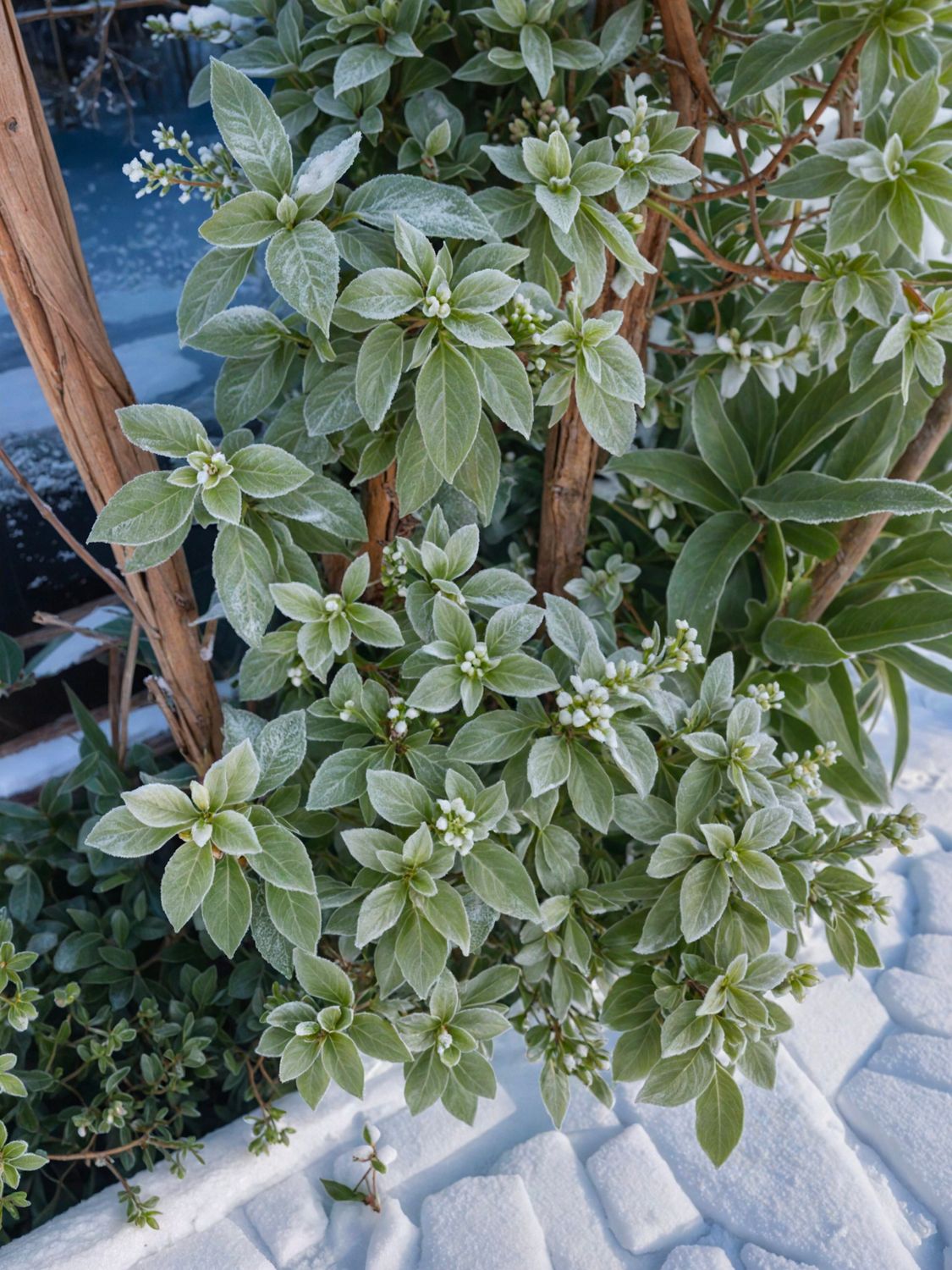
‘Karl Foerster’ feather reed grass (Calamagrostis × acutiflora ‘Karl Foerster’) brings height and an upright outline when softer perennial growth has faded. Its appeal is architectural rather than floral during winter. Missouri Botanical Garden highlights its erect habit, while Minnesota Extension identifies tall grasses as useful sources of winter interest. Leaving the clumps standing preserves that structure instead of turning the whole border into a cleanly clipped blank.
This grass prefers consistently moist soil and can perform well in heavy clay, so do not assume it wants the dry conditions associated with some ornamental grasses. Give it a sunny position and account for its moisture needs when choosing companions. Missouri Botanical Garden recommends cutting clumps back in late winter, just before new shoots appear. No need to rush that job into autumn.
Paperbark Maple
Paperbark maple (Acer griseum) offers a winter feature that does not depend on flowers or fruit: peeling, coppery cinnamon-brown bark. Once the leaves fall, the trunk and branches become easier to appreciate. Its textured surface gives the garden a focal point through the bare season. Missouri Botanical Garden describes a tree that usually matures to 20 to 30 feet, although some specimens can grow taller.
Choose its position with that mature size in mind, not just its slow growth or “small tree” description. Missouri Botanical Garden lists a spread of roughly 15 to 25 feet and recommends full sun to partial shade. A location visible from the house lets you enjoy the bark without venturing outside on every cold morning. Give it space and a clear sightline, and winter becomes part of its appeal rather than its off-season.