Before You Bake: 6 Times to Rethink Your Glass Dish
The macaroni is bubbling, dinner is nearly ready, and the recipe suggests a quick trip under the broiler. Your glass baking dish has handled the oven perfectly so far. Surely another minute won’t matter?
That assumption is where an otherwise ordinary meal can take an unwelcome turn. Glass bakeware has specific limits, and a dish that works beautifully for one cooking method may not suit another.
The food itself usually isn’t the problem. Temperature, direct heat, and sudden changes matter more. These six preparations deserve a closer look before you reach for your favorite glass dish.
Broiler-Finished Mac and Cheese
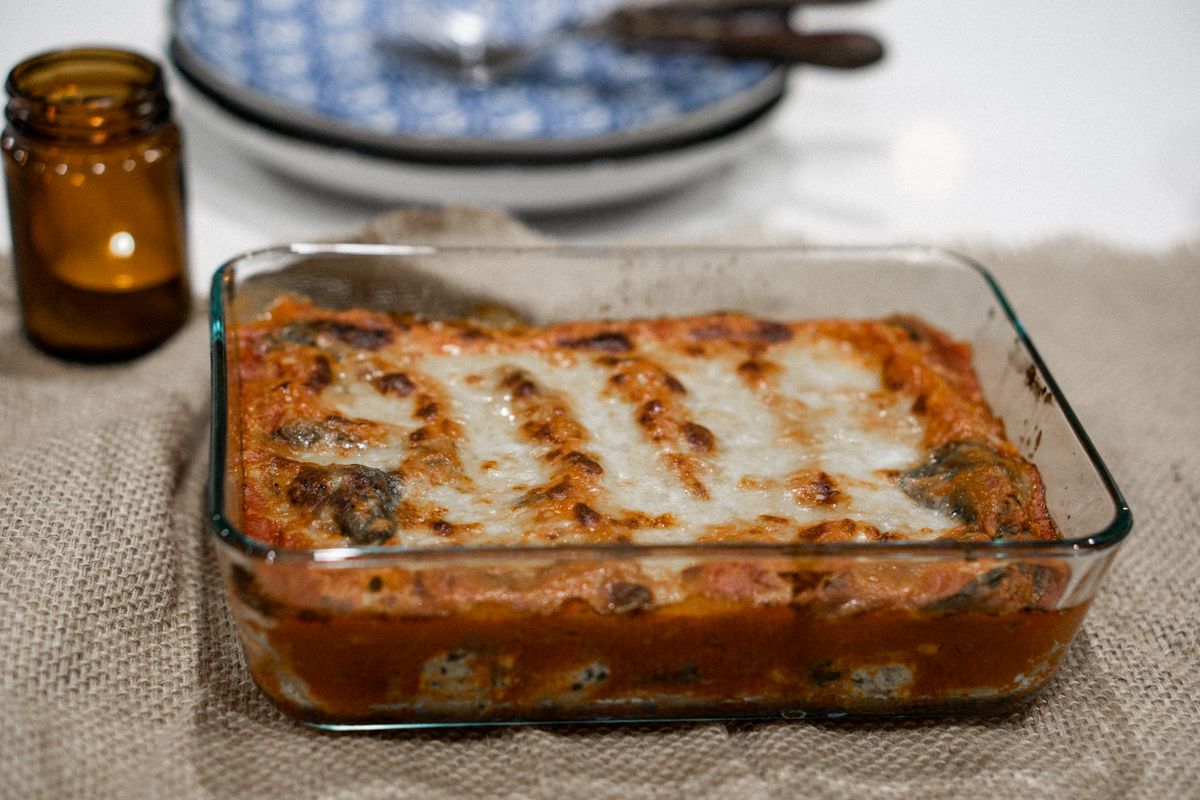
A golden cheese topping can make baked macaroni feel complete, but broiling requires cookware approved for that job. Anchor Hocking specifically prohibits putting its glass bakeware under a broiler. Conventional oven approval does not include permission to use direct broiler heat.
The tempting exception is always the same: you only need a minute. Yet a short finishing step is still part of the cooking method, and the manufacturer’s restriction doesn’t disappear because dinner is almost ready.
If broiling is essential to your recipe, choose a broiler-rated metal pan from the beginning. Otherwise, use a recipe that develops its topping during conventional baking within your dish’s approved limits. The same thinking applies to nachos or fish. Check how the meal finishes before deciding what vessel should hold it.
Pizza baked at Very High Temperatures
Homemade pizza often inspires cooks to crank up the oven and chase a deeply browned crust. Before doing that with glass, compare the recipe’s temperature with the rating for your exact dish.
Anchor Hocking’s care instructions permit its glass bakeware in preheated conventional or convection ovens up to 425°F. That is a product-specific limit, not a universal rule for every brand. A recipe calling for 475°F exceeds that stated allowance.
Choose a pizza stone, baking steel, or metal pan rated for the required temperature instead. Check its instructions, including any preheating requirements.
King Arthur Baking’s testing also found that a preheated baking stone improved pizza crust crispness. Suitable equipment can support the result you want, rather than simply serving as a substitute for the dish already sitting on your counter.
Gravy started on the Stovetop
Roasting dinner leaves behind flavorful drippings, and making gravy in the same vessel sounds wonderfully efficient. Unfortunately, a glass baking dish should not become a saucepan just because it saves washing up.
Anchor Hocking prohibits using its glass bakeware on a stovetop or other direct heat source. Moving it onto a burner is outside its intended use.
Pour the drippings into a suitable saucepan, then follow your gravy recipe there. You still get to use what collected during roasting without asking the baking dish to perform another job.
If you regularly make pan sauces, keep that step in mind when choosing your roasting cookware. A metal roasting pan approved for both oven and stovetop use can simplify the process. Approval for one appliance should never be assumed to cover another.
Frozen Casseroles headed Straight for the Oven
A frozen lasagna feels like a gift from your organized past self until you realize the container needs its own cooking plan.
Anchor Hocking allows freezer storage but instructs users not to transfer its glass dishes directly from the freezer into a preheated oven or microwave. It says to thaw the food before cooking or reheating.
The distinction matters when preparing meals ahead. A container’s freezer approval tells you where it can store dinner; it doesn’t automatically say how to cook it afterward.
Follow the manufacturer’s directions and an appropriate thawing plan. For a recipe intended to bake from frozen, choose suitable cookware before assembling it. Don’t improvise a cold-oven workaround when the dish’s instructions require preheating. Convenience begins with matching the container to the entire recipe.
Roasts needing Extra Liquid Halfway Through
The roast looks promising, but the bottom of the dish seems dry. Reaching for broth feels like an easy correction, especially when everything is already hot.
Anchor Hocking says not to add liquid to a hot glass dish. Its directions also call for liquid covering the bottom before cooking foods that may release liquid.
Plan for those instructions before the roast goes in. When a recipe calls for repeated additions of broth or wine, a suitable metal roasting pan may be the more practical choice.
Brownies Following Unchanged Metal-Pan Directions
Brownies fall into a different category: oven-safe glass can work, but the results may change. King Arthur Baking explains that glass heats more slowly than metal and retains heat longer. Its brownie comparison produced harder, crunchier outer edges in glass.
A batch that needs extra time in the center can leave you repeatedly opening the oven while the edges grow firmer. That is frustrating when you expected the same texture as your last metal-pan batch. King Arthur’s general guidance is to lower the baking temperature by 25°F when substituting glass and allow more time.
Follow the recipe’s specific instructions when available, and keep the dish within its temperature rating throughout. For predictable results, use the specified pan or follow glass-specific directions.
Let the Recipe Guide the Pan
Check the cooking method before gathering ingredients. Reading the final step first can save you from discovering halfway through dinner that your dependable casserole dish was the wrong tool for tonight’s recipe.