7 Small Ways Grandma Kept Household Costs Down
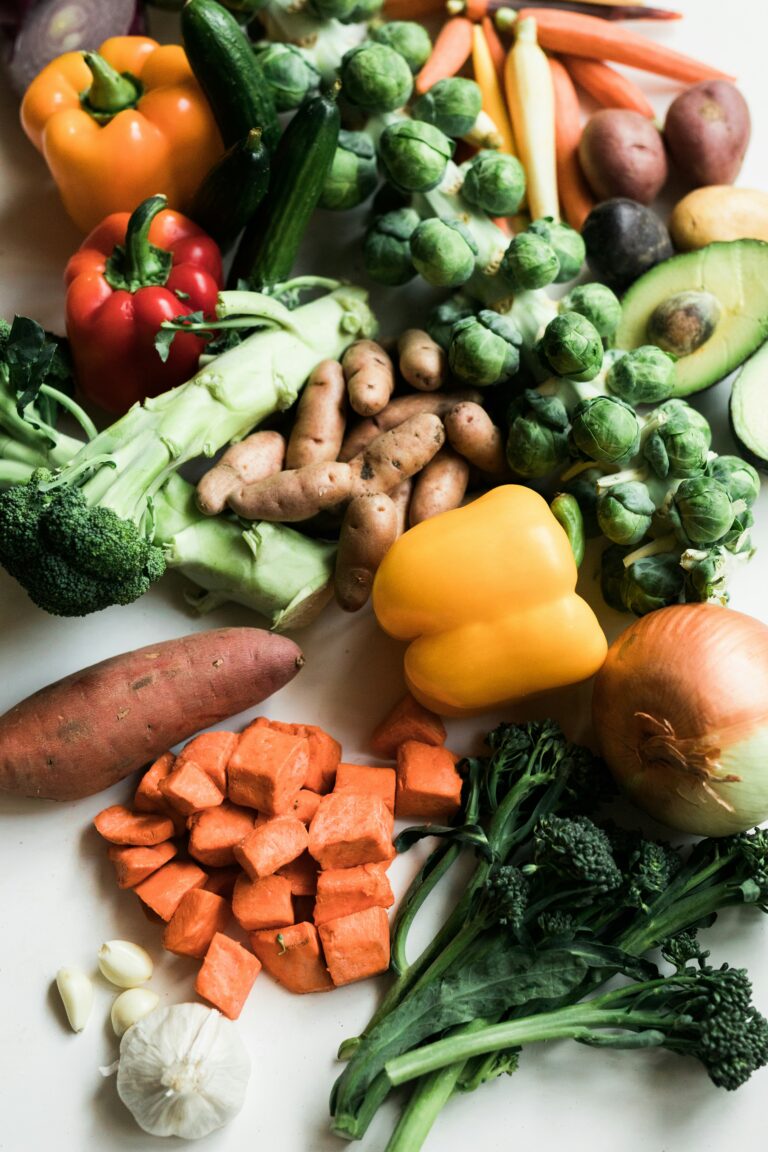
Grandma could open a refrigerator that looked empty to everyone else and spot dinner. Two baked potatoes sat on a plate, a little cheese in its wrapper, and half an onion that needed using. By the time she called everyone to the table, the odds and ends had become a meal.
Every household had its own version of that ingenuity. Some grandmothers could make a coat last through three children. Others knew exactly how much rice to cook so there would be enough for lunch the next day. Stretching a budget took time and effort, especially when money was tight. A few of those habits still make everyday spending easier, even when the shopping list lives on your phone.
She found a Second Job for an Empty Jar
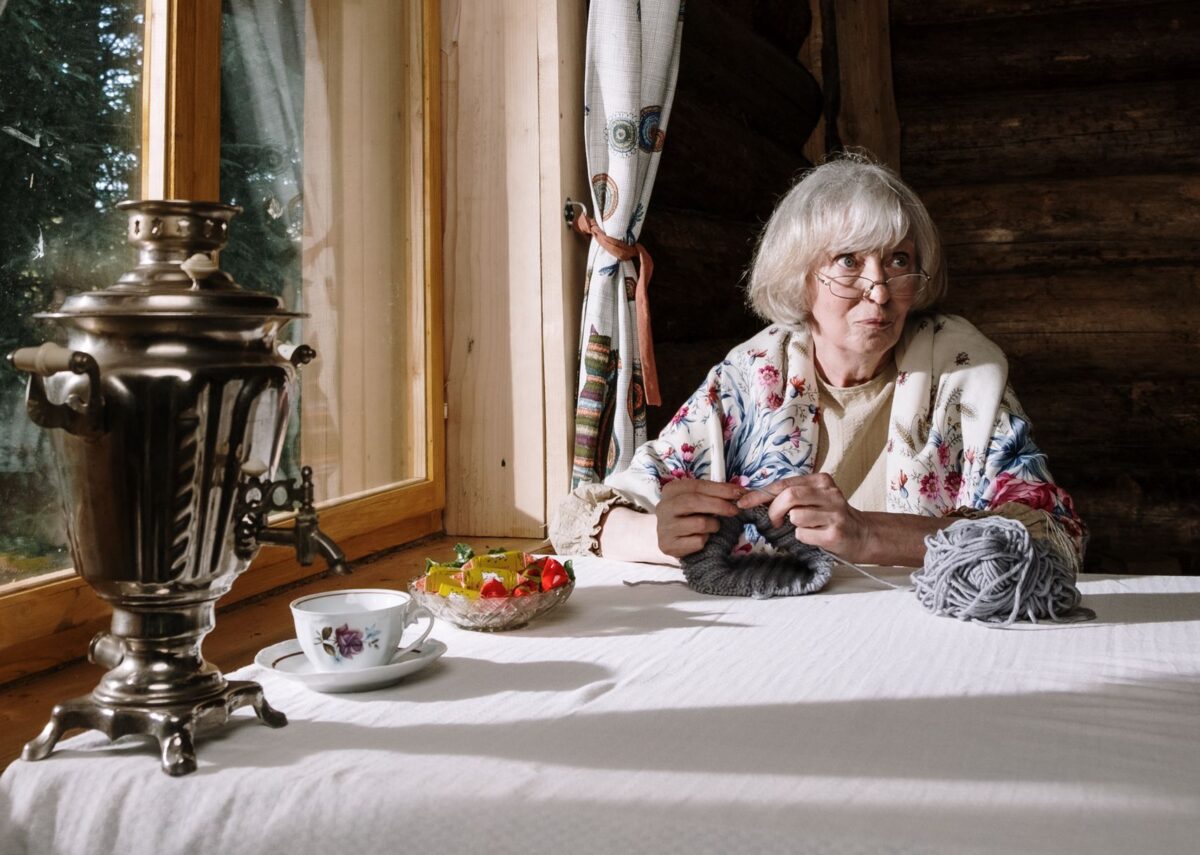
Once the last spoonful of jam was gone, the jar could hold spare buttons. A worn cotton shirt made a good dusting cloth, and a sturdy gift bag could turn up at the next birthday with a different tag.
The trick was having a job in mind. If your desk drawer is full of loose pens, a clean jar might solve the problem before you spend money on an organizer. A shoebox can keep scarves from sliding to the back of a drawer. Give your keepers one shelf or one drawer, so you can find a useful container when you need it.
She knew What to Cook When the Cupboards looked Bare
A few dependable meals could carry a household through the days before the next grocery trip. A can of beans and the last carrot could start a pot of soup. Potatoes could go in the oven while everyone figured out what to put on top.
Pick two or three dinners you can make on an ordinary weeknight, with ingredients you already use. If your family likes pasta, keeping sauce and pasta on hand gives you a plan for the evening you get home late. The EPA recommends keeping a list of meals your household enjoys to make shopping and meal planning easier.
She gave Leftovers Somewhere to Go
Yesterday’s roast chicken could become today’s sandwich, and the vegetables left on the baking tray could go into soup. It helped to decide what the next meal would be while clearing the table, when it was still easy to remember what you had.
Set aside tomorrow’s lunch before you put dinner away. If you roasted peppers and onions, tuck them into a wrap with beans or spread them over toast with a little cheese. Refrigerate or freeze leftovers promptly, label them with the date, and keep them where you’ll see them. The EPA recommends clear containers so food stays visible.
She fixed the Button and wore the Shirt Again
A shirt could spend weeks on the back of a chair waiting for someone to deal with one loose button. With a needle, thread, and a few spare buttons in reach, it could go back into the closet ready to wear.
Start with a repair you’re likely to need. Sewing on a button or closing a small split along a seam can put a favorite piece back into rotation. For something trickier, like a broken zipper on a coat that fits well, ask a tailor what the repair would cost. Then you can weigh that price against what you’d spend to replace it.
She made sure the Bargain would get eaten
A big bag of rice made sense in a house that cooked rice several nights a week. A big bag of something nobody liked was likely to sit untouched, no matter how good the price looked on the shelf.
Compare the unit prices when two packages come in different sizes. Then think about how quickly your household goes through the food, where you’ll store it, and what else you need to buy that week. The EPA points out that buying in bulk saves money when you use the food before it spoils.
She checked the Cupboards Before making the List
A quick look around the kitchen could change the whole shopping trip. There might be enough rice for another meal, a bag of peas in the freezer, or a second bottle of oil tucked behind the flour.
Before you leave for the store, check what you have and write down how much you need. Look ahead at the week, too. If you’ll be out two evenings, you can buy fresh food for the nights you’ll actually cook. The EPA recommends planning meals around what you already have and listing quantities.
She stopped at the Line on the Measuring Cap
It’s easy to give the detergent bottle one extra tilt, especially when a load looks particularly dirty. Check the label for the amount your load calls for and use the lines on the cap to measure it.
Keep open bottles at the front of the cupboard so you can finish one before reaching for another. The same habit comes in handy in the bathroom, where a nearly empty bottle of shampoo can get pushed aside as soon as a new one comes home.
The Best Hand-Me-Down was a Habit
Pick the habit that solves something in your house. Maybe it’s putting tomorrow’s lunch where you’ll see it or sewing the button back onto the shirt you keep reaching for. There’s a quiet satisfaction in getting one more good use out of something you already paid for.