8 Things Boomers and Gen X Still Carry That Younger Generations Often Leave Behind
Ever looked inside your parents’ wallet and wondered why they’re carrying enough paper to run a small office? Between old receipts, handwritten phone numbers, and loyalty cards from stores they barely visit, some wallets look more like miniature filing cabinets.
For many Baby Boomers and Gen Xers, these items aren’t necessarily random clutter. They represent practical habits formed before smartphones could handle everything from payments to appointment reminders.
Younger generations often have digital alternatives, but that doesn’t mean older adults are stuck in the past. Sometimes, having a physical backup simply makes life easier.
Here are eight familiar items that show how everyday habits have changed across generations.
A Checkbook Ready for Almost Anything
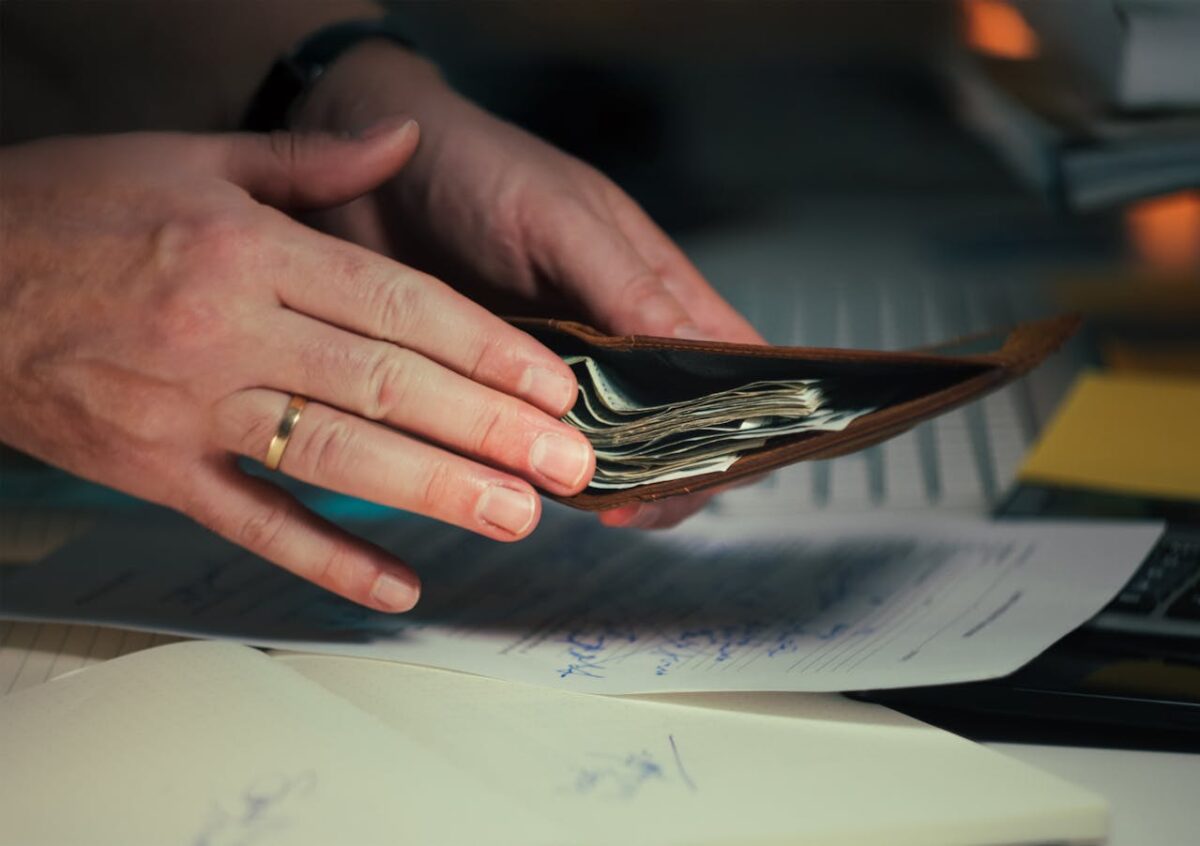
Remember when writing a check was a perfectly normal way to pay someone? For some people, it still is.
A checkbook might seem like an unusual wallet companion today, especially when transferring money can take just a few taps. However, checks remain useful for certain bills, contractors, charitable donations, and government payments.
Research from the Federal Reserve Bank of Atlanta shows just how dramatically check use differs by age.
Adults aged 65–74 averaged approximately 2.45 check payments monthly in its analysis of 2021–2025 data. Those aged 25–34 averaged just 0.17.
Of course, writing checks doesn’t necessarily mean carrying a checkbook everywhere.
Still, the habit makes practical sense. When a business charges extra for cards or prefers traditional payments, having a check available can be convenient.
Cash Tucked Away for Unexpected Situations
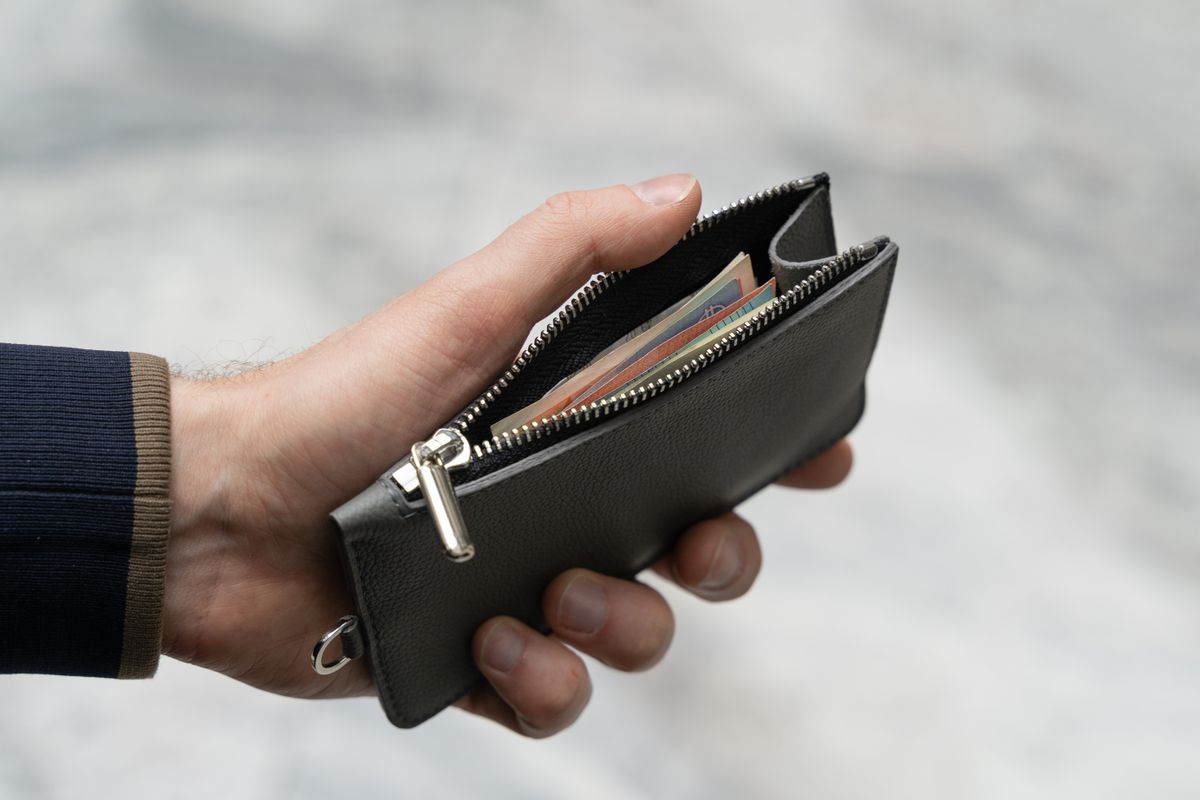
Some people won’t leave home without cash, even when their debit card works perfectly.
Maybe it’s a $20 bill folded behind a driver’s license. Maybe it’s a few smaller bills reserved for parking, tipping, or emergencies.
Whatever the reason, cash remains a popular backup.
According to the Federal Reserve’s 2026 Diary of Consumer Payment Choice, 76% of consumers carried cash in their pockets, purses, or wallets in 2025.
The generational difference becomes clearer when examining spending habits.
Adults aged 55 and older averaged ten cash payments monthly, compared with just two among adults aged 18–24.
That doesn’t mean younger people have abandoned cash. Many still carry it.
But older consumers tend to use it more frequently, making a wallet without bills feel a little less practical.
Paper Receipts From Shopping Trips
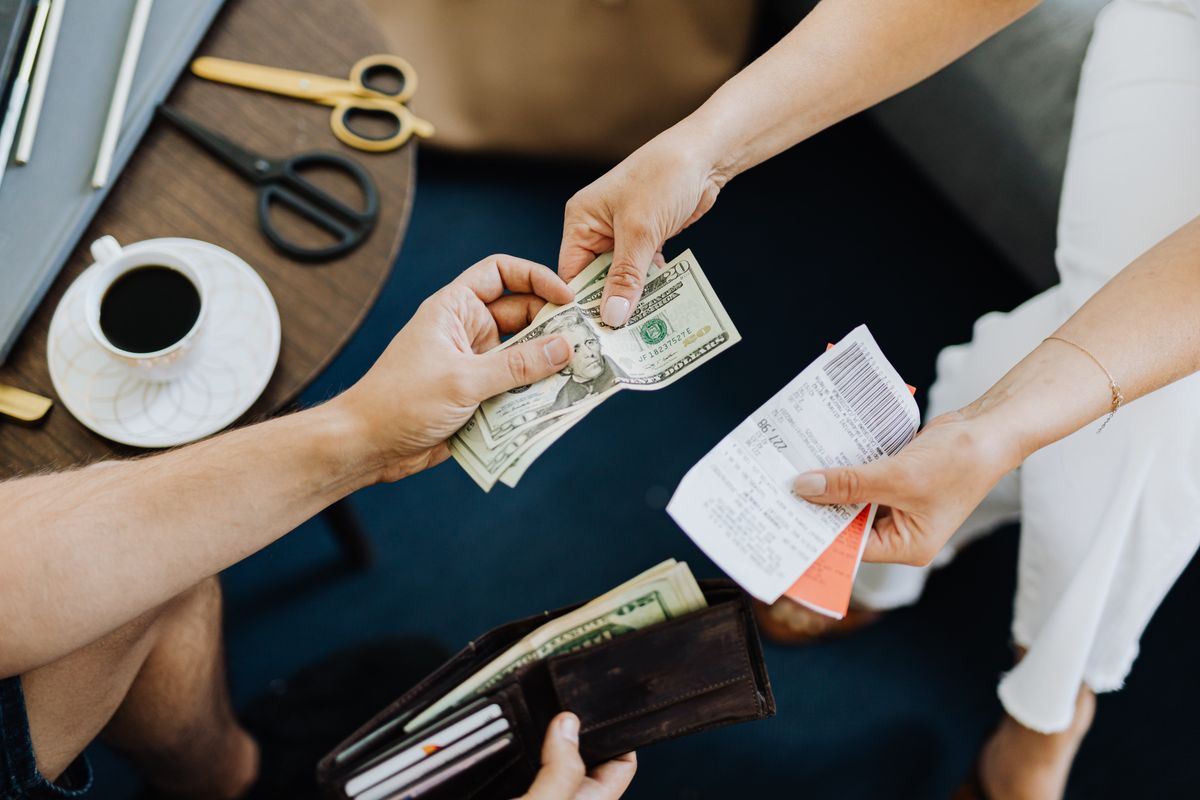
You know that receipt you immediately throw away after buying toothpaste?
Someone else might carefully fold it and place it inside their wallet.
Paper receipts are particularly interesting because they reveal how differently people approach financial records.
A 2018 YouGov survey found that 83% of adults aged 55 and older preferred paper receipts.
Among adults aged 18–24, meanwhile, 17% preferred receiving no receipt at all.
Physical receipts offer several advantages. They’re immediately available, don’t require searching an email inbox, and can help with returns or checking purchases.
Younger shoppers may prefer digital copies, especially when retailers offer email receipts.
Of course, there’s a difference between keeping an important receipt and letting dozens of faded slips pile up.
Even the most organized wallet has its limits.
Physical Store Loyalty Cards
Remember those colorful plastic cards that promised discounts, points, and exclusive shopping rewards?
Many stores still offer them, but mobile apps have changed how shoppers access their accounts.
For people accustomed to physical cards, keeping one in a wallet can be easier than opening an app at checkout.
No password to remember, no app to update, and no need to hunt through a crowded phone screen.
Younger shoppers may find digital loyalty programs more convenient.
A 2016 Urban Airship survey involving American and British consumers found that 69% of respondents said they would be more likely to use a loyalty card if it were available on their phone.
That doesn’t prove older Americans carry more physical loyalty cards. It does show why digital alternatives have become attractive.
Still, a plastic card can be remarkably convenient when you’re standing at the register with impatient shoppers behind you.
A Tiny Address Book Full of Phone Numbers
Before smartphones stored hundreds of contacts, people needed somewhere to write down important phone numbers.
Enter the pocket address book.
These little notebooks often contained names, addresses, telephone numbers, and occasionally mysterious notes that made sense only to their owners.
The Smithsonian has documented historical address books that preserved personal and professional connections.
Today, smartphones handle most of that work automatically.
However, a small address book still has practical advantages.
It doesn’t need charging, won’t lose information because of a software glitch, and can serve as a backup when a phone becomes unavailable.
There’s no strong evidence that Boomers or Gen X still carry these books today.
But for someone who has maintained the same little notebook for years, replacing it might feel unnecessary.
Printed Family Photos Behind the Credit Cards
Before phone galleries became commonplace, carrying a photograph was one of the simplest ways to keep loved ones close.
A small picture of a spouse, child, grandchild, or family pet could easily fit behind a driver’s license.
Today, smartphones can hold thousands of images.
Pew Research Center reported in 2026 that smartphone ownership reached 97% among Americans aged 18–29, compared with 79% among those aged 65 and older.
Of course, owning a smartphone doesn’t determine whether someone appreciates printed photographs.
And there’s no reliable evidence establishing that older adults are significantly more likely to carry wallet photos.
Still, a printed photograph offers something different from scrolling through a gallery.
You can pull it out instantly, share it without unlocking a screen, and enjoy a physical keepsake.
Sometimes, the old-fashioned option has its own charm.
A Handwritten Emergency Contact Card
This might be one of the smartest things anyone could carry.
A small card containing important telephone numbers can be useful if a phone is lost, damaged, or inaccessible.
Traditionally, people wrote down contacts for family members, trusted friends, or others who could help in an emergency.
Modern smartphones offer emergency-contact features, including information accessible from the lock screen.
However, paper hasn’t become irrelevant.
In fact, FEMA’s 2026 preparedness guidance recommends keeping emergency-contact cards in wallets and backpacks.
That advice applies to everyone, regardless of generation.
So while a handwritten emergency card might look wonderfully old-school, younger adults shouldn’t dismiss it automatically.
Sometimes, simple technology is the most dependable backup.
A Pocket Planner Filled With Appointments
Some people organize their entire lives through their phones.
Others prefer opening a small notebook and writing down appointments by hand.
Pocket planners were particularly useful before digital calendars became widely available.
They provided a convenient place to record meetings, birthdays, errands, and important dates.
Today, calendar apps offer reminders, shared schedules, and automatic synchronization.
But paper planners aren’t exclusively an older-generation habit.
Associated Press reporting in 2020 highlighted interest in physical planners among younger consumers, including college-age shoppers.
That makes this item an interesting exception to the stereotype.
Some Gen Xers love digital calendars. Some Gen Z adults enjoy colorful paper planners.
The best organizational system isn’t necessarily the newest one. It’s whichever system someone consistently uses.
The Bottom Line
A wallet stuffed with paper might look outdated in a world of smartphone apps, but many traditional items still serve practical purposes.
Research supports real age differences in check use, cash payments, and paper-receipt preferences. For the other items, the generational divide is less certain.
And perhaps that’s the most interesting part: younger and older generations aren’t always choosing between the past and the future. They’re simply finding different ways to handle everyday life.