9 Old-Fashioned Party Foods That Were Popular Before Modern Appetizer Platters
Imagine walking into an American living room in 1970 and finding a table covered with deviled eggs, cheese balls, cocktail sausages, and brightly colored gelatin desserts. The food might look unusual today, but many of these dishes were familiar choices for entertaining.
Hosts often prepared recipes in advance because the goal was to spend time with guests rather than remain in the kitchen. Convenience ingredients and decorative presentations were important parts of the experience. These nine foods capture the style of entertaining associated with mid-century American households.

1. Deviled Eggs
Deviled eggs were a practical party food because they used familiar ingredients and could be prepared ahead of time. Hard-boiled eggs were halved, and the yolks were mixed with mayonnaise, mustard, or other seasonings.
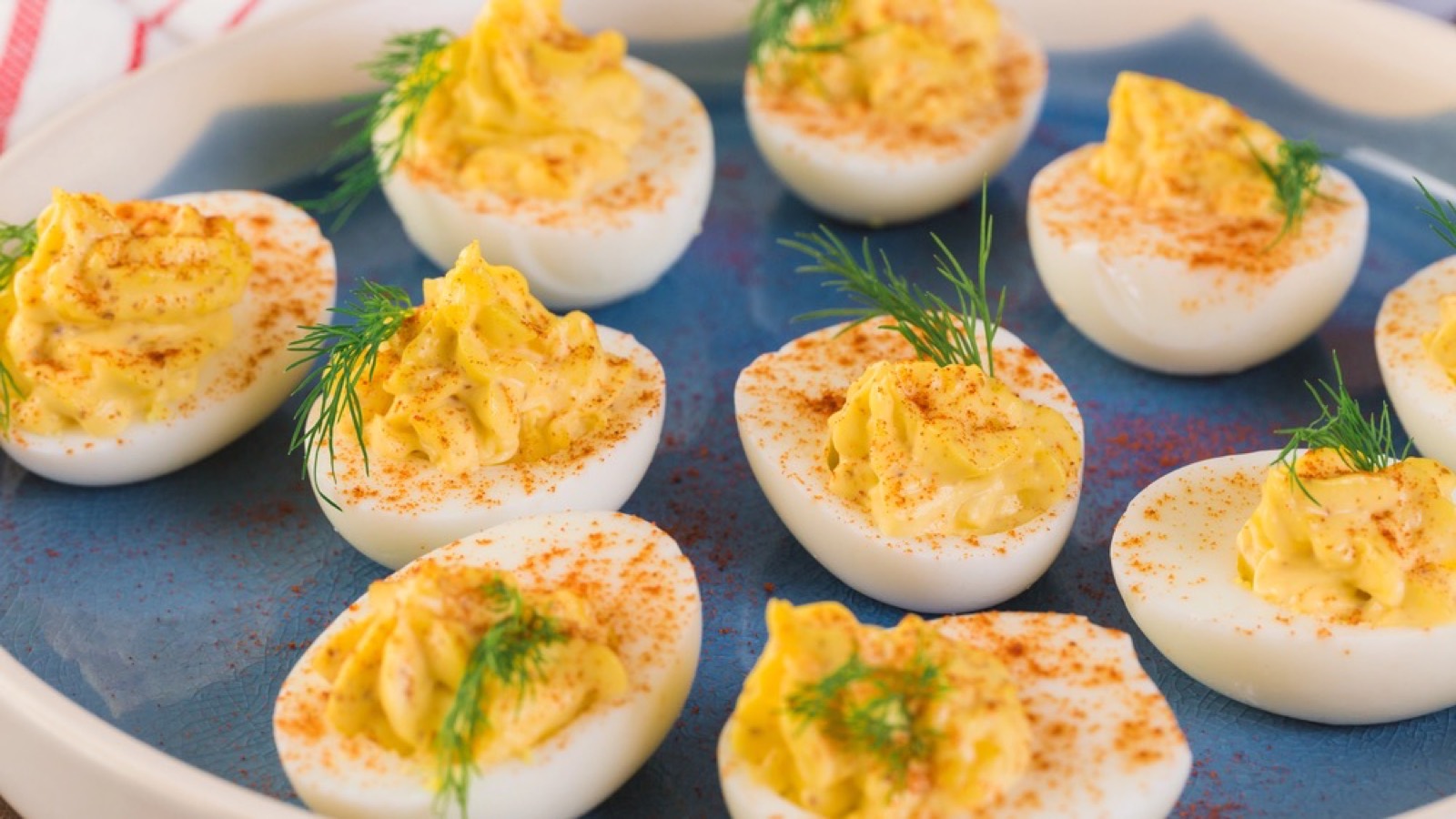
The filling was spooned or piped back into the egg whites. Paprika, herbs, or small garnishes often provided a decorative finish.
Deviled eggs remain popular today because they work well for gatherings. They also demonstrate how simple ingredients can become a recognizable party dish.
Food safety matters when serving egg-based appetizers. Prepared deviled eggs should remain refrigerated until serving and shouldn’t sit at room temperature for extended periods.
2. Cheese Balls
A cheese ball could become the centerpiece of an appetizer table. Cream cheese and other cheeses were mixed with seasonings before being shaped into a large ball.
The outside was often coated with chopped nuts, herbs, or other ingredients. Guests spread the mixture onto crackers or small pieces of bread.
Cheese balls were popular because they looked decorative without requiring complicated cooking. Hosts could also adjust the flavors to suit different preferences. They remain easy to prepare today, although modern appetizer spreads often include dips, hummus, and other alternatives.
3. Cocktail Wieners
Small sausages served with toothpicks were familiar at parties and informal gatherings. They could be heated in a sauce or served alongside mustard and other condiments.
Some recipes combined cocktail sausages with sweet sauces made from ingredients such as jelly and chili sauce. The combination might surprise people who expect sausage toppings to be entirely savory.
The dish was convenient because guests could serve themselves without needing a full plate. It also worked well for gatherings where people were standing and socializing.
4. Shrimp Cocktail
Shrimp cocktail offered a more formal appetizer for special occasions. Cooked, chilled shrimp were arranged around a bowl of cocktail sauce, commonly made with ketchup and horseradish.
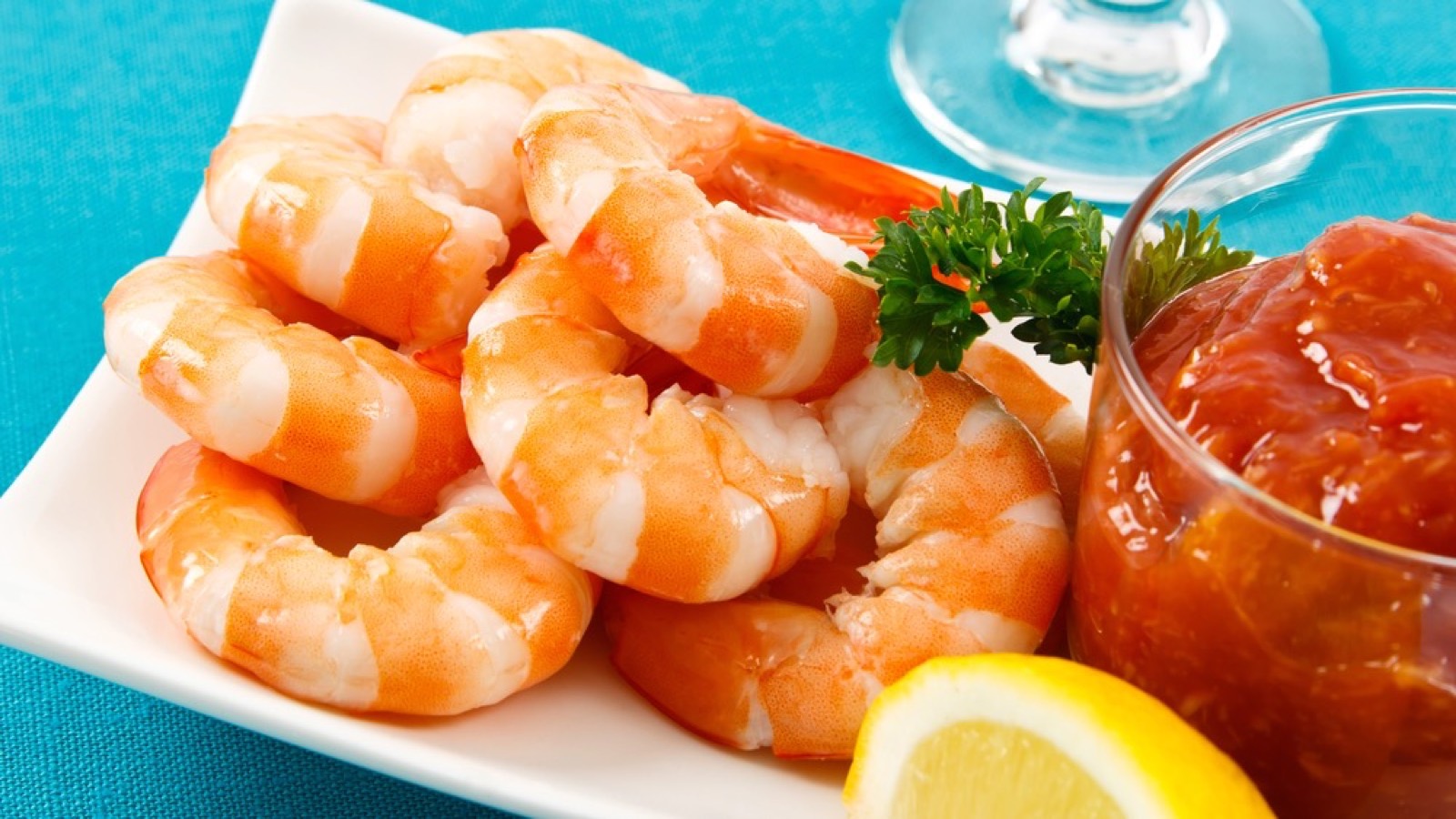
The presentation was simple but distinctive. Some restaurants served shrimp cocktail in individual glasses, giving the dish an elegant appearance.
Shrimp cocktail remains popular, but its association with mid-century entertaining is particularly strong. It appeared frequently in menus and entertaining guides from the period.
Seafood must be handled carefully to prevent foodborne illness. Chilled shrimp should remain properly refrigerated until serving.
5. Stuffed Celery
Stuffed celery turned an ordinary vegetable into a decorative party snack. Celery stalks were filled with cream cheese, cheese spread, or another flavored mixture.
The long shape made the pieces easy to arrange on platters. Some hosts added paprika, nuts, or chopped herbs for color.
The preparation required little cooking, which made it convenient for busy households. It also provided a crunchy alternative to heavier appetizers.
Modern party platters often serve celery with dips rather than filling each piece individually. The ingredients are familiar, but the presentation has changed.
6. Pineapple and Cheese Picks
Pineapple chunks and cheese cubes were sometimes arranged on toothpicks for parties. The combination brought together sweet fruit and savory cheese.
Some versions included cherries, olives, or small pieces of meat. The colorful presentation helped create an attractive platter without complicated preparation.
These foods reflected a broader trend toward decorative, bite-sized party appetizers. Hosts could assemble large quantities ahead of time.
The combination remains easy to recreate, especially for informal gatherings. Its simplicity makes it suitable for people who prefer not to cook.
7. Jell-O Salad
Gelatin salads became recognizable features of American entertaining during the middle of the 20th century. Recipes ranged from fruit-filled desserts to savory mixtures containing vegetables.
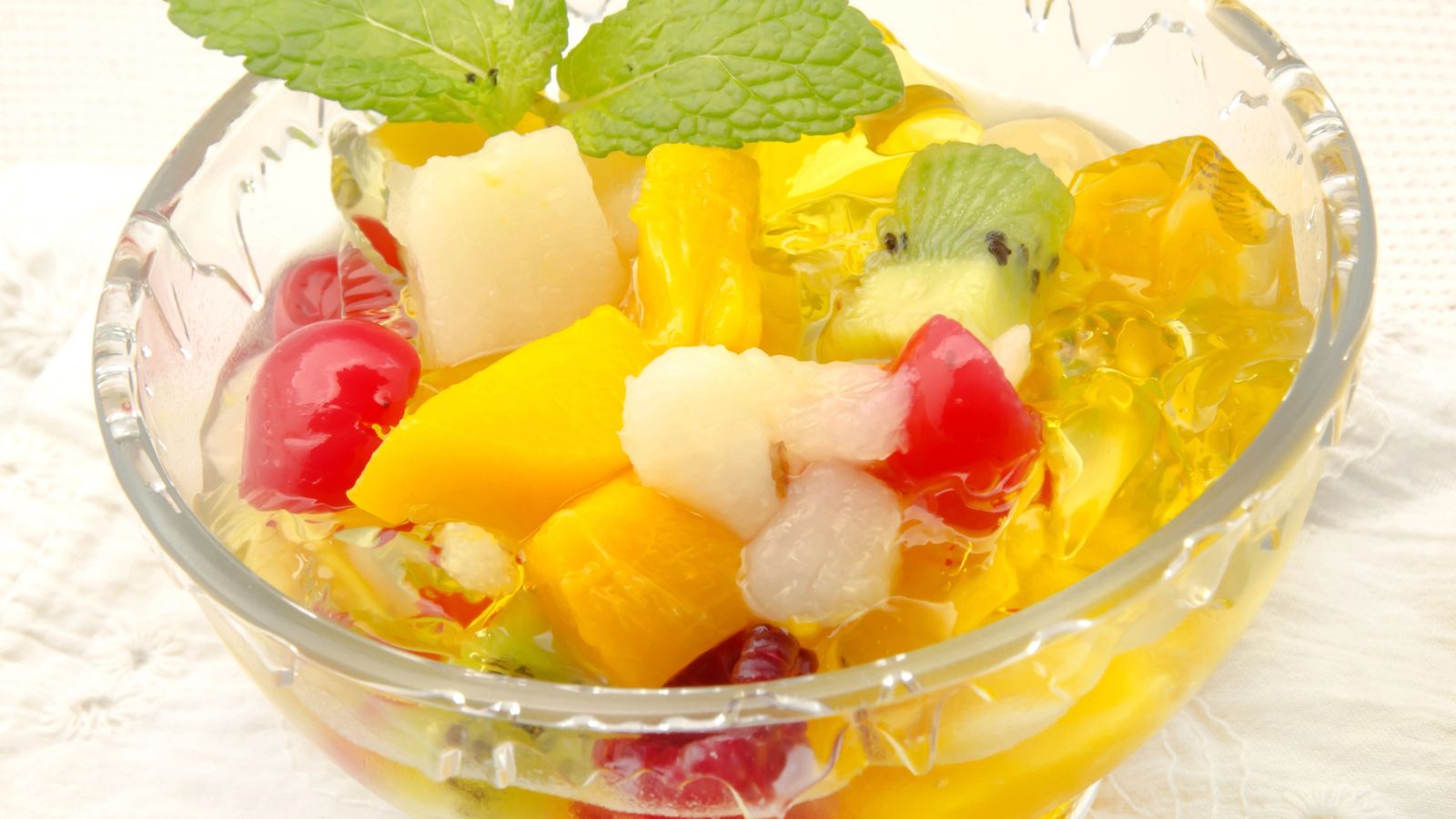
The finished dish was often prepared in a decorative mold and turned onto a serving plate. Its shape and color contributed to the presentation.
The Smithsonian documents how gelatin recipes became part of mid-century food fashions. Some combinations that were considered attractive then appear unusual today.
Other retro food trends included elaborate molded dishes and unexpected ingredient combinations. They demonstrate how much entertaining styles have changed.
8. Swedish Meatballs
Small meatballs served in a creamy sauce became familiar at American parties and buffets. They were often prepared in advance and kept warm for guests.
The dish has Scandinavian connections, although American recipes vary considerably. Some versions use beef and pork, while others rely on different seasonings or sauces.
Meatballs were popular because guests could eat them with toothpicks or small plates. They also offered a more substantial option than crackers and vegetables.
Swedish meatballs remain widely recognized today, including through restaurants and frozen food products. Their party-food history is one reason they continue to feel familiar.
9. Spinach Dip in a Bread Bowl
Spinach dip became a recognizable party dish because it combined a creamy filling with a decorative serving method. A hollowed-out loaf of bread held the dip, while pieces of bread were placed nearby for dipping.
Recipes frequently included spinach, sour cream, mayonnaise, and seasonings. Some versions used packaged soup mixes to simplify preparation.
The bread bowl made the presentation attractive without requiring specialized serving equipment. Guests could eat both the dip and the container.
This style of entertaining remains familiar, although dips are now available in countless variations. It reflects the continuing appeal of foods that can be shared casually.
What Made These Party Foods Different?
Mid-century entertaining often emphasized preparation, appearance, and convenience. Hosts wanted dishes that could be served to several guests without requiring constant attention.
The rise of packaged ingredients made entertaining easier in some ways. Refrigerators, freezers, and prepared foods also expanded the options available to households.
Today’s appetizer platters offer considerably more variety, but the underlying goal hasn’t changed. People still want food that is easy to share, enjoyable to eat, and suitable for conversation.
These older recipes can remain useful for modern gatherings. Some require only a handful of ingredients, and several can be adapted to different dietary preferences.
A successful party doesn’t depend on creating a complicated menu. Sometimes, a plate of deviled eggs or a homemade cheese ball is enough to remind guests why familiar foods remain popular.