9 Old-Fashioned Pantry Foods That Are Becoming Popular With New Generations
Some ingredients disappear from everyday conversation without ever leaving grocery store shelves. They remain in small cans, paper bags, and ordinary packages while newer products attract most of the attention.
Now, some home cooks are rediscovering foods that earlier generations used regularly. Their appeal often comes from convenience, versatility, affordability, or the opportunity to try traditional recipes. These nine ingredients show why an old-fashioned pantry staple can still earn a place in a modern kitchen.

1. Canned Sardines
Canned sardines have been familiar to generations of shoppers because they require no elaborate preparation. They can be eaten with bread, crackers, or rice, or added to salads and pasta.
Their flavor is stronger than that of many other canned fish products. Some people enjoy the intensity, while others need time to become accustomed to it.
Sardines provide protein and omega-3 fatty acids, although nutrient amounts vary by product. Versions with edible bones can also provide calcium. The combination of convenience and nutritional value makes them useful for quick meals.
2. Dried Beans
Dried beans have long been staples in households seeking versatile ingredients. They can form the foundation of soup, chili, stews, and numerous regional dishes.

Their storage advantages make them practical for people who don’t want to shop constantly. A bag can produce several servings when cooked.
Beans provide fiber and plant-based protein. The USDA’s nutrition guidance includes beans, peas, and lentils among protein foods.
Proper preparation matters because cooking requirements differ between varieties. Some beans require soaking or lengthy cooking, and kidney beans must be cooked thoroughly.
3. Cottage Cheese
Cottage cheese has a longstanding reputation as a simple dairy food. Its mild flavor and distinctive curds make it useful in both sweet and savory preparations.
It can be served with fruit, spread on toast, or incorporated into certain baked dishes. Some cooks blend it to produce a smoother texture.
The product has attracted renewed interest because many varieties provide substantial protein. But nutrient values depend on the brand and fat content. Its versatility makes it worth considering beyond the familiar combination of cottage cheese and canned fruit.
4. Canned Salmon
Canned salmon was a practical ingredient in earlier households because fresh fish wasn’t always available. Families used it for patties, loaves, sandwiches, and other meals.
The product remains convenient because it can be stored unopened in the pantry. Some varieties contain soft edible bones, while others are sold without them.
Salmon provides protein and omega-3 fatty acids. The specific nutritional profile varies depending on the product. For someone preparing quick lunches or dinner, canned salmon may be easier to use than fresh fillets.
5. Cornmeal
Cornmeal has a long history in American regional cooking. It appears in cornbread, corn pone, hush puppies, and numerous other preparations.
Its versatility makes it useful beyond traditional Southern recipes. Cornmeal can also contribute texture to coatings and certain baked dishes.
Different grinds produce different results. Fine cornmeal behaves differently from coarser varieties, so selecting the correct product matters.
Many old-school pantry ingredients remain useful because they can be prepared in several ways. Cornmeal fits that tradition particularly well.
6. Molasses
Molasses is a thick syrup produced during sugar refining. It has a distinctive flavor that appears in gingerbread, baked beans, and some traditional cookies.
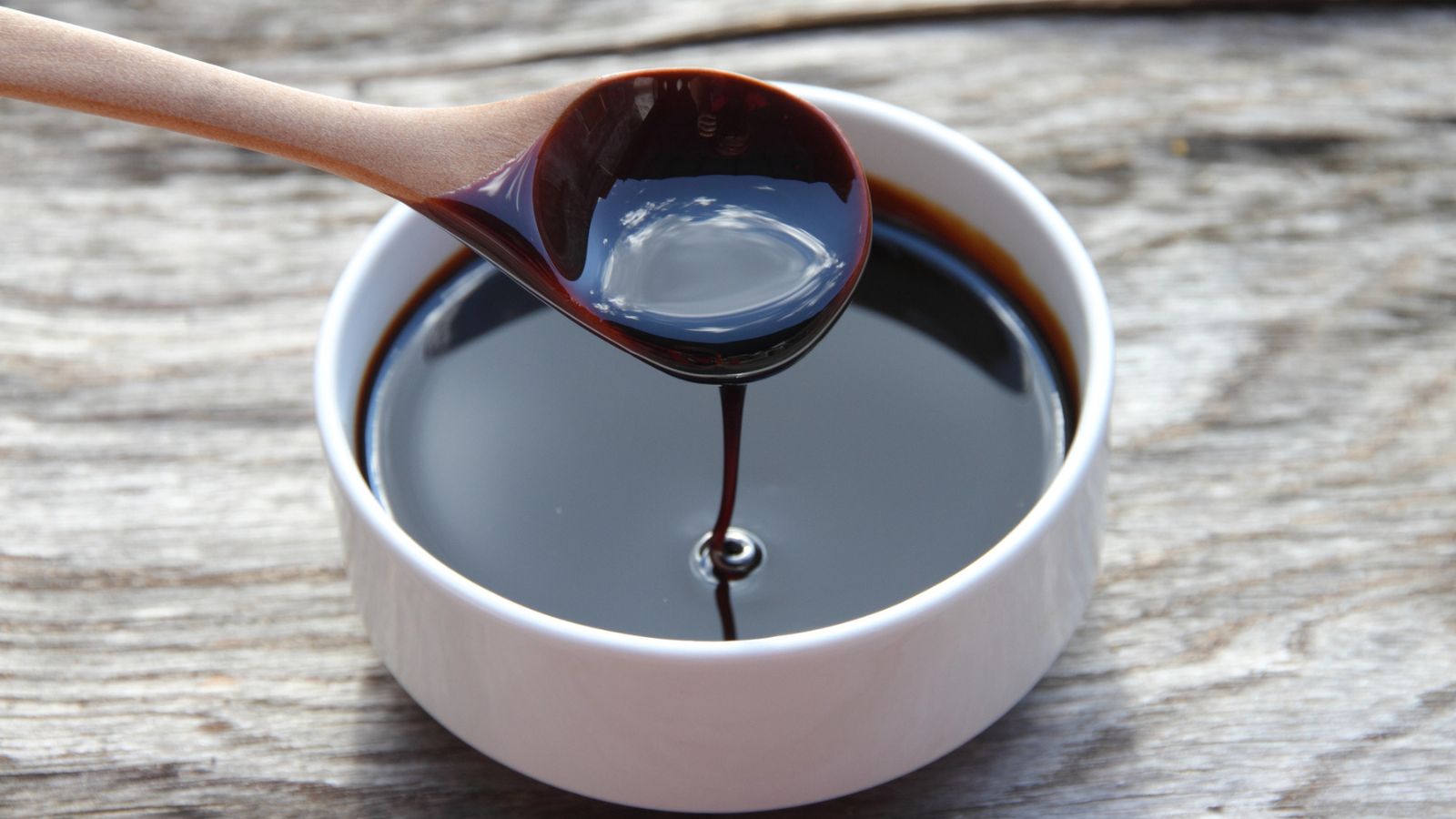
The intensity varies between types. Blackstrap molasses is noticeably stronger and more bitter than lighter varieties.
For cooks unfamiliar with the ingredient, trying a recipe specifically designed for molasses is the easiest introduction. Substituting it directly for another sweetener doesn’t always produce the same result. A small container can be useful for several baking projects when stored appropriately.
7. Split Peas
Split peas are commonly used in soups and stews. They cook into a soft texture that helps thicken broth without requiring large amounts of flour or cream.
Traditional split-pea soup may include carrots, onions, and ham. Vegetarian versions can use herbs, vegetables, and suitable broth instead.
Split peas provide fiber and plant-based protein. They also store well as dried pantry ingredients. Their mild flavor makes them adaptable to different seasonings, which is useful for families seeking inexpensive meal options.
8. Barley
Barley is a grain that can be used in soups, stews, salads, and side dishes. It has a chewy texture and a mild, nutty flavor.
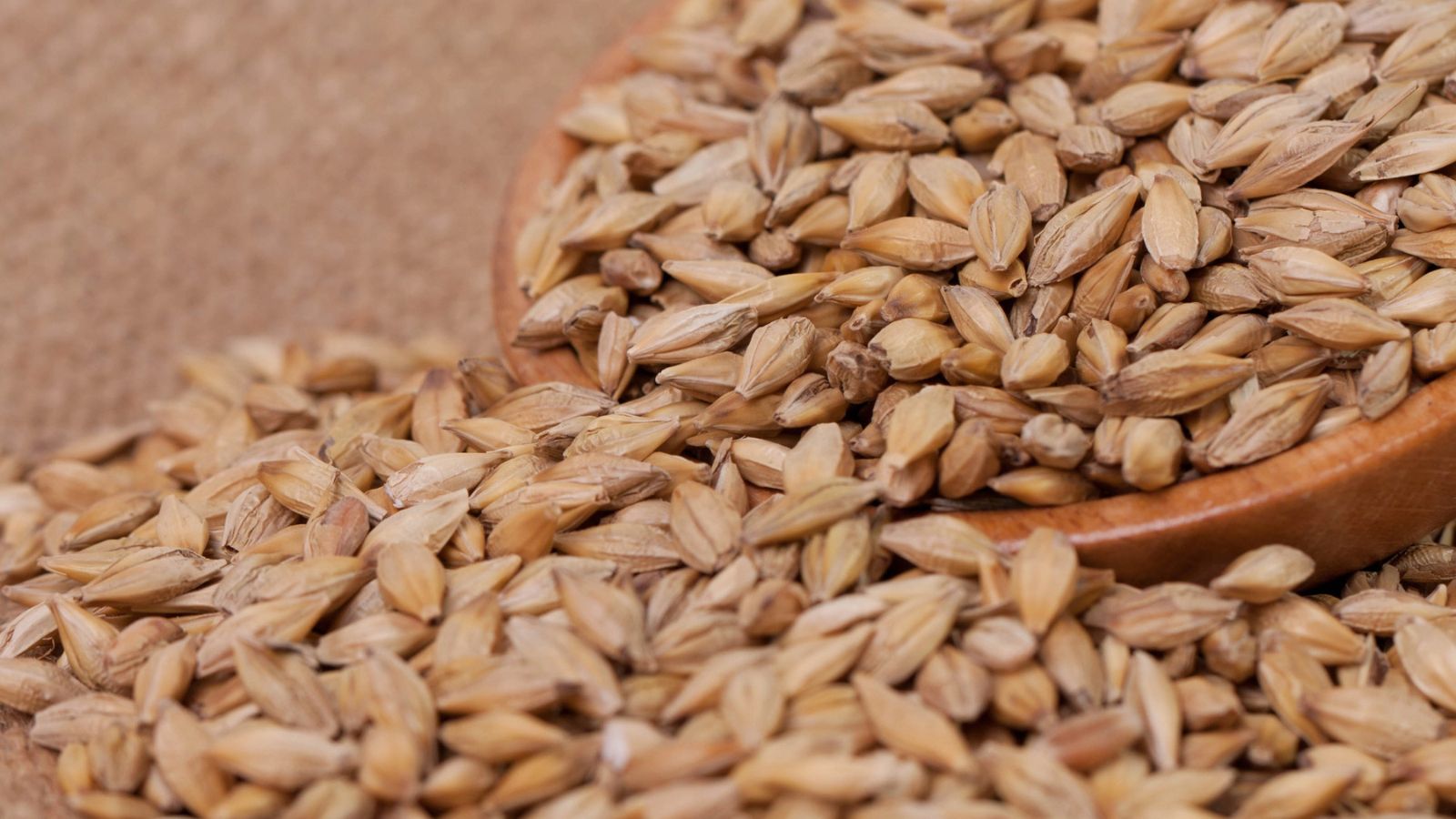
Pearled barley is commonly sold in supermarkets, although processing removes some outer parts of the grain. Hulled barley retains more of the original grain structure but generally requires longer cooking.
Barley contains fiber, including beta-glucan. It can add texture to vegetable soup without requiring meat. For people accustomed to rice or pasta, barley provides another option for building filling meals.
9. Evaporated Milk
Evaporated milk is a concentrated milk product sold in cans. It has long been useful in households that wanted a milk ingredient with an extended unopened shelf life.
Traditional recipes use it in pies, sauces, desserts, and certain baked goods. It can also provide a creamy texture in dishes where ordinary milk would produce a thinner result.
Evaporated milk differs from sweetened condensed milk, which contains added sugar. Confusing the two can significantly change a recipe. Its convenience remains useful for occasional baking and cooking.
Why Older Pantry Staples Remain Useful
Food trends change, but basic ingredients often remain practical because they serve multiple purposes. A bag of beans or a container of cornmeal may be used across several meals.
Traditional ingredients aren’t automatically healthier or cheaper than modern alternatives. Their value depends on nutrition, price, preparation time, and household preferences.
A well-planned pantry should reflect the foods people actually eat. Buying an old-fashioned product because it seems fashionable can create waste if nobody wants to cook it.
The best reason to rediscover an ingredient is that it helps you prepare meals you enjoy. Sometimes, a familiar food from another generation is exactly what a modern kitchen needs.