8 Fast-Food Habits Americans Remember From the 1990s That Have Changed Today
A visit to a fast-food restaurant in 1995 looked different from the same experience today. Customers typically ordered at a counter, read a printed menu, and paid without using a smartphone.
Families might collect promotional toys, save paper coupons, or visit a restaurant specifically because of its playground. These routines helped make fast-food dining part of everyday American culture.
Technology and changing business priorities have transformed the experience. Here are eight differences that might surprise people who grew up during the 1990s.
1. Ordering Without a Smartphone
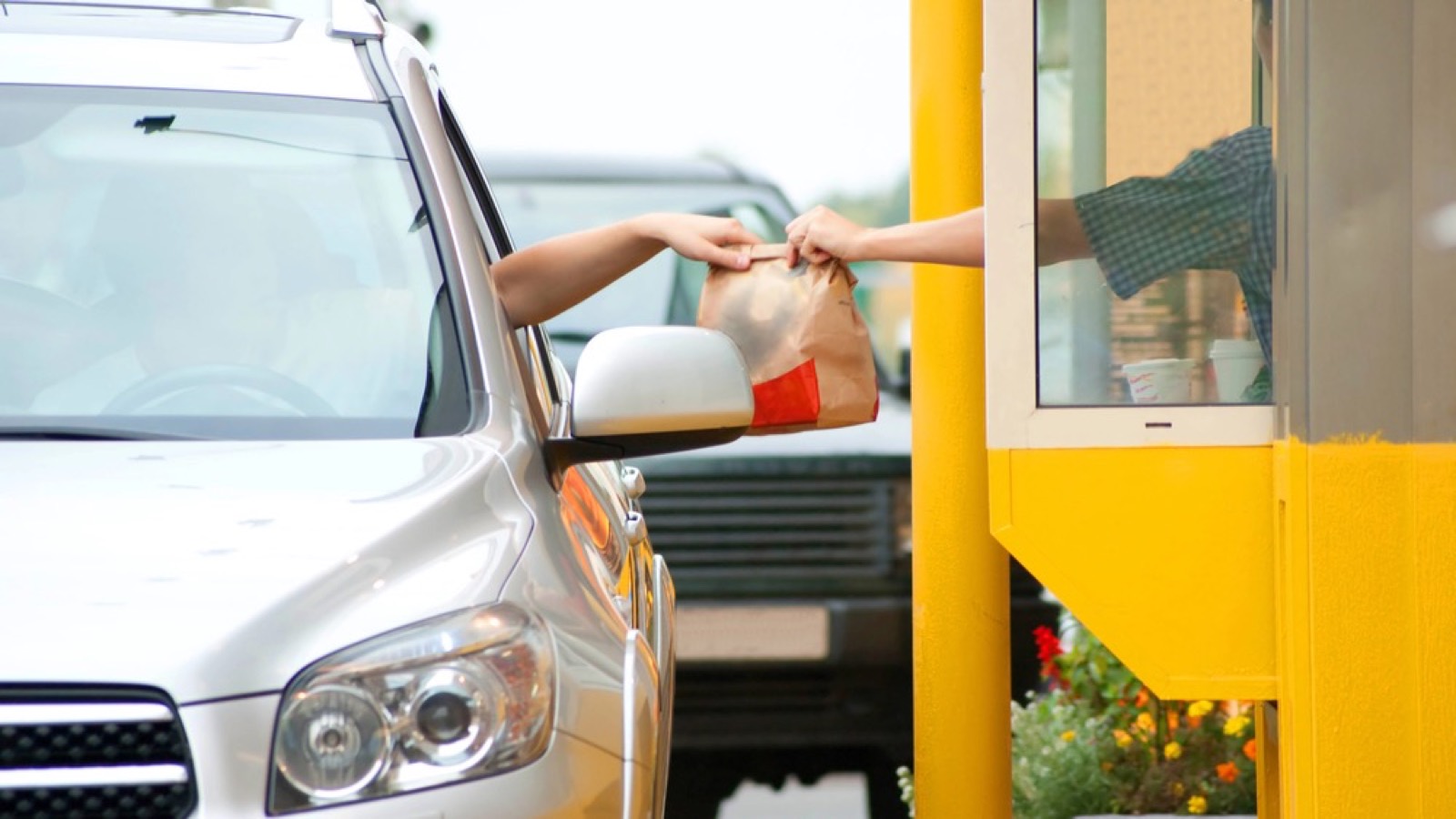
During the 1990s, placing a fast-food order usually meant speaking directly to an employee. Customers read menu boards and decided what they wanted before reaching the counter.
There were no restaurant apps offering digital rewards, saved orders, or mobile payment. Drive-through service existed, but ordering still relied mainly on direct communication.
Today, many chains offer ordering through apps, kiosks, and delivery platforms. Those options can improve convenience, although some customers still prefer speaking to an employee.
The change affects how restaurants design their service areas. A modern location may devote space to delivery pickups and self-service ordering that wouldn’t have been necessary decades ago.
2. Collecting Toys From Children’s Meals
Children’s meal toys were a recognizable part of fast-food marketing. Restaurants frequently partnered with films, television programs, and entertainment companies to offer collectible items.
Some children wanted to visit a particular restaurant because of the current promotion. Completing a collection could become an activity shared with friends or siblings.
Promotional toys remain available in some form, but materials, designs, and marketing priorities have changed. Concerns about waste and children’s advertising also influence how companies approach these promotions. For many adults, the toys are remembered as part of the restaurant experience rather than simply as accessories.
3. Playing in Indoor Restaurant Playgrounds
Many fast-food restaurants once featured large indoor play areas designed for children. Families could order meals and allow children to play before returning home.
The facilities helped restaurants attract parents seeking an affordable outing. Colorful equipment and recognizable characters made the playgrounds especially memorable.
Some restaurants still offer play areas, but many locations have removed or redesigned them. Space requirements, maintenance, and changing customer demand have influenced those decisions. For children who grew up using them, the playground was often the main attraction.
4. Eating Inside More Often
Takeout and drive-through service were already important during the 1990s, but dine-in experiences remained central to many family visits. Customers could sit with friends, celebrate small occasions, or spend time in a restaurant after school.
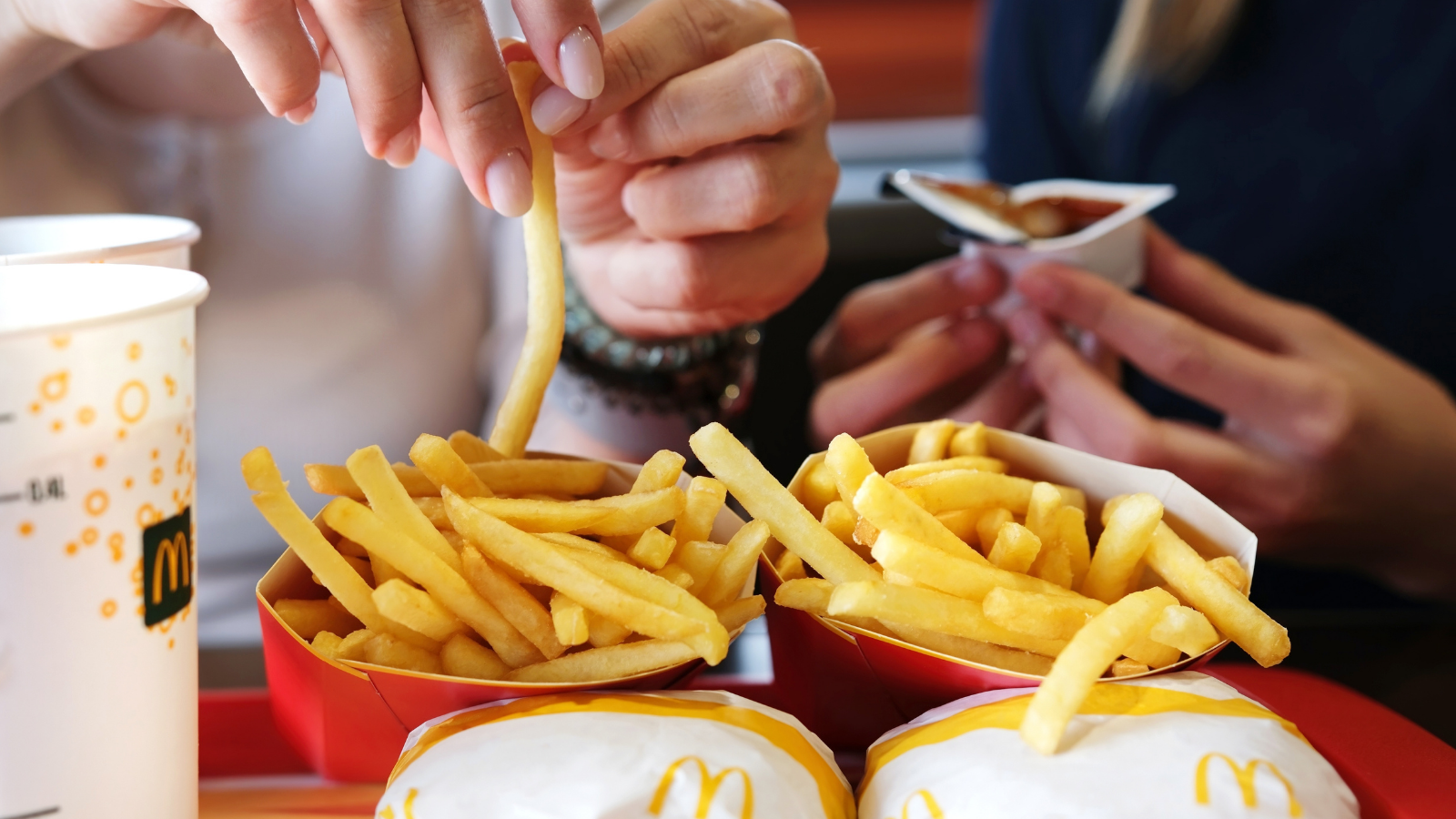
Today, delivery platforms and mobile ordering provide additional ways to purchase meals without entering the dining room. Restaurant layouts have changed to accommodate those options.
The balance between dine-in and off-premises sales varies by chain and location. Some restaurants still emphasize seating, while others focus on speed and convenience. These changes influence the atmosphere customers experience.
5. Using Paper Coupons
Fast-food coupons frequently appeared in newspapers, mailers, and promotional flyers. Families could cut them out and bring them to a restaurant for discounts.
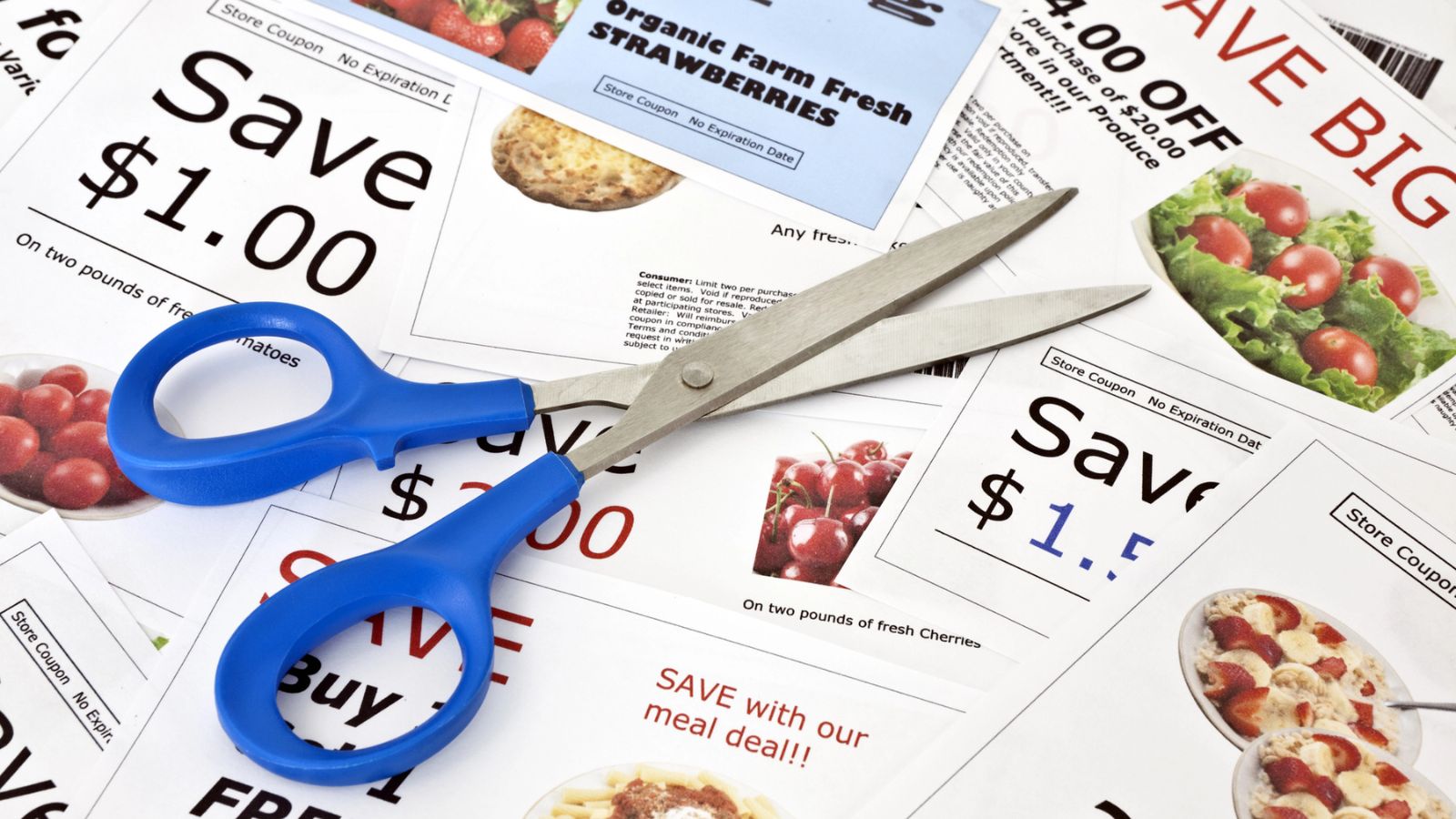
The process required planning because coupons had expiration dates and specific conditions. Some customers kept them in wallets or kitchen drawers.
Digital coupons and app-based rewards now perform many similar functions. They can be convenient, but some promotions require smartphones or customer accounts.
The underlying goal hasn’t changed. Restaurants still use discounts to encourage repeat visits.
6. Remembering Short-Lived Menu Items
Fast-food chains experimented with unusual products during the 1990s. Some were promoted heavily before disappearing from regular menus.
McDonald’s Arch Deluxe, Pizza Hut’s Bigfoot Pizza, and Wendy’s SuperBar are examples of products associated with that period. Their success and longevity varied considerably.
Discontinued menu items often become part of restaurant nostalgia. Customers remember advertising campaigns, packaging, and the experience of trying something unfamiliar.
Similar nostalgia surrounds foods that vanished from everyday life. A product doesn’t need to remain available to become memorable.
7. Looking at Physical Menus
Fast-food menus were usually displayed above the counter or printed on boards. Product photographs, prices, and promotional messages helped customers choose their meals.
Digital screens have become common at many locations. These allow restaurants to change prices, advertising, and featured products without replacing physical signs.
The change can improve flexibility, but customers may find constantly changing displays distracting. Some prefer a stable menu that is easy to read. Printed menus remain available in certain restaurants, but digital displays have altered the visual experience.
8. Paying With Cash
Cash was a routine payment method for small fast-food purchases during the 1990s. Children and teenagers could buy snacks using money saved from allowances or small jobs.

Credit and debit cards were already available, but digital wallets and contactless smartphone payments were not part of ordinary restaurant life. Today, customers may complete an entire purchase without handling physical money.
Payment options differ between restaurants. Some locations still accept cash, while others encourage electronic transactions. The change reflects broader developments in banking and retail technology rather than fast food alone.
What Has Improved Since the 1990s?
Modern fast-food restaurants can offer more convenient ordering, payment, and delivery options. Digital menus also allow customers to review ingredients and nutritional information before visiting. The FDA requires calorie information on menus at certain chain restaurants, providing information that was less visible during the 1990s.
Yet some customers miss the atmosphere of earlier restaurants. Playgrounds, paper coupons, and familiar promotional toys created memories beyond the meal.
Neither era was perfect. Today’s convenience offers genuine benefits, while older experiences remind people of family outings and childhood routines.
Fast food continues changing because customer expectations change. The next generation will probably remember today’s restaurant apps and self-service screens with the same nostalgia that older adults feel for the 1990s.