7 Foods That Look Fresh at the Store but Can Disappoint at Home
A trip through the produce aisle often starts with the eyes. A basket of bright strawberries, a perfectly shaped melon, or a glossy avocado can look like an easy win. Those visual cues naturally create expectations about sweetness, flavor, and texture.
But what looks appealing on the outside does not always reveal what is happening inside. Some fruits and vegetables require more than a quick glance to judge their eating quality. Knowing the clues that matter for each item can help shoppers make better choices while remembering that appearance is only one part of the story.
Strawberries
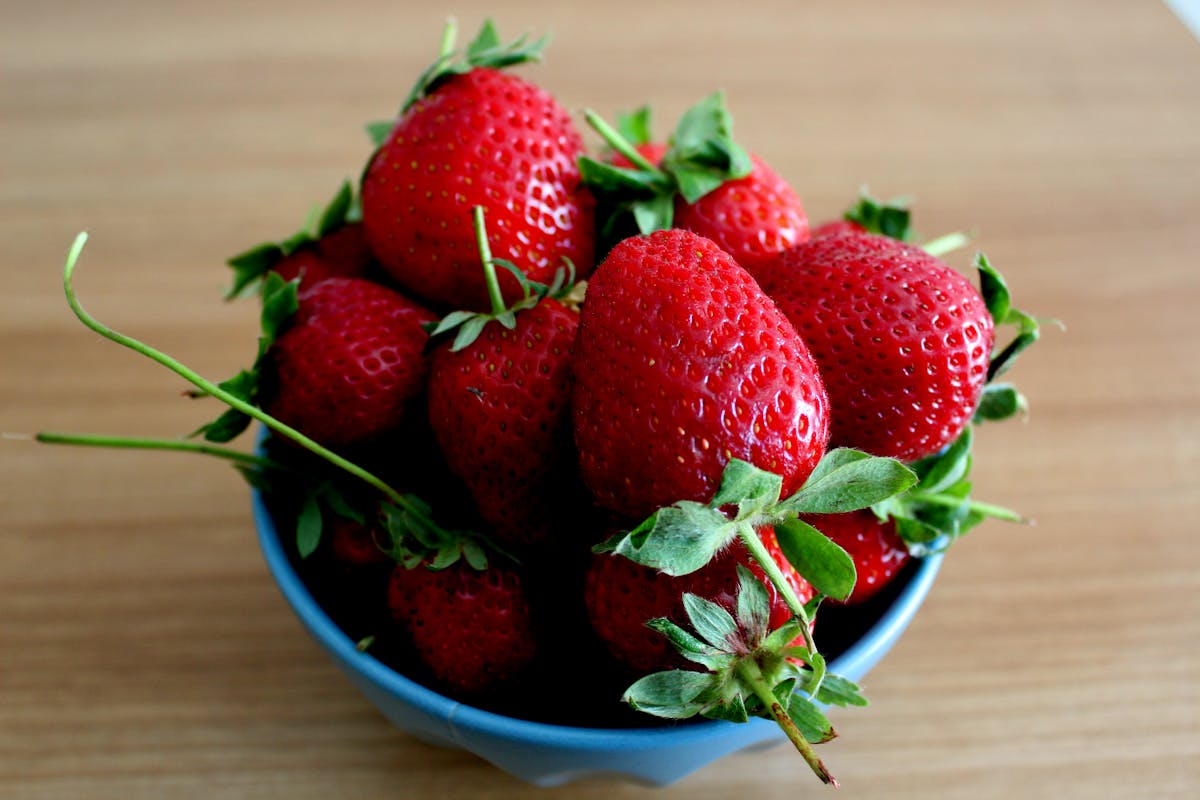
Strawberries are easy to judge by color because bright red berries look like they should deliver a sweet, flavorful bite. However, a polished-looking package does not always tell the whole story. Strawberries do not continue to ripen after harvest, so a berry that was picked before reaching ideal ripeness may not have the sweetness shoppers expect.
The best flavor and sugar level come when strawberries are harvested fully ripe. When choosing them, look beyond the color alone. Bright red, plump berries with firm texture, dry surfaces, and fresh-looking green caps are useful signs. A sweet aroma can also be a helpful clue. The University of California’s strawberry guidance notes that berries with fully red surfaces have maximum sweetness and flavor, while very deep-red, dull berries may be overripe.
A beautiful strawberry can still be a good choice, but the goal is to look for several signs of quality rather than relying only on its red appearance.
Avocados
Avocados may be one of the trickiest produce items because the outside can hide what is happening inside. A smooth, unblemished avocado can still be too firm to use, overripe and stringy, or affected by internal bruising.
Skin color can provide clues for some varieties, especially Hass avocados, but it is not a universal way to judge ripeness. Firmness is often a more useful indicator. If an avocado is needed soon, look for one that gives gently when pressed lightly without feeling mushy.
A firm avocado can be set aside to ripen at room temperature. When shopping, avoid avocados with dark, sunken blemishes when possible. The challenge is that an avocado’s perfect-looking exterior does not always reveal whether it is ready for slicing.
Related: 5 Everyday Foods Featured in Sleep-Focused Conversations
Watermelon
A large, symmetrical watermelon with a deep green rind can look like the ideal summer pick. But the qualities shoppers want most, sweetness, juiciness, and texture, are hidden beneath the surface. Watermelon does not continue to ripen after harvest, so a melon picked too early may look impressive while tasting watery or bland.
One useful clue is the field spot, the area where the watermelon rested on the ground. A creamy yellow spot can be a sign of maturity, while a pale or white spot is considered a less desirable indicator. A watermelon that feels heavy for its size can also provide a helpful clue. Mississippi State University Extension advises shoppers to prioritize a yellow or cream-colored field spot and a heavy, dull-looking melon; it also notes that tapping can be a supporting clue rather than the main test.
Rind appearance and a dull, hollow sound may offer additional information, but no single test tells the entire story. Watermelon shopping is about combining several clues rather than searching for one perfect signal.
Grapes
A full cluster of shiny, colorful grapes can be hard to resist. The bunch may look crisp and appealing, yet the flavor can still fall short if the grapes did not develop the balance of sweetness and acidity shoppers expect.
Grapes do not continue ripening after they are picked. Fruit harvested too early can have higher acidity and lower sugar, which may create a more tart taste. That means a beautiful cluster does not necessarily guarantee a satisfying bite.
When choosing grapes, look for plump, smooth berries that stay firmly attached to green, flexible stems. Avoid shriveled grapes, loose berries, and brown or dried-out stems. If sampling is allowed, tasting is the most direct way to judge flavor. Visual clues can help, but they do not always reveal sweetness.
Tomatoes
A bright red tomato can seem like an obvious choice, but color alone does not tell the complete story. Tomatoes that appear evenly red can still disappoint if they were picked very immature. Tomatoes picked truly green may not develop the flavor shoppers hope for.
Fruit that has started moving away from green and turning white or pink is more likely to ripen satisfactorily. Other helpful clues include choosing tomatoes with the expected color for their variety, a heavier feel for their size, and slight give when pressed gently.
Avoid tomatoes with deep cracks, wet-looking sunken spots, or major bruising. Buying tomatoes in season can also improve the chances of finding better flavor. The lesson is simple: redness is useful information, but it is not the only information.
Related: Trying to Lose Weight or Build Muscle? Here’s a Simple Guide to Choosing Protein Foods
Cucumbers
Long, dark green, glossy cucumbers often look like the picture of crisp freshness. Yet some qualities shoppers care about are harder to spot from the outside. Overly mature cucumbers may develop larger seeds and yellowing skin, and bitterness can vary by variety.
When shopping, choose cucumbers that feel firm and have an even green color. Skip those with yellowing, soft spots, shriveling, or obvious bruises. Oversized cucumbers may be less appealing because they can have larger seeds and become yellowish as they mature.
A cucumber’s glossy appearance can suggest freshness, but it does not tell the entire story about texture or flavor. Looking for the right size and condition can help shoppers find a more satisfying choice.
Cantaloupe
Cantaloupes often attract shoppers with their neat shape and attractive netted rind. However, a melon with beautiful netting can still be underwhelming if it was not sufficiently mature when harvested.
Cantaloupe can soften after harvest, but it does not meaningfully gain sugar after picking. That means sweetness depends heavily on maturity at harvest. Fortunately, shoppers have several clues to consider.
Look for a rind that is light green to yellow beneath the netting, a sweet aroma, and slight give when gently pressed. The USDA’s cantaloupe selection guide likewise recommends well-defined netting, a light-green-to-yellow rind, a sweet musky aroma, and flesh that yields lightly to pressure as signs of ripeness.
The outside of a cantaloupe can provide useful hints, but attractive netting and shape alone cannot guarantee the sweetness waiting inside.
Pretty produce is not necessarily poor produce. The better approach is to treat appearance as a starting point, then consider the specific clues that matter for each fruit or vegetable. Paying attention to firmness, aroma, maturity signs, and overall condition can improve the odds of bringing home produce that delivers the experience shoppers expect.