6 Boomer Era Comfort Foods Getting Fresh Attention in Today’s Kitchens
Comfort food is having a moment. Recent food industry reporting has highlighted nostalgia and familiar flavors as major influences on what people want, while recipe publishers have been revisiting vintage casseroles, family dinners, and classic party dishes. These foods aren’t simply returning exactly as they did decades ago. Instead, many are being updated with new techniques, modern formats, and fresh interpretations. The term “Boomer era” does not mean these dishes were all invented during the Baby Boomer years. Instead, it refers to foods that were prominent or culturally recognizable in American kitchens from the 1950s through the 1980s. Some are older traditions that remained popular during that period, while others became closely tied to the era’s home cooking style.
Green Bean Casserole
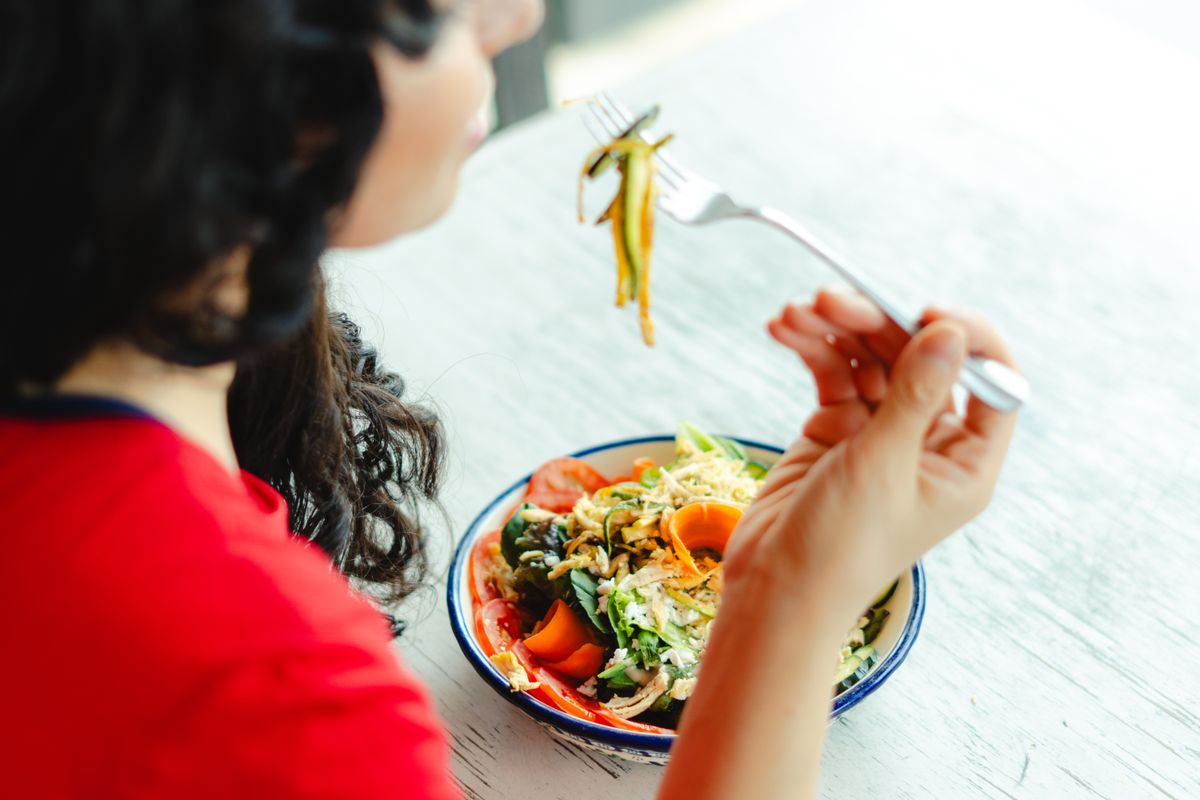
Few dishes capture the mid century American casserole tradition as well as green bean casserole. Developed by Campbell’s test kitchen worker Dorcas Reilly in 1955, the dish gained wide recognition after the recipe appeared on Campbell’s soup labels in the 1960s. The classic version combined canned green beans, condensed cream of mushroom soup, milk, soy sauce, pepper, and crispy fried onions. It became especially associated with holiday meals, although the most accurate description is that it became a widely recognized American side dish during the decades when many Baby Boomers were growing up.
Today, the recipe remains familiar and has received renewed attention through anniversary coverage and vintage recipe collections. Rather than disappearing and returning, green bean casserole has remained a lasting comfort food that modern kitchens still revisit.
Related Post: The Boomer Food Traditions That Still Bring People to the Table
Meatloaf
Meatloaf was not created during the Boomer era, but it was firmly established as a recognizable American family dinner by the time many Boomers were growing up. The dish has older roots, including Depression era versions designed to stretch meat with breadcrumbs and other fillers. The familiar home style version usually features ground meat, breadcrumbs or bread, eggs, onion, seasonings, and a ketchup based glaze. For many families, it represented an affordable, filling meal that could feed a household and provide leftovers.
Modern cooks are keeping the basic idea while changing the format. Recent recipes have explored sheet pan meatloaf, mini loaves, richer sauces, and more complex flavor combinations. The result is a familiar dinner updated for current cooking habits.
Tuna Noodle Casserole
Tuna noodle casserole represents the convenience focused cooking style that shaped many mid century American kitchens. Built around pantry ingredients such as canned tuna, noodles, condensed soup, vegetables, and crunchy toppings, it reflected the era’s embrace of practical one dish meals. Traditional versions often included egg noodles, tuna, cream of mushroom soup, peas or mushrooms, cheese, and a topping made from potato chips or breadcrumbs.
Recent recipe collections have brought the dish back into the conversation by presenting it as both a nostalgic favorite and a useful make ahead meal. Current versions often focus on weeknight convenience, freezer preparation, and updated cooking methods while keeping the recognizable casserole format.
Deviled Eggs
Deviled eggs have a much longer history than the Boomer era, but they remained a familiar feature of American parties, potlucks, and holiday gatherings throughout the mid 20th century. The classic American version typically uses hard boiled eggs filled with mashed yolks mixed with mayonnaise, mustard, and seasonings.
The dish has recently received new attention from recipe developers experimenting with technique and presentation. Modern versions may use homemade mayonnaise, more precise egg preparation, fresh herbs, and creative toppings while keeping the basic egg and creamy filling structure intact. That mix of familiarity and flexibility helps explain why deviled eggs still show up in both classic and updated forms.
Chicken Divan
Chicken Divan is closely associated with the casserole style that defined many American family meals in the mid to late 20th century. The dish usually combines chicken, broccoli, a creamy sauce, cheese, and a crisp topping. While the exact origin story requires more archival verification, its connection to vintage American home cooking is clear. Recent recipe coverage has highlighted Chicken Divan as a nostalgic casserole that also works well for modern meal planning.
Today’s versions often emphasize practical features such as using leftover chicken, frozen vegetables, and freezer friendly preparation. The core idea remains the same: a comforting baked meal that brings several ingredients together in one dish.
Baked Macaroni and Cheese
Macaroni and cheese predates the Baby Boomer generation, but baked versions became a lasting family comfort food during the decades when many Boomers were growing up. It fits the era’s emphasis on shareable casseroles and familiar dishes served at family gatherings. Traditional baked versions usually feature elbow macaroni, cheese sauce, milk, butter, flour, and a crisp topping made from crackers or breadcrumbs. Modern recipes are focusing more on technique, including carefully prepared sauces, blended cheeses, and contrast between creamy pasta and crisp toppings. The result is classic comfort food that feels both familiar and newly refined.
These dishes remain popular not because they have returned from disappearance, but because their formats continue to work. A casserole that can be shared, a dinner that can be prepared ahead, or a party dish that sparks memories can still find a place in today’s kitchens. The current appeal is less about recreating the past exactly and more about adapting familiar comfort foods for modern cooks.