10 Underrated Fish You Should Try Before Buying Another Salmon Fillet
Seafood has become more popular in American kitchens, yet most shoppers still circle the same familiar names: salmon, shrimp, tuna, cod, and tilapia. That habit is easy to understand because familiar fish feel safe, simple, and predictable. Still, it also means many delicious fish stay ignored at the market, even when they offer better texture, richer flavor, or a more exciting dinner. U.S. seafood consumption grew over the last few decades, with fresh and frozen seafood driving much of that increase, yet many underrated fish still rarely make the average dinner plate.
The good news is that trying a new fish does not mean becoming a restaurant chef overnight. Some of these options grill beautifully, some fry like a dream, and others taste almost like shellfish without the shellfish price tag. The original Chowhound article highlights several overlooked fish, including red mullet, monkfish, catfish, pompano, triggerfish, redfish, trevally, and tilefish, with chefs praising their flavor, versatility, and texture. Here are ten underrated fish worth trying when dinner needs something fresher than your usual fillet.
Red mullet
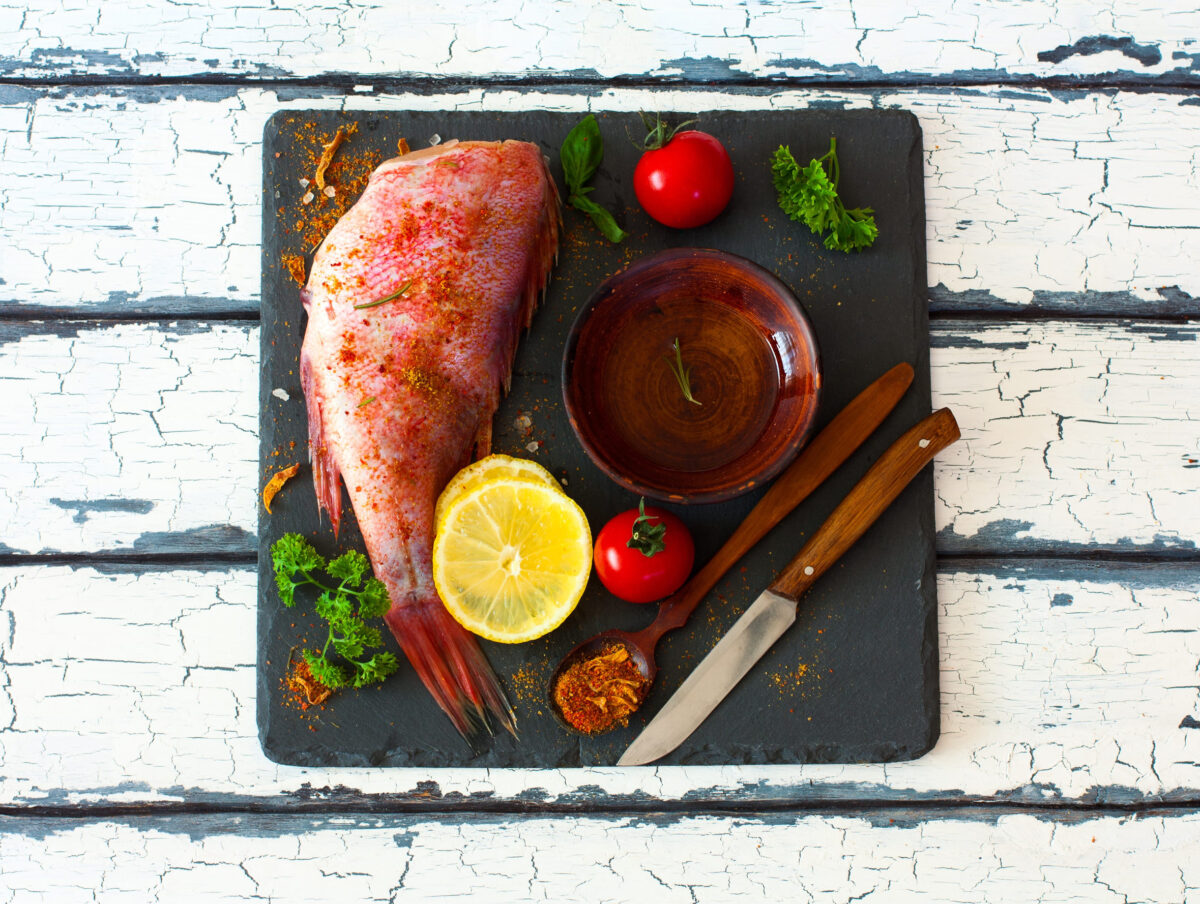
Red mullet is small, colorful, and packed with flavor, feeling much bigger than its size suggests. Its taste is often compared to shellfish because the fish feeds on tiny sea creatures, which gives the flesh a rich, savory depth.
It works best when treated simply. Grill it whole, pan-fry it with olive oil and garlic, or add it near the end of a seafood stew so it stays tender. The skin crisps beautifully, the flesh stays moist, and the flavor feels elegant without needing a complicated sauce.
Monkfish
Monkfish may be one of the ugliest fish at the seafood counter, but its taste makes up for the frightening face. Many cooks call it “poor man’s lobster” because the meat is firm, white, mildly sweet, and almost meaty.
It does not fall apart easily, so it handles roasting, braising, grilling, curry sauces, and bold spices better than more delicate fish. For first-timers, monkfish tail or cheeks are easier to manage than a whole fish. Wrapped in pancetta or roasted with herbs, monkfish can feel surprisingly luxurious.
Catfish
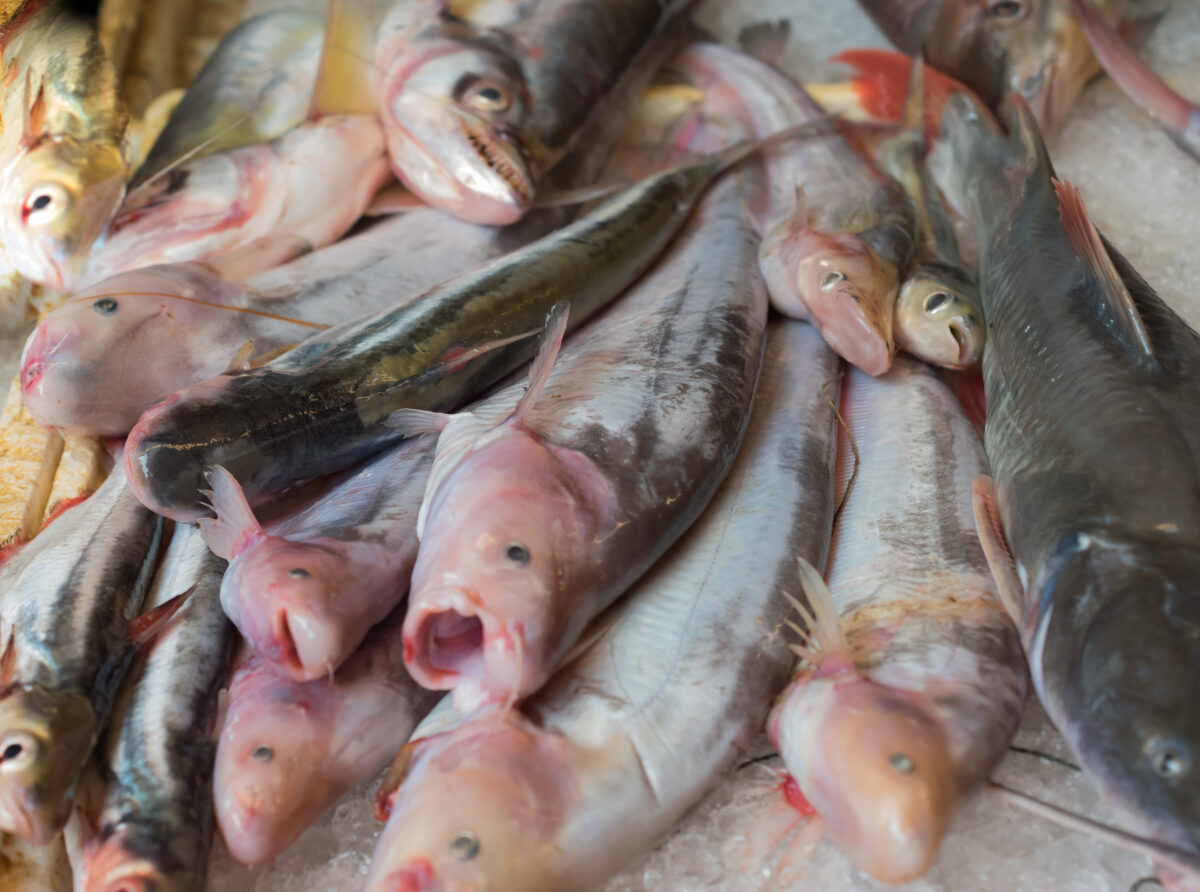
Catfish deserves more respect than it gets. Some people dismiss it because it is affordable, but price does not decide flavor.
When cooked well, catfish is tender, mild, and deeply satisfying. Southern-style fried catfish remains the classic version, usually coated in cornmeal and served crisp with hushpuppies, fries, or slaw. Still, catfish can do much more than fry. It works in curries, stews, spicy broths, and grilled dishes. Its gentle flavor makes it friendly for people who usually avoid “fishy” seafood.
Dotted gizzard shad
Dotted gizzard shad is not a household name, which is exactly why curious seafood lovers should notice it. This fish is oily, rich, and closely related to sardines, giving it a bold flavor that works beautifully over fire. It is often grilled whole, and its tiny bones can become part of the eating experience when prepared properly.
In Japanese cooking, similar small oily fish are sometimes cured with salt and vinegar, then served with rice. For anyone who enjoys sardines or mackerel, shad offers that same deep, ocean-forward personality.
Pompano
Pompano is the fish people should talk about more often. It has a naturally buttery flavor, a clean finish, and enough fat to stay juicy on the grill. Unlike some lean white fish, pompano does not need heavy breading or rich sauces to taste good.
A whole grilled pompano with lemon, herbs, pickled onions, or a bright citrus dressing can easily become the best dish on the table. Its richness pairs especially well with sharp, fresh ingredients that cut through the fat, making each bite brighter.
Triggerfish
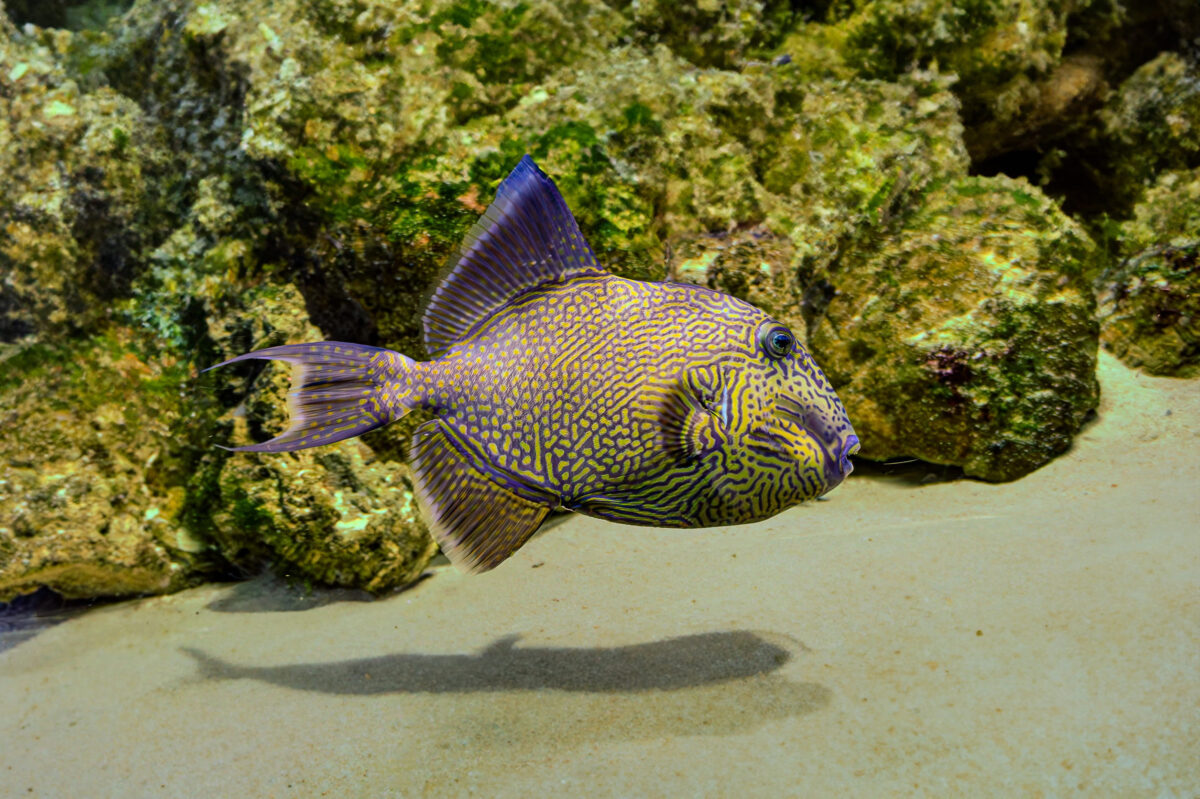
Triggerfish looks strange, mostly because of its teeth, but the flavor is gentle, sweet, and surprisingly elegant. Its diet includes hard-shelled sea creatures, which helps explain why the meat can carry a crab-like sweetness.
That makes it a smart choice for people who enjoy shellfish flavor but want a firm fish fillet instead. It can be grilled, pan-seared, or served with butter, lemon, herbs, and roasted vegetables. Triggerfish is often overlooked beside snapper or grouper, yet it can be just as satisfying when fresh.
Redfish
Redfish, also called red drum, has a firm texture and a mild, slightly sweet flavor. It became famous through blackened redfish, a Cajun-style preparation that uses butter, spices, and a very hot skillet to create a smoky, crusted exterior.
The fish also works well grilled on the half shell, where the skin and scales protect the flesh from drying out. NOAA describes Acadian redfish as mild, slightly sweet, medium-firm, moist, and flaky, which makes it an easy substitute for other white fish.
Blowfish
Blowfish is the most dramatic fish on this list because it comes with a serious warning. In Japan, fugu preparation requires expert training because some parts of the fish contain tetrodotoxin, a dangerous neurotoxin.
That means this is not a fish to experiment with at home or buy casually from an unreliable source. When prepared by properly trained professionals, however, blowfish is considered delicate, clean, and memorable. It can be served thinly sliced, fried, or cooked in a hot pot. This is one for adventurous eaters, not careless cooks.
Trevally
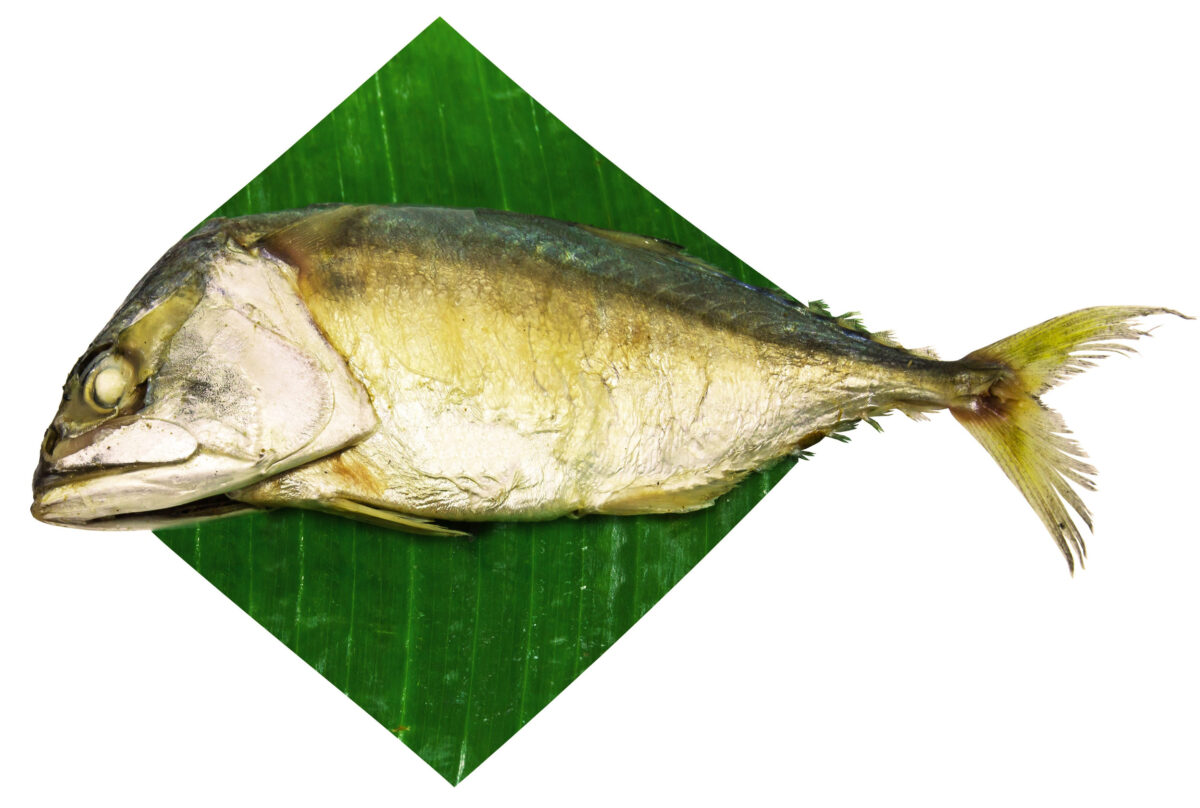
Trevally is often treated like a second-class fish, partly because some anglers see it as less glamorous than premium reef fish.
That is unfair. Fresh trevally can taste mild, clean, slightly sweet, and pleasantly fatty. It works especially well as sashimi when handled properly, but it also bakes, broils, and roasts nicely. A whole trevally with garlic, leeks, mushrooms, lemon, and olive oil can make a simple dinner feel coastal and generous. The trick is freshness, because oily fish always tastes best when handled carefully.
Tilefish
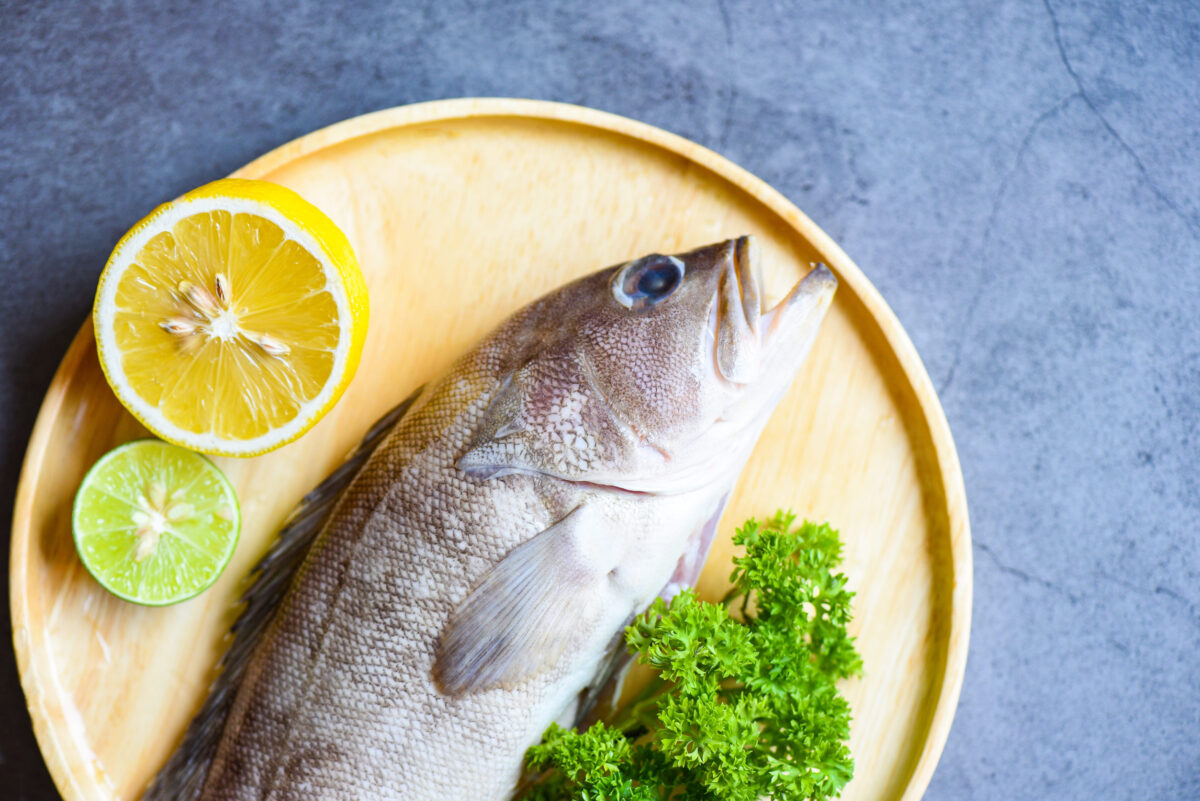
Tilefish has a sweet, shellfish-like flavor because it feeds on creatures such as crabs and shrimp near the ocean floor.
The flesh is firm, lean, and flaky, making it excellent for tacos, frying, roasting, or pan-searing. It has the kind of flavor that makes people ask, “What fish is this?” after one bite. There is one important caution: the FDA lists Gulf of Mexico tilefish among the fish with the highest mercury levels, especially for children and people who are pregnant or breastfeeding.
Conclusion
The seafood counter gets more exciting when you stop treating salmon, shrimp, and tuna as the only safe choices. Red mullet brings shellfish-like richness, monkfish offers lobster-style texture, catfish proves that affordable fish can be wonderful, and pompano may quietly outshine more famous fillets. Triggerfish, redfish, trevally, and tilefish add even more range, from sweet and flaky to firm and meaty.
The smartest approach is simple: buy fresh, ask your fishmonger questions, match the fish to the right cooking method, and check safety guidance for high-mercury species. Your next favorite dinner might be the fish you have been walking past for years.