9 American Food Traditions That Started for Reasons People Rarely Think About
Some foods become traditions because of flavor, but others gain popularity through practical circumstances. Agriculture, preservation methods, migration, marketing, and household budgets all influence what people eat. A dish that seems like an ordinary part of American culture today may have developed because families needed to use available ingredients or create meals that could travel. These nine examples reveal some of the practical forces behind familiar American food traditions.

1. Cornbread
Cornbread has deep connections to Native American food traditions and the widespread cultivation of corn. Cornmeal became an important ingredient in many regional American cuisines.

Different communities developed their own preparations, including skillet cornbread, corn pone, and other forms. Ingredients and textures varied according to local preferences.
Cornbread became particularly associated with Southern cooking because corn was an accessible staple. It could accompany beans, greens, and other meals. Its continued popularity reflects both flavor and regional identity.
2. Baked Beans
Beans have long served as useful ingredients because they provide substantial meals and can be stored in dried form. Slow-cooked bean dishes developed across several regions and cultures.
New England baked beans became particularly associated with molasses and lengthy cooking. Different recipes also incorporated pork or other seasonings.
The combination was practical because a pot could feed multiple people. It also suited cooking methods that used retained heat over extended periods. Modern baked beans remain familiar at cookouts and family gatherings, even though preparation methods have become more convenient.
3. Peanut Butter and Jelly Sandwiches
Peanut butter and jelly sandwiches became popular because they combined ingredients that were convenient to store and prepare. The finished meal required no cooking and could be packed for school or work.
Commercial peanut butter, packaged bread, and widely available fruit preserves helped make the combination practical. Its familiarity grew alongside changing lunch habits.
The sandwich eventually became a symbol of American childhood. But it also demonstrates how convenience influences food traditions. A history of the classic sandwich explores its place in earlier American lunchboxes.
4. Chicken and Dumplings
Chicken and dumplings developed through traditions of cooking poultry with dough-based ingredients. Similar combinations exist in several European and American culinary traditions.
The dish could stretch a quantity of chicken by adding dumplings and broth. This made it practical for families preparing meals with limited resources.
Regional differences developed over time. Some households preferred fluffy dumplings, while others used flat strips of dough. The finished meal remains closely associated with comfort food and family cooking.
5. Clam Chowder
Clam chowder became associated with coastal regions where shellfish were readily available. Different versions developed according to local ingredients and preferences.
New England clam chowder is commonly creamy, while Manhattan-style versions use a tomato-based broth. The distinction has become part of regional food identity.
Chowder also reflects the practical value of combining seafood with potatoes, vegetables, and liquid. The result can provide a substantial meal. Restaurant popularity helped spread chowder beyond its original regional settings.
6. Hoppin’ John
Hoppin’ John combines peas and rice and is strongly associated with the American South. It reflects the influence of African and African American food traditions.
The dish is particularly familiar around New Year’s Day, when eating peas is associated with prosperity. Different families prepare it with varied seasonings and ingredients.
Its practical value comes from combining pantry staples into a substantial meal. The tradition has remained meaningful across generations. Hoppin’ John also demonstrates how food can carry both cultural significance and everyday usefulness.
7. Meatloaf
Meatloaf became familiar because ground meat could be combined with breadcrumbs, eggs, and seasonings. The mixture allowed households to produce several servings from a limited amount of meat.
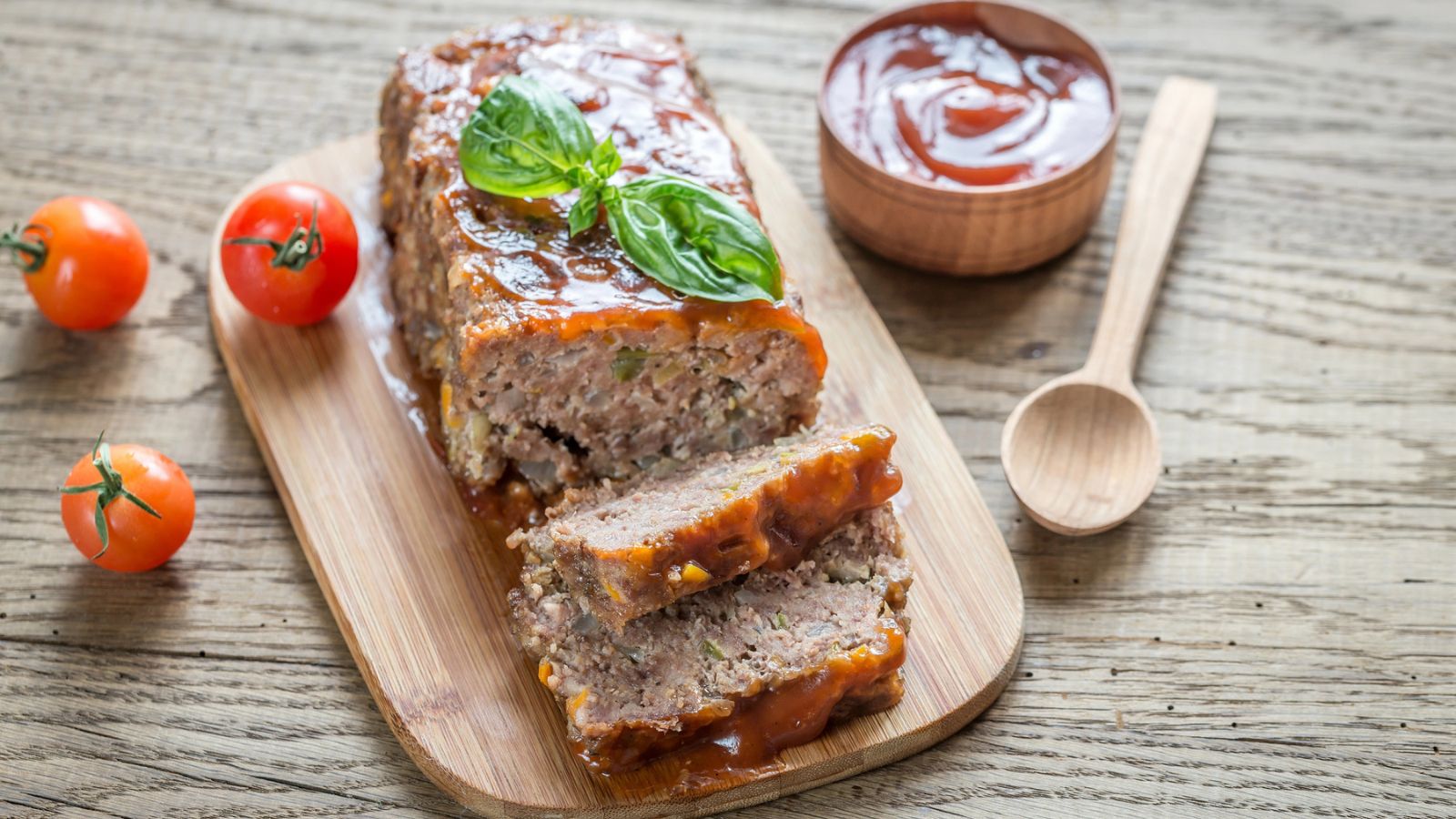
Recipes developed in different countries before becoming familiar in American kitchens. Later, meatloaf became associated with home cooking and convenient prepared meals.
Its adaptability helped it survive changing food trends. Families could adjust seasonings, glazes, and additional ingredients. The dish remains practical even when it no longer appears on every household’s weekly menu.
8. Fried Green Tomatoes
Fried green tomatoes are strongly associated with Southern cooking, although their history is broader than one region. Using firm, unripe tomatoes offers a different preparation from eating ripe fruit.
Slicing, coating, and frying the tomatoes produces a crisp exterior and tart interior. The method can make use of tomatoes that haven’t fully ripened.
The dish became especially recognizable through regional restaurants and popular culture. Its modern identity reflects several influences rather than a single origin story. Fried green tomatoes remain appealing because their flavor and texture differ from many familiar tomato dishes.
9. Banana Pudding
Banana pudding combines fruit, custard or pudding, and cookies into a layered dessert. It became strongly associated with Southern family gatherings.

The availability of imported bananas and commercially produced vanilla wafers helped make the dessert more accessible. Recipes developed to suit household preferences.
Some families prepare pudding from scratch, while others use packaged mixes. Both methods demonstrate how convenience can influence a traditional dish. Banana pudding remains popular because it is easy to share and can be prepared ahead of time.
Why Food Traditions Have Complicated Histories
A familiar American dish rarely has one simple origin. Recipes travel through migration, trade, family relationships, and changing ingredient availability.
Food historians often distinguish between the earliest known recipe and the period when a dish became widely popular. Those moments may occur decades apart. The Smithsonian’s food history resources document how American eating habits developed through cultural exchange and changes in technology.
Understanding these histories can make familiar meals more interesting. A simple bowl of beans or slice of cornbread connects modern kitchens with generations of cooking knowledge.
Traditions survive because people continue preparing and sharing them. Their meanings can change, but the connections between food, family, and place remain important.