8 Food Storage Mistakes That Can Waste Groceries Before You Get to Eat Them
A grocery trip can become expensive when fresh food spoils before anyone has a chance to cook it. Sometimes the problem isn’t the quality of the ingredients but how they’re stored after arriving home.
Different foods require different conditions. Some need refrigeration immediately, while others maintain better quality in a cool, dry place. These eight mistakes are worth correcting because proper storage can reduce waste and help households make better use of grocery purchases.
1. Leaving Perishable Groceries Out Too Long
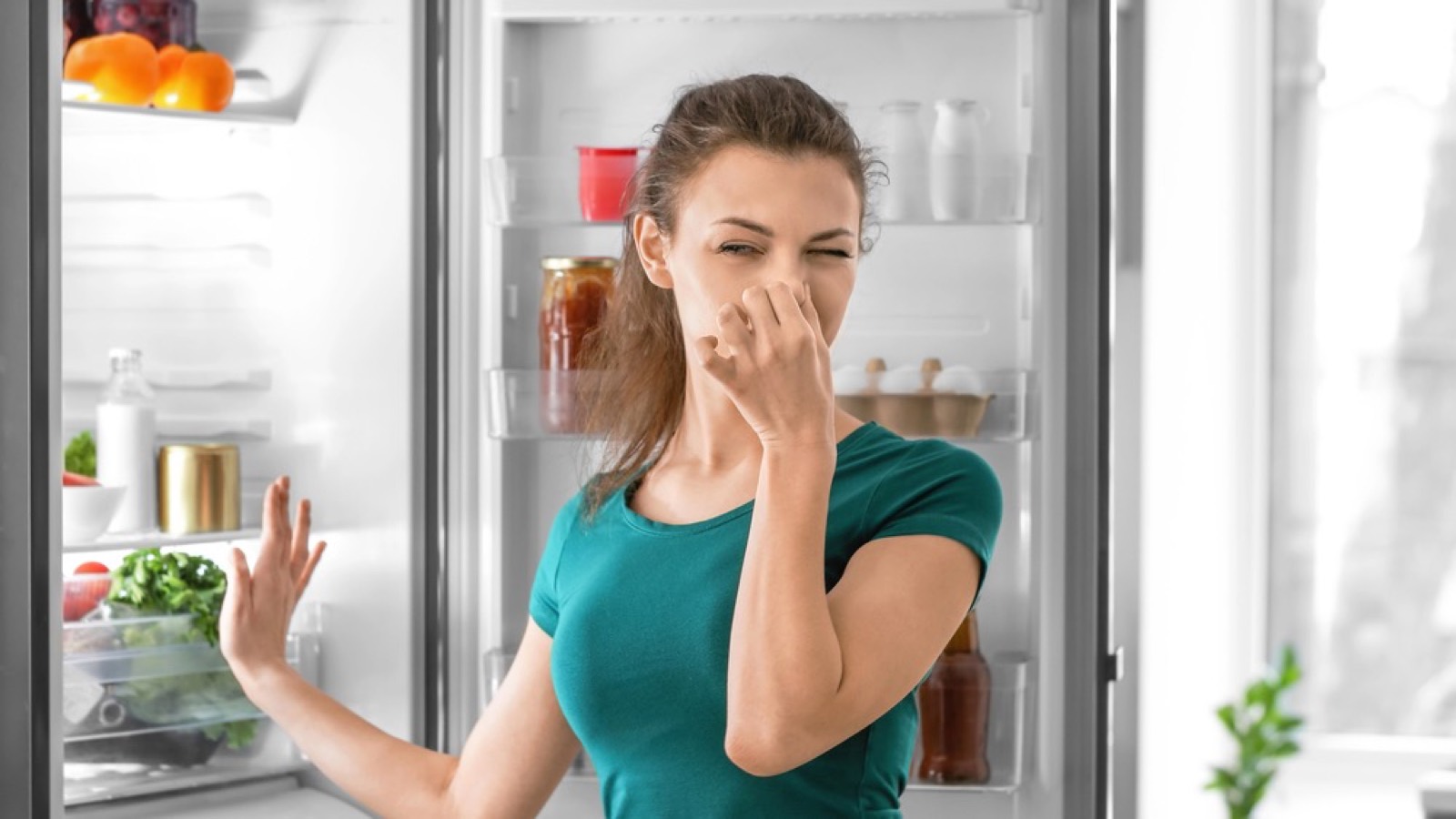
Meat, poultry, seafood, dairy products, and certain prepared foods require appropriate refrigeration. Leaving them at room temperature for too long can allow harmful bacteria to grow.
The FDA recommends refrigerating perishable foods within two hours, or one hour when temperatures exceed 90°F. These limits apply even when the food still looks or smells normal.
Shopping routines should account for travel time, particularly during hot weather. Insulated bags or coolers can help when refrigeration will be delayed. Putting perishable groceries away promptly is one of the simplest ways to protect food safety.
2. Overfilling the Refrigerator
A refrigerator needs proper air circulation to maintain consistent cooling. Overcrowding shelves can interfere with that process.

An overfilled refrigerator also makes ingredients harder to find. Products may be pushed to the back and forgotten until they spoil.
Organizing food by category can help keep frequently used ingredients visible. It also makes it easier to check what needs to be used.
The refrigerator should maintain a temperature of 40°F or below. A thermometer helps verify that it is operating correctly.
3. Storing Everything in the Same Produce Drawer
Fruits and vegetables differ in how they respond to moisture, temperature, and ethylene gas. Some fruits release ethylene, which can accelerate ripening in sensitive produce.
Storage requirements vary between products. Treating every fruit and vegetable identically may reduce quality.
Separating suitable produce and using refrigerator drawers correctly can help. Manufacturer instructions and reliable produce-storage guidance provide useful recommendations.
The goal isn’t to create an elaborate storage system. It is to understand which ingredients need different conditions.
4. Forgetting About Opened Packages
An unopened product may have a long shelf life, but opening it can change storage requirements. Some sauces, dairy products, and other foods require refrigeration after opening.
Labels often provide instructions that should be followed. Ignoring them can lead to quality problems or unsafe storage.
Writing the opening date on frequently used packages can help. This is particularly useful for products that remain in the refrigerator for several weeks.
The printed date isn’t always a reliable guide after a package has been opened. Storage instructions and the nature of the product matter.
5. Keeping Potatoes in Unsuitable Conditions
Potatoes generally store best in a cool, dark, well-ventilated place. Warm conditions and exposure to light can encourage sprouting or greening.

Green potatoes may contain elevated levels of glycoalkaloids, so they require appropriate caution. Discarding heavily green or spoiled potatoes is safer than trying to salvage them.
Storage conditions affect how long potatoes maintain quality. Buying a large bag is useful only when the household can store it properly. Inspecting potatoes regularly helps prevent one spoiled item from affecting others.
6. Ignoring Freezer Organization
A freezer can preserve food for extended periods, but poor organization makes ingredients difficult to use. Packages may become buried beneath newer purchases.
Labeling food with its name and freezing date helps. Dividing large quantities into practical portions also reduces unnecessary thawing.
Freezer burn can affect flavor and texture, although it doesn’t automatically make food unsafe. Appropriate wrapping helps maintain quality. The USDA’s cold storage chart provides recommended storage periods for different foods.
7. Keeping Cooking Oil Near Heat
Cooking oil is often stored beside the stove because that location is convenient. But repeated exposure to heat, air, and light can accelerate deterioration.

Different oils have different storage requirements and shelf lives. Their quality can also change after opening.
A cool, appropriate storage location helps preserve flavor. Containers should be closed properly when not in use. Buying only what the household can use within a reasonable period may be more economical than keeping an oversized bottle for years.
8. Failing to Rotate Pantry Ingredients
Pantry ingredients can remain forgotten when newer purchases are placed in front of them. Over time, products may lose quality or reach the end of their recommended storage periods.
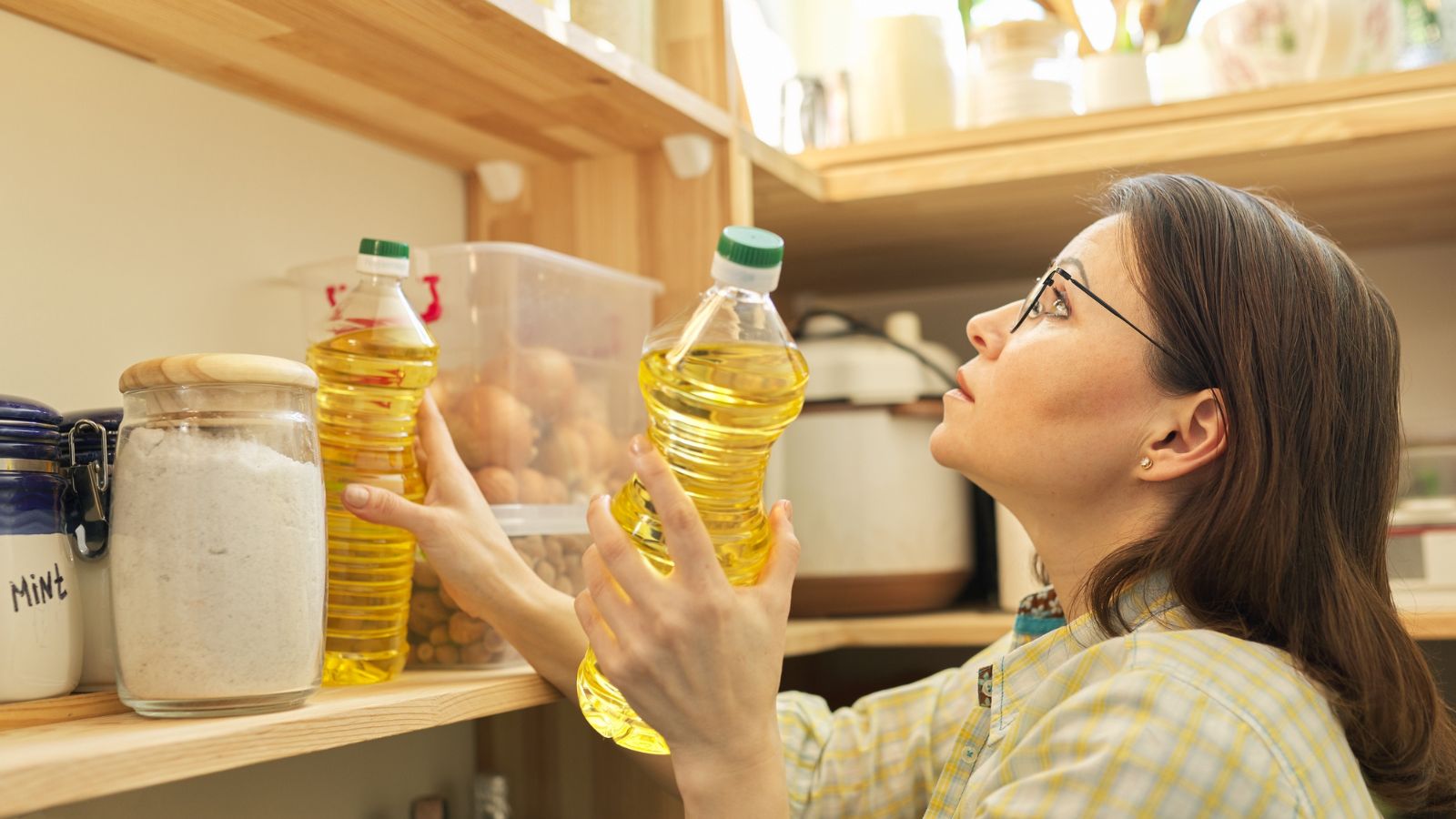
Placing older packages where they’re easy to see encourages their use. Checking the pantry before shopping also reduces duplicate purchases.
Traditional pantry organization habits often centered on keeping useful staples available. The same approach remains practical when combined with modern storage guidance.
A simple inventory doesn’t need to be complicated. Knowing which ingredients are available can make meal planning easier.
Food Storage Is About More Than Saving Money
Proper storage helps reduce waste, but food safety is the most important consideration. Some foods can become unsafe without developing an obvious smell or appearance.
The right approach depends on the product, package, and storage environment. General rules are useful, but manufacturer instructions and authoritative food safety guidance should take priority.
A practical kitchen doesn’t need expensive containers or complicated systems. Clear labels, suitable temperatures, and regular checks can make a meaningful difference.
The next time groceries spoil before they’re used, consider whether purchasing habits or storage conditions contributed. Correcting the cause may provide more savings than finding another supermarket discount.