Trump’s Higher Education Crackdown Reshapes America’s Universities, Research and Student Futures
The future of American colleges is being rewritten in real time. Trump’s higher education crackdown has moved beyond political debate and into classrooms, research laboratories, financial offices and immigration departments, creating one of the most significant confrontations between the federal government and universities in modern history.
Since returning to office, President Donald Trump has used federal funding decisions, executive orders, immigration authority, and regulatory changes to pressure colleges and universities to change policies on diversity programs, admissions, student loans, foreign students, and campus governance. Supporters describe the effort as a push for accountability and fairness. Critics argue it represents an unprecedented attempt to influence academic independence through federal power.
The battle reflects deeper disagreements that have shaped American higher education for years. Conservatives have criticized universities for rising costs, ideological divisions, and what they describe as political bias on campuses. Universities and academic organizations have argued that government intervention threatens free inquiry, institutional independence, and the ability to address complex social issues.
At stake is more than a dispute between Washington and elite universities. The outcome could influence how colleges operate, how research is funded, how students access education and whether America remains the world’s leading destination for global academic talent.
The Billion-Dollar Pressure Campaign That Changed the University Landscape

For decades, federal funding has been the foundation of America’s research university system. Government grants have supported medical breakthroughs, technological innovation, defense research, and scientific discoveries that shaped the modern economy.
The Trump administration has challenged that relationship by using federal funding as a tool to demand institutional changes. Universities that receive government support are facing greater scrutiny over civil rights compliance, campus policies, and administrative decisions.
The strategy has created a new environment in which university leaders must consider how federal agencies may respond to decisions that were previously handled internally. Issues involving student protests, admissions practices, and campus programs have become connected to questions about federal financial support.
The conflict became especially visible at Columbia University after protests related to the Israel-Gaza war created national attention. Federal officials accused the university of failing to adequately address antisemitism and warned that federal funding could be affected if the institution did not make changes.
Columbia eventually reached an agreement with the administration that restored access to major federal grants while requiring commitments related to university policies. The case demonstrated how quickly disagreements over campus issues could become financial disputes involving hundreds of millions of dollars.
The impact extended beyond Columbia. Other universities, including major research institutions, began reviewing policies and preparing for possible federal investigations. The message across higher education was clear: federal funding was no longer viewed only as financial support, but also as a mechanism of influence.
Harvard Became the Symbol of a Larger University Battle
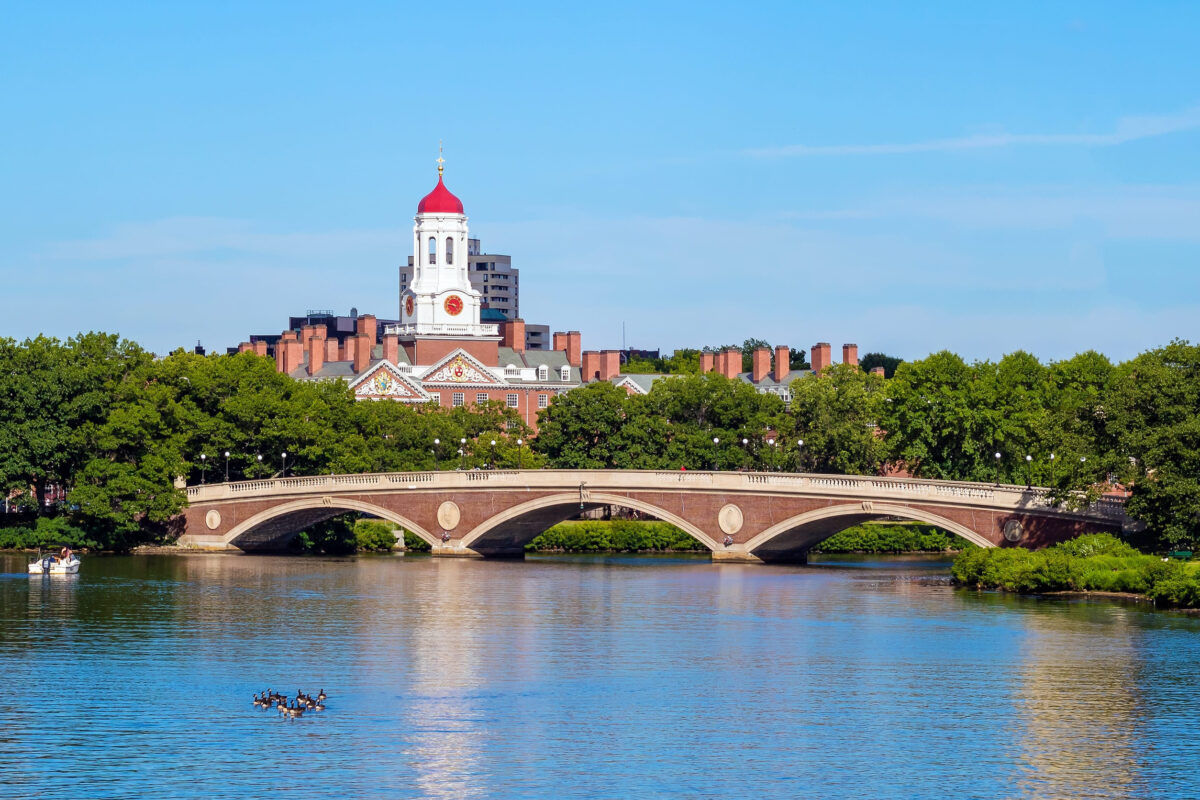
The dispute between the Trump administration and Harvard University became the most recognizable example of the higher education crackdown. The conflict placed questions about academic independence, government authority, and university accountability at the center of national attention.
Federal officials froze billions of dollars in research funding after accusing Harvard of failing to meet civil rights obligations and demanding changes involving admissions, hiring, governance and diversity initiatives. Harvard rejected the demands and argued that the government was attempting to interfere with institutional decision-making.
The legal battle highlighted a fundamental disagreement. The administration argued that universities receiving taxpayer money must follow federal priorities. Harvard argued that financial support should not allow the government to control academic policies or university operations.
The court dispute also revealed the broader financial risks facing research institutions. Federal grants support thousands of researchers, graduate students, and scientific projects. A disruption in funding can affect laboratories, medical studies, and innovation programs that take years to develop.
Universities have historically relied on federal partnerships to maintain America’s global research leadership. From space exploration to medical technology, many major achievements have involved cooperation between academic institutions and government agencies.
The Harvard case, therefore, became about more than one university. It became a test of how much authority a president has over institutions that depend heavily on federal funding.
The Research Cost Hidden Behind the Political Fight
While debates about campus culture dominate public discussion, researchers are watching another concern closely: the future of American scientific innovation.
Federal research grants not only support professors. They fund graduate assistants, laboratory technicians, early-career scientists, and long-term projects. When funding becomes uncertain, universities may delay hiring, reduce research activity, or reconsider expensive programs.
The consequences can reach beyond campuses. Universities contribute significantly to the national economy through patents, technology development, and industry partnerships. Many companies have grown out of academic research in fields such as biotechnology, artificial intelligence, and engineering.
A prolonged period of uncertainty could also affect America’s competition with other countries. Nations including China, Canada, and Germany have increased efforts to attract researchers and international students who contribute to scientific advancement.
The debate is complicated because both sides present concerns about the future of higher education. Supporters of the crackdown argue that universities need stronger oversight and better financial accountability. Critics warn that unpredictable government intervention could weaken research systems that took decades to build.
The central question is whether increased federal control will improve universities or create long-term damage to one of America’s strongest economic advantages.
International Students Face a New Era of Uncertainty

Another major part of Trump’s higher education crackdown involves international students. For decades, foreign students have been an important part of American universities, contributing to research, classroom diversity, and local economies.
The United States has traditionally attracted talented students because of its academic reputation and career opportunities. However, visa restrictions, immigration reviews, and uncertainty surrounding campus protests have created new concerns among international applicants.
Some students have faced visa challenges connected to demonstrations or alleged violations of immigration rules. Universities have responded by increasing legal guidance and advising international students to carefully understand their responsibilities.
The effects are not limited to students themselves. International enrollment contributes billions of dollars to the U.S. economy each year and supports jobs in communities surrounding universities.
A decline in international enrollment could create financial pressure for institutions that rely on foreign student tuition. Many graduate programs, particularly in science and engineering, also depend heavily on international researchers.
The issue raises a larger question about America’s position in global education. If talented students begin choosing other countries because they perceive the United States as unpredictable, universities may face a long-term challenge competing for global talent.
The Quiet Campus Changes Happening Before New Rules Arrive
The most visible part of the higher education crackdown involves lawsuits and government announcements. However, a quieter transformation is happening inside universities themselves.
Many institutions have begun reviewing diversity programs, scholarship requirements, hiring language, and campus policies to reduce legal risks. Some have renamed departments, changed administrative structures or moved certain initiatives into broader student-support programs.
This shift reflects a common pattern in regulated industries. Organizations often adjust their behavior before facing formal penalties because investigations can be expensive and damaging to reputation.
Universities are also reconsidering how they manage protests, political speech, and disciplinary procedures. Administrators are balancing competing concerns: protecting free expression while meeting federal expectations regarding safety and discrimination.
The result is a more cautious campus environment. Decisions that once focused mainly on academic priorities are now increasingly reviewed through legal and financial considerations.
Student Loans Enter a New Chapter After Years of Debate

Student debt has been one of the most politically divisive issues in American higher education. The Trump administration has moved to reverse several policies associated with broad student loan relief and reshape how borrowers repay federal debt.
New repayment structures, borrowing limits, and changes to graduate lending are expected to affect future students. Supporters argue that these reforms encourage responsible borrowing and pressure universities to control rising costs.
Critics warn that reduced federal support could make higher education less accessible, especially for graduate students pursuing expensive professional programs. Fields such as medicine, law, and advanced research often require significant financial investment.
The student loan debate reflects a larger disagreement over responsibility. One side argues that universities and borrowers must face stronger financial discipline. The other argues that education remains a public investment that benefits society.
As these changes take effect, students and families will need to make more careful decisions about where they study, how much they borrow, and what career outcomes they expect.
Accreditation Becomes the Next Front in Federal Influence
Accreditation rarely receives public attention, but it plays a powerful role in American higher education. Colleges generally need accreditation to access federal student aid, making accrediting organizations an important gatekeeper.
The Trump administration has targeted accreditation reform as part of its broader higher education agenda. Officials argue that accreditation should focus more heavily on student outcomes, affordability, and academic quality.
Supporters believe reform could challenge a system that has allowed tuition costs to rise without enough accountability. Critics worry that changing accreditation rules could allow political concerns to influence academic evaluations.
Because accreditation affects thousands of institutions, even small regulatory changes could have major consequences. Colleges may need to adjust programs, reporting systems, and administrative structures to meet new expectations.
The issue demonstrates how Trump’s higher education crackdown extends beyond individual universities. It seeks to reshape the systems that determine how colleges operate.
The Courts Will Decide How Far the Crackdown Can Go
Many elements of Trump’s higher education crackdown are now being tested through the legal system. Courts have blocked some policies while allowing others to move forward.
The disputes involve fundamental questions about presidential authority, federal spending power, and constitutional protections. Judges must determine where legitimate government oversight ends and improper interference begins.
The outcomes of these cases will likely influence American education for years to come. A future administration may inherit policies created during this period, while universities may permanently change how they approach federal relationships.
The higher education debate is ultimately about more than one president or one political moment. It is about the balance between public accountability and academic independence.
American universities have long been places where society debates difficult questions, challenges established ideas, and creates new knowledge. The current conflict will determine whether that tradition continues under greater federal oversight or whether universities retain broader control over their own future.