9 Food Habits That Can Make Cooking Easier for People Over 60
For many people, cooking changes after 60. The children have grown and moved out, and the big family dinners of years past have become meals for one or two. Joints may ache a little more, standing at the stove for an hour is less appealing, and recipes that once fed six now leave a refrigerator full of leftovers.
None of that means giving up on good, home-cooked food. A few smart habits can make cooking simpler, safer, and more enjoyable at any age. Many of them also save money and reduce waste. Here are nine food habits that can make cooking easier for people over 60, so the kitchen stays a place of comfort instead of a chore.
1. Cook Smaller Portions
After years of cooking for a family, it can be hard to adjust to smaller meals. Many people still make full recipes and end up with too many leftovers. Food often goes to waste before it can be eaten.
Cutting recipes in half or buying smaller packages can help. Many recipes can be easily scaled down for one or two people. This saves money and makes meal planning easier.
Freezing extra portions is another helpful habit. If a recipe makes four servings, two can be eaten now and two can be frozen for later. This gives you ready-made meals for nights when you don’t feel like cooking.
2. Keep Frozen Vegetables on Hand
Fresh vegetables can spoil quickly when cooking for one or two. Frozen vegetables are a convenient alternative. They are already washed and cut, saving time and effort.
Frozen vegetables can be just as nutritious as fresh ones. They can be added to soups, stir-fries, and casseroles in minutes. Keeping a few bags in the freezer ensures you always have healthy options.
3. Use Canned Fish for Quick Meals
Canned tuna, salmon, and sardines are easy, affordable sources of protein. They require no cooking and can be used in salads, sandwiches, or pasta dishes. They also last a long time in the pantry.
Many canned fish options are rich in omega-3 fats, which support heart health. Canned salmon with soft bones also provides calcium. They are a great choice for quick, nutritious meals.
4. Make Soup Ahead of Time
Soup is an easy meal that can be made in large batches and frozen in individual portions. It’s a great way to use up vegetables and leftovers. Reheating a bowl of soup takes just minutes.
Having homemade soup in the freezer makes it easy to enjoy a warm meal on busy or tired days. It’s also comforting and nourishing. Many people find it helpful to cook a big pot once a week.
Labeling soup containers with the date and type of soup makes it easier to keep track of what you have. Most soups keep well in the freezer for a few months. Thawing a container in the refrigerator the night before makes dinner even simpler.
5. Choose Easy Breakfasts
Breakfast doesn’t need to be complicated. Oatmeal, yogurt, eggs, and whole-grain toast are quick and nutritious options. Preparing overnight oats or hard-boiled eggs in advance makes mornings even easier.
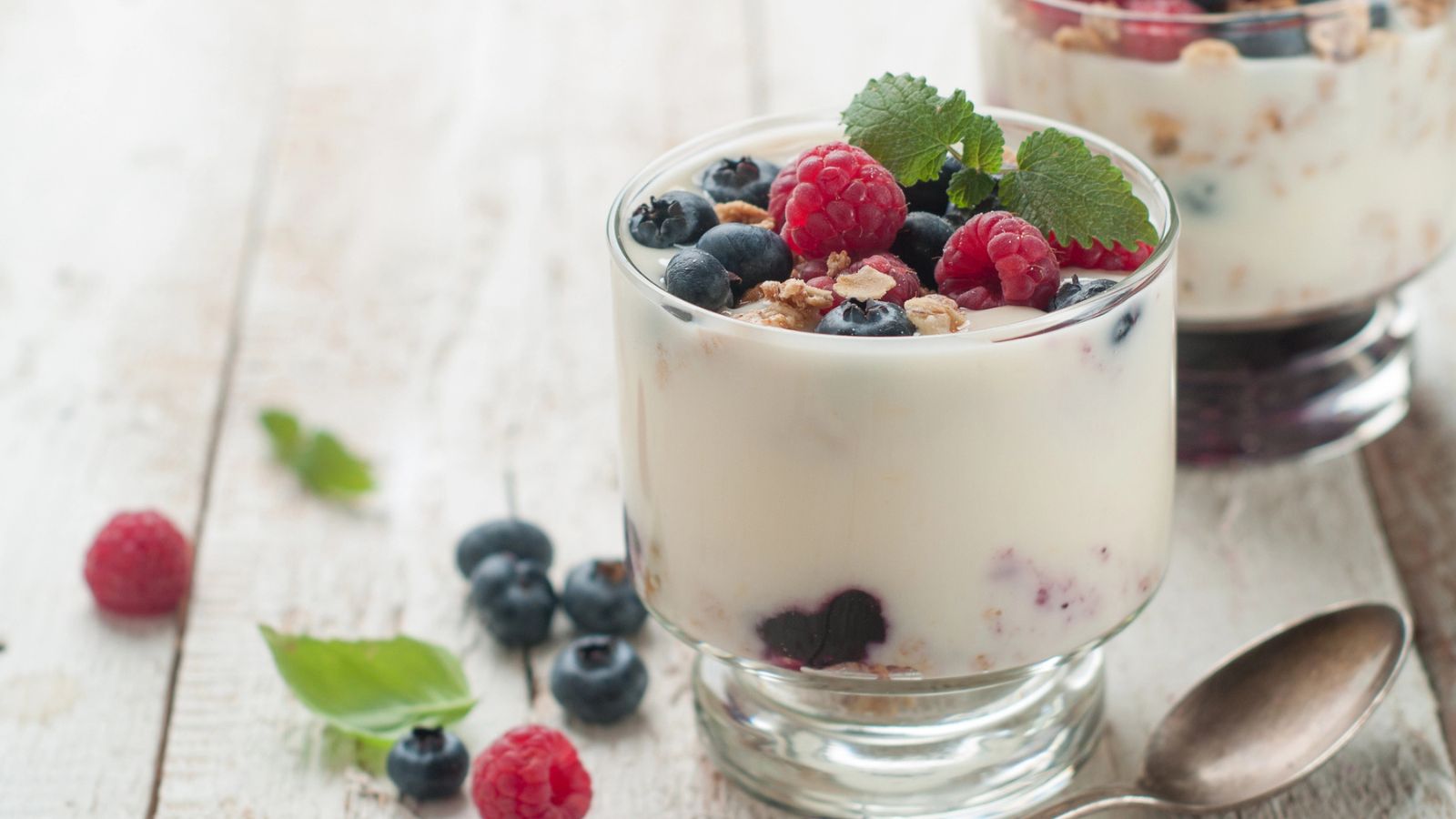
A good breakfast provides energy for the day. Many simple breakfasts can be made in just a few minutes. Keeping ingredients on hand makes it easy to stick to healthy habits.
6. Use Kitchen Tools That Reduce Strain
As we age, some kitchen tasks can become harder. Tools like jar openers, lightweight pots, and electric can openers can make cooking easier. Slow cookers and air fryers can also simplify meal preparation.
Choosing tools that reduce strain on hands and wrists can make cooking more comfortable. Many people find that a compact air fryer toaster oven replaces several appliances. Investing in the right tools can make the kitchen safer and more enjoyable.
Organizing the kitchen can help too. Keeping everyday items on lower shelves reduces the need to climb or stretch. A sturdy step stool with a handle is safer than standing on a chair for anything stored up high.
7. Keep a List of Favorite Recipes
Keeping a list of easy, favorite recipes can make meal planning simpler. It helps avoid the question of what to cook each day. It also makes grocery shopping easier.
Many people keep recipe cards or a notebook in the kitchen. Others save recipes on a tablet or phone. Having go-to meals saves time and reduces stress.
Some people also write down how much of each recipe they need for one or two servings. That way, they don’t have to do the math every time. Small notes like these make cooking faster and more relaxing.
8. Pay Attention to Food Safety
As we age, our immune systems may become less effective at fighting off foodborne illness. According to FoodSafety.gov, adults 65 and older are at higher risk of hospitalization from food poisoning. Taking food safety seriously becomes even more important.

Using a food thermometer, storing leftovers properly, and checking expiration dates can help prevent illness. Washing hands and surfaces regularly is also important. These simple habits can protect your health.
9. Share Meals Occasionally
Cooking for one can sometimes feel lonely. Sharing meals with friends, family, or neighbors can make cooking more enjoyable. It’s also a great way to stay connected.
Some people organize potluck dinners or cooking clubs. Others take turns hosting meals with friends. Sharing food brings people together and adds joy to everyday life.
Community centers and churches also offer group meals for older adults in many towns. These gatherings can provide both a hot meal and good conversation. Some programs are free or low-cost, making them a helpful option for people on fixed incomes.
What Matters Most
The most important thing is to make cooking simple and enjoyable. Small changes can make a big difference in how you feel about preparing meals. Eating well supports health and independence as we age.
Some outdated habits are worth letting go of after 60, while others are worth keeping. With the right approach, cooking can remain a pleasure for years to come. Which of these habits has made cooking easier for you?