8 Fast-Food Menu Items Boomers Remember That Were Pulled for Good
Baby boomers were there when American fast food was born. They remember the first golden arches in their towns, the excitement of a new burger joint opening up, and menus so short they fit on a single board above the counter. Over the decades, they watched those menus grow, change, and lose many of the items they loved.
Some of those menu items were victims of changing tastes. Others disappeared because they were too expensive to make, too slow to prepare, or simply never caught on. A few vanished when the chains that sold them closed their doors for good.
For boomers who remember them, these foods are a delicious piece of personal history. Here are eight fast-food menu items boomers remember that were pulled for good, along with the stories behind them.
1. Burger Chef’s Big Shef
In the 1960s and 1970s, Burger Chef was one of the biggest fast-food chains in America, with restaurants in towns across the Midwest and beyond. Its signature burger, the Big Shef, was a double cheeseburger with a special sauce on a three-part bun. Many boomers considered it every bit as good as the Big Mac.
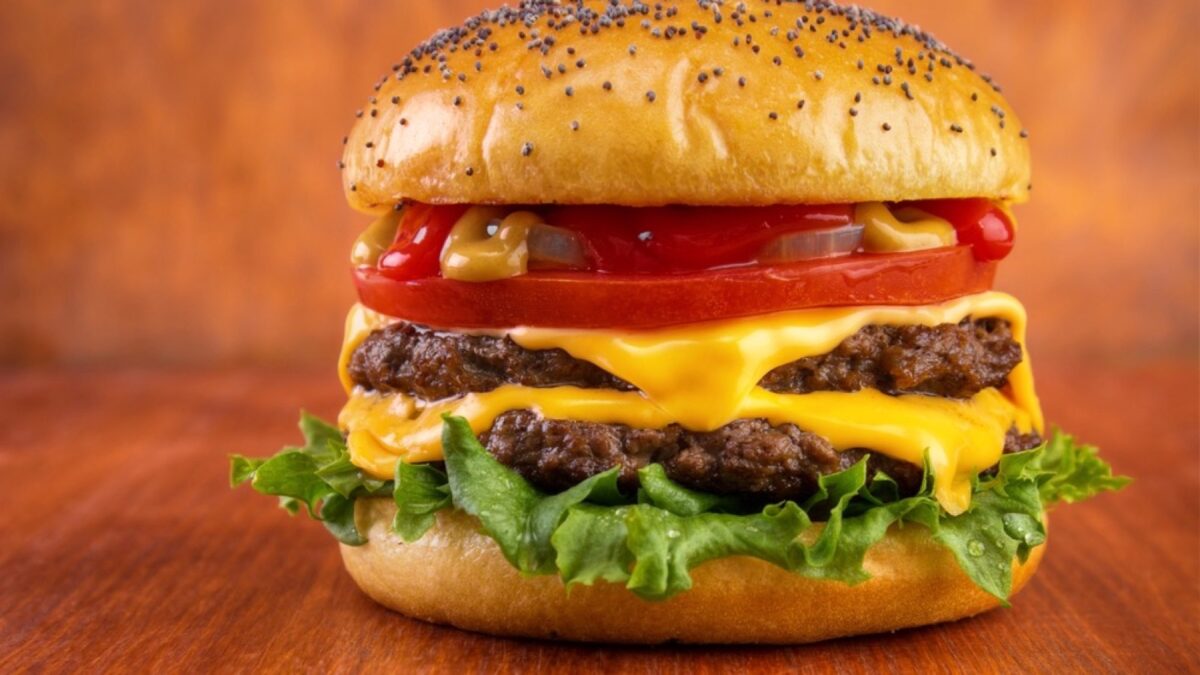
In 1982, Burger Chef was sold to Imasco, the Canadian company that also owned Hardee’s, and most locations were converted or closed, as Fox Business has recounted. The Big Shef disappeared along with the chain, though Hardee’s has brought it back for short runs in some Midwestern locations. Boomers who grew up near a Burger Chef still talk about it with real affection.
2. Burger King’s Whaler
Before Burger King had its current fish sandwiches, it sold the Whaler. Introduced in the 1960s, it was a breaded fish fillet with tartar sauce and lettuce on a bun. It was a popular choice on Fridays, especially among Catholic families who did not eat meat that day.
The Whaler stayed on the menu for many years before being replaced by other fish sandwiches. Many boomers still remember the name. For them, it was the original Burger King fish sandwich.
3. Taco Bell’s Bell Beefer
In the 1970s and 1980s, Taco Bell sold the Bell Beefer, which was essentially taco meat served on a hamburger bun with lettuce, cheese, and sauce. It was meant to appeal to customers who were not yet comfortable with tacos and burritos.
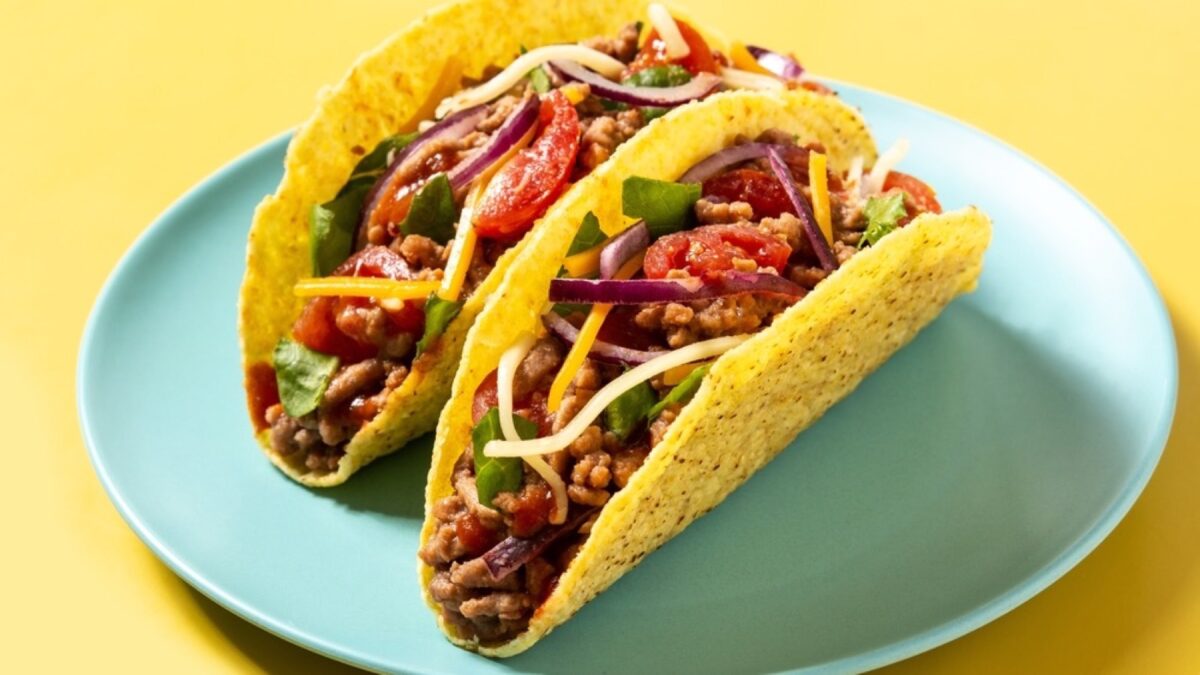
As Mexican-inspired food became more popular across the country, the Bell Beefer was no longer needed. It was eventually removed from the menu. Today, many people are surprised to learn that Taco Bell once sold something that looked so much like a sloppy joe.
4. McDonald’s McLean Deluxe
In 1991, McDonald’s introduced the McLean Deluxe, a low-fat burger meant to appeal to health-conscious customers. To reduce the fat content, the patty included water and a seaweed-based ingredient called carrageenan. The chain promoted it heavily.
Despite the marketing, customers did not embrace it, and many complained about the taste. The McLean Deluxe was discontinued in the mid-1990s. Boomers who were trying to eat healthier at the time often remember it as an interesting experiment.
5. McDonald’s Cheddar Melt
The Cheddar Melt was a limited-time McDonald’s burger that many boomers remember from the late 1980s. It featured a beef patty topped with grilled onions and a creamy cheddar cheese sauce on a rye bun. It was richer than anything else on the menu.
The Cheddar Melt has made occasional appearances over the years, but it never became a permanent menu item. Fans still remember it as one of the best burgers McDonald’s ever made. Many would love to see it return.
6. KFC’s Original Chicken Littles
In 1987, KFC introduced Chicken Littles, small sandwiches made with a chicken patty and mayonnaise on a soft dinner roll. They were inexpensive and perfect for a quick snack. Many people bought several at a time.
The original Chicken Littles were discontinued in the 1990s. KFC later brought back a new version, but fans of the original say it was not the same. For many, the original remains a cherished memory.
7. Burger King Burger Bundles
In the late 1980s, Burger King sold Burger Bundles, small slider-style burgers sold in packs. They were similar to the famous White Castle sliders, but with Burger King’s flame-grilled taste. They were popular with families and groups.
Burger Bundles were discontinued after a short time. Burger King has experimented with sliders since then, but many people still remember the original Burger Bundles as a fun and tasty treat.
8. Pizza Hut’s Bigfoot Pizza
In 1993, Pizza Hut introduced the Bigfoot pizza, a rectangular pizza measuring roughly two feet long and one foot wide. It was cut into many small squares and was perfect for parties and big families. Kids loved its giant size.
The Bigfoot pizza was discontinued after a few years. It has become a nostalgic favorite, especially for those who remember it from birthday parties. Pizza Hut has occasionally revived similar large pizzas, but the original Bigfoot remains a legend.
What Boomers Miss Most About Early Fast Food
For many boomers, the menu items themselves are only part of the story. They also remember how simple and exciting fast food felt when it was new. A trip to Burger Chef or an early McDonald’s was a special treat, not an everyday habit.
Prices were lower, menus were shorter, and many restaurants felt like part of the local community. Teenagers worked their first jobs behind the counter, and families gathered there after ball games and school events. Those memories make the lost menu items feel even more meaningful.
Today, fast-food chains often look back to the past for inspiration. Limited-time returns of old favorites are common, and some chains have even revived retro packaging and logos. For boomers, these moments are a chance to relive a little of their youth. Many of them also remember the restaurants boomers loved in the 1980s, and the foods boomers loved at home when they were growing up.
Why Menu Items Disappear
Fast-food chains constantly update their menus to keep customers interested and to control costs. Items that are slow to prepare, expensive, or not selling well are often removed. Sometimes an entire chain disappears, taking its signature items with it.
For boomers, these foods are a reminder of the early days of fast food, when every new menu item felt exciting. Some may return for a limited time, but the originals will always live on in their memories.