7 Things Never to Do When Living Alone in Winter
When you live alone, keeping your home comfortable and running smoothly often comes down to the little things you remember to do. You are the person checking the thermostat, preparing for power outages, arranging maintenance, and noticing when something around the house needs attention.
During winter, those responsibilities become especially important as freezing temperatures, snow, and ice can affect different parts of your home. A few everyday habits that seem harmless can create unnecessary household problems when the weather turns cold. With a little preparation, you can avoid many of them.
From relying on the wrong heating equipment to overlooking roof damage, here are seven things to avoid when managing your home alone during winter.
Never Turn Off Your Heat When Leaving During Freezing Weather
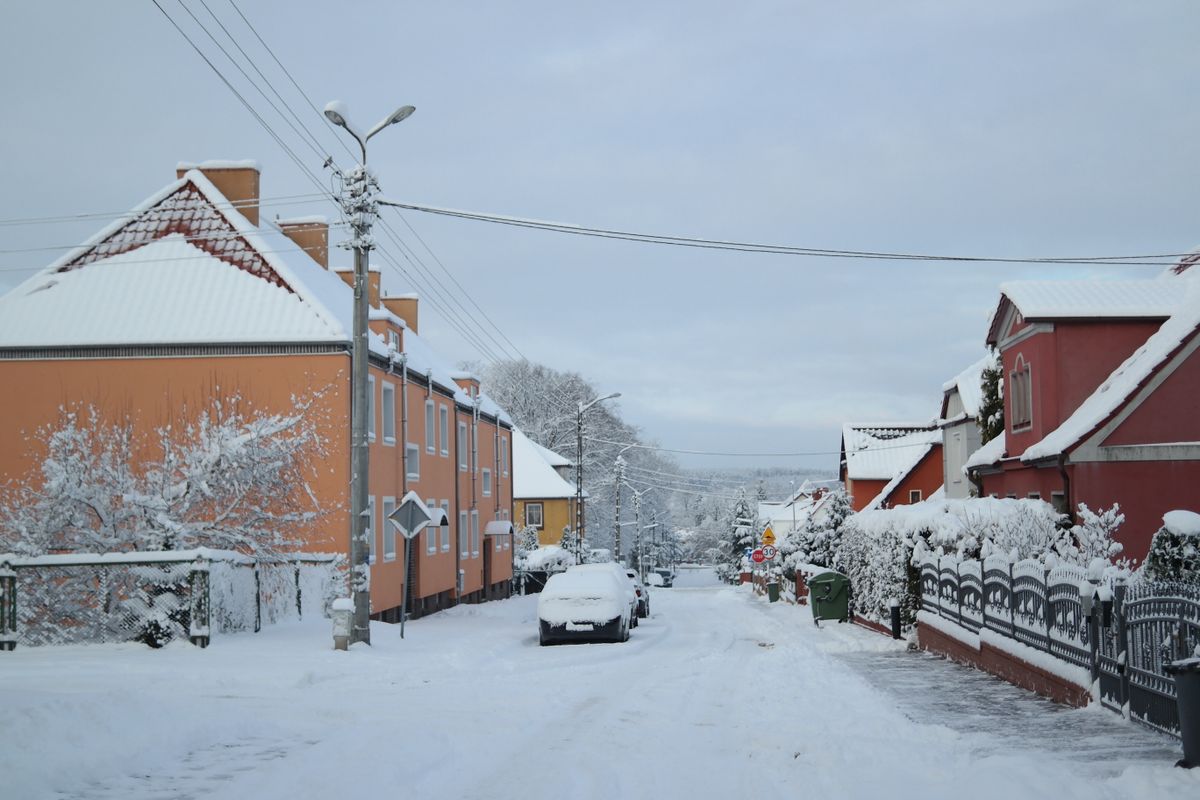
Heading out of town for a few days might make you think turning off the heat is a sensible way to manage your home while nobody is there. However, allowing indoor temperatures to drop too far during freezing weather can leave your plumbing vulnerable.
Pipes located in unheated areas, such as basements and crawl spaces, and those near poorly insulated exterior walls are particularly susceptible to freezing. When water inside a pipe freezes, it expands and puts pressure on the plumbing.
The American Red Cross’s guidance on preventing frozen pipes recommends keeping the thermostat at no lower than 55°F when leaving home during cold weather. During particularly cold conditions, it also advises maintaining the same thermostat setting throughout the day and night rather than lowering it overnight.
This does not guarantee that every pipe will remain protected, but it is an important precaution. Before leaving for a winter trip, make checking the thermostat part of your regular departure routine. A quick look at the temperature setting can help you avoid leaving the house unnecessarily cold.
Never Leave a Space Heater Running Unattended
A portable space heater can be convenient when you want to warm a particular room without adjusting the heating throughout your home. However, convenience should not mean leaving the appliance running when nobody is around to monitor it.
In its advice on safe home heating, the American Red Cross recommends switching off space heaters whenever you leave the room or go to sleep. When you live alone, making that check part of your routine means you are not relying on someone else to notice an appliance left running.
Placement also matters. Keep anything that can burn at least three feet away from heating equipment. This includes ordinary household items that might accidentally end up too close to the heater. Place portable heaters on level, hard, nonflammable surfaces rather than rugs or carpets.
Another detail worth checking is the power connection. Space heaters should be plugged directly into wall outlets instead of extension cords.
Make switching off the heater part of your everyday routine. Before leaving a room or going to bed, check that it is turned off and positioned properly.
Never Use Your Oven or Stove to Heat Your Home
When the heating system stops working or a winter power outage leaves your home colder than expected, using the kitchen stove or oven as an alternative source of warmth might seem convenient. However, cooking appliances are not a substitute for home heating.
The American Red Cross specifically advises against using an oven or stove to warm your home. Its winter storm preparedness guidance also says generators, grills, and camp stoves should only be used outdoors and away from windows.
Instead of improvising with kitchen appliances, think about where you could stay if your home becomes too cold during an extended power outage. A friend’s house or a community warming center may provide an alternative heated location.
This is something worth considering before winter weather arrives. When you live alone, having a backup destination already in mind makes it easier to decide what to do if your normal heating arrangements become unavailable.
Never Assume Your Smoke and Carbon Monoxide Alarms Are Working
Smoke and carbon monoxide alarms are easy to overlook when everything around the house appears normal. You might assume they are working simply because they have not made any noise. However, that is not a reliable way to check whether the equipment is functioning.
The American Red Cross recommends having smoke alarms with battery backup on every floor and inside and outside sleeping areas. It also recommends testing smoke alarms monthly. Carbon monoxide detectors deserve attention, too. The organization recommends having a carbon monoxide detector on each level of the home.
Make these checks part of your household maintenance routine instead of waiting for an alarm to make a sound. You can establish a monthly calendar reminder to test your smoke alarms and follow the manufacturer’s instructions for testing and maintaining both types of detectors.
If you rent your home, check your rental arrangements to understand who handles the maintenance of these devices.
Never Wait Until a Power Outage to Gather Supplies
Imagine losing electricity during a winter storm and discovering that your flashlight has no working batteries. Your phone may be available, but relying on a single device for lighting and information leaves you with fewer options.
Preparing a small emergency supply kit before winter arrives can make household disruptions easier to manage.
A disaster-supplies checklist hosted by the U.S. Department of Energy includes several practical household essentials. These include a flashlight, extra batteries, a battery-powered radio, a manual can opener, blankets, and nonperishable food.
The checklist also specifies having a three-day supply of nonperishable food. Treat that as a starting point rather than a limit when considering the conditions and possible disruptions in your area.
Pay attention to the small details when assembling your supplies. If your food requires a can opener, make sure you have a manual one available. Check that your flashlight works and that the extra batteries are accessible.
Keep everything together in a place you can reach easily. Gathering these items before severe weather arrives is much easier than trying to find them after the electricity goes out.
Never Neglect Your Furnace Filter
If your home has a ducted heating system, the furnace filter deserves a place on your regular winter maintenance checklist.
A dirty or clogged filter can restrict airflow through the heating system. According to the U.S. Department of Energy’s Building Science Education guidance, restricted airflow can increase furnace running time, motor wear, and energy consumption.
The problem is that filters are easy to forget about. When the heating system appears to be working normally, checking the filter may not feel urgent. However, neglecting this basic maintenance task can affect how the system operates.
Start by identifying where your furnace filter is located and checking the manufacturer’s instructions for cleaning or replacement. Different systems and filters have different maintenance requirements, so avoid assuming that every filter needs replacing on the same schedule.
If you rent, check whether filter maintenance is your responsibility or belongs to the property manager. Knowing who handles this task can help prevent it from being overlooked throughout winter.
Never Ignore Ice Buildup Along Your Roof
For homeowners in snowy parts of the country, ice collecting along the edge of a roof is something worth paying attention to. What looks like an ordinary winter feature can sometimes indicate an underlying problem involving heat escaping through the roof.
The U.S. Department of Energy explains that heat moving from the home toward the roof can melt accumulated snow. As the melted water travels toward colder roof overhangs, it can freeze again and create an ice dam.
When additional snow melts, the water may collect behind that frozen area and move underneath the roof shingles. This can eventually lead to water entering the attic. The visible ice is not necessarily the entire problem. Air leakage, insufficient insulation, and roof or attic ventilation conditions can affect the heat transfer associated with ice-dam formation.
If you repeatedly notice ice buildup or signs of leaking, consider having the underlying roof and attic conditions assessed by a qualified professional. Renters should report recurring ice buildup and related leaks to property management rather than attempting roof repairs themselves.
The goal is to address the conditions contributing to the problem instead of focusing only on the ice visible from outside.
A Little Preparation Makes Winter Easier
Living alone does not mean you need to spend winter worrying about everything that could go wrong around your home. It simply means developing routines that help you stay on top of household responsibilities.
Check your heating arrangements, keep essential supplies accessible, and give maintenance issues the attention they deserve. Taking care of these details before severe weather arrives can make managing your home more straightforward throughout the colder months.