Muslim Woman Requests Haircut Without Men Present, Then Texas Salon Owner Reports Drop in Google Rating
A trip to the hair salon should be pretty straightforward. You book an appointment, explain what you want, and leave with a fresh hairstyle. But for one Texas salon owner, a customer’s request for extra privacy reportedly turned into a disagreement that spilled onto Google Reviews.
Kelly Sullivan, owner of Halo Hair Studio in Richmond, Texas, says she tried to accommodate a Muslim woman who wanted her hair done without men present. Things became complicated when the customer returned for another appointment and encountered a male stylist inside the salon.
According to OK! Magazine’s November 6 report, Sullivan later connected three one-star reviews to the disagreement and said her salon’s Google rating dropped to 4.5.
The situation raises a practical question: How far can a business go to accommodate a customer’s privacy needs while continuing its normal operations?
A Privacy Request That Initially Seemed Manageable
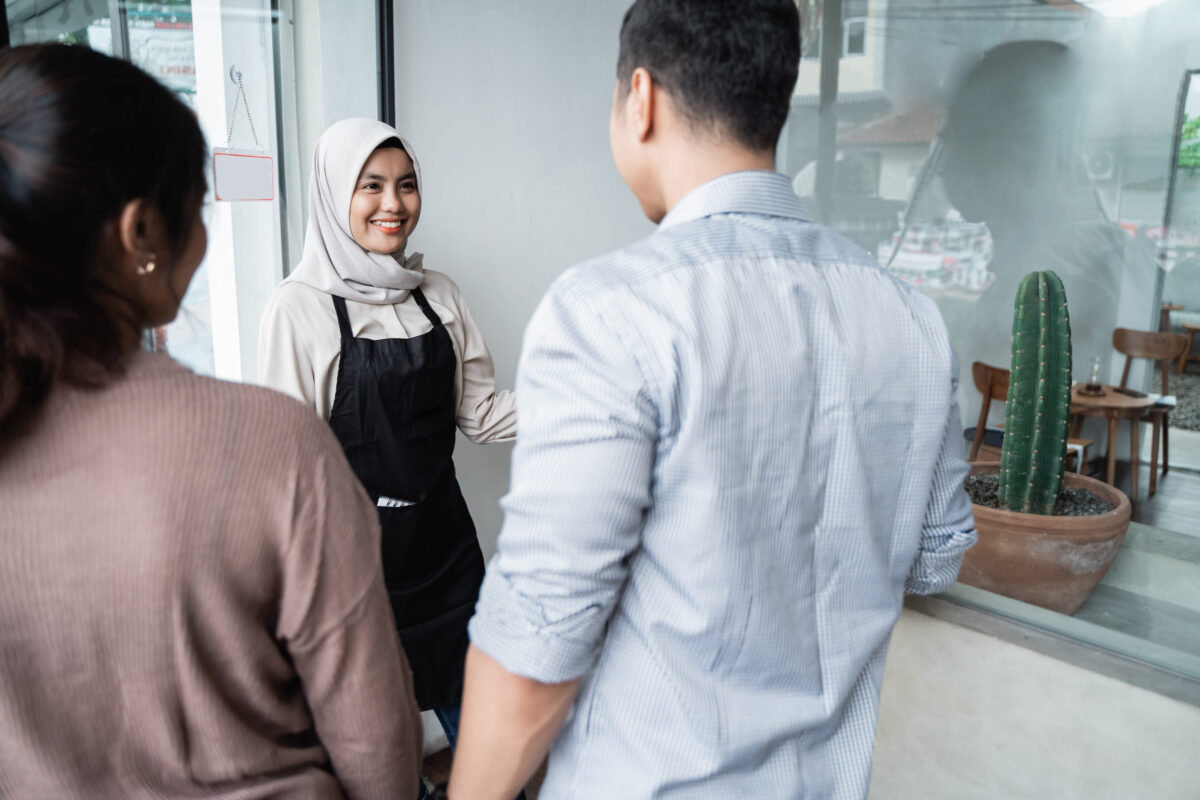
Halo Hair Studio serves customers in the Sugar Land area from its location in Richmond. According to the salon’s official website, the business provides hair services for women, men, and children.
Sullivan, who says she opened the salon in 2018, reportedly explained that the Muslim customer had visited before and used a private room.
That room was no longer available after remodeling.
For some Muslim women who wear the hijab, getting their hair done requires additional privacy. They may uncover their hair around women while choosing to keep it covered around unrelated men. Practices vary among individuals, as explained in Cornell University Library’s guide to Muslim dress.
With the private room gone, salon employees reportedly offered another solution.
They scheduled the customer for a Tuesday when the salon’s male stylist was not working.
At least initially, that arrangement appeared to address the concern.
An Unfinished Haircut Led to Another Appointment
According to Parenting Patch’s account, the customer had booked several services, including hair coloring, a Brazilian blowout, and a haircut.
That’s a fairly packed salon appointment, even without special scheduling arrangements.
Sullivan reportedly said the visit took longer than expected, and the woman left before her haircut was completed.
She then returned the following day to finish the appointment.
But there was a problem.
The salon’s male stylist was back at work. Although he was reportedly between clients, he was still physically inside the building.
That distinction became central to the disagreement.
From the owner’s reported perspective, the original arrangement involved scheduling services when the male stylist would not be working. The customer, according to Sullivan’s account, expected the building itself to be free of men.
The customer’s own account of what she was originally promised has not been independently obtained.
The Owner Offered an After-Hours Alternative
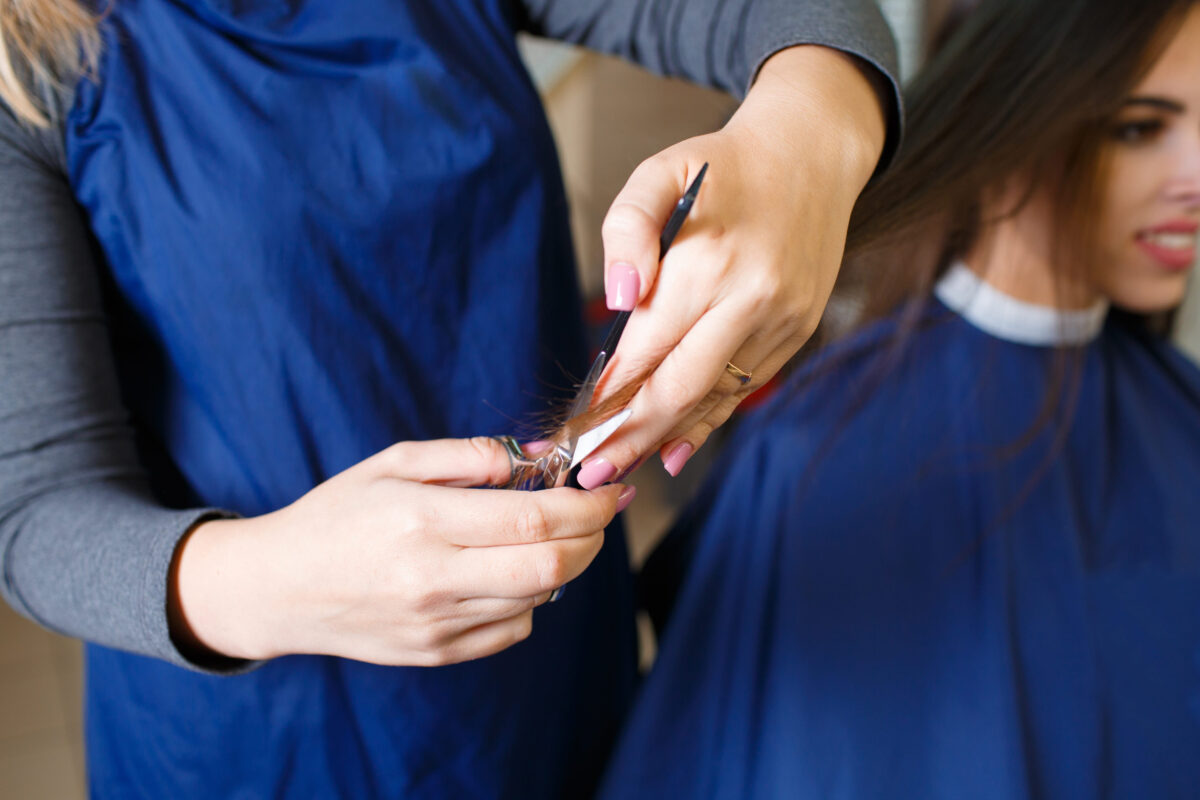
Sullivan reportedly explained that keeping every man out of the salon during regular business hours was not something she could guarantee.
After all, the business served male customers. Delivery workers and other visitors could also enter.
Instead, she reportedly offered an appointment outside normal business hours, when the doors could remain locked to provide additional privacy.
There was one catch: The special arrangement would involve an extra charge.
The amount of that charge was not established in the published reports.
The customer’s husband also reportedly contacted the salon to discuss the situation.
Neither his account nor the customer’s explanation has been independently verified, leaving unanswered questions about what both sides understood when the appointments were scheduled.
Three One-Star Reviews Raised New Questions
The disagreement might have ended there, but Sullivan said negative Google reviews began appearing soon afterward.
According to her account, the first one-star review appeared approximately 20 minutes after the customer left. Two more reportedly followed.
The reviews included complaints about customer service, pricing, cleanliness, and punctuality.
Sullivan suspected the reviews were connected to the disagreement, although the reviewers’ identities and any relationships between them have not been independently established.
She said the salon’s Google rating fell to 4.5.
For a small business, that kind of change can be frustrating. Online ratings are visible to potential customers who may know nothing about what happened behind the scenes.
However, a negative review is not automatically fraudulent simply because it follows an argument. There is also no independently verified evidence that the customer organized a campaign against the business.
Did Google Remove the Reviews?
Sullivan reportedly contacted Google to challenge the negative feedback.
Parenting Patch subsequently reported that Google’s intervention brought the salon’s rating to 4.6. However, the wording attributed to Sullivan is unclear about whether Google removed the disputed reviews or newer positive reviews.
The salon’s current Google rating and the outcome of its complaint have not been independently confirmed.
Under Google’s official review policies, businesses can report reviews that violate platform rules. But a review cannot be removed simply because the owner disagrees with it.
That distinction matters. Customers are entitled to describe genuine negative experiences, while businesses deserve protection from fabricated or manipulated feedback.
Another Texas Salon Found a Different Solution
Privacy arrangements for hijab-wearing customers are not unheard of in Texas.
In 2023, NBC DFW reported that Salon 5014 in Dallas created a hijab-friendly space using a wall barrier.
That approach allowed customers seeking additional privacy to receive hair services without requiring the entire business to operate without men.
Of course, every salon has a different layout, staffing schedule, and available space. What works in one location may not be practical in another.
Still, the example shows how a relatively simple physical arrangement can sometimes solve a problem that scheduling alone cannot.
What Other Businesses Can Learn From the Dispute
This situation offers a useful lesson about expectations.
When a customer asks for special arrangements, both sides benefit from being specific. Does a women-only appointment mean only female employees will provide the service, or does it mean no men can enter the premises?
Those are very different promises.
Confirming privacy arrangements before the appointment, explaining potential limitations, and discussing additional charges upfront can prevent misunderstandings.
For customers, asking detailed questions before booking can also help identify whether a business can provide the environment they need.
Ultimately, the Texas salon dispute shows how an unclear agreement can turn a routine appointment into a public controversy. And when that controversy reaches online reviews, resolving it can become even more complicated.