9 Old-Fashioned Sodas That Used to Be in Every Corner Store
There was nothing quite like reaching into a cooler full of ice water on a hot summer day. Your hand went numb as you fished around for a bottle. Then came the hiss of the cap coming off on the opener bolted to the side.
In the 1950s and 1960s, the corner store cooler held far more than cola. There were dozens of brands, many of them made by small regional bottlers. Each town seemed to have its own favorites, and kids were fiercely loyal to them.
Most of those bottles have been crowded out by a handful of giant brands. Some are gone for good, and others hang on in a few lucky places. These nine old-fashioned sodas were once in every corner store, and they still make boomers smile.
1. Nehi
Nehi was famous for its bright fruit flavors, especially grape, orange, and peach. The brand began in the 1920s, and its tall bottles stood out in the cooler. The name was a play on “knee-high,” which described the height of the bottle.
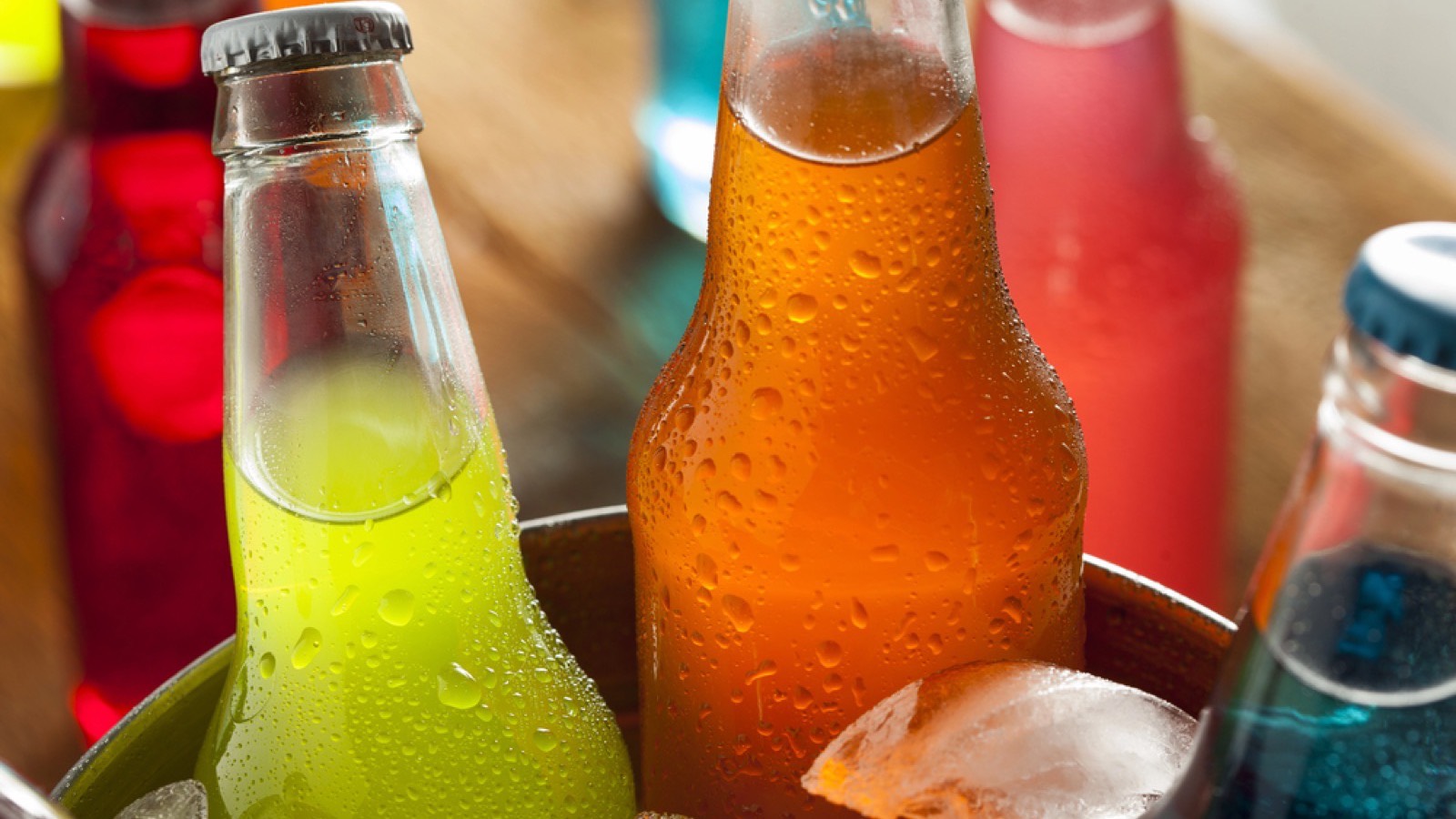
Grape Nehi became a piece of pop culture as the favorite drink of Radar O’Reilly on the television show “M*A*S*H.” The brand still exists, but it is much harder to find than it once was. For many Southerners, a cold Nehi is the taste of childhood.
2. Moxie
Moxie is one of America’s oldest soft drinks, created in the 1880s in New England. It has a strong, bittersweet flavor that comes from gentian root. People either love it or cannot finish the bottle.
The drink was so popular in the early 1900s that “moxie” became a word for courage and nerve. It faded across most of the country but stayed beloved in Maine, where it is the official state soft drink. Outside New England, most people under 50 have never tasted it.
3. Tab
Tab arrived in 1963 as Coca-Cola’s first diet soda. It came in a pink can and was marketed heavily to women who were watching their figures. For two decades, it was the diet drink of choice in offices and kitchens across the country.
Diet Coke took over after 1982, and Tab slowly lost its place on the shelf. A small band of devoted fans kept it alive for years. Coca-Cola finally retired the brand in 2020, as ABC7 News reported at the time.
4. Bubble Up
Bubble Up was a lemon-lime soda that actually came before 7 Up. It first appeared around 1919 and was known for its crisp taste and green bottle. Its slogan promised “a kiss of lemon, a kiss of lime.”
For decades it competed head to head with the bigger lemon-lime brands. It eventually lost that fight in most markets. The soda is still made in small amounts and sold mostly in specialty and nostalgia shops.
5. Grapette
Grapette was a rich grape soda introduced in Arkansas in 1939. It came in a small six-ounce bottle, and its flavor was stronger and more fruity than its rivals. Kids across the South and Midwest loved it.
The brand changed hands several times and nearly disappeared in the United States. It later returned as a store brand sold through Walmart. People who drank the original say they can still remember the taste of that little bottle.
6. Frostie Root Beer
Frostie Root Beer began in Maryland in 1939. Its bottles featured a cheerful, bearded elf-like mascot, and the soda was known for its creamy, old-fashioned flavor. It was a regular in gas station coolers and small-town groceries.
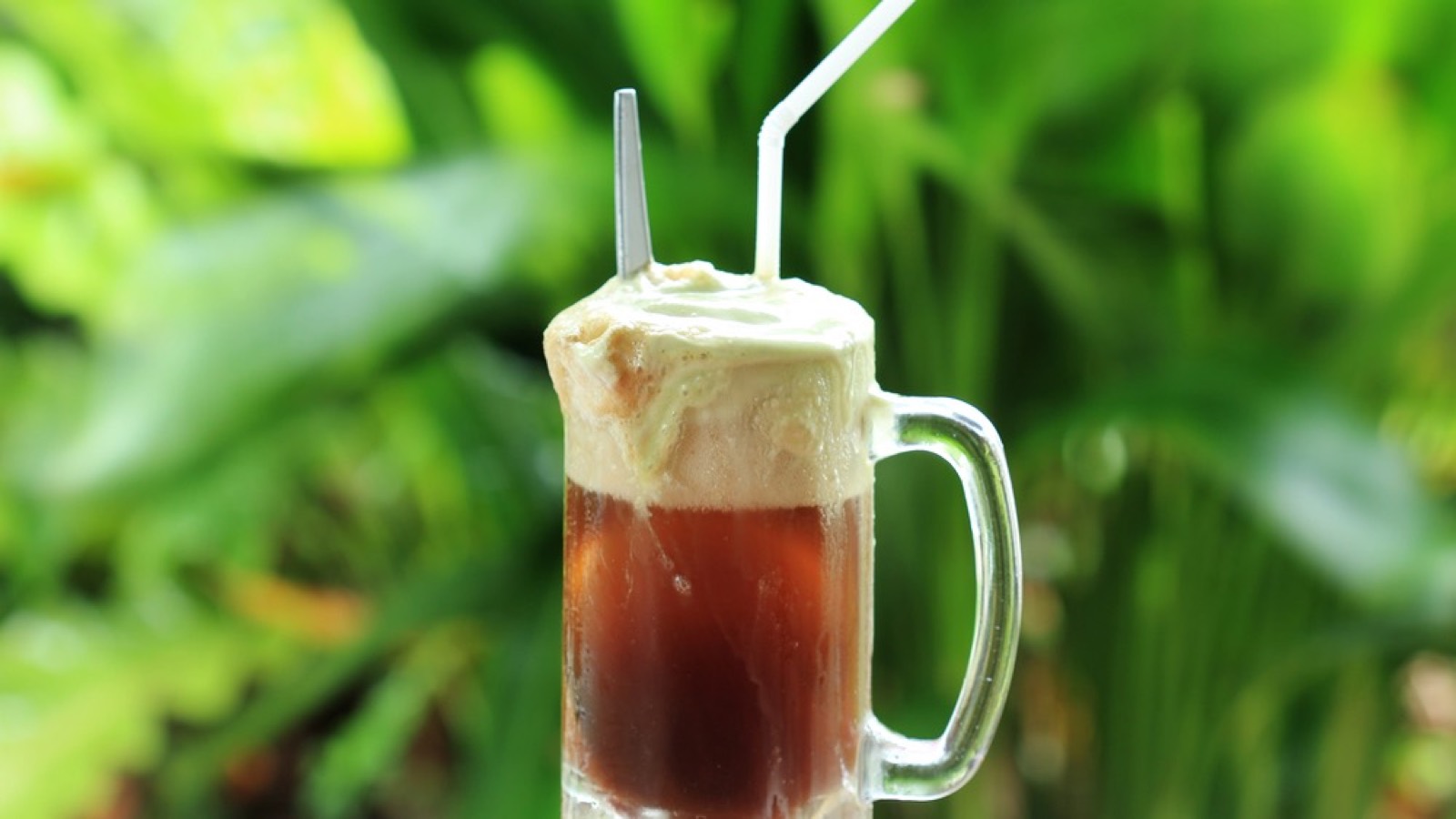
Root beer was once a crowded field with many regional brands. A few national names eventually took over most of the market. Frostie is still produced, but finding it now takes some hunting.
7. Teem
Teem was Pepsi’s lemon-lime soda, introduced around 1960 to compete with 7 Up and Sprite. It had a tart, refreshing taste and a simple green label. Many families kept it on hand as a mixer or a stomach settler.
Pepsi eventually replaced it with newer lemon-lime brands, and Teem vanished from American stores in the 1980s. It continued to be sold in some other countries for years afterward. In the United States, it survives mostly in the memories of boomers.
8. Wink
Wink was a grapefruit soda made by Canada Dry starting in the 1960s. Its ads called it “the sassy one,” and its tart citrus flavor set it apart from sweeter drinks. It came in a green bottle with a bold, modern label.
Grapefruit sodas were more popular then than they are now. Wink slowly lost shelf space as other citrus drinks took over. It is rarely seen today, though fans of the flavor still look for it.
9. RC Cola
Royal Crown Cola was once a serious rival to the two giants. It was created in Georgia in 1905 and was especially popular in the South. Many people remember pairing it with a MoonPie, a combination so famous it was called the working man’s lunch.
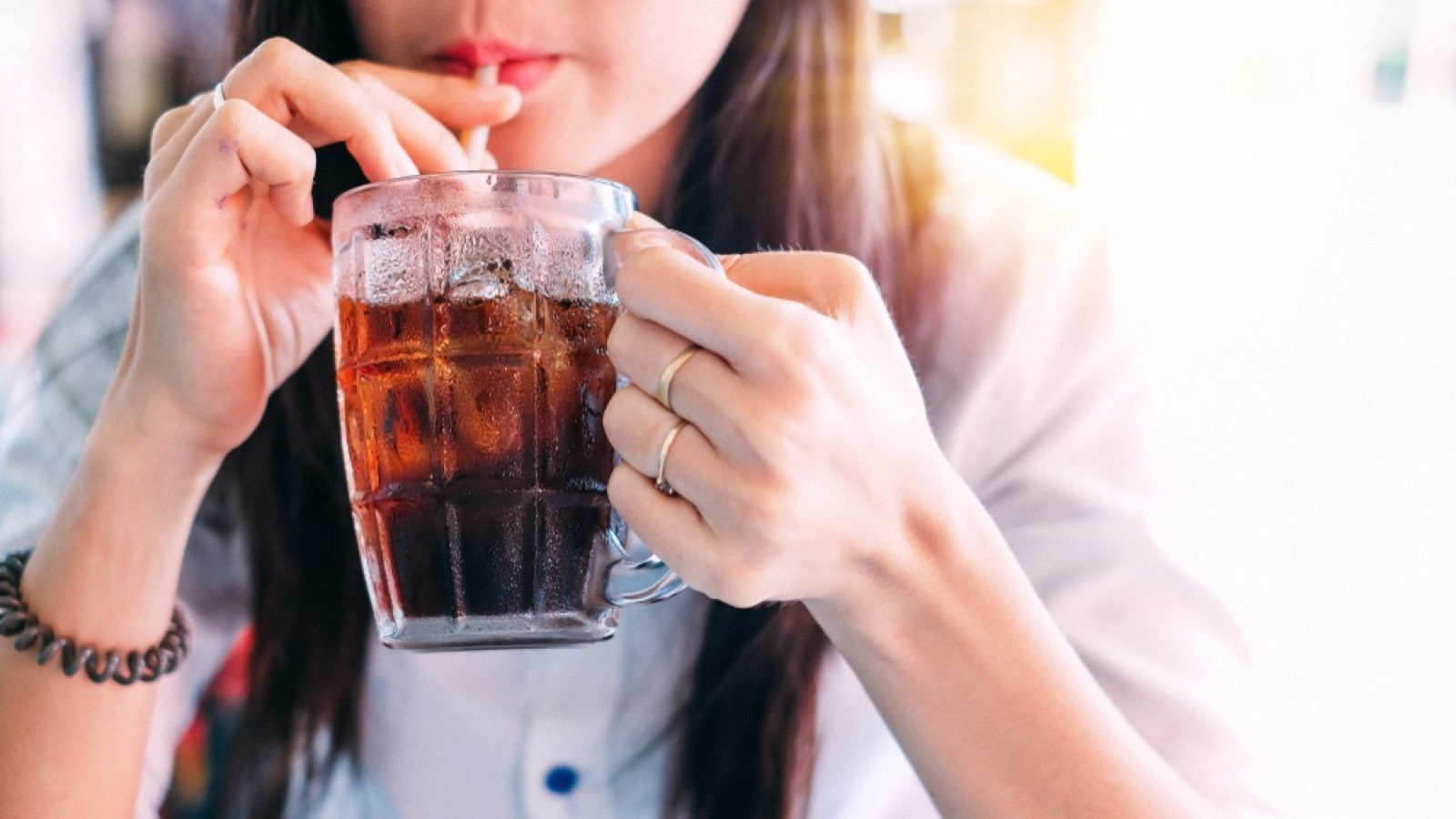
RC was also an innovator, and it was among the first to sell soda in cans and to offer a diet cola. It is still on the market, but it holds a small share compared with its glory days. In many stores, you have to search the bottom shelf to find it.
Why the Corner Store Cooler Changed
In the mid-20th century, soda was a local business. Small bottling plants served their own towns, and each one carried a mix of national and regional brands. That is why a child in Georgia and a child in Maine grew up with completely different favorites.
Over time, the industry consolidated. A few large companies bought up bottlers and brands, and stores gave them most of the shelf space. Smaller sodas could not afford the same advertising and slowly faded.
The corner store itself changed too. Family-owned groceries and soda fountains gave way to supermarkets and convenience chains. The cooler full of ice water became one of those everyday experiences boomers remember that younger generations rarely have.
More Than Just a Drink
For kids of that era, a bottle of pop was a real treat. It cost a nickel or a dime, and you often had to return the empty bottle to get your deposit back. Collecting bottles for the deposit money was many a child’s first job.
The glass bottle mattered too. People insist that soda tasted colder and crisper from glass than it does from plastic or aluminum. Sitting on the store’s front step with a friend and a cold bottle was a simple pleasure nobody forgets.
Some of these brands can still be ordered online or found at old-fashioned candy shops and restaurants like the iconic American diners that keep the past alive. One sip can carry a person back 60 years. Which soda did you pull out of the cooler when you were a kid?