10 Thanksgiving Arguments Every Family Has Had at Least Once
Thanksgiving is supposed to be the most peaceful meal of the year. Everyone gathers around one table, gives thanks, and passes the potatoes. That is the picture on the greeting cards, anyway.
Real families know better. Long before the turkey comes out of the oven, somebody is already annoyed about something. The same disagreements come up year after year, and they are as much a part of the holiday as the pumpkin pie.
Most of these squabbles are harmless, and many are downright funny in hindsight. Here are ten Thanksgiving arguments nearly every family has had at least once, and probably will have again this year.
1. What Time Dinner Should Be Served
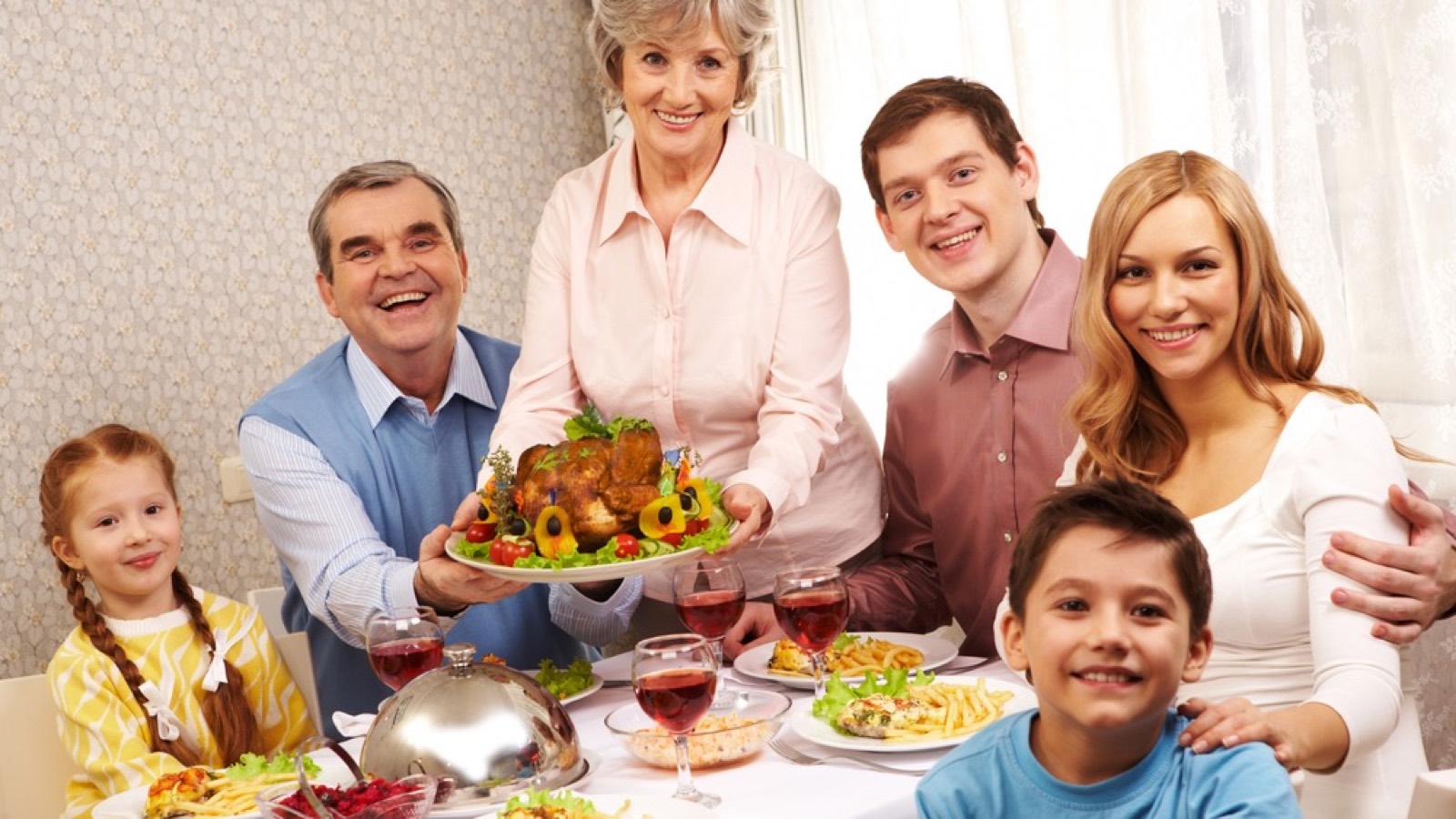
Some families sit down at noon, and others would never eat before five. Grandparents often want an early meal, while younger relatives with small children or long drives ask for something later. The cook, meanwhile, just wants everyone to show up on time.
The result is usually a compromise that pleases nobody. Dinner lands somewhere around two or three o’clock, too late for lunch and too early for supper. Someone always complains that they are starving, and someone else is still full from breakfast.
2. Stuffing or Dressing, and Whose Recipe
This one starts with the name and gets worse from there. Half the family calls it stuffing and wants it cooked inside the bird. The other half calls it dressing and bakes it in a pan.
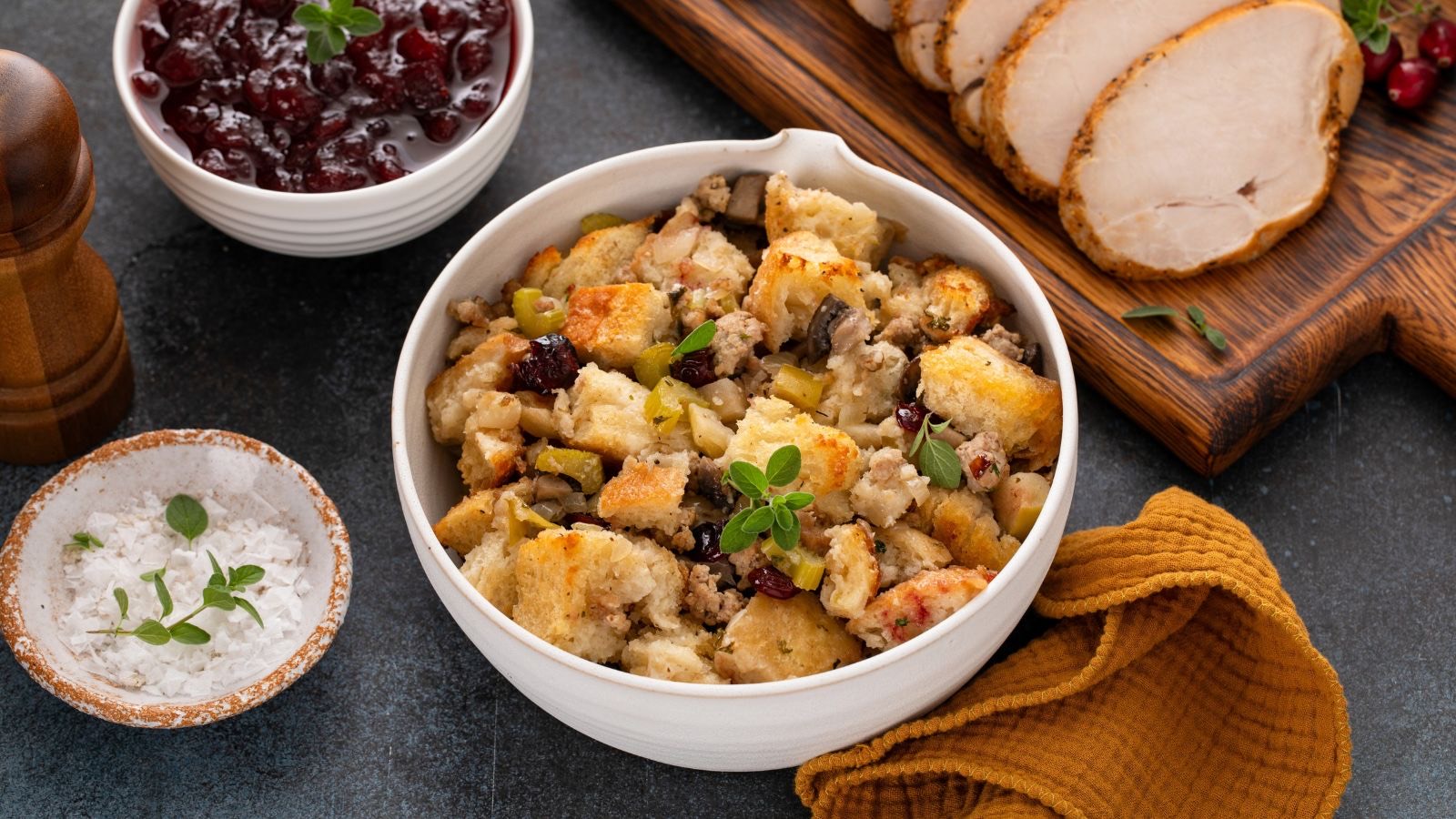
Then comes the recipe itself, cornbread or white bread, sausage or oysters, sage or no sage. Every cook is certain that Grandma’s way was the only way. Food safety experts side with the pan, and the USDA says cooking stuffing separately is the safest choice.
3. Canned or Homemade Cranberry Sauce
Few debates are as passionate as this one. One camp insists on the jellied sauce that slides out of the can with the ridges still showing. The other camp simmers fresh cranberries with sugar and orange peel.
Most hosts end up serving both to avoid a fight. The canned version is sliced into neat rounds on a small dish. The homemade bowl sits beside it, and each side quietly judges the other.
4. Who Is Hosting This Year
In many families, hosting was once settled without discussion. Thanksgiving was at Grandma’s house, and that was that. Once Grandma could no longer manage it, the question became much harder.
Now siblings negotiate, in-laws compete, and feelings get hurt. Someone feels they host too often, and someone else feels left out. Blended families and married children with two sets of parents make the calendar even more tangled.
5. Whether the Turkey Is Dry
Every year, somebody whispers that the turkey is dry. The cook, who has been up since five in the morning, does not take it well. Cousins reach for extra gravy and say nothing.
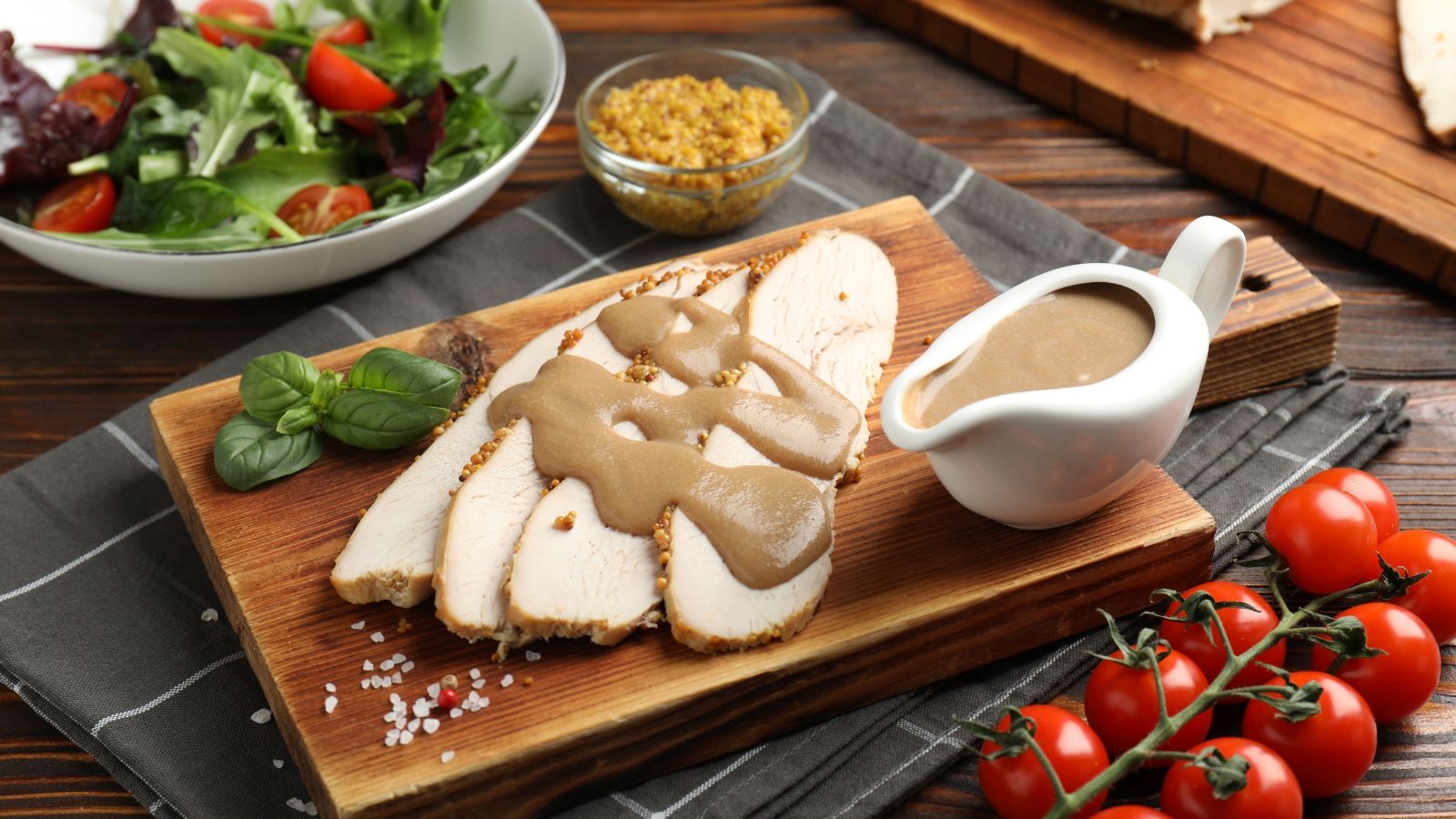
Arguments over how to cook the bird are just as common. Some swear by roasting bags, others by brining, basting, or deep frying. Everyone has a method, and no two relatives agree on the right one.
6. The Green Bean Casserole
Green bean casserole has loyal fans and loud critics. Some relatives will not consider it Thanksgiving without the canned soup and crispy fried onions. Others think it is a mushy relic that should be retired.
The dish was created in 1955 by Dorcas Reilly in a Campbell’s test kitchen, as Smithsonian Magazine has noted. It has been on American tables ever since. It remains high on the list of classic Thanksgiving side dishes families fight over.
7. Marshmallows on the Sweet Potatoes
To some, sweet potato casserole is not complete without a layer of toasted marshmallows. To others, that makes it a dessert sitting in the middle of dinner. A third group wants pecans and brown sugar instead.
This argument often falls along generational lines. Older relatives tend to defend the marshmallows, while younger cooks try roasted or savory versions. The marshmallow dish usually disappears first, no matter what anyone says.
8. Football or Conversation
The moment the dishes are cleared, the television goes on. Half the family heads for the couch to watch football. The other half feels abandoned at the table.
Some hosts ban the TV during dinner, and others give up and set plates in the living room. The debate has been around as long as the games themselves. The Detroit Lions have played on Thanksgiving since 1934, one of many Thanksgiving traditions with long roots.
9. Who Sits at the Kids’ Table
The kids’ table is a rite of passage, and leaving it is a major promotion. Trouble starts when a twenty-five-year-old cousin is still seated with the toddlers. Nobody wants to be the oldest person at the card table.
There is rarely enough room at the main table for everyone. Somebody has to draw the line, and whoever does it gets blamed. Many adults admit, though, that the kids’ table was always more fun.
10. Who Does the Dishes
After hours of cooking, the last thing the host wants is a sink full of pans. Yet somehow the same people end up in the kitchen every year. The rest drift toward the couch and suddenly become very sleepy.
Resentment over cleanup is one of the oldest holiday complaints. Some families have set firm rules, such as whoever cooks does not clean. Others still argue about it over the roasting pan.
Why the Same Fights Happen Every Year
Thanksgiving puts a lot of people with a lot of history into one house. Everyone arrives with memories of how the holiday was done when they were growing up. Any change can feel like something precious is being taken away.
Food is at the heart of it. A dish like dressing or cranberry sauce stands for a mother or grandmother who is no longer there. When the recipe changes, it can feel as though she is being forgotten.
Expectations are also high. People want the day to be perfect, and that pressure makes small things feel large. A little planning helps, and so do good manners, which is why etiquette experts keep lists of things Thanksgiving guests should never do.
Keeping the Peace This Year
The easiest fix is to serve both. Two kinds of cranberry sauce and two pans of dressing cost very little, and they end the argument before it starts. Most cooks find the extra dish is well worth it.
It also helps to hand out jobs ahead of time. Tell people what to bring, when to arrive, and who is on dish duty. Clear plans leave less room for hurt feelings.
Above all, remember that these arguments are a sign of a family that still gathers. Many people would give anything to hear those familiar voices bickering again. Which of these fights happens at your table every year, and who usually wins?