7 After-School Snacks Boomer Kids Ate That Today’s Parents Would Never Allow
When the school bell rang in the 1960s, kids did not come home to apple slices and yogurt tubes. They dropped their books on the kitchen table, opened the cupboard, and made themselves whatever they wanted. Nobody read a nutrition label, and nobody worried about added sugar.
Most of the time there was no adult hovering nearby either. Children used the stove, handled knives, and ate snacks that would make a modern pediatrician wince. To them it was simply what you did between school and supper.
Looking back, some of those snacks are hard to believe. These seven were everyday treats for boomer kids, and most parents today would never put them on the table.
1. Sugar Sandwiches
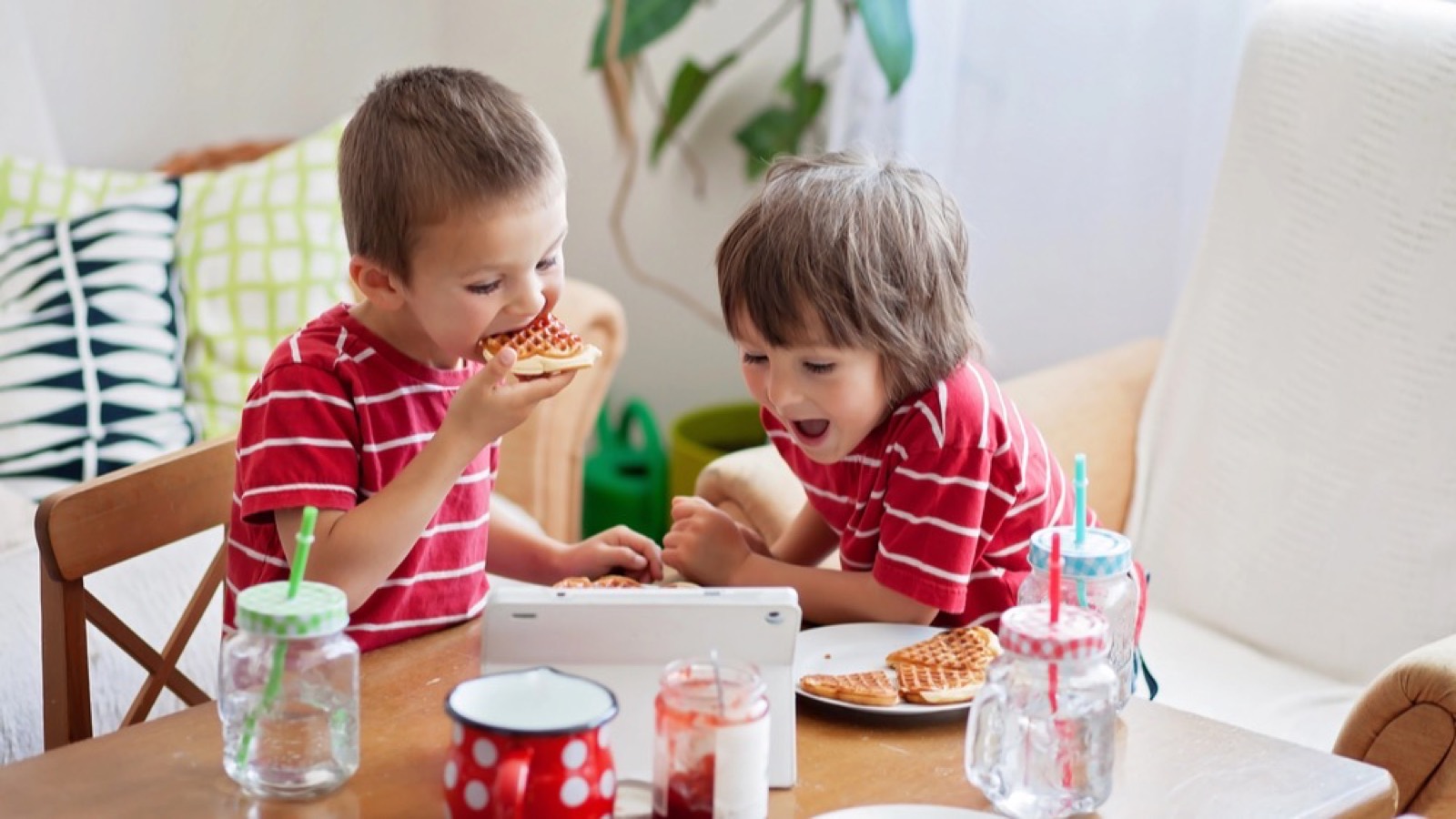
The sugar sandwich was as simple as it sounds. A slice of white bread was spread thick with butter or margarine and then covered with a heavy layer of white sugar. Some kids folded it in half, and others added a second slice on top.
It was cheap, fast, and filling, and many mothers saw nothing wrong with it. Children in farm families and big households ate them almost daily. A parent serving one today would probably get a worried note from the school nurse.
2. Raw Cookie Dough and Cake Batter
Licking the beaters was one of the great rewards of childhood. Kids ate raw cookie dough by the spoonful and scraped cake batter from the bowl with their fingers. Nobody gave a thought to the raw eggs or raw flour in it.
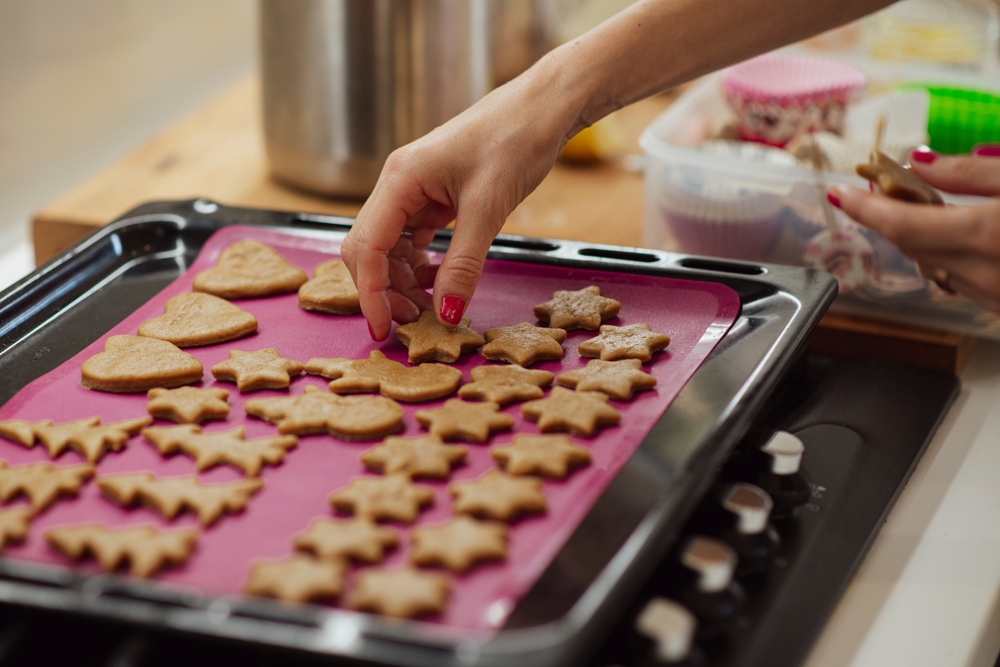
Food safety experts now warn against this habit because raw eggs and flour can carry harmful bacteria. Federal guidance on safe cooking temperatures calls for egg dishes to be fully cooked. Most boomers will tell you they ate it for years and loved every bite. Mothers handed over the spoon as a reward for helping in the kitchen, and no one in the family thought twice about it.
3. Kool-Aid With a Full Cup of Sugar
A pitcher of Kool-Aid was waiting in almost every refrigerator. The packet cost pennies, and the directions called for a full cup of sugar for every two quarts. Kids often made it themselves and added an extra scoop for good measure.
Some children skipped the water altogether and dipped a wet finger straight into the powder. Red-stained lips and tongues were a normal sight all summer. Today many parents limit sugary drinks, and several schools have banned them completely.
4. Fried Bologna Sandwiches
Boomer kids as young as eight stood at the stove frying bologna in a skillet. The slice puffed up in the middle as it cooked, so they learned to cut slits around the edge to keep it flat. It went onto white bread with mustard or a slice of processed cheese.
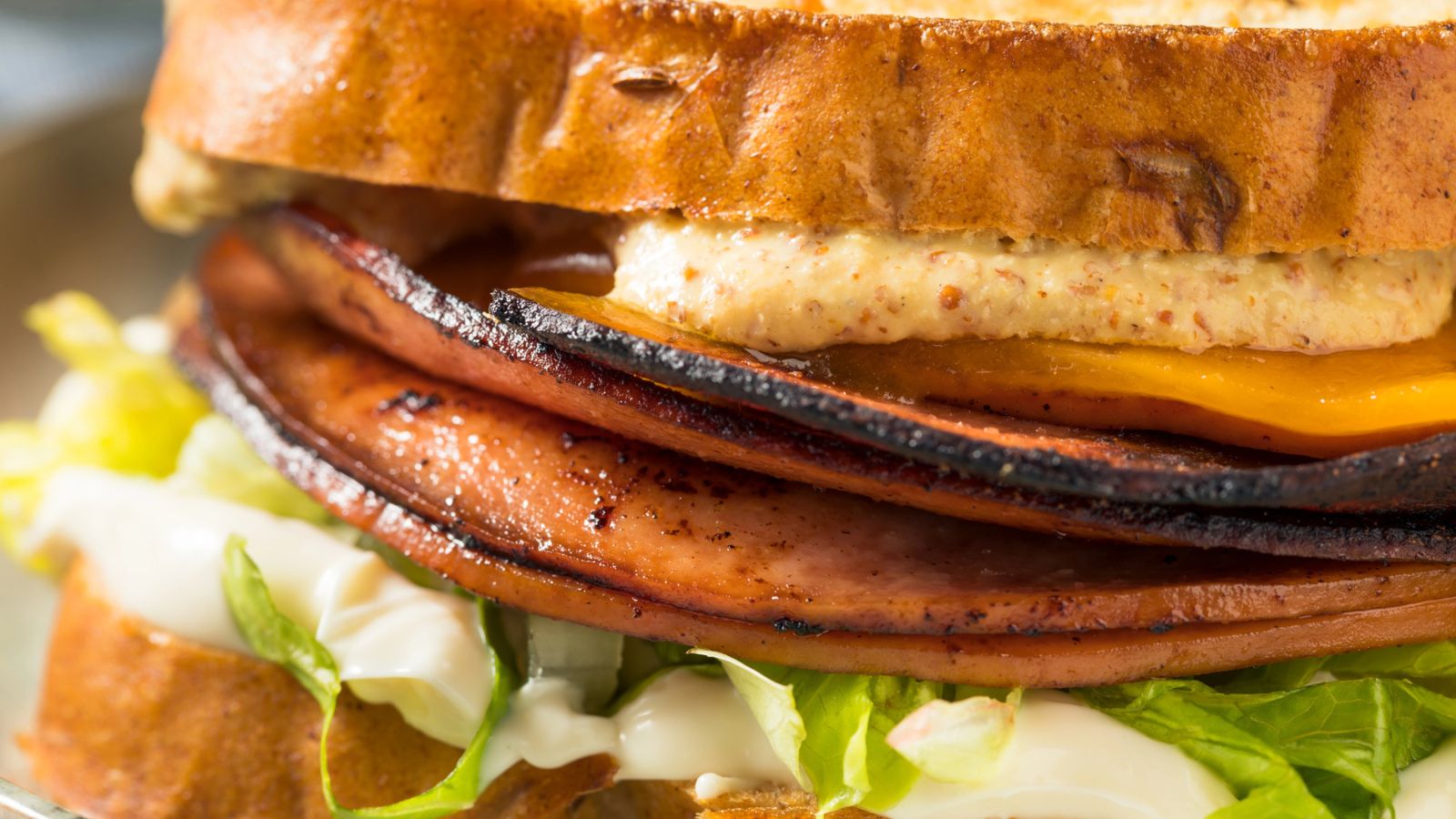
The snack was salty, greasy, and very satisfying. It also meant a child was working over a hot burner with no adult in the room. That part alone would alarm many of today’s parents, even more than the processed meat. Back then, knowing how to fry your own snack was seen as a sign that a child was growing up.
5. Lard, Bacon Grease, or Butter on Bread
In many homes, a can of bacon drippings sat next to the stove. Hungry kids spread the soft grease on a slice of bread and sprinkled it with salt. Others did the same with lard or thick butter, sometimes adding sliced onion or radishes.
This was an old habit handed down from immigrant and Depression-era families who wasted nothing. It gave growing children plenty of calories for an afternoon of outdoor play. Modern parents, who have been taught to watch saturated fat, would likely find it shocking.
6. Penny Candy From the Corner Store
Many boomer kids walked home from school by themselves and stopped at the corner store on the way. A nickel or a dime bought a small paper bag of candy. Wax lips, candy cigarettes, licorice whips, and jawbreakers were all favorites.
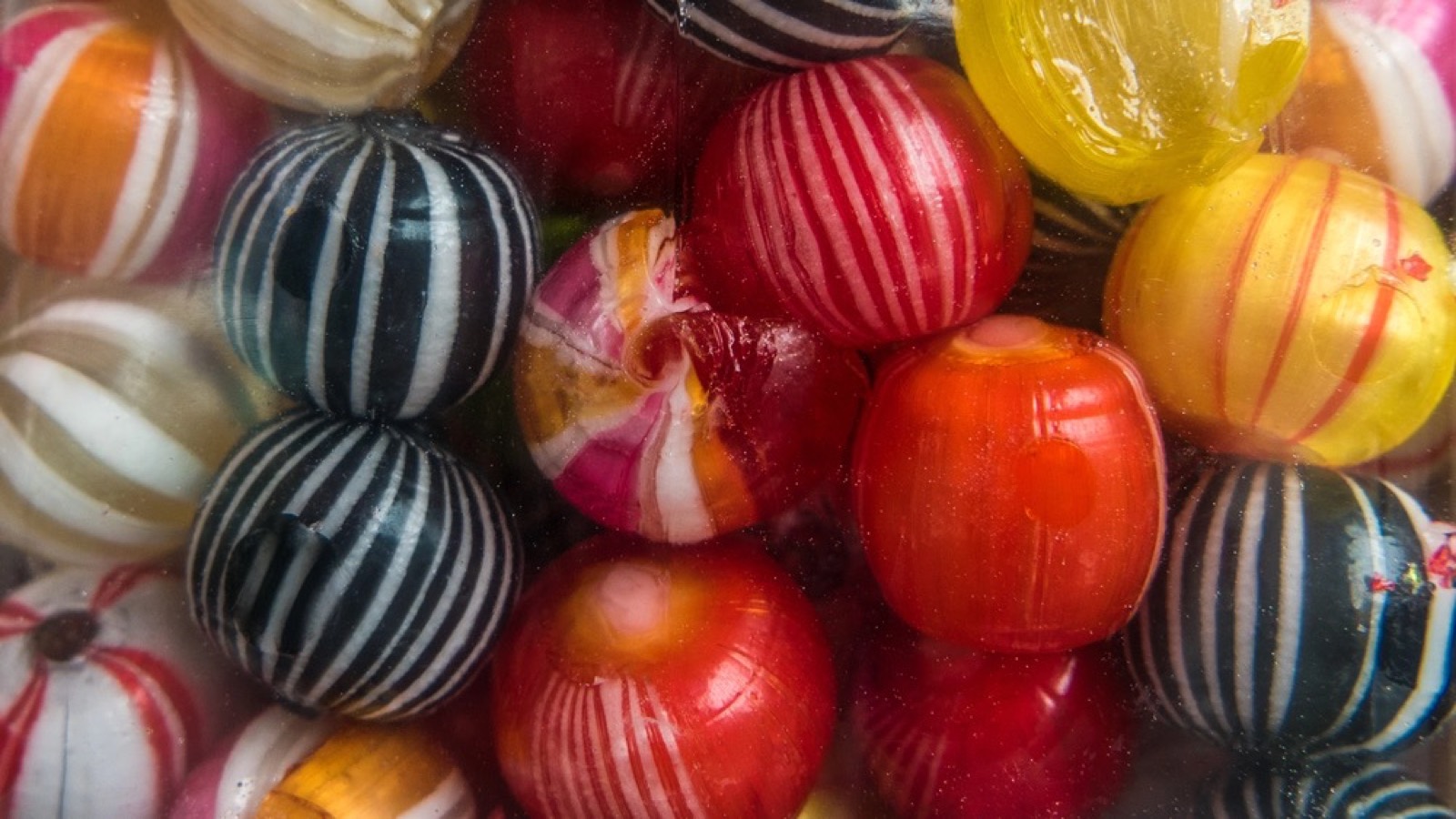
Candy cigarettes are the item that stands out most today. Children pretended to smoke them, just like the adults around them, and nobody blinked. They are among the many everyday things from childhood that have nearly vanished.
7. Soda Pop and a Bag of Peanuts
A cold bottle of cola was a normal afternoon drink for many children. In the South, kids poured a small bag of salted peanuts right into the bottle and drank the two together. Others simply drank soda with a handful of potato chips.
There were no limits on caffeine or sugar for kids at the time. A bottle cost about a dime, and vending machines stood outside gas stations and stores. Today many families allow soda only on special occasions, if at all. Pediatricians and dentists have spent years warning parents about what sugary drinks do to young teeth and waistlines.
Why Nobody Worried Back Then
Parents in the 1950s and 1960s had a very different view of food. Sugar was seen as quick energy for active children, and fat was considered wholesome. Advertisements told mothers that candy and soda were fun, harmless treats.
Kids were also far more active than most are today. They walked or biked to school, played outside until the streetlights came on, and rarely sat in front of a screen. Many adults believed that a child who ran all afternoon could eat almost anything.
There was also far less information. Nutrition labels did not appear on most packaged foods until the 1990s, and warnings about raw eggs or processed meat were not common. Parents did what their own parents had done, and those old-school boomer habits were passed along without much thought.
How Snack Time Has Changed
Snack time today is much more supervised. Parents pack fruit, cheese sticks, and whole-grain crackers, and schools often send home lists of approved foods. Health officials encourage families to limit added sugar and to keep kids moving, and the CDC recommends that children get 60 minutes or more of physical activity every day.
Food allergies have also changed the picture. Many classrooms are now peanut-free, which would have been unthinkable in 1965. A child sharing a homemade snack with a friend is no longer a simple thing.
Even so, plenty of boomers say they would not trade those afternoons for anything. The snacks were not healthy, but they came with freedom, a quiet kitchen, and the pride of making something yourself. Which of these did you eat after school, and would you ever let your grandchildren try one?