Why Every Southern Kitchen Has a Cast-Iron Skillet
Walk into almost any kitchen in the South and you will find one. It may be sitting on the stovetop, hanging on a nail, or resting in the oven where it lives between meals. It is black, heavy, and older than most of the people in the house.
The cast-iron skillet is the most treasured tool in Southern cooking. It fries the chicken, bakes the cornbread, and browns the gravy. Many families can tell you exactly whose grandmother it belonged to.
Nonstick pans come and go, but the iron skillet stays. To understand why, you have to look at the history behind it, the food it makes, and the family stories that are seasoned into it.
A Pan Built to Last a Century
Cast iron is simple. Molten iron is poured into a mold, cooled, and finished. The result is a single solid piece of metal with no coatings to peel and no rivets to loosen.
That simplicity is what makes it nearly indestructible. A skillet made in 1920 will cook as well today as it did the day it was sold. With basic care, there is nothing to wear out.
In earlier generations, that mattered a great deal. Rural Southern families had little money for kitchen equipment. One good skillet had to do the work of a dozen pans, and it had to last a lifetime.
It Did Every Job in the Kitchen
The skillet earned its place by doing everything. It fried bacon and eggs in the morning, cooked pork chops at noon, and baked cornbread for supper. It could go from the stovetop into the oven without any trouble.
It also worked over an open fire. Before electric and gas ranges reached the countryside, many Southern women cooked on wood stoves or hearths. Cast iron handled that heat with ease.
A deep skillet with a lid served as a fryer, a roaster, and a baking dish. Biscuits, cobblers, pineapple upside-down cake, and fried pies all came out of the same pan. It is one of the kitchen classics that changed American cooking.
Why Food Tastes Better in Cast Iron
Southern cooks will tell you that some dishes cannot be made right in any other pan. They have good reason. Cast iron is thick and heavy, so it holds heat exceptionally well.
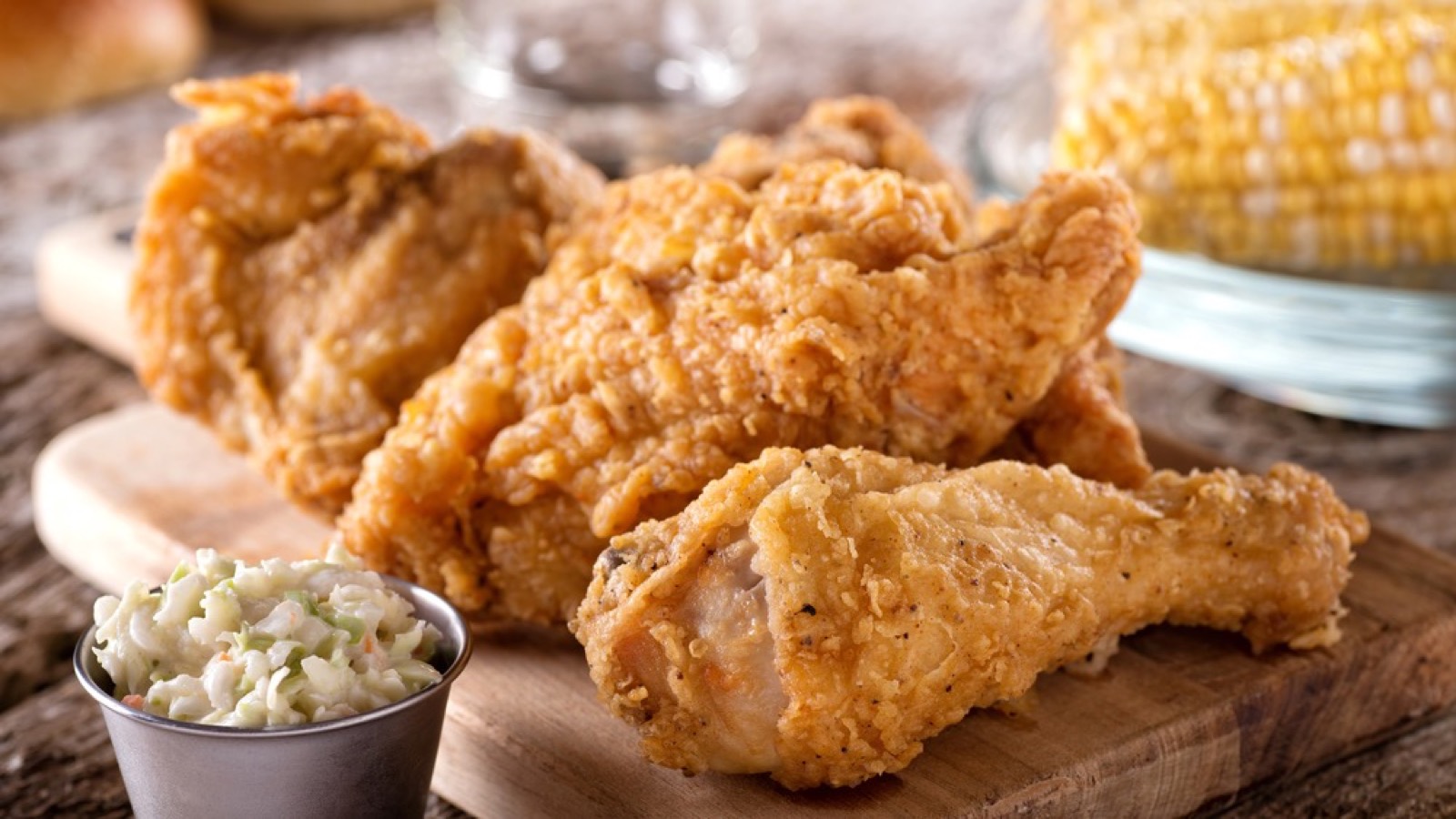
When a piece of chicken hits the hot fat, the pan does not cool down the way a thin one would. That steady heat produces a crisp, even, golden crust. It is the secret behind the best fried chicken and fried catfish.
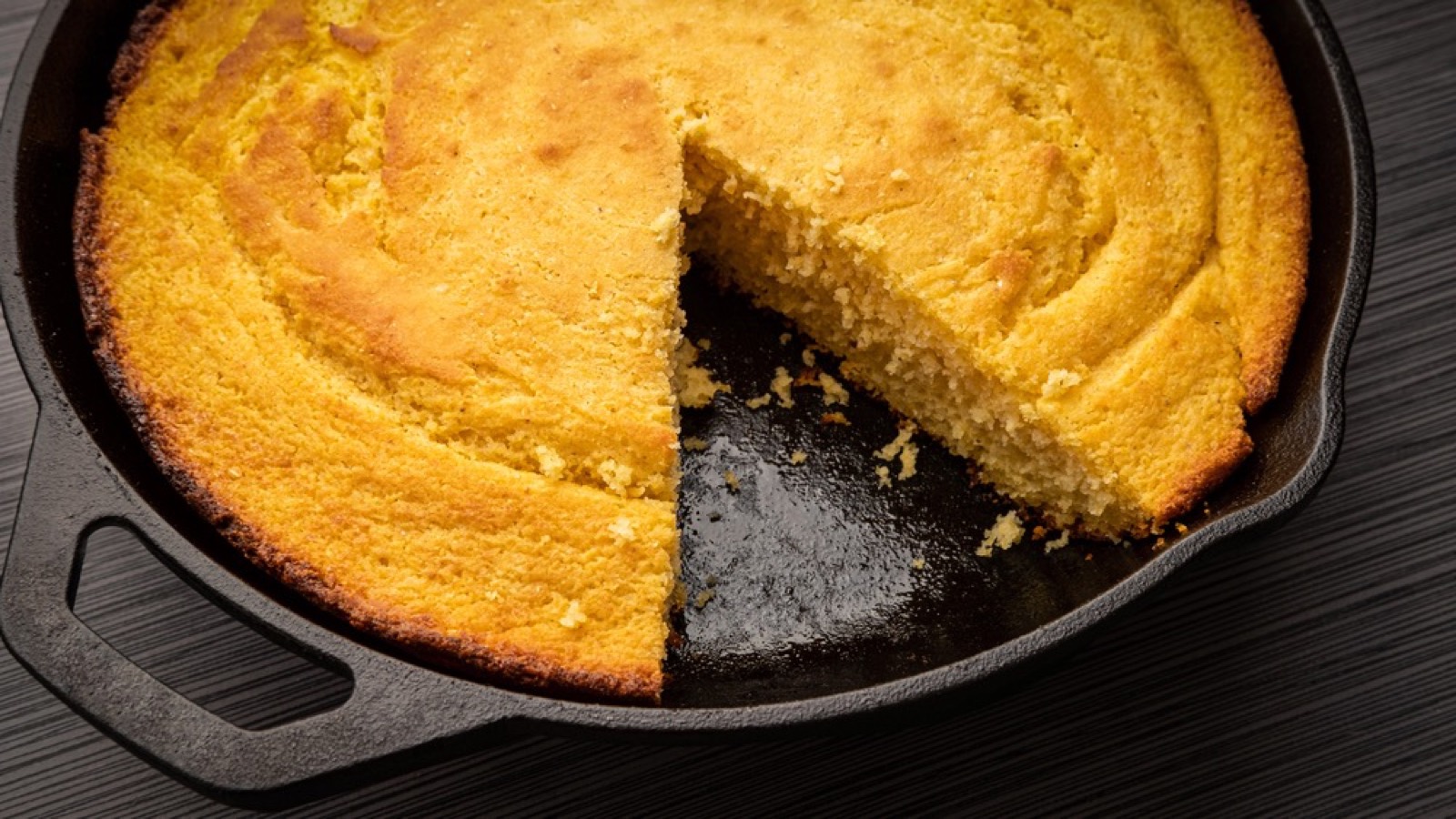
Cornbread is the clearest example. The batter is poured into a skillet that has been heated with bacon drippings until it sizzles. The hot iron instantly forms a crunchy brown crust that no glass or aluminum pan can match.
The Magic of Seasoning
A well-used skillet has a smooth, black, glossy surface. That finish is called seasoning. It forms when thin layers of fat are heated on the iron until they bond to the metal.
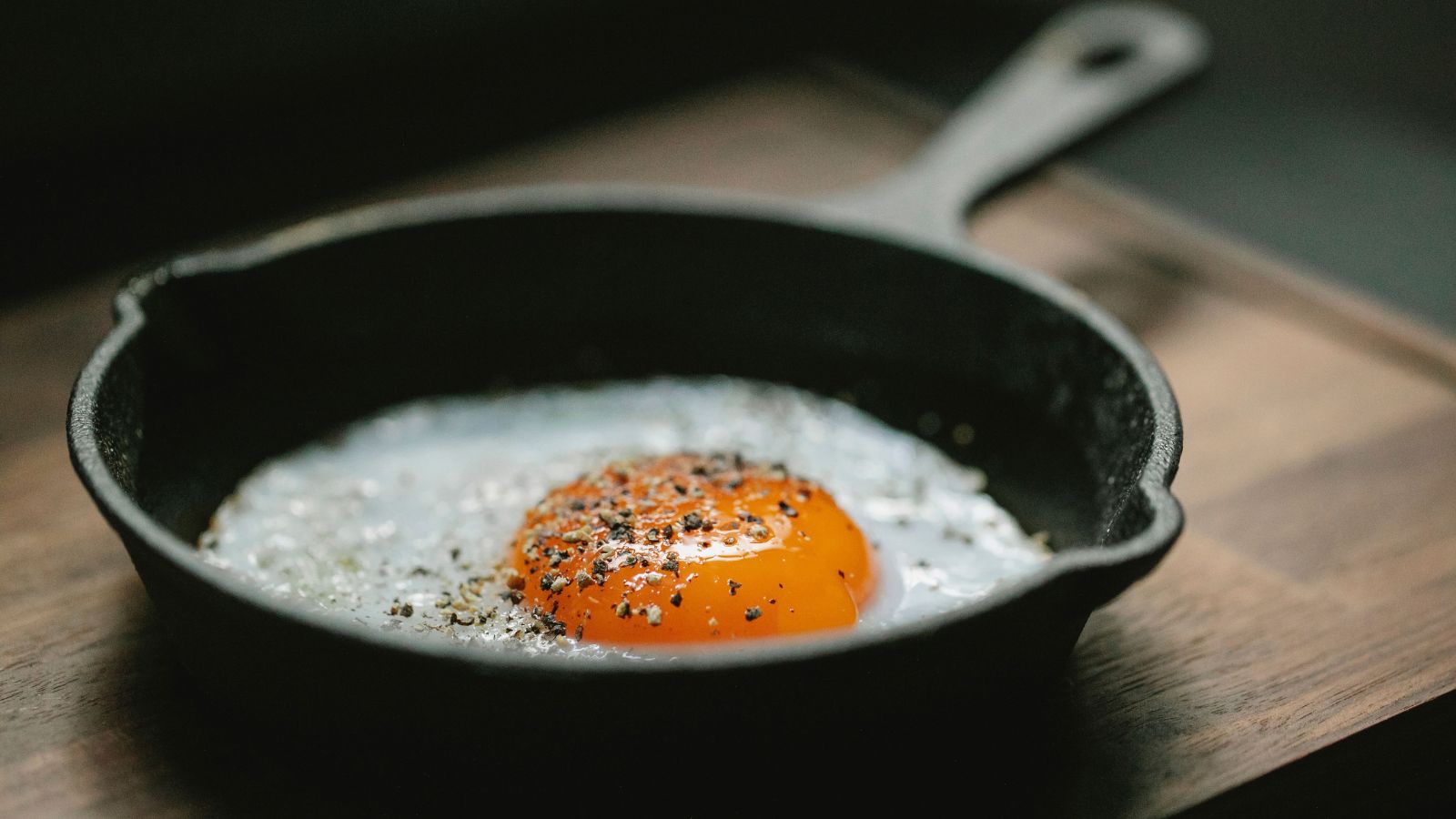
Every time the pan is used with oil or grease, the seasoning gets a little better. After years of cooking, a skillet becomes naturally slick. Eggs slide around in an old pan as easily as they do on modern nonstick.
This is why older skillets are so prized. Decades of frying have built a surface that cannot be bought new. A grandmother’s skillet carries the cooking of thousands of meals.
The Rules Every Southerner Learned
Caring for cast iron comes with rules, and Southern children learned them early. The most famous one was never to wash the skillet with soap. Many grandmothers believed soap would strip away the seasoning.
That rule dates from the days of harsh lye soap. Makers such as Lodge Cast Iron, which has produced skillets in Tennessee since 1896, say a little mild dish soap is fine today. What matters more is what comes next.
The pan must be dried right away, because water causes rust. Many cooks set it on a warm burner for a minute and then rub in a thin coat of oil. And nobody, under any circumstances, was to leave Grandma’s skillet soaking in the sink.
A Family Heirloom
In many Southern families, the skillet is handed down like jewelry. It may be mentioned in a will or quietly promised to a favorite granddaughter. Siblings have been known to argue over who gets it.
The value is not in the metal. It is in the memory of the hands that used it. Cooking in a mother’s or grandmother’s skillet feels like having her in the kitchen again.
Stories come with every pan. This is the one that fried the chicken for every church picnic, or the one a great-grandmother carried when the family moved. Old skillets are among the vintage kitchen items that collectors still hunt for.
Rooted in History
Cast-iron cooking in the South goes back centuries. Iron pots and skillets were used in colonial kitchens, on plantations, and on the frontier. They were among the few possessions that many families owned.
Much of what we now call Southern cooking was developed by enslaved African American cooks using these pans. They fried, stewed, and baked in cast iron over open fires. Their skill shaped dishes that are still loved today.
After emancipation, those cooking traditions continued in homes, churches, and restaurants across the region. The skillet remained at the center of the kitchen. It is a link to that long and complicated history.
Why It Nearly Disappeared
For a time, cast iron seemed to be on its way out. In the 1960s and 1970s, lightweight aluminum pans and nonstick coatings arrived. They were easy to lift and simple to clean.
Many younger cooks packed the heavy skillets away or gave them to charity. Famous old foundries closed. For a while, the black skillet looked like a relic.
Southerners never fully let go. Grandmothers kept using theirs, and cornbread kept coming out of them. Thrift stores and yard sales became treasure troves for people who knew what they were looking at.
The Comeback
Cast iron has returned in a big way. Cooks of all ages have rediscovered that it sears beautifully, lasts forever, and costs very little. Sales have risen, and new makers have entered the business.
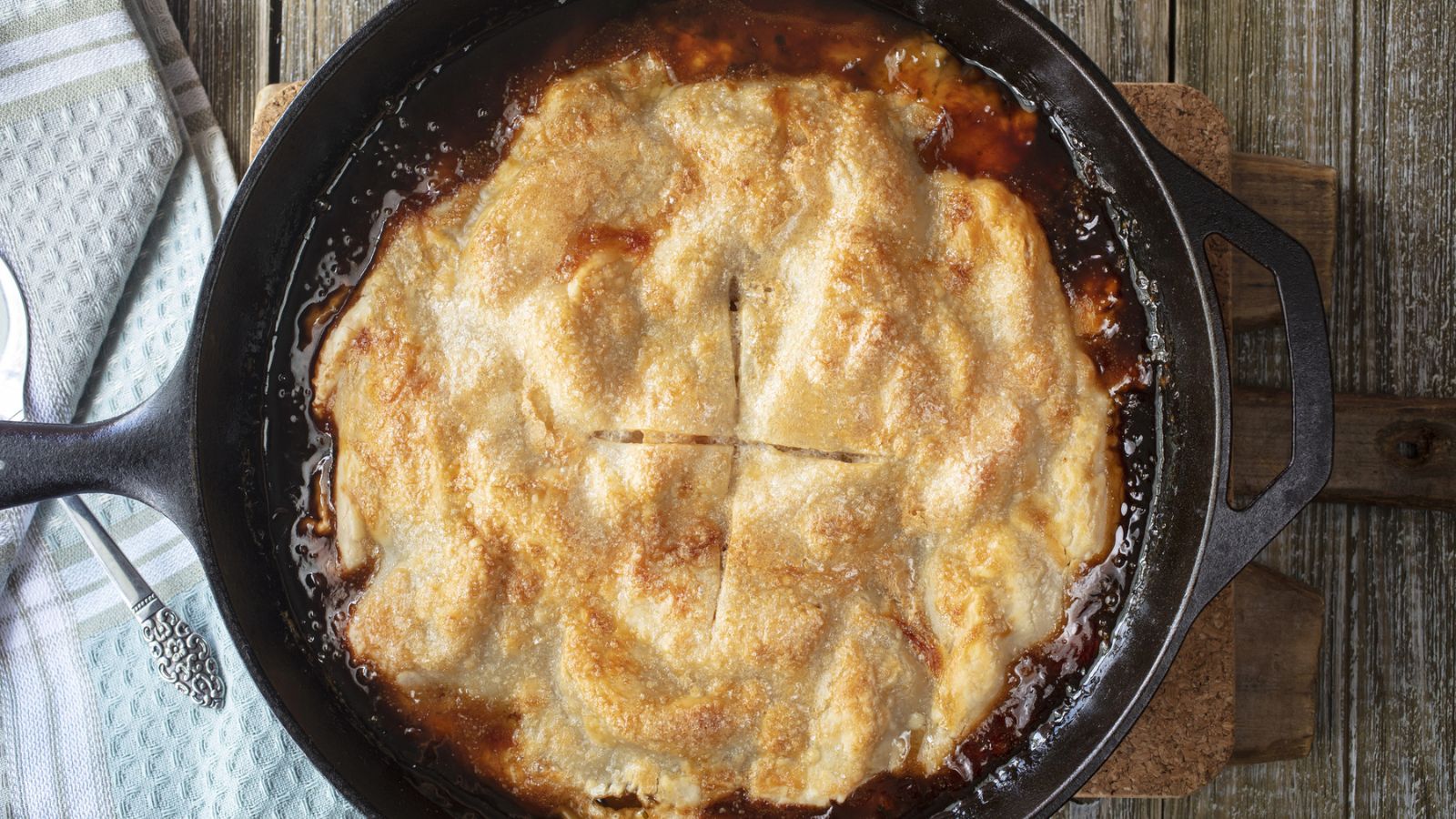
People like that it is a traditional material with no synthetic coating. It works on gas, electric, and induction stoves, on the grill, and over a campfire. It can go from stovetop to oven to table.
Cooking in cast iron may even add a small amount of iron to food, especially acidic dishes like tomato sauce. That is a minor benefit, and people with certain health conditions should ask their doctor about it. For most cooks, the appeal is simply how well it works.
How to Start Your Own Tradition
If you did not inherit a skillet, it is not too late. A new ten- or twelve-inch pan is inexpensive, and most come already seasoned. Old ones can be found at flea markets and restored with a good scrub and a few coats of oil.
Use it often, because that is how the seasoning builds. Fry bacon, sear a steak, or bake a pan of cornbread. Cook chicken to a safe 165 degrees, as the USDA recommends, and let the pan do the rest.
In time, your skillet will turn black and smooth, and it will hold stories of its own. It may be among the many things your parents had in their house, but it does not have to vanish. Do you have a family skillet, and who did it belong to first?