Why Department Store Lunch Counters Disappeared From America
For much of the 20th century, a shopping trip was not complete without a stop at the lunch counter. Shoppers set down their bags, climbed onto a spinning stool, and ordered a grilled cheese sandwich and a cherry Coke. The waitress wore a crisp uniform, and the pie was displayed under a glass dome.
Nearly every downtown had one. Five-and-dime stores like Woolworth’s, Kresge’s, and Newberry’s ran them, and so did the big department stores. For millions of Americans, the lunch counter was the first place they ever ate out.
Today they are almost entirely gone. A few survive as museum pieces or nostalgic cafes, but the everyday lunch counter has vanished. The story of why it disappeared is also the story of how America changed.
A Simple Idea That Caught On
Lunch counters grew out of the soda fountains found in drugstores and variety stores in the late 1800s. Store owners realized that shoppers who stopped for a drink might stay for a sandwich. A customer who stayed longer usually bought more.
By the 1920s and 1930s, the idea had spread to chain stores across the country. Woolworth’s alone operated hundreds of lunch counters and became one of the largest food sellers in the nation. A hot meal cost only a few coins.
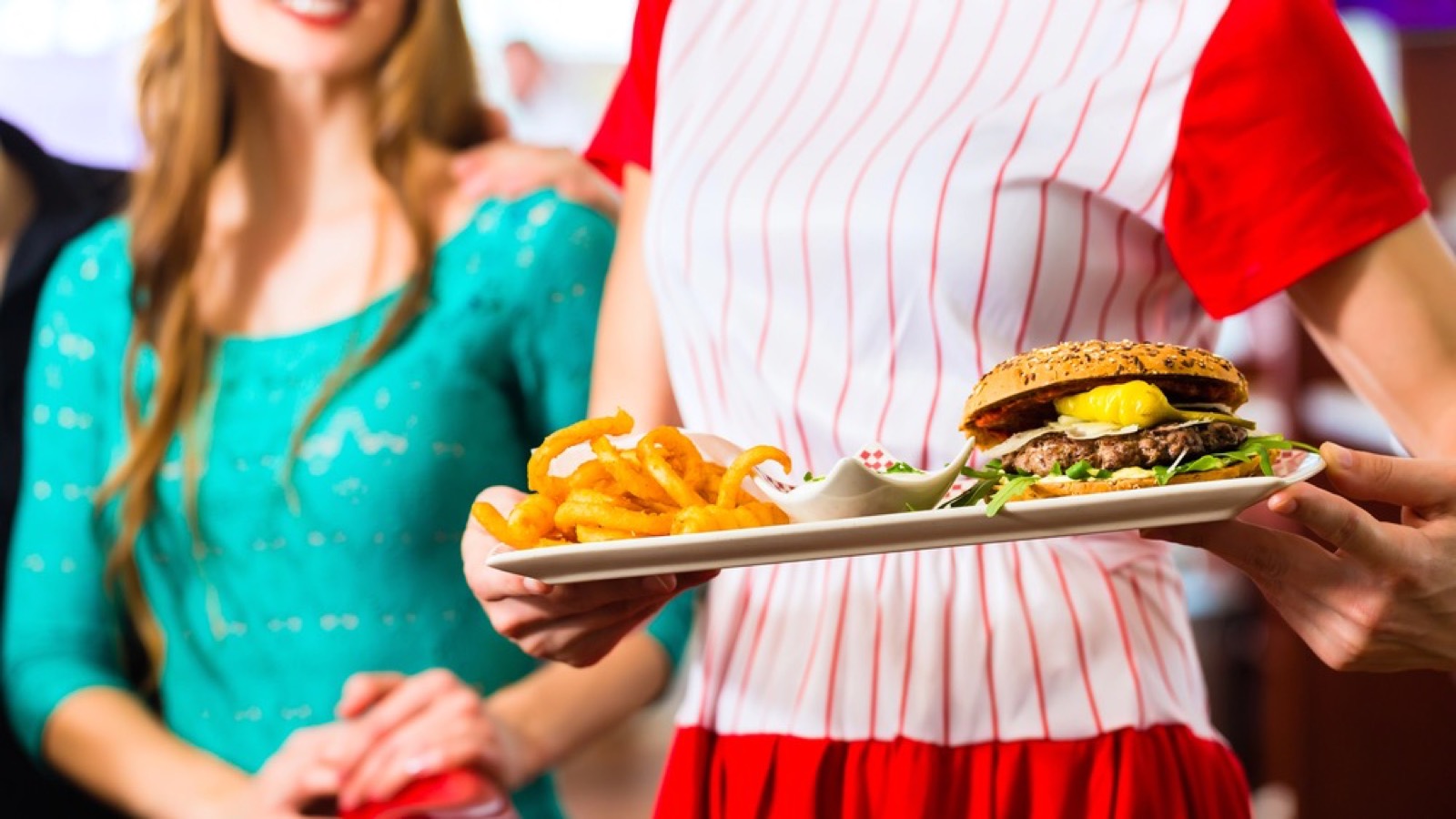
The menu was plain and dependable. There were tuna salad sandwiches, hot turkey plates, hamburgers, chili, milkshakes, and slices of pie. Prices were printed on signs above the counter, and the food was cooked right in front of you.
The Heart of Downtown
The lunch counter was more than a place to eat. Office workers came on their breaks, mothers treated children after buying school shoes, and teenagers met there after class. Older people stopped in every day for coffee and conversation.
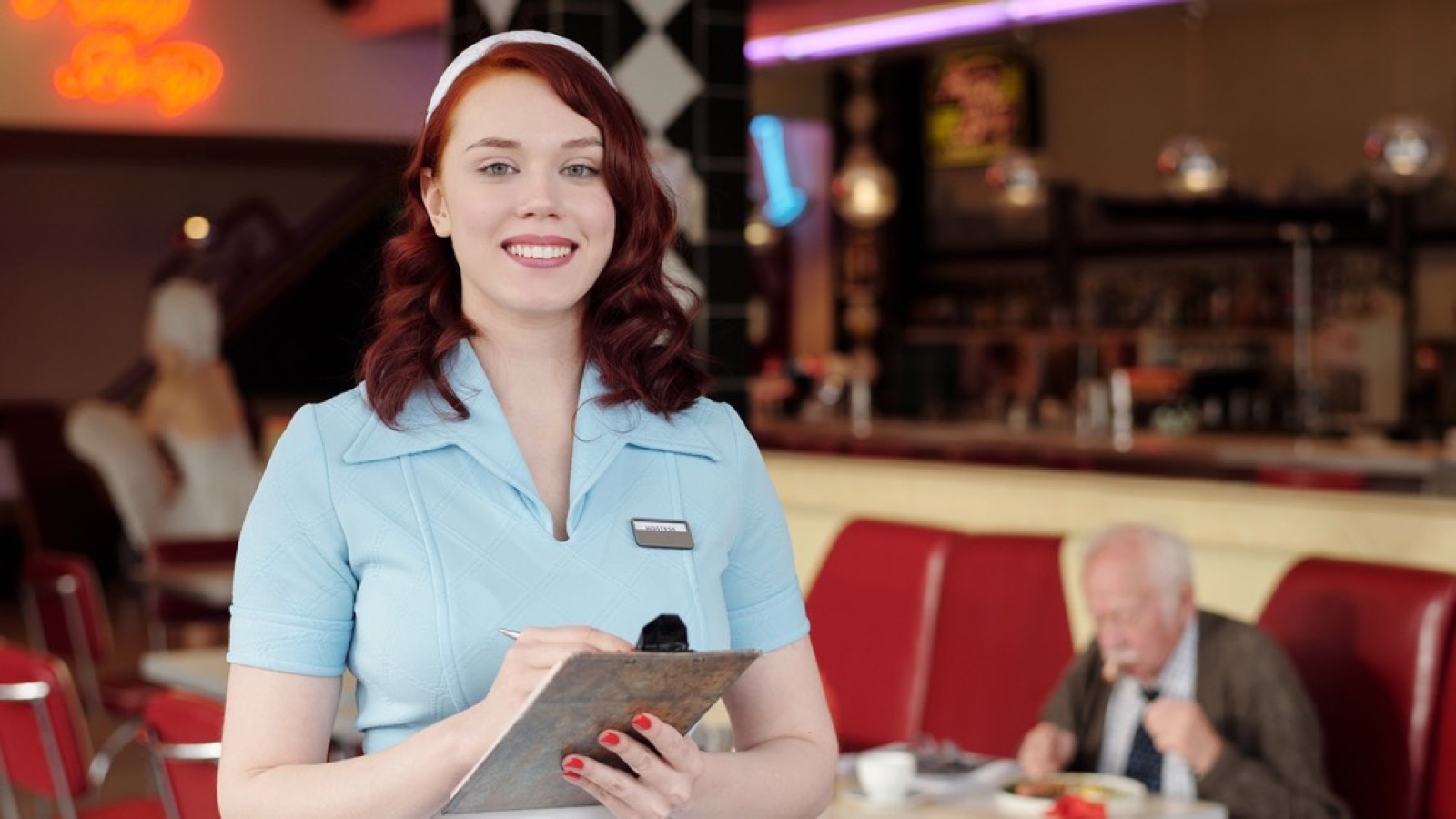
It was also among the few places where a woman could comfortably eat alone. Many restaurants and bars of the time were aimed at men. A department store tea room or lunch counter was considered perfectly respectable.
For many families, it was a special occasion. A banana split at the counter was a reward for good behavior on a long day of errands. Those memories are part of the things baby boomers remember that younger generations will never experience.
A Place in Civil Rights History
Lunch counters also hold an important place in American history. In much of the South, Black customers could shop in the store but were refused service at the counter. That injustice made the lunch counter a focus of the civil rights movement.
On February 1, 1960, four Black college students sat down at the Woolworth’s lunch counter in Greensboro, North Carolina, and politely asked to be served. They were refused, and they stayed in their seats. As Britannica recounts, their protest grew within days and inspired sit-ins in cities across the South.
The Greensboro counter was desegregated that summer. A few years later, the Civil Rights Act of 1964 outlawed segregation in public accommodations nationwide. The plain lunch counter had helped change the country.
The Move to the Suburbs
The first blow to the lunch counter came from the highway. After World War II, millions of families moved to new suburbs, and shopping followed them. Enclosed malls with vast parking lots began opening in the 1950s and 1960s.
Downtown stores lost their customers year after year. A lunch counter that once served hundreds of people a day now sat half empty. Many downtown department stores closed altogether.
Malls had their own way of feeding shoppers. The food court, with a ring of fast-food stands around shared tables, became standard by the 1980s. It offered more choices and needed no waitresses.
Fast Food Changed the Rules
The second blow was fast food. Hamburger chains spread quickly in the 1950s and 1960s, offering a meal in a paper bag in under a minute. Many of the fast-food chains Americans know today got their start in those years.
A lunch counter could not compete on speed or price. It needed cooks, waitresses, dishwashers, and real plates and silverware. A drive-in needed a few teenagers and a stack of wrappers.
Customers’ habits changed with the times. People got used to eating in their cars and grabbing lunch on the run. Sitting on a stool for a hot turkey sandwich began to feel slow and old-fashioned.
The Stores Themselves Fell on Hard Times
The final blow came when the stores that housed the counters began to fail. Discount chains and big-box retailers undercut the old five-and-dimes on price. Shoppers drifted away, and the variety stores struggled to keep up.
Kresge reinvented itself as Kmart, and other chains simply faded. Woolworth’s, once the most famous name in American retail, closed its remaining U.S. variety stores in 1997. When the stores went dark, the lunch counters went with them.
Department stores cut back as well. Tea rooms and restaurants took up valuable floor space and rarely made much money. One by one, they were turned into sales floors or storage.
What Was Lost
When the lunch counters closed, communities lost more than a cheap place to eat. They lost a gathering spot where people of different ages and backgrounds sat side by side. A banker and a bus driver might eat lunch on neighboring stools.
Downtowns lost a reason for people to linger. Without shoppers stopping for lunch, nearby businesses suffered too. Many Main Streets never fully recovered.
There was also a loss of simple, personal service. The same waitress might serve a family for decades, watching the children grow up. That kind of connection is hard to find at a food court or a drive-through window.
Where to Find One Today
A handful of lunch counters still exist. Some old drugstores and general stores have kept theirs running, and a few have been lovingly restored. They tend to be found in small towns where locals have fought to preserve them.
A section of the original Greensboro counter is preserved for visitors as a piece of civil rights history. Other counters live on as retro diners serving milkshakes and patty melts. They sit alongside the iconic American diners that have lasted for generations.
There are signs of renewed interest. Some cities have brought back food halls and old-fashioned soda fountains as part of efforts to revive their downtowns. Younger people who never knew the originals are discovering how pleasant it is to sit at a counter.
A Stool, a Sandwich, and a Memory
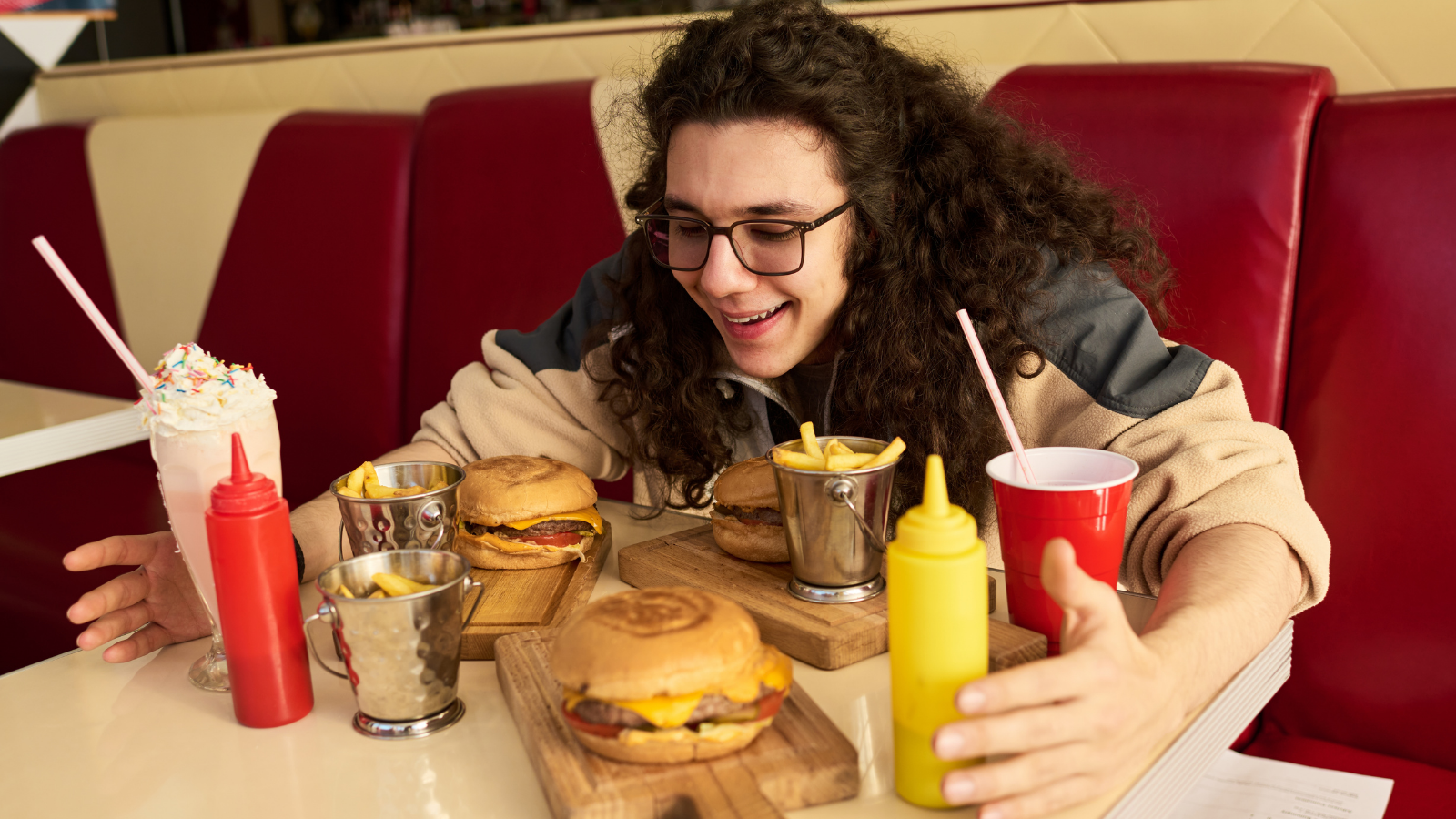
For people who grew up with them, lunch counters are tied to some of life’s sweetest memories. They remember spinning on the stool, the clatter of dishes, and the taste of a milkshake served in a tall metal cup. Prices were low enough to make anyone smile, as the government’s inflation calculator makes clear.
The lunch counter belonged to a slower time, when shopping was an outing and lunch was part of the fun. Did you have a favorite lunch counter when you were growing up, and what did you always order there?