10 Foods Kids Had to Finish Before They Could Leave the Table
Every boomer remembers the standoff. Dinner was over, the rest of the family had drifted off to watch television, and one child was still sitting at the kitchen table. In front of them was a plate holding the single food they could not bring themselves to eat.
The rule was simple and it was not open for debate. You ate what you were served, and you did not leave until your plate was clean. Some children sat for an hour, and a few fell asleep in their chairs.
The foods at the center of those battles were nearly the same in every house. These ten were the ones kids of the 1950s, 1960s, and 1970s most often had to finish before they could leave the table.
1. Liver and Onions
Liver was the undisputed champion of dreaded dinners. Mothers served it because it was cheap and packed with iron, and doctors of the day recommended it for growing children. Its strong taste and grainy texture were more than most kids could stand.
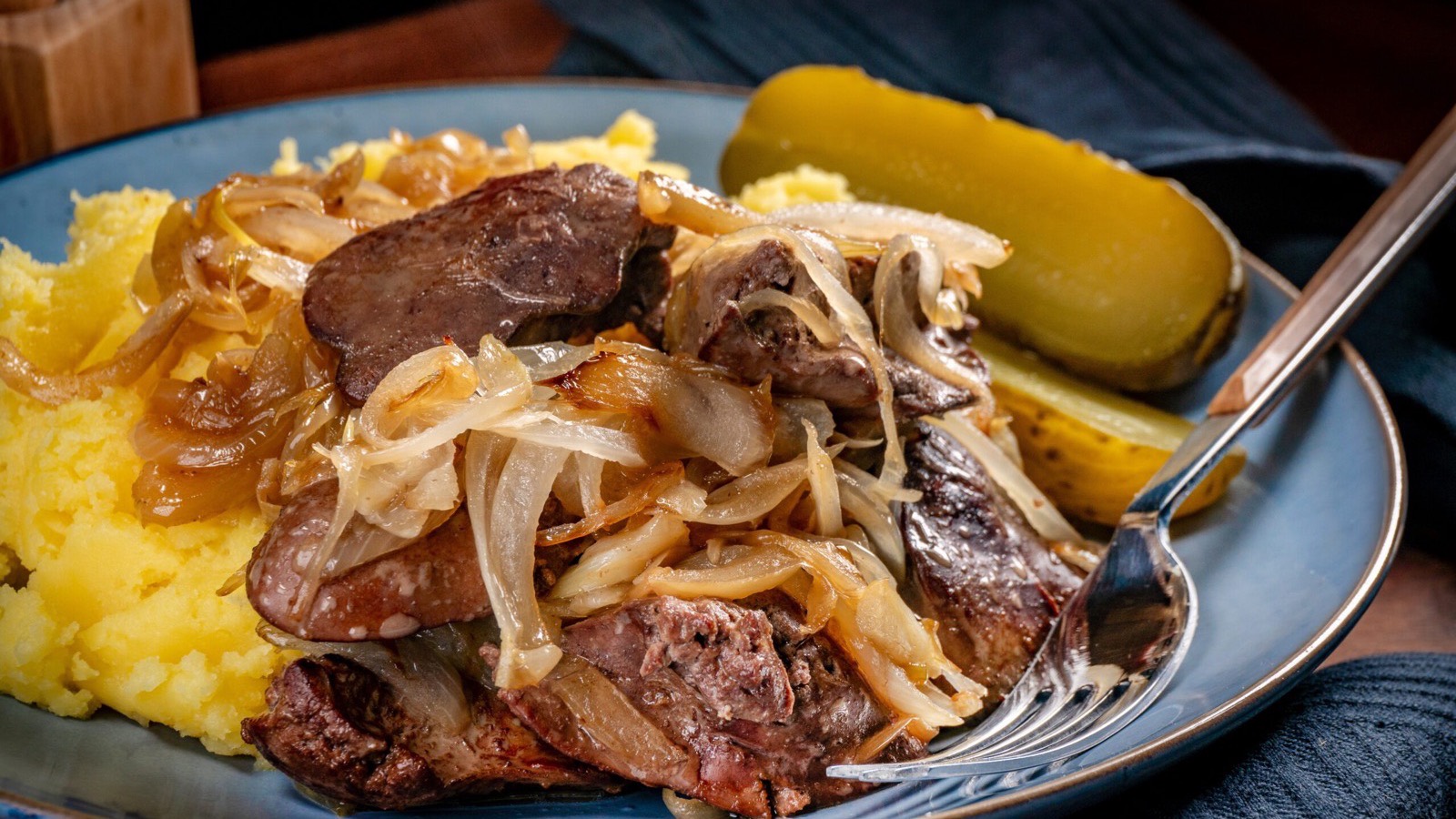
Children tried everything to make it disappear. They drowned it in ketchup, swallowed pieces whole with milk, or slipped them to the dog. Many adults say they have not touched liver since the day they left home.
2. Lima Beans
Lima beans came out of a can or the freezer, pale green and mealy. They were often mixed with corn to make succotash, which fooled nobody. Kids picked out the corn and pushed the beans into a pile.
Mothers liked them because they were inexpensive and filling. Children complained about the dry, chalky texture. Lima beans may be the vegetable most often left cold on a plate at bedtime.
3. Canned Spinach
Fresh spinach was rare in many homes, so kids got it from a can. It came out dark, limp, and swimming in liquid. A splash of vinegar was supposed to help, though it rarely did.
Popeye made spinach famous, and mothers reminded their children of his muscles. The cartoon was not enough to make the canned version taste good. Many boomers were amazed to discover later that fresh spinach is delicious.
4. Brussels Sprouts
Brussels sprouts in those days were boiled until soft and gray. The long cooking brought out a strong, bitter flavor and a smell that filled the house. Children could tell what was for dinner from the front porch.
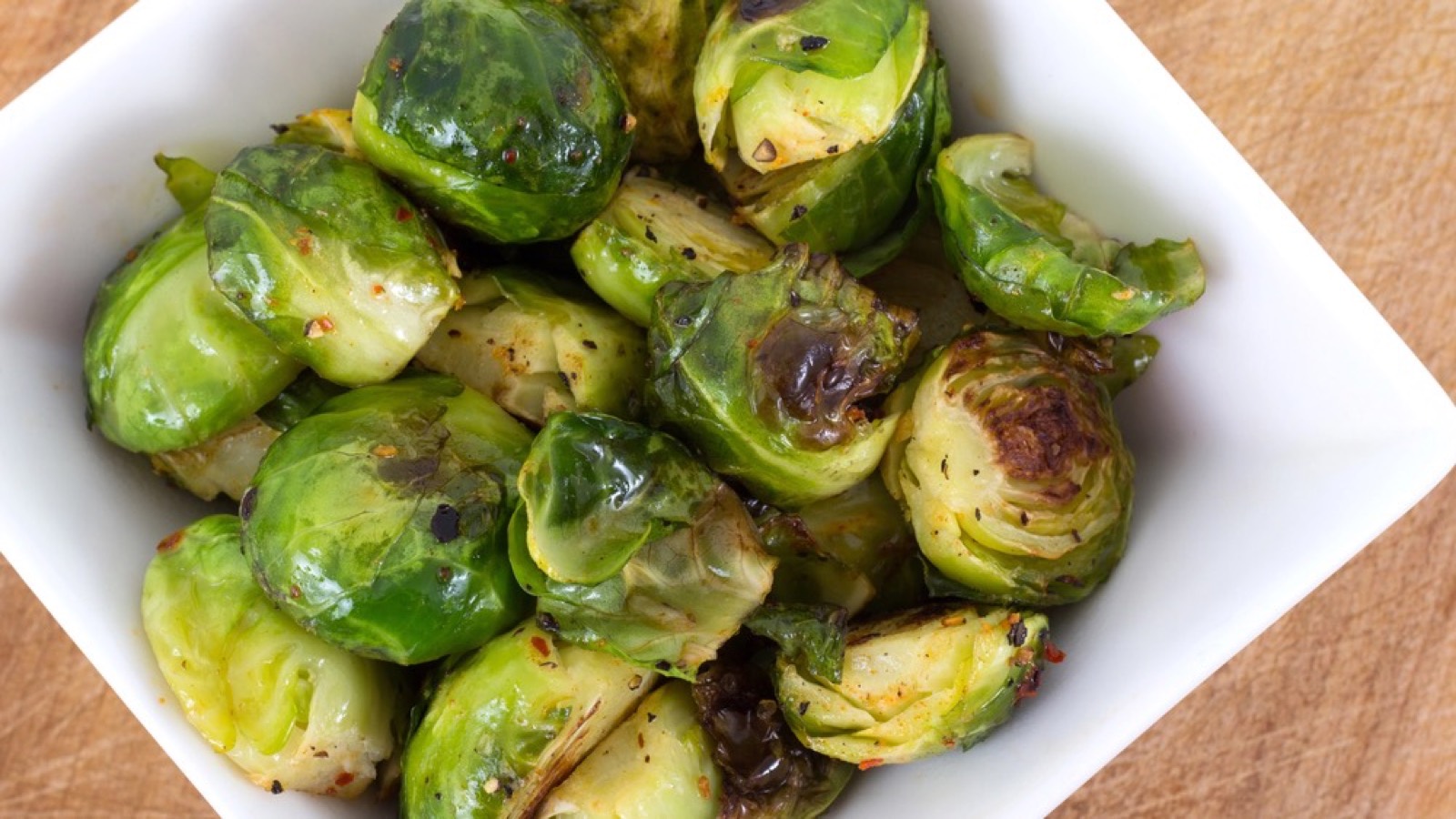
Today’s sprouts are milder, and roasting has made them popular. That was no help to a child in 1965. The boiled version left lifelong scars on a whole generation.
5. Canned Peas
Canned peas were soft, dull green, and slightly sweet. They rolled around the plate and were hard to hide. Kids tucked them under the rim of the plate or buried them in mashed potatoes.
Peas showed up several times a week because they were cheap and always in the pantry. Some children counted them and negotiated how many they had to eat. A common deal was one pea for every year of age.
6. Beets
Beets stained everything they touched, including the potatoes next to them. They were usually served pickled or as sweet-and-sour Harvard beets. Their earthy taste was a hard sell for young eaters.
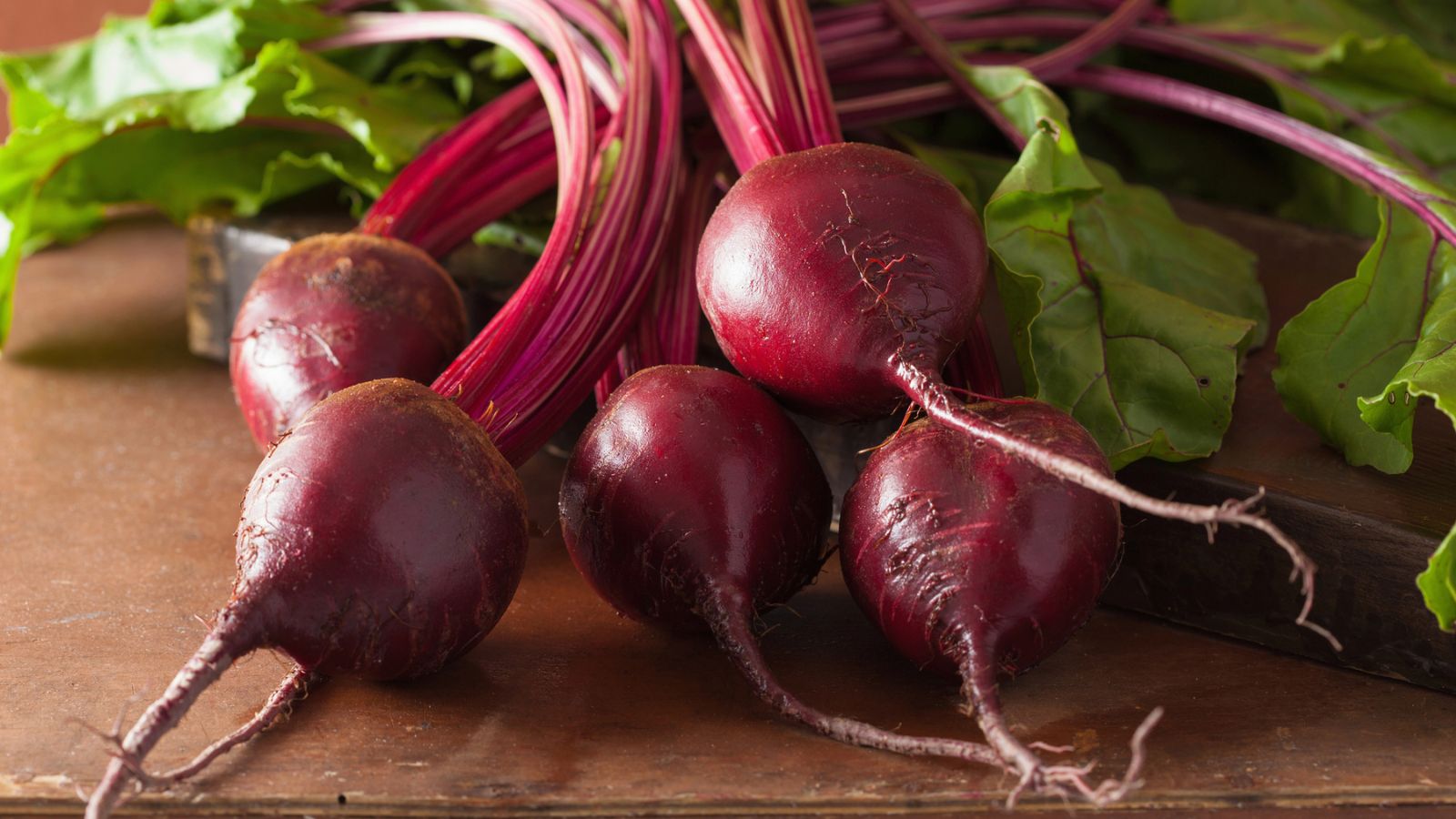
Many children objected to the color as much as the flavor. Mothers insisted they were full of vitamins. Beets remain one of those vegetables people either love or avoid for life.
7. Creamed Vegetables
Creamed corn, creamed spinach, and creamed onions were common side dishes. Vegetables were covered in a thick white sauce that turned gluey as it cooled. The longer a child sat staring at it, the worse it got.
Cream sauces were seen as a way to make vegetables richer and more appealing. Many kids found the texture harder to manage than the vegetables alone. Cold creamed peas may be the saddest sight a child ever faced.
8. Stewed Tomatoes
Stewed tomatoes were served warm in a small bowl, often with sugar and torn pieces of bread mixed in. The soggy bread was the problem for most kids. It was neither soup nor a side dish, and it slid around the spoon.
Older relatives loved them and saw them as a simple, thrifty dish. Children wondered why anyone would ruin a good tomato. The dish has almost vanished from modern tables.
9. Fish With Bones
On Fridays, many families ate fish, and it did not always come as a neat boneless stick. Whole pan-fried fish and canned salmon were full of small bones. Children picked through each bite nervously.
Parents warned them to chew carefully, which only made things worse. Salmon patties with soft bones mashed into them were a regular test of courage. Fish sticks, when they arrived, felt like a gift.
10. Cooked Cabbage and Sauerkraut
Boiled cabbage, sauerkraut, and cooked greens were regulars on the dinner table. They were cheap, they kept well, and they were part of many family traditions. They also had powerful smells.
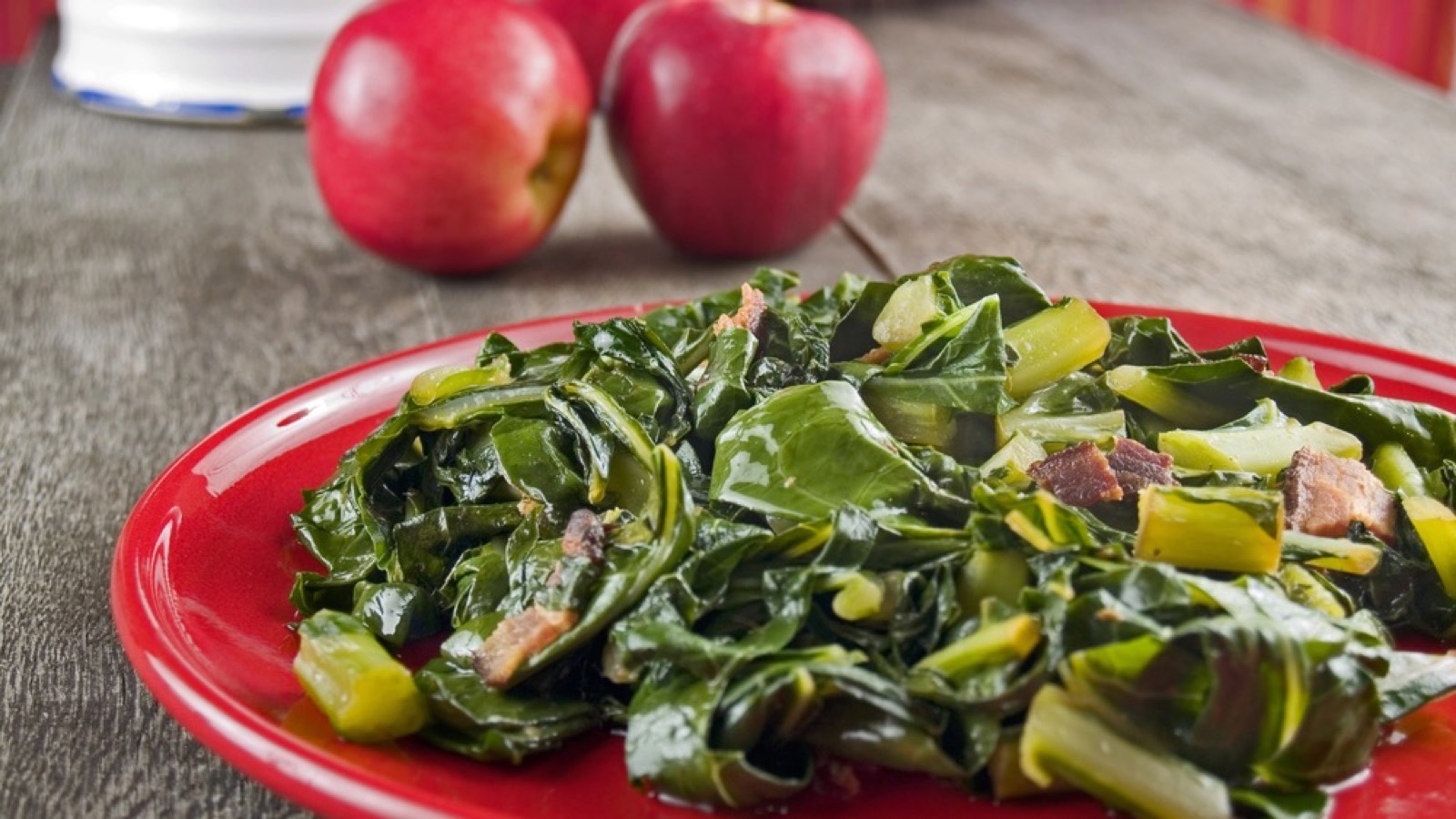
Kids held their noses and took the smallest bites possible. Some mothers required three bites before a child could be excused. Many of these dishes are now considered weird old-fashioned foods that only boomers still eat.
Why Parents Were So Strict
The clean-plate rule had deep roots. Parents of boomers had grown up during the Depression and lived through wartime rationing. They had known what it was like to go without, and wasting food seemed deeply wrong.
There was also less variety. Out-of-season vegetables came from a can, and they were cooked the only way most people knew, which was by boiling. A child’s complaints about taste did not carry much weight.
Money mattered too. Most families lived on one income, and there was no budget for cooking a second meal. The same thinking shaped many things older generations never wasted money on in the kitchen.
What Experts Say Now
Advice for parents has changed a great deal. Many nutrition experts now discourage forcing children to clean their plates. They say it can teach kids to eat past the point of fullness and to see certain foods as punishment.
The current approach is to offer a variety of foods, including vegetables, and let children decide how much to eat. Experts suggest offering a new food many times without pressure. Most children eventually come around.
Vegetables themselves are no less important than they were. The same foods boomers fought over are now praised for their fiber and nutrients, and Harvard Nutrition Source notes that beans and other legumes are rich in protein, fiber, and minerals. Mom was right about that part.
Do You Eat Them Now?
Many adults have made peace with their childhood enemies. Roasted Brussels sprouts, fresh spinach salads, and beets with goat cheese are on restaurant menus everywhere. Better cooking has changed a lot of minds.
Others have never forgiven lima beans or liver, and they never will. Which food kept you sitting at the table the longest, and would you eat it today?