Why So Many American Families Ate Fish Every Friday in the 1950s
Ask anyone who grew up in the 1950s what was for dinner on Friday, and many will answer without thinking. It was fish. It might have been fish sticks from the freezer, salmon patties from a can, or a plate of fried perch at the church hall.
The habit was so widespread that school cafeterias, diners, and even fast-food chains planned their menus around it. Entire towns smelled of frying fish at the end of the week. Children who were not even religious grew up thinking Friday fish was simply an American custom.
The real story goes back many centuries, and it explains a lot about how the country ate at mid-century. It also explains why the tradition faded so quickly for many families after the 1960s.
A Rule of the Catholic Church
The main reason was religious. For centuries, the Catholic Church asked its members to abstain from eating meat on Fridays as a small act of penance. Friday was chosen because it was the day of the week on which Christians remember the crucifixion.
The rule covered the flesh of warm-blooded animals such as beef, pork, and chicken. Fish was not counted as meat, so it became the natural replacement. As NPR has reported, the practice of eating fish on fast days shaped European diets and fishing industries for hundreds of years.
By the 1950s, tens of millions of Americans were Catholic, and most of them followed the rule every single week. In heavily Catholic cities such as Boston, Chicago, Milwaukee, and Buffalo, meatless Friday was simply part of life. Butcher shops were quiet, and fish markets had lines out the door.
How the Whole Country Joined In
What is striking is how many non-Catholic families ate fish on Friday too. Part of the reason was practical. Public schools, factory canteens, and hospitals did not want to cook two separate meals, so they served fish to everyone.
Restaurants followed the same logic. Diners put a Friday fish special on the board because a large share of their customers could not order a burger that day. Neighbors and coworkers of every faith got used to the weekly routine.
Grocery stores also ran their fish sales at the end of the week. A mother who planned her menu around the newspaper ads often ended up buying fish on Thursday, whatever her religion. Over time, Friday fish became a habit that needed no explanation.
Fish Sticks Changed Everything
The 1950s added something new to the tradition. Frozen fish sticks arrived in American stores in 1953, and they were an instant success. They were boneless, mild, cheap, and ready in minutes, which made them perfect for a busy mother.
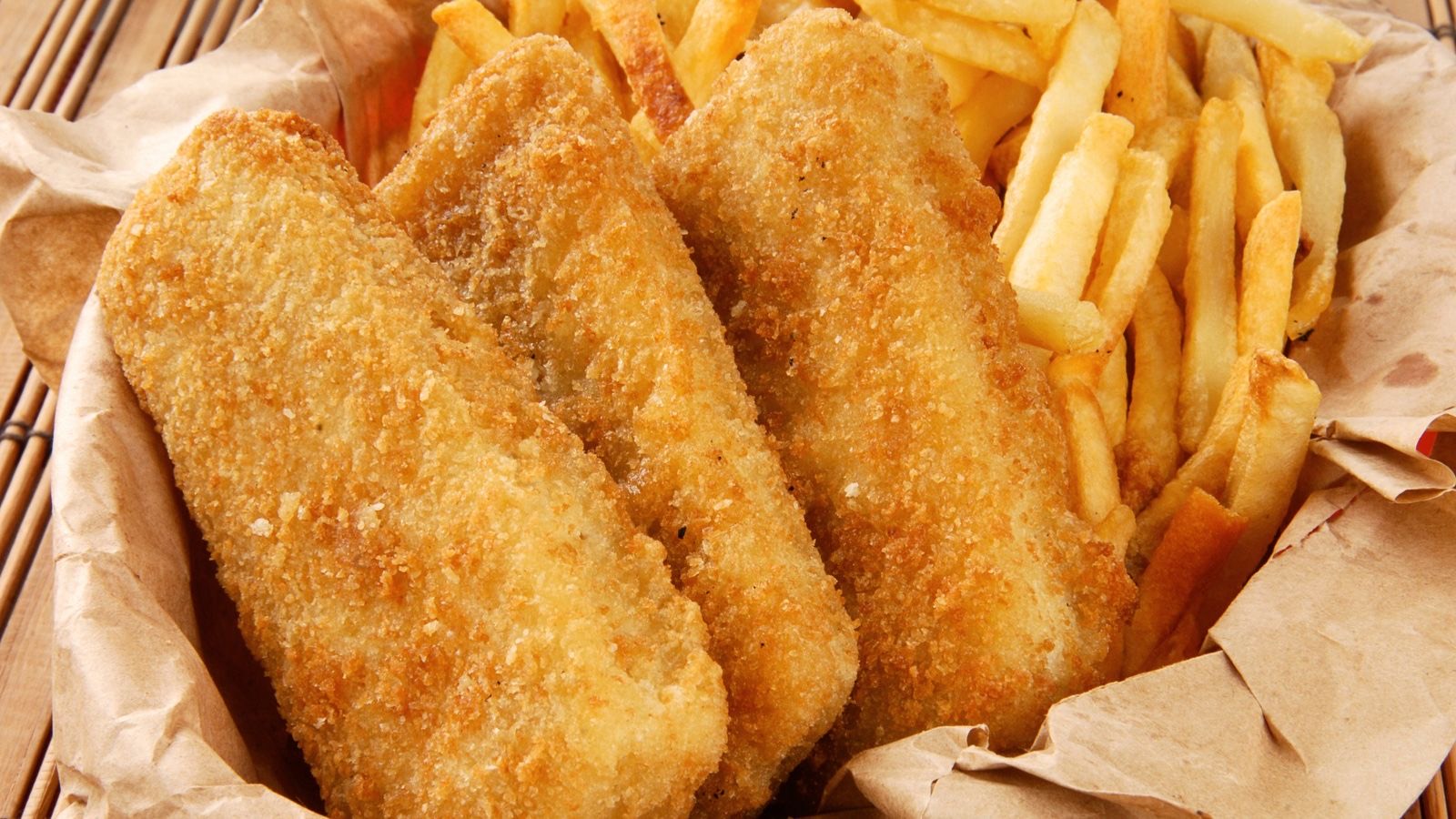
Before fish sticks, many inland families had little access to good fresh fish. Now a box in the freezer could solve Friday supper for the whole month. Children who refused a fillet with bones in it happily ate breaded sticks dipped in ketchup or tartar sauce.
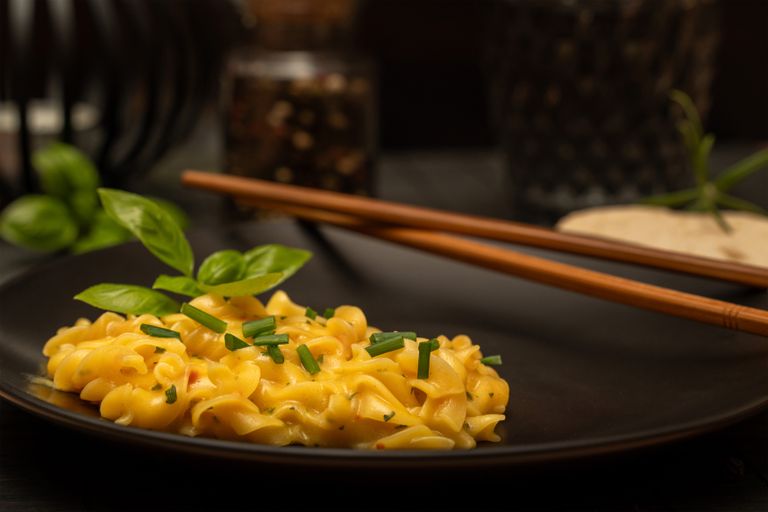
Other convenience foods filled the same role. Canned tuna went into casseroles, canned salmon was shaped into patties, and macaroni and cheese became a meatless standby. These were among the foods that take you back to American kitchens of the time.
The Friday Fish Fry
In the Midwest, the tradition grew into a weekly social event. Taverns, church basements, and veterans’ halls held Friday fish fries where families lined up for battered cod, perch, or walleye. The plate usually came with coleslaw, rye bread, and potato pancakes or French fries.
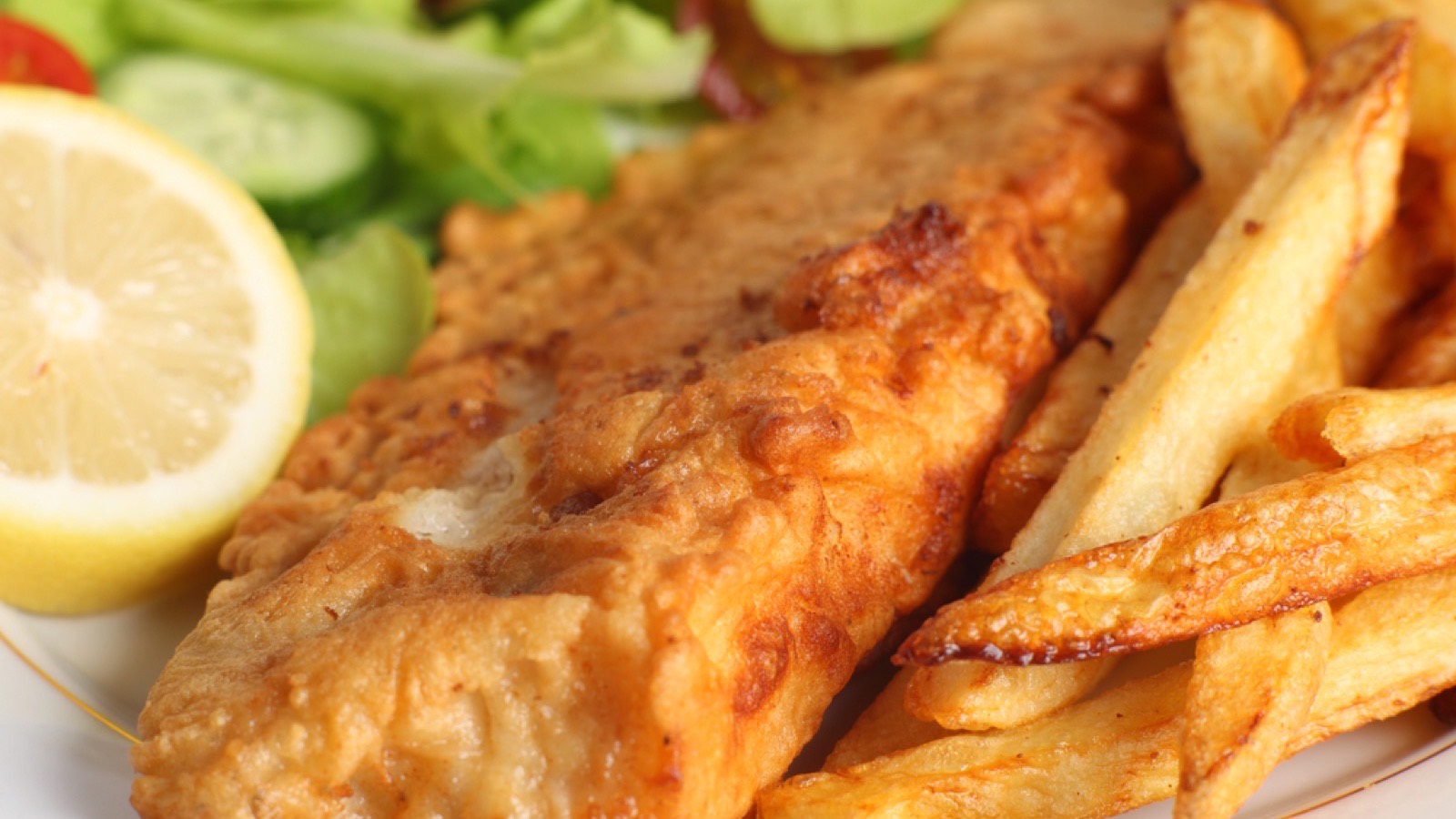
Wisconsin became especially famous for it, and the custom remains strong there today. For many families, the fish fry was the one night of the week they ate out. Children ran between tables while parents visited with neighbors.
Churches used fish fries to raise money, particularly during Lent. Volunteers breaded and fried hundreds of pounds of fish in a single evening. Those dinners helped pay for schools, roofs, and parish halls across the country.
The Sandwich That Fridays Built
The custom even changed fast food. In the early 1960s, a McDonald’s franchise owner in Cincinnati named Lou Groen noticed that his sales collapsed every Friday. His restaurant was in a heavily Catholic neighborhood, and his customers were going elsewhere for fish.
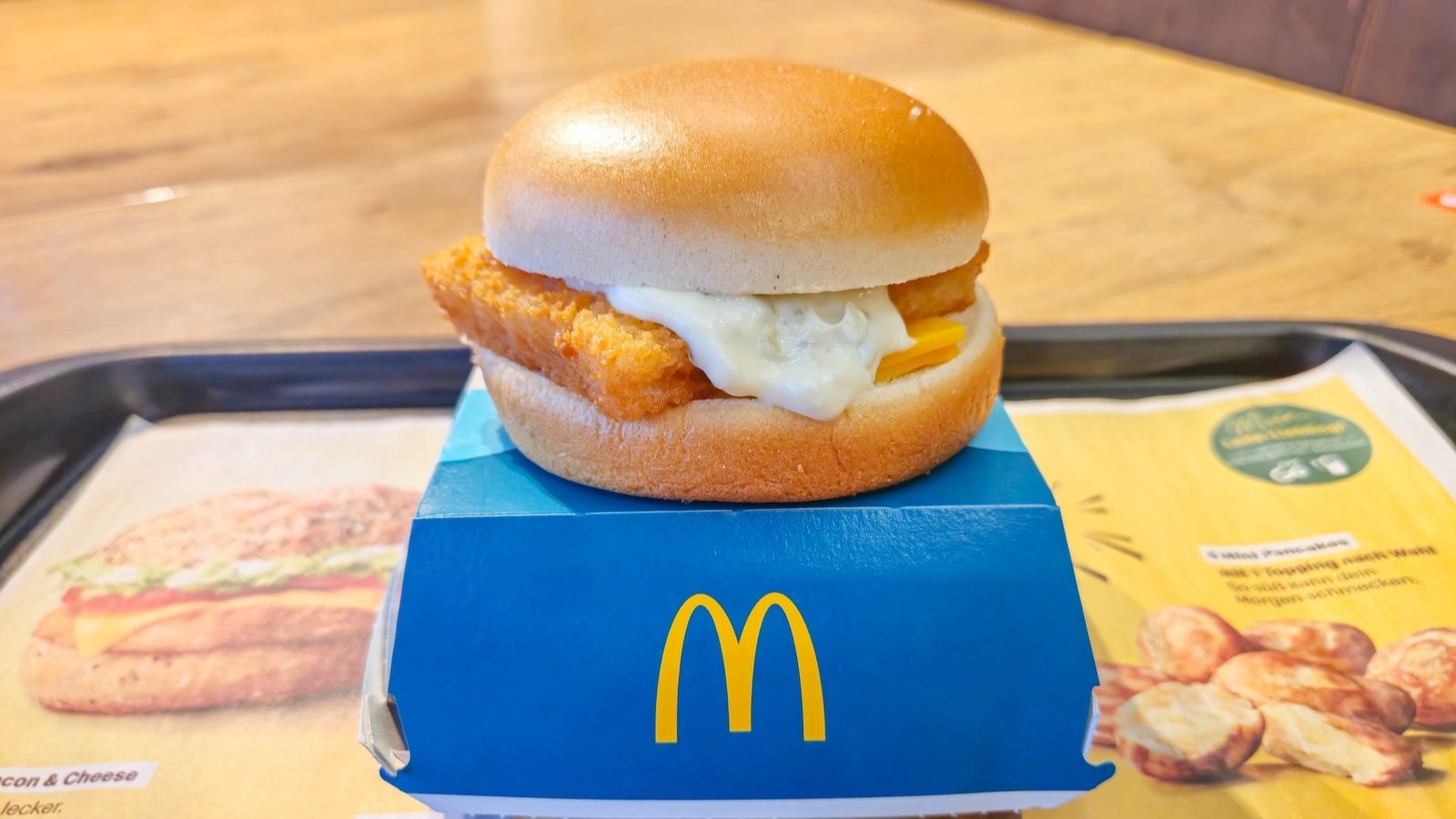
Groen created a fried fish sandwich to win them back. As Smithsonian tells it, his sandwich went up against a meatless pineapple burger favored by company founder Ray Kroc, and the fish won easily. The Filet-O-Fish joined the national menu in 1965.
It was the first new item added to the chain’s original menu. Other fast-food companies soon added their own fish sandwiches. To this day, sales of those sandwiches rise sharply during Lent.
Why the Tradition Faded
The big change came in 1966. Following the reforms of the Second Vatican Council, Catholic bishops in the United States relaxed the rule. Catholics were still asked to do some form of penance on Fridays, but giving up meat was required only on Ash Wednesday and the Fridays of Lent.
Many families stopped the weekly habit almost overnight. Hamburgers and pizza took over Friday nights. For younger Catholics, meatless Fridays became something that happened only for a few weeks each spring.
Other changes were also under way. More mothers were working outside the home, fast food was spreading, and family meals were becoming less regular. The decline mirrored the way the Sunday family dinner slowly faded from American life.
A Habit That Still Lingers
Friday fish never disappeared completely. Many older Americans still order fish at the end of the week without really thinking about why. Restaurants in the Midwest and Northeast continue to post Friday fish specials all year long.
Health advice has given the old custom a new reason to exist. The FDA says fish provides protein, healthy fats, and other key nutrients, and it encourages adults to eat it as part of a healthy diet. Grandma’s Friday rule turns out to fit neatly with modern nutrition.
For those who grew up in the 1950s, Friday fish is tied to powerful memories. They remember the smell of the fryer, the crunch of a fish stick, and a crowded church hall full of friends. Did your family eat fish every Friday, and do you still keep the tradition today?