16 Unexpected Places to Stash Emergency Cash Around Your Home (Without Using a Wallet or Safe)
Keeping a little emergency cash at home is a practical habit that can become surprisingly valuable when everyday conveniences suddenly stop working. A power outage, severe winter storm, temporary banking disruption, or emergency can make it difficult to access money electronically.
Although most Americans rely on debit cards, credit cards, and mobile payment services, having some physical cash on hand can add an extra layer of preparedness.
But where should you keep it?
A wallet is an obvious place, and a traditional safe may not always be convenient. Some homeowners prefer keeping a modest emergency reserve somewhere discreet, protected, and accessible without advertising its location to every visitor.
The trick is choosing a location that won’t expose the money to moisture, heat, accidental disposal, or household damage.
Here are 16 unexpected places to consider keeping emergency cash around your home.
Inside an Old Board Game Box
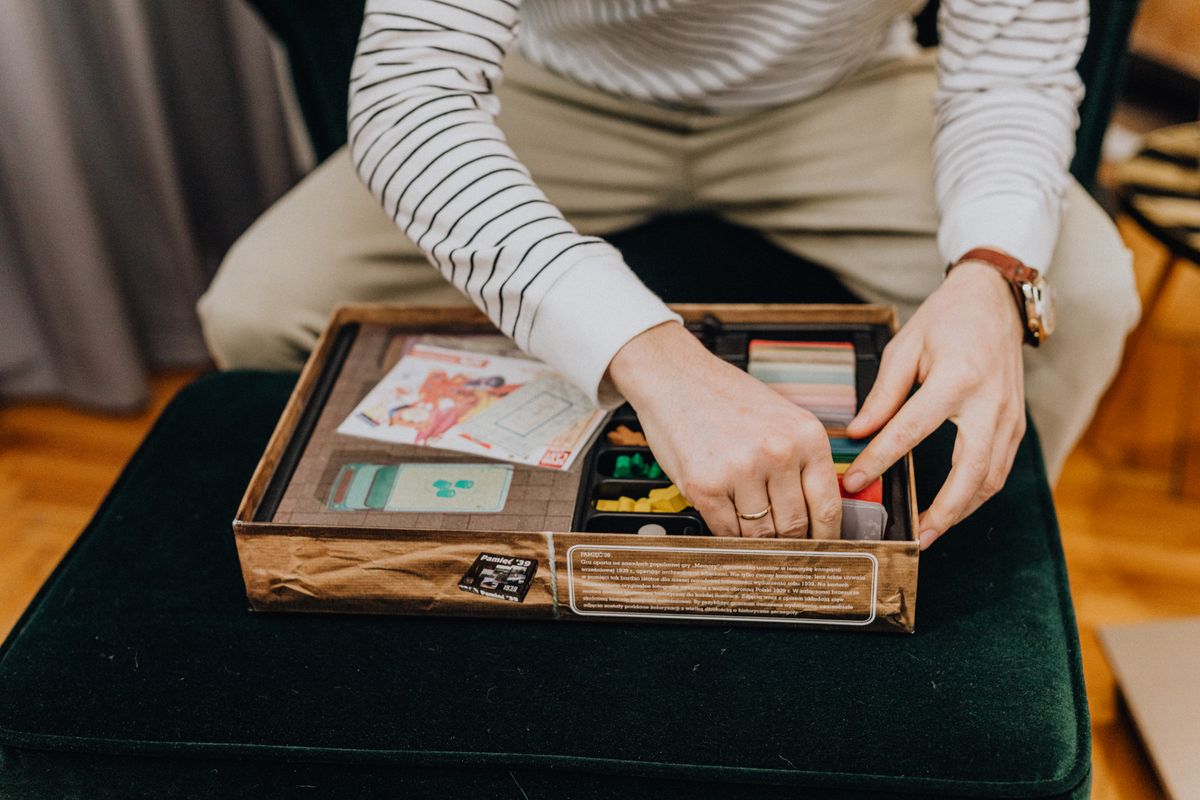
A board game you rarely play can provide an inconspicuous storage spot.
Many households have old games sitting on closet shelves for years. A sealed envelope containing emergency cash can be placed inside the box beneath the game instructions or other contents.
Choose a game you intend to keep, not one you might eventually donate or discard.
The advantage is that it looks like an ordinary household possession rather than an obvious money container.
Related: 6 Family Reunion Games Everyone Will Want to Play
Inside a Clearly Labeled Document Folder
Important household documents often have designated storage locations.
A sturdy folder containing copies of insurance information, appliance warranties, or old household paperwork can also hold a sealed envelope with emergency cash.
However, avoid mixing money with original legal documents or anything that might be removed for an appointment.
A separate, clearly identified emergency envelope inside the folder can make the arrangement easier to manage.
In a Dedicated Storage Container in the Linen Closet
Linen closets often contain extra towels, spare pillowcases, blankets, and other household necessities.
A small, waterproof container placed among ordinary stored linens can provide a discreet location for an emergency cash envelope.
The container should remain protected from moisture and should not be placed where it might accidentally be mistaken for something to donate.
This option works particularly well for households that already have organized linen storage.
Related: 8 Items You Should Never Store in Your Oven Drawer
Inside a Spare Luggage Organizer
Travel bags and luggage organizers aren’t always used year-round.
A small zippered organizer stored with spare luggage can hold a sealed emergency cash envelope.
This is especially useful because the organizer keeps the money separate from other belongings.
Just remember to check the cash before taking luggage on a trip or sending bags to storage.
Inside an Old Sewing Kit
A sewing kit is one of those household items that many people keep for years.
A larger sewing box may have several compartments for thread, buttons, needles, and other accessories.
A sealed envelope can be stored in a separate compartment, provided it doesn’t interfere with the sewing supplies.
Make sure the cash is protected from sharp objects and that the container remains somewhere household members won’t accidentally throw away.
In a Weather-Resistant Container With Emergency Supplies
Emergency supplies deserve a designated storage area in every household.
Flashlights, spare batteries, a first-aid kit, and other preparedness items are often kept together.
A small waterproof container can hold emergency cash alongside these supplies.
This arrangement has an added advantage: the money stays with items homeowners are likely to need during an emergency.
It also makes it easier to remember where the cash is stored.
Inside a Spare Pillow Storage Bag
Extra bedding is commonly kept in closets, storage cabinets, or under beds.
A labeled storage bag containing spare pillows or bedding can provide a discreet place for a sealed cash envelope.
However, avoid placing money directly inside a pillow, where it could become uncomfortable, get damaged, or be accidentally removed during washing.
A separate waterproof pouch inside the storage bag is more practical.
Inside a Stationery or Office-Supply Organizer
Many homes have drawers or containers filled with pens, notebooks, envelopes, paper clips, and other office supplies.
A dedicated compartment in a stationery organizer can hold a small emergency cash envelope.
Because these containers are ordinary household items, they don’t necessarily attract attention.
Choose an organizer that remains in a predictable location rather than one that regularly moves between rooms.
In a Dedicated Container Among Holiday Decorations
Seasonal decorations spend much of the year stored away.
Christmas ornaments, artificial flowers, decorative accessories, and other holiday items are often kept in labeled storage containers.
A separate sealed pouch inside a clearly identified household storage box can provide another possible location for emergency cash.
The important thing is remembering where it is before decorations are moved, donated, or discarded.
Avoid placing money directly among delicate ornaments or anything that might become damaged.
Inside a Spare Backpack
An unused backpack stored in a closet can serve as a practical place to keep a small emergency cash reserve.
A zipped interior compartment can keep the money separate from ordinary belongings.
This location is particularly convenient for households that already maintain an emergency backpack.
However, make sure you don’t use the bag regularly for school, work, or travel. Otherwise, the cash could accidentally leave the house.
In a Dedicated Craft-Supply Container
People who enjoy sewing, painting, knitting, or other hobbies often have containers filled with supplies.
A sturdy craft organizer with separate compartments can accommodate a sealed envelope without interfering with the materials.
Choose a container that isn’t exposed to paint, glue, water, or other substances that could damage the cash.
It should also be something you intend to keep rather than a box likely to be donated during a household cleanup.
Inside a Spare Eyeglasses Case
An old, unused eyeglasses case can hold folded bills inside a sealed protective envelope.
It is small, ordinary, and easy to store with other personal accessories.
However, avoid using a case that could be accidentally picked up and carried outside.
A dedicated case kept with other household storage items is a better option than one sitting beside everyday eyeglasses.
In a Locked Filing Cabinet Drawer
Not every discreet cash-storage location needs to be unusual.
A filing cabinet containing household records can provide a reasonable place to keep emergency cash, especially if it has a lock.
The money can be placed in a sealed envelope separate from original documents.
This arrangement offers more organization than hiding cash among random household belongings.
It also makes it easier to keep an accurate record of the amount stored.
Inside a Dedicated Travel Toiletry Bag
Spare toiletry bags are often stored in bathroom cabinets or travel drawers.
An unused bag with a secure zipper can hold a small emergency cash envelope.
However, avoid storing money directly next to liquids, cosmetics, or other products that could leak.
A separate waterproof pouch inside the bag provides additional protection.
In a Lockable Household Storage Box
A small lockable storage box can provide an alternative to a traditional home safe.
You can place it inside an ordinary storage cabinet and use it exclusively for emergency household supplies.
Unlike an improvised hiding place, this option provides a basic physical barrier against casual access.
For larger cash reserves, a properly secured, fire-resistant safe is a more appropriate choice.
Related: 10 Things That Squeak in Your Home (and How to Fix Them)
Inside a Dedicated Emergency Document Pouch
A waterproof emergency document pouch is another practical option.
These pouches are designed to help protect important papers and can be kept with copies of insurance information, emergency contacts, and other household records.
A sealed cash envelope can be stored in a separate compartment.
Keep the pouch somewhere accessible but away from potential water damage.
This is particularly useful for households that want important emergency items organized in one place.
A Few Things to Remember Before Hiding Emergency Cash

Finding a discreet place for emergency cash is only part of the preparation. Homeowners should also consider how to protect the money and ensure it remains available when needed.
A few precautions are worth following:
- Keep the amount reasonable: Store enough to cover immediate needs rather than keeping your entire savings in the house.
- Protect it from moisture: Use a waterproof envelope or container, particularly in basements, garages, and closets.
- Avoid heat sources: Never hide cash inside ovens, microwaves, heating equipment, or electrical appliances.
- Remember where it is: Keep a secure record of the location so you don’t forget the money.
- Protect against theft: Avoid discussing your hiding places with visitors or people who don’t need to know.
- Consider fire protection: Ordinary plastic containers and envelopes don’t reliably protect against house fires.
- Review it periodically: Check that the cash remains dry, accessible, and sufficient for your emergency needs.
Emergency Cash Is About Preparation, Not Paranoia
Modern households depend heavily on electronic payments, banking applications, and internet connections. Most of the time, these systems work conveniently.
But emergencies can interrupt ordinary routines, sometimes when people least expect them.
Having a modest amount of physical cash at home can help cover small purchases when electronic payment options are temporarily unavailable.
The best storage location isn’t necessarily the most complicated hiding place. It protects the money, remains accessible to the right household members, and won’t accidentally be thrown away.
A little preparation today can make an unexpected situation considerably easier to manage tomorrow.