117 Dead Dogs, 661 Collars, and 1 Brutal Question for California’s “No-Kill” Rescue System
A 50-acre animal sanctuary in Northern California is now the center of a disturbing investigation after authorities say they found 117 intact dog remains, 21 canine skulls, hundreds of bones, and microchips buried on the grounds of Miranda’s Rescue Animal Sanctuary in Fortuna, California. The shelter called itself “no-kill,” but investigators say many of the dogs they examined showed evidence of bullet fragments, turning a rescue story into a case that has shaken shelters, donors, and pet owners across California.
The most haunting number may not be 117. It may be 661, the number of dog collars investigators reportedly recovered near a barn where Sheriff William Honsal said evidence suggested dogs may have been killed. Some collars had names, license numbers, or identifying details, meaning this case is no longer just about remains in a field; it may become a dog-by-dog reckoning for families and shelters that believed those animals were getting a second chance.
117 Dogs Found Buried at a California Rescue
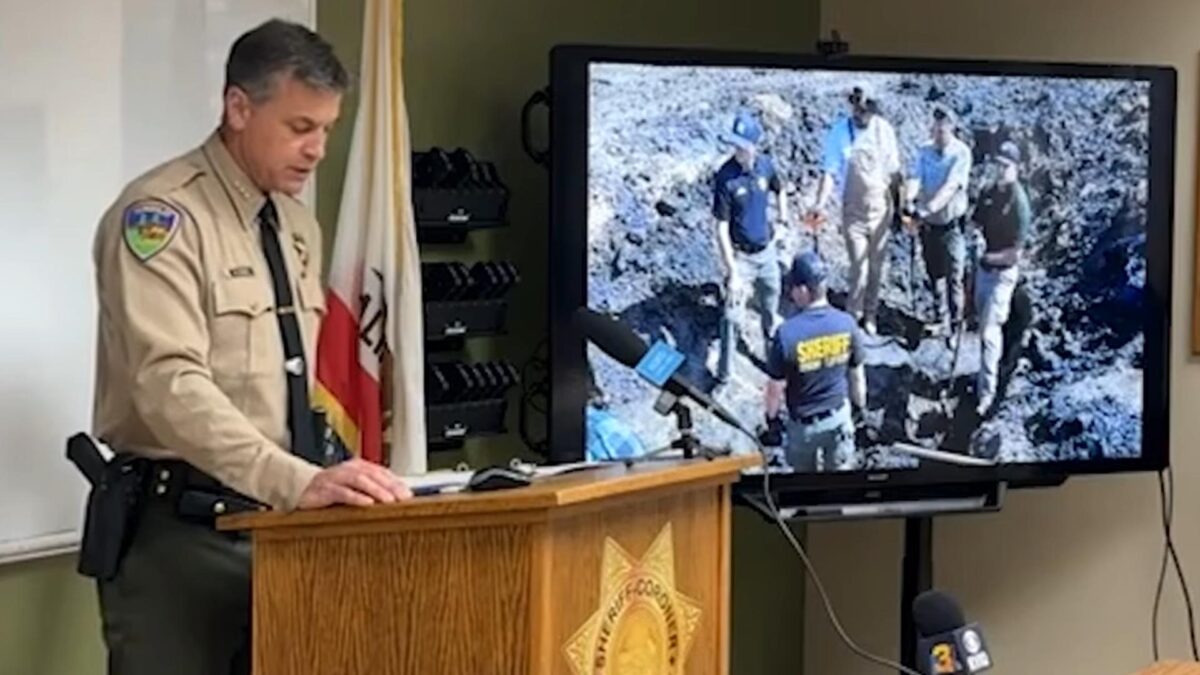
According to the Humboldt County Sheriff’s Office, investigators used ground-penetrating radar before excavating 2 dig sites, where they recovered 117 intact canine remains in varying stages of decomposition. In a nearby area, they also found 21 skulls, hundreds of bones, and 6 loose microchips, all of which are now part of a larger evidence review tied to allegations of animal cruelty and fraud.
Authorities X-rayed 70 of the recovered dogs on-site, and many reportedly showed evidence of bullet fragments. The remaining 47 dogs were collected as evidence but not examined at the scene because investigators ran out of time, meaning the final picture of what happened may still grow darker as forensic reviews continue.
The investigation began in April 2026 after the sheriff’s office said it received credible information involving possible felony animal abuse, animal cruelty, fraud, and conspiracy. A second search operation was completed in late June, and officials have repeatedly stressed that the case involves a large amount of data, witness interviews, physical evidence, and records that must be reviewed before any charging decision is made.
900 Animals Transferred, More Than 700 Unaccounted For
The bigger shock is the paper trail. Sheriff Honsal said Miranda’s Rescue received more than 900 animals from shelters between January 2025 and spring 2026, while the San Francisco Chronicle reported that 731 animals remained unaccounted for after investigators located 117 remains and reviewed additional evidence.
That number matters because shelter transfers are built on trust. A crowded municipal shelter may pay for or transfer a dog to a rescue, believing that the animal will be fostered, adopted, rehabilitated, or humanely managed, but when hundreds of animals become hard to trace, the rescue pipeline stops looking like a safety net and starts looking like a blind spot.
Investigators also recovered 91 microchips, including 85 scanned from intact dogs, and many of those chips reportedly trace back to shelters and rescue facilities across California. That means this case may eventually move from mass numbers to individual names, individual shelters, and individual families waiting to learn whether a dog they surrendered, transferred, or hoped had been adopted was actually among the remains.
The “No-Kill” Label Is Now Under the Microscope
The term “no-kill” carries enormous emotional power because many Americans hear it and assume an animal is safe from being killed simply because space is tight. Best Friends Animal Society describes the commonly used no-kill benchmark as a 90% save rate, meaning the label is usually tied to saving every dog and cat that can reasonably be saved, while allowing for rare instances of euthanasia involving severe medical or behavioral suffering.
Miranda’s Rescue founder Shannon Miranda said in a June 18 statement that the rescue does not euthanize animals simply to make space, but said rare cases may require euthanasia when an animal is terminally suffering or poses a serious ongoing danger. That statement is now being weighed against the sheriff’s reported findings: 117 buried dogs, many with bullet fragments, plus a barn area where investigators found collars, shell casings, a rifle, and blood evidence.
No charges had been filed as of the latest official updates, and that detail matters. This is still an investigation, not a conviction, but the public reaction has been intense because the numbers are difficult to process: 117 remains, 661 collars, 91 microchips, and more than 700 animals still raise questions on paper.
Why This Case Hit Pet Owners So Hard
This story hurts because every number feels personal. A collar is not just evidence; it may be the last physical link to a dog with a name, a shelter record, a foster note, a microchip number, a transport date, or a family that once believed rescue meant safety. Multiply that by 661 collars, and the scale becomes almost impossible to sit with.
It also exposes a weakness in the rescue world that many donors rarely consider. A rescue can post emotional photos, collect donations, accept transfer fees, describe itself in comforting terms, and still require the same basic accountability that any serious organization should provide: intake records, adoption outcomes, euthanasia records, veterinary documentation, and financial transparency for every 1 animal it receives.
Sheriff Honsal has also pointed to a broader regulatory concern, noting that California does not currently require a specific state license or permit to operate an animal rescue. He called for stronger rules requiring rescues and shelters to report how many animals they take in, where they came from, and what happened to them, the kind of 3-part paper trail that could prevent dogs from vanishing into a system built on goodwill.
The Brutal Lesson for Donors, Shelters, and Pet Owners
The lesson from Fortuna is not that all rescues are bad. The lesson is that love for animals cannot replace documentation. A rescue handling 10 dogs needs records; a rescue handling 100 dogs needs stronger records; and a rescue receiving more than 900 animals needs a level of transparency that shelters, donors, and the public can actually verify.
Shelters should request written outcome reports from transfer partners at 30, 60, and 90 days. Donors should ask how many animals were taken in during the last 12 months, how many were adopted, how many died, how many were euthanized, and how those decisions were documented. Pet owners should keep microchip numbers, surrender paperwork, photos, and transfer dates, as these details can become crucial if an animal later becomes part of an investigation.
For now, the Miranda’s Rescue case remains open, and investigators are still reviewing physical evidence, financial records, microchip data, and witness information. But the warning is already clear after 117 bodies and 661 collars: “no-kill” should never be treated as a magic phrase. It should be backed by records strong enough to prove where every animal went, what happened next, and who was responsible when the promise failed.