The Boomer Cooking Habit That Leaves Younger Generations Puzzled
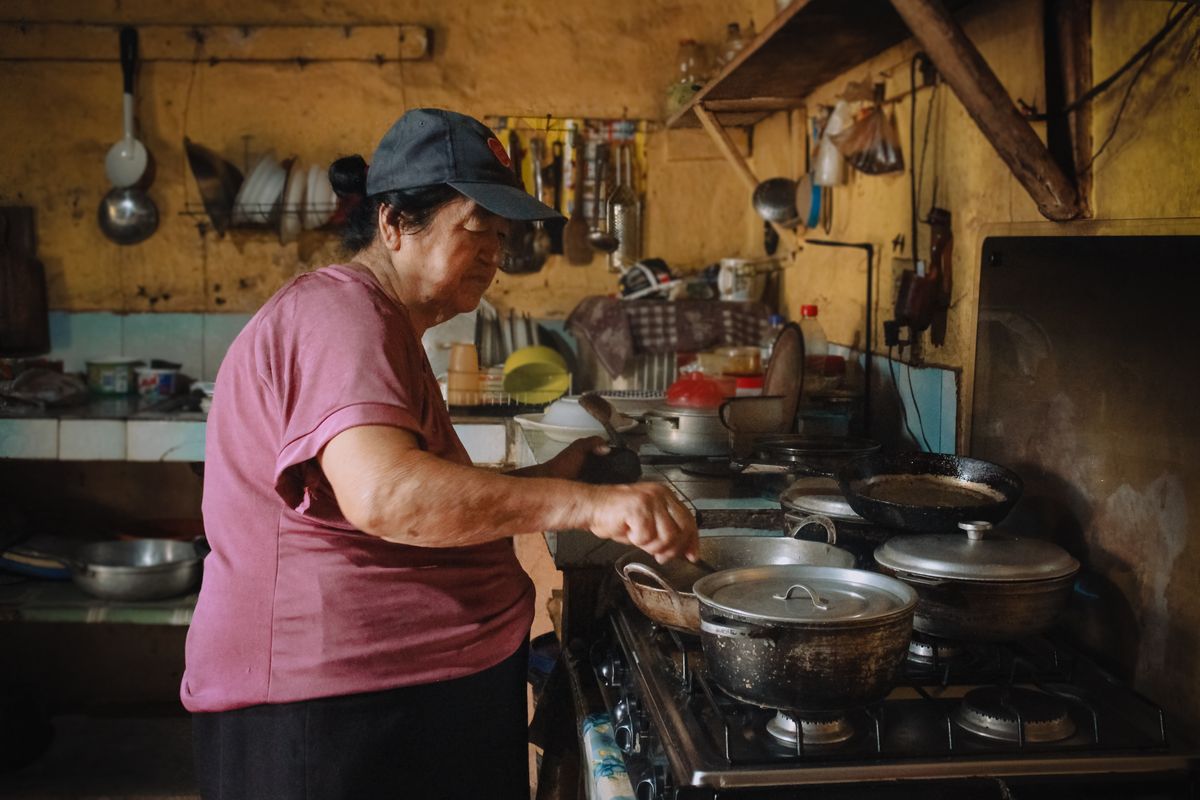
The pork chop looks ready. The green beans still have some snap. Then someone puts the lid back on and announces that dinner needs a few more minutes. Across the kitchen, a younger relative quietly wonders how to rescue it.
It is a familiar kind of disagreement: one cook sees food approaching perfection, while another sees food that isn’t finished. The extra minutes can mean the difference between a juicy chop and a disappointing one, or between crisp vegetables and the tenderness someone actually wanted.
Calling this a Boomer habit makes an easy headline. Understanding it requires looking beyond age. Older cooking instructions, inherited methods, and personal preferences can all influence when someone decides dinner is done.
The Pork Chop learned from an Older Rulebook
Pork provides a revealing example because the official instructions have changed. In May 2011, the USDA lowered its recommended minimum cooking temperature for whole pork cuts from 160°F to 145°F, measured with a food thermometer, followed by a three-minute rest before carving or eating. Ground pork remained at 160°F.
A cook who had spent years working toward the previous temperature might find the newer endpoint unfamiliar. Reading updated advice is one thing; trusting a pork chop that looks different from the family standard can be another.
Earlier instructions went higher still. The USDA’s Family Fare, revised in April 1968, listed 170°F for fresh pork loin and 185°F for fresh pork shoulder and ham.
Those historical figures were published doneness endpoints, rather than interchangeable versions of modern minimum-temperature guidance. Still, they show that an older cook’s method could have come from an authoritative booklet, rather than simple carelessness.
Grandma’s Cookbook had more Nuance than the Stereotype
The historical record also complicates the idea that earlier cooks wanted every piece of meat cooked until no pink remained. That same 1968 USDA guide offered rare, medium, and well-done roasting temperatures for beef. It distinguished between different meats and desired results.
That matters because a family’s insistence on thoroughly cooked pork does not automatically explain its approach to steak, vegetables, or everything else on the plate.
Older recipes could also ask readers to exercise considerable judgment. Fannie Merritt Farmer’s 1910 Boston Cooking-School Cook Book instructed cooks to roast pork in a moderate oven for three or four hours, basting frequently.
The book predates the Boomer generation. Its relevance is the kind of instruction a family could pass along: an oven description, a broad time window, and an expectation that experience would fill the gaps.
“A Little Longer” can become Part of the Recipe
Cooking knowledge often arrives through demonstration. Someone watches a parent check the pot, replace the lid, and wait. The gesture can become part of the method without ever appearing on a recipe card.
Historical equipment helps explain why judgment mattered. The 1914 textbook Foods and Household Management warned that many thermometers fitted into range doors were inaccurate. It also described assessing oven heat by hand or by watching paper brown.
That does not establish how any particular Boomer learned to cook. Nor does it mean earlier kitchens lacked useful measuring tools. The 1968 USDA guide recommended a meat thermometer when cooking turkey.
The point is narrower: recipes developed around approximate heat and observation could leave room for extra cooking time. Inherited habits may outlast the equipment that helped shape them.
Sometimes Soft Green Beans are the Whole Point
Vegetables introduce a different question. Before deciding they’re overcooked, consider what dish the cook intended to make. Serious Eats’ French-style green beans amandine recipe uses brief blanching followed by an ice bath to produce bright, tender-crisp beans.
Its bacon-braised green bean recipe takes another route, simmering beans with stock and vinegar for about 45 minutes before reducing the liquid. The intended result is tender beans that retain a slight crunch.
Both are deliberate preparations. Neither supplies evidence that one generation understands vegetables while another does not. If you expect a firm bean beside your main course, longer cooking may disappoint you.
If you want beans carrying the flavor of a braising liquid, a quick blanch would produce a different dinner altogether. The disagreement starts before anyone tastes anything: each person is imagining a different finished dish.
The Useful Question is What “done” Means
Younger cooks have no exclusive claim on crisp vegetables, just as older cooks have no monopoly on long braises. Age alone cannot tell you which textures someone enjoys. What it can obscure is the difference between preference and habit. A cook might knowingly choose softer beans, follow an inherited timetable, or continue using an older pork temperature.
Those choices deserve different conversations. For whole pork cuts, a thermometer and the recommended rest provide a specific endpoint. For vegetables, discussing the desired texture may settle more than arguing over another minute on the stove.
At a shared table, asking how someone likes their beans is more useful than announcing that their generation ruined them. The answer might reveal a favorite family dish, a familiar technique, or a preference you do not share.
That lid going back on the pan can mean several things. Sometimes dinner has stayed on too long. Sometimes the cook is following yesterday’s instructions. And sometimes those extra minutes are exactly what makes the meal taste like home.