9 Salad Bar Items From the 1980s That Seem Strange Now
In the 1980s, the salad bar was the pride of many American restaurants. Steakhouses, family diners, pizza parlors, and even some fast-food chains offered a long, refrigerated counter loaded with toppings. Customers grabbed a chilled plate, walked down the line, and built a mountain of food.
For many families, the salad bar was the best part of eating out. Kids loved choosing their own food, and adults liked the feeling of getting their money’s worth. Some people went back three or four times and barely touched their main course.
Looking back, however, many of the items on those salad bars seem odd by today’s standards. Here are nine salad bar items from the 1980s that would surprise younger diners, and why they were so popular at the time.
1. Iceberg Lettuce as the Only Green
The base of nearly every 1980s salad bar was a big bin of chopped iceberg lettuce. It was crisp, cheap, and lasted a long time in the cooler. Romaine, spinach, and mixed greens were rare in many restaurants.
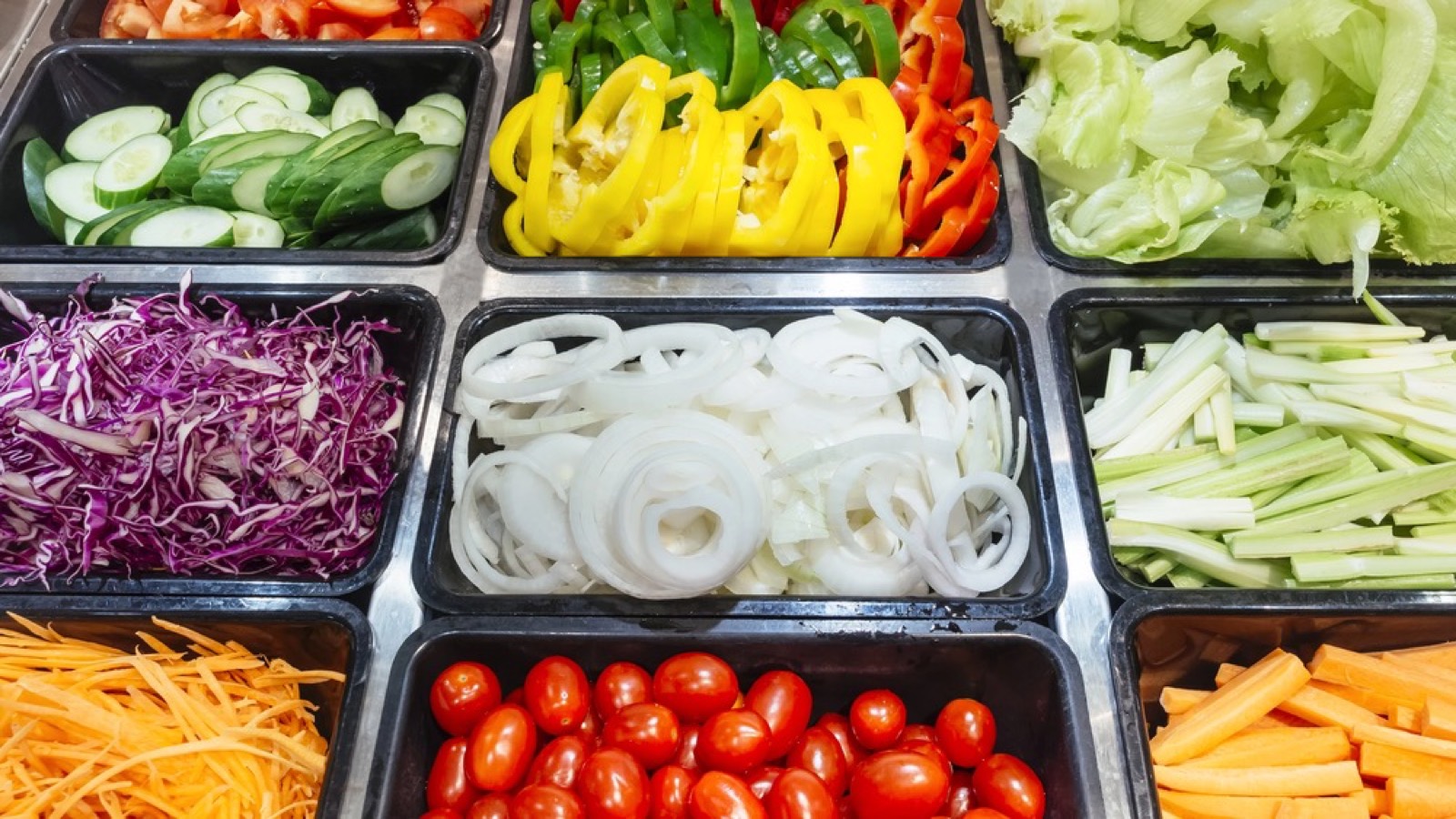
Today, many diners consider iceberg lettuce bland and low in nutrients compared with darker greens. Modern salad bars often offer kale, arugula, and spring mixes. But iceberg still has fans who love its crunch.
For many people, a wedge or bowl of iceberg lettuce with ranch dressing tastes like childhood. It was simple and familiar. It was also the backbone of the salad bar experience.
2. Imitation Bacon Bits
A bowl of crunchy, reddish-brown bacon bits sat on nearly every salad bar. Many of them did not contain any bacon at all. They were made from soy protein flavored to taste smoky.
People sprinkled them generously over their salads without thinking twice. Today, many diners prefer real crumbled bacon or skip the topping. Imitation bacon bits are still sold in grocery stores, but they seem old-fashioned.
For kids, bacon bits were one of the most exciting parts of the salad bar. They added crunch and flavor. Many adults still remember the salty taste.
3. Three-Bean Salad
Three-bean salad, made with green beans, wax beans, and kidney beans in a sweet vinegar dressing, was a common salad bar item. It was colorful and kept well in the cooler. Many restaurants made it in large batches.
Today, three-bean salad seems old-fashioned to many people. It is still served at picnics and potlucks, but it is rarely found at modern salad bars. Some people love its tangy flavor, while others find it too sweet.
Three-bean salad was a way to add protein and color to the salad bar. Beans are nutritious, and Harvard’s Nutrition Source praises legumes as a healthy food. But the sugary dressing made it more of a treat.
4. Jell-O Cubes and Fruit Salad in Syrup
Some salad bars offered bowls of cubed gelatin in bright colors. Others had fruit cocktail or fruit salad soaked in sweet syrup. These items blurred the line between salad and dessert.
Today, most salad bars offer fresh fruit instead. The idea of putting Jell-O on a salad plate seems strange to many younger diners. But in the 1980s, it was a common sight.
Kids loved the sweet treats, and many adults did too. It was one of the classic 1980s foods that everyone remembers. It made the salad bar feel like a buffet.
5. Pickled Beets
Bright red pickled beets were a staple on many salad bars. They were sliced and served cold in a sweet and tangy brine. Some people loved them, while others avoided them completely.
The juice often stained everything else on the plate pink. Kids sometimes picked them up as a dare. Today, pickled beets are less common on salad bars, though roasted beets have become trendy.
For many older diners, pickled beets were a familiar taste from home. Their grandmothers made them in jars every summer. The salad bar was a way to enjoy them without the work.
6. Macaroni Salad and Potato Salad
Mayonnaise-heavy salads were a big part of the 1980s salad bar. Macaroni salad, potato salad, and coleslaw sat side by side in large bowls. Some restaurants also offered pasta salad with Italian dressing.
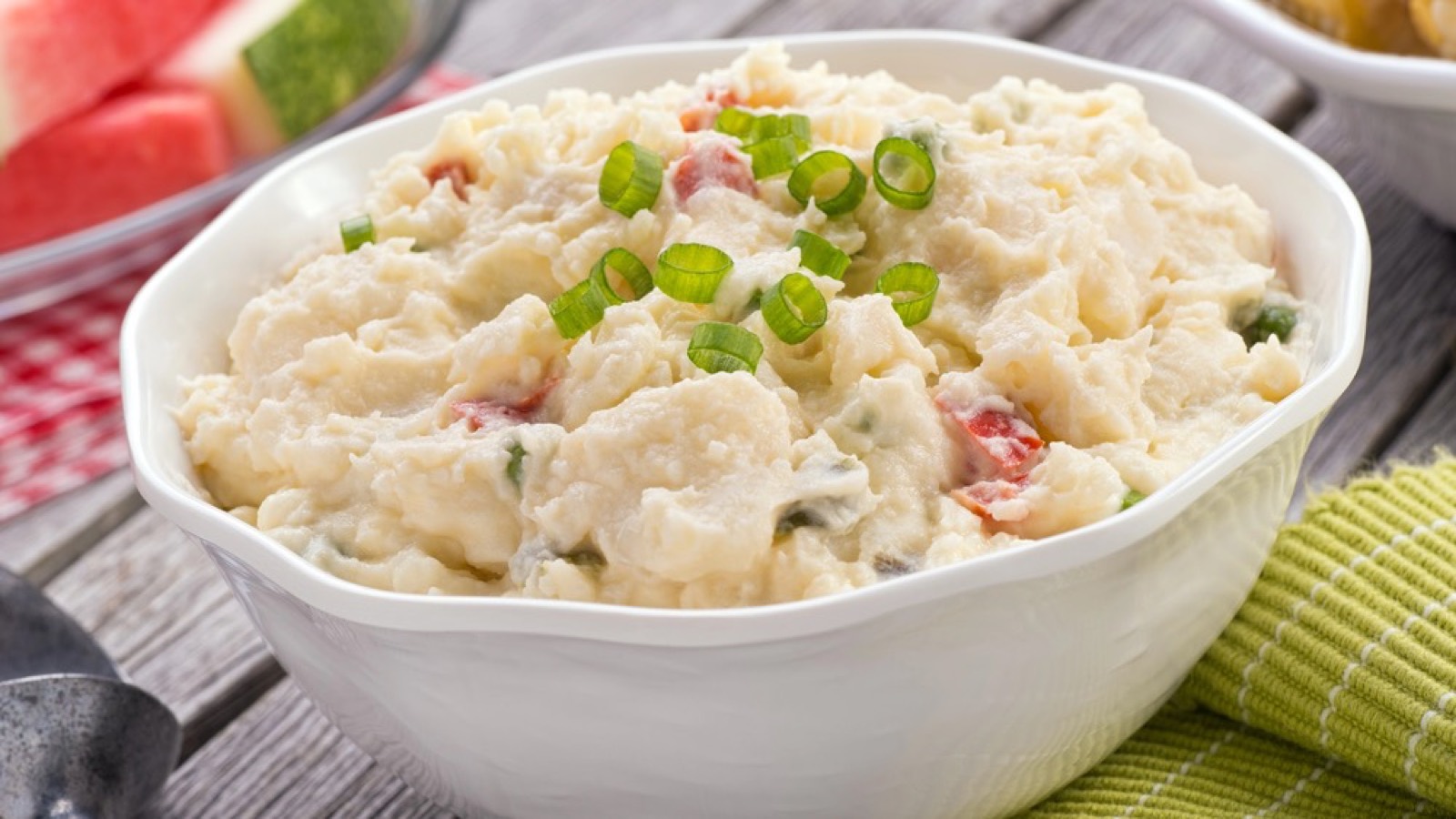
These salads were filling and cheap to make. Many diners loaded their plates with them instead of lettuce. Today, many people consider them heavy, but they remain popular at picnics.
For many families, these salads were a highlight of the salad bar. They felt homemade and comforting. They were also a way to fill up without ordering a bigger meal.
7. Cottage Cheese
A bowl of cottage cheese was a standard salad bar item in the 1980s. Many diners spooned it onto their plates, sometimes with canned peaches or pineapple. It was considered a healthy, diet-friendly choice.
Cottage cheese fell out of fashion for many years but has recently made a comeback. Younger people now use it in smoothies, dips, and baked goods. But in the 1980s, it was simply a salad bar staple.
For many dieters of that era, cottage cheese was a go-to food. It was high in protein and low in fat. It was part of the diet culture of the time.
8. Croutons and Chow Mein Noodles
Crunchy toppings were essential. Seasoned croutons, sunflower seeds, and crispy chow mein noodles filled small bowls along the salad bar. People sprinkled them on top for texture.
Chow mein noodles on a salad might seem strange today. But in the 1980s, they were a popular topping. They added crunch and a touch of novelty.
Croutons remain common, but many modern salad bars offer nuts and seeds instead. The old-fashioned toppings are a reminder of how tastes have changed. They were part of a different era of eating out.
9. Sneeze Guards and Chilled Plates
The salad bar itself had features that seem quaint now. Clear plastic sneeze guards protected the food, and plates were chilled in a refrigerated stack. Customers often bumped their heads on the guard while reaching for toppings.
The sneeze guard was invented by Johnny Garneau, a restaurant owner who patented the design in the 1950s. It became a standard feature of salad bars across the country. Many people remember awkwardly leaning under it to reach the croutons.
After the pandemic, many restaurants removed their salad bars entirely. Some have returned, but the self-service salad bar is less common than it once was. For many people, it is a nostalgic memory of family dinners.
Why the Salad Bar Faded
The salad bar declined for several reasons. Food safety concerns, rising costs, and changing tastes played a role. Many restaurants found that pre-made salads were easier and cheaper to serve.
The pandemic dealt another blow, as many restaurants closed their self-service areas. Some chains have brought salad bars back, but they are not as common as they were in the 1980s. Restaurant habits like these often appear among unwritten restaurant rules older diners remember.
A Fond Memory
For many people who grew up in the 1980s, the salad bar is a happy memory. It was a place to make choices, try new foods, and enjoy a meal with family. The strange items only add to the nostalgia.
What did you always pile on your plate at the salad bar, and which item would you never touch? Many people still have strong opinions about bacon bits and pickled beets.