JD Vance’s Surprise Over Biden Brain Surgeries Reveals America’s Growing Political Information Divide
A single question during a podcast interview exposed a much larger debate about political memory, media trust, and how Americans learn about the people who lead them. When Vice President JD Vance learned about Joe Biden’s brain surgeries during a conversation with Joe Rogan, the moment quickly became a national discussion about what information reaches the public and what quietly disappears from everyday awareness.
The exchange was surprising because Biden’s brain surgeries were not recent discoveries. The former president underwent two procedures in 1988 after doctors diagnosed him with intracranial aneurysms, a serious medical condition involving weakened blood vessels in the brain. The surgeries were widely reported at the time and later became part of Biden’s personal history.
Yet Vance’s reaction highlighted a modern political reality: information can exist publicly for decades while remaining unfamiliar to large audiences. In today’s fragmented media environment, Americans often receive different versions of political history depending on where they get their news.
The discussion surrounding JD Vance and Biden brain surgeries is therefore about more than a medical event. It raises questions about media priorities, public awareness, political narratives, and whether the country still shares a common understanding of important facts.
A Decades-Old Medical Crisis Suddenly Returns to the Political Spotlight
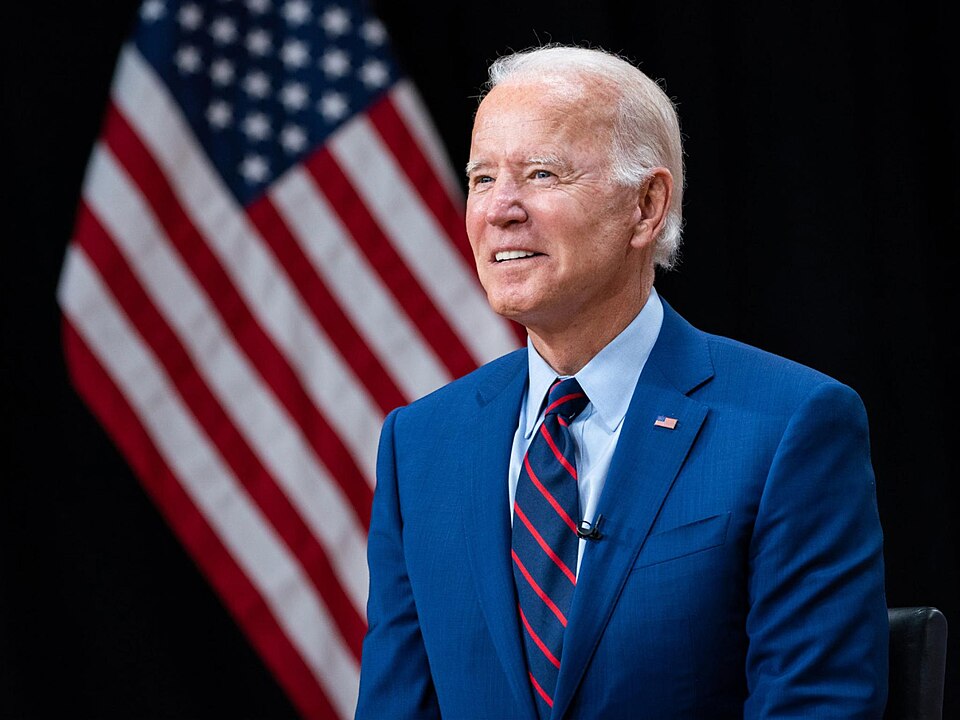
Joe Biden’s brain surgeries were among the most serious events of his early political career. In 1988, when Biden was serving as a U.S. senator from Delaware, doctors discovered that he had intracranial aneurysms that required immediate medical attention.
The first surgery took place in February 1988 to repair one aneurysm. Doctors later identified another aneurysm, leading to a second operation several months afterward. The procedures required significant recovery time and forced Biden to step away from his Senate responsibilities temporarily.
The medical crisis became a defining personal moment for Biden. He later described the experience as a reminder of how quickly life can change and how vulnerable even public figures can become when facing serious health challenges.
The historical record surrounding Biden’s brain surgeries has never been entirely absent. News organizations reported the procedures when they happened, medical summaries referenced them, and Biden’s own public biography included the experience.
The renewed attention came because the information entered a completely different political moment. Rather than being viewed primarily as a story of survival, the surgeries became tied to debates about age, health transparency, and presidential leadership.
That shift demonstrates how political facts can change meaning over time. The same event can represent courage in one decade and become part of a political argument in another.
The Viral Moment Was About More Than a Medical History
During his conversation with Joe Rogan, JD Vance expressed surprise after hearing that Biden had undergone two brain surgeries. Rogan appeared equally surprised that Vance was unaware of the procedures, creating a moment that quickly spread across political media.
The reaction became the focus because it created a contradiction. A major national political figure had missed a fact that had been available to the public for decades. That contradiction led many people to ask how such a significant part of Biden’s history could feel unknown.
The answer is connected to the way people consume information today. Americans no longer rely on a small number of newspapers, television networks, and traditional outlets to shape their understanding of politics.
Instead, political information moves through podcasts, social media platforms, online publications, cable news programs, and personalized digital feeds. Each environment highlights different stories and creates different priorities.
A person who follows presidential biographies may be aware of Biden’s brain surgeries. Someone focused on current political battles may know little about events that happened nearly forty years ago.
The issue is not simply whether information exists. The larger question is whether information remains visible long enough to become part of shared public knowledge.
The Media Debate Is More Complicated Than a Simple Accusation

Following the interview, Vance criticized what he described as a limited media environment that failed to make Biden’s medical history widely known. Supporters of that argument suggested that journalists did not give enough attention to the issue during the years when Biden’s age became a major political concern.
However, the available record shows that Biden’s brain surgeries were publicly documented. Reports from 1988 covered the procedures, and later articles revisited the medical event during discussions about Biden’s life and presidency.
The more difficult question is not whether the information was hidden. It is whether the information received enough attention at the moments when voters were making decisions about leadership and health.
Political journalism often involves deciding which facts deserve repeated coverage. A medical event from decades earlier may receive limited attention until it becomes relevant to a current debate.
This creates tension between transparency and relevance. Not every detail from a politician’s past receives equal focus, and public conversations often prioritize recent events over historical context.
The Biden brain surgeries debate reflects a broader challenge facing modern journalism. The problem may not always be missing information, but rather determining which information remains central in a crowded news environment.
How Political Narratives Shape What Americans Remember
One of the most important lessons from the discussion of JD Vance and Biden brain surgeries is that public memory does not develop randomly. Political narratives often influence which facts remain prominent and which ones fade.
When Biden’s aneurysm surgeries happened in 1988, the story focused on recovery and resilience. A young senator had survived a dangerous medical condition and returned to public service.
Decades later, the political environment changed. During the 2024 presidential campaign, questions about Biden’s age, communication style, and ability to continue serving became major issues.
As a result, older details about Biden’s health history gained new political meaning. The surgeries were no longer discussed only as a personal challenge. They became part of a larger conversation about presidential fitness.
This does not mean that a previous medical condition automatically explains later concerns. Biden recovered from the surgeries, continued a long political career, served as vice president, and eventually became president.
However, voters often consider a leader’s complete history when evaluating trust and responsibility. Health information, political experience, and public performance all contribute to how citizens judge elected officials.
The controversy surrounding Biden’s brain surgeries shows how facts can move through different stages of public attention. They can begin as personal history, become forgotten background, and later return as political evidence.
America’s Shared Reality Has Become Harder to Maintain
The reaction to Biden’s brain surgeries reveals a larger issue affecting American politics. The country has greater access to information than ever before, but citizens often consume it through separate channels.
In previous decades, major political events were more likely to pass through fewer national platforms. Today, millions of people can follow entirely different news ecosystems.
This fragmentation affects both voters and political leaders. Someone can be highly informed about certain topics while remaining unaware of other widely documented events.
The situation does not necessarily mean people lack interest. It reflects a change in how information competes for attention. Historical events often struggle to compete against breaking news, political conflicts, and viral moments.
The Biden brain surgeries discussion became powerful because it revealed this gap between information availability and information awareness.
A fact can be public without being culturally remembered. A story can be reported without becoming part of the national conversation.
This challenge extends beyond Biden. Similar patterns appear whenever old political decisions, historical events, or personal details return to public attention after years of limited discussion.
The Health Debate Around Biden Remains Larger Than One Surgery
The conversation about Biden’s health intensified during the 2024 presidential campaign after concerns emerged about his age and public performances. Those discussions eventually contributed to pressure on Biden as he considered whether to continue seeking reelection.
Biden announced that he would end his reelection campaign in July 2024, creating one of the most significant political developments of the election cycle.
The debate involved many factors, including his age, public appearances, communication abilities, and medical history. Biden’s brain surgeries became part of that discussion because they represented one of the most serious health events of his life.
Still, separating medical facts from political assumptions remains essential. A successful medical recovery does not prove weakness, and a serious medical history does not automatically explain later challenges.
A responsible discussion requires examining evidence from multiple sources, including medical information, public records, and observable performance.
The larger lesson is that health questions surrounding public officials require balance. Transparency matters, but so does accuracy.
The Real Story Behind the JD Vance and Biden Brain Surgeries Debate

The discussion about JD Vance and Biden’s brain surgeries became a major political moment because it touched on several issues at once. It involved medical history, media trust, political messaging, and the changing way Americans receive information.
Biden’s brain surgeries were real, serious, and publicly documented. They were part of a remarkable personal story involving a life-threatening condition and a long recovery.
At the same time, the surprise surrounding the discussion reveals something about modern politics. Information does not always spread according to importance. It spreads according to attention, repetition, and relevance to current debates.
The question raised by the moment is not only what Americans know. It is how they decide what deserves to be remembered. In a political era filled with constant information, the challenge may no longer be finding facts, but understanding why some facts remain visible while others quietly disappear.