These New Pork Meatballs Are Made in a Lab, but the Ingredient List Tells a Different Story
A meatball made with real pork, but without raising and slaughtering a pig for every batch? That sounds like something from a science fiction movie. Yet a California food company has already brought that idea to a restaurant table and a grocery store.
The company is Mission Barns, and its product is a cultivated pork meatball. The pitch is simple: get the familiar taste of pork using animal cells grown in a controlled environment.
But there is a detail worth knowing before you reach for a fork. These meatballs are not entirely made from lab-grown pork. They’re a combination of plant proteins, cultivated pork fat cells, oils, seasonings, and other ingredients.
So, what exactly are shoppers getting?
The Pork Meatballs Aren’t Quite What You Might Expect
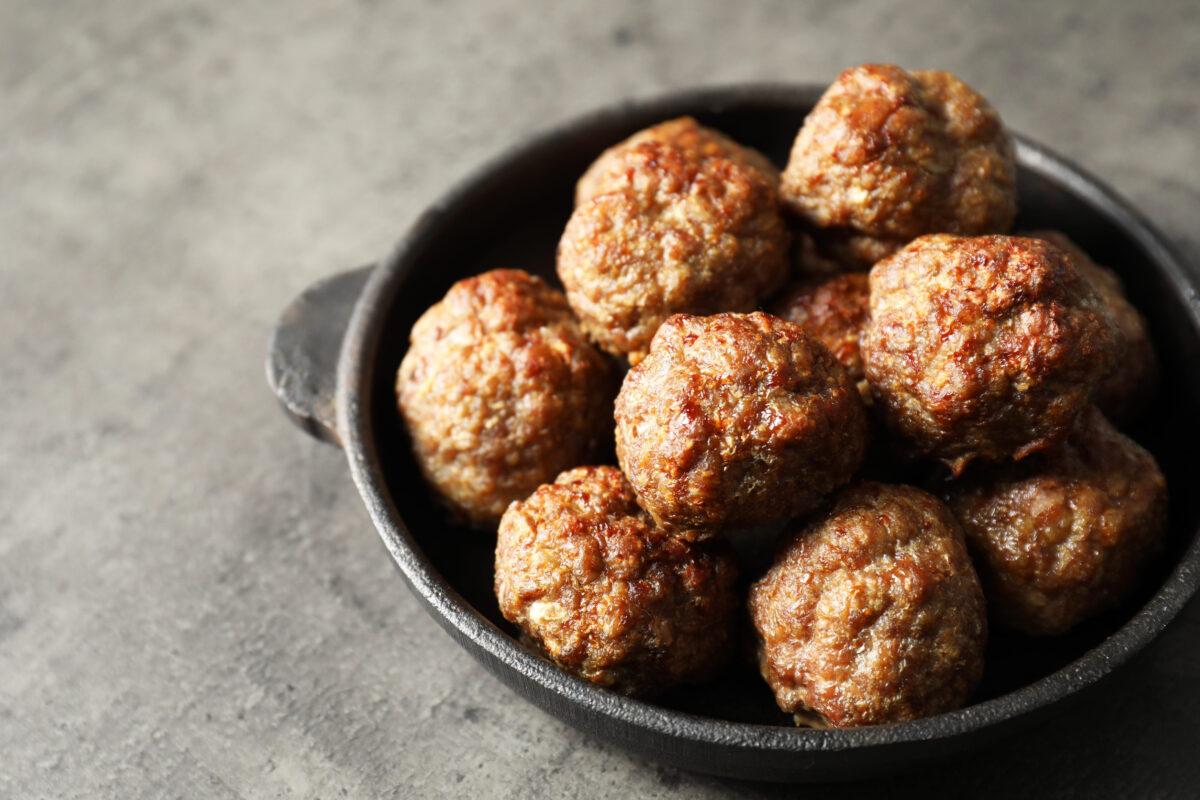
Traditional meatballs usually begin with ground meat. Add breadcrumbs, eggs, onions, or seasonings, depending on your recipe, and dinner is on its way.
Mission Barns takes a different route.
Its meatballs rely heavily on pea protein, with an ingredient called Mission Fat providing the cultivated pork component.
According to the company, Mission Fat is made using pork-derived cells grown outside an animal.
That makes the meatballs a hybrid product. They’re neither conventional ground pork nor completely plant-based.
And that’s an important distinction for anyone who expects the word “pork” to mean a meatball made primarily from ground pig meat.
Take a Closer Look at the Ingredients
The ingredient list is where things get interesting.
According to September 2025 reporting by Green Queen, the meatballs contain pea protein, Mission Fat, coconut oil, textured pea protein, Italian seasoning, and methylcellulose.
Other reported ingredients include potato starch, sodium gluconate, red wine vinegar, lactic acid, xanthan gum, and additional flavorings.
Mission Fat itself reportedly contains purified water, cell-cultivated pork fat cells, and kosher salt.
Some of those ingredients will sound familiar to anyone who buys packaged foods. Others may send you searching for an explanation.
Methylcellulose, for example, is commonly used to help food hold together during cooking. Xanthan gum helps manage texture, while starch can help bind moisture.
These ingredients aren’t automatically a reason for concern. They’re simply part of how manufacturers build the structure and consistency of processed foods.
One important catch: the full original retail-package ingredient label wasn’t independently verified in the available research. The reported formulation shouldn’t be mistaken for a word-for-word transcription of the package.
So, Where Does the Pork Actually Come From?
Here’s where the story takes an unusual turn.
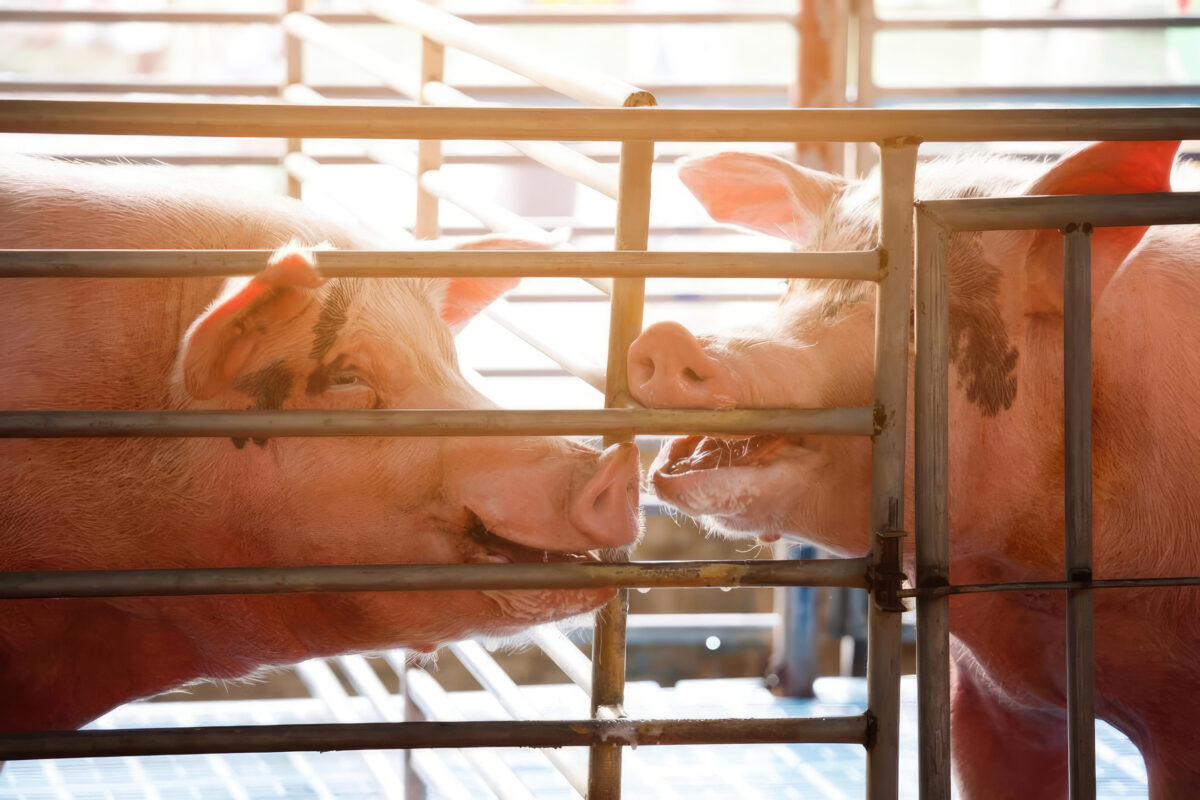
Mission Barns starts with cells collected from a pig through a veterinary tissue biopsy.
The company identifies one donor pig named Dawn, a Yorkshire pig that it says now lives at Sweet Farm in upstate New York.
Instead of repeatedly collecting fresh tissue, scientists establish cell banks that can supply future production.
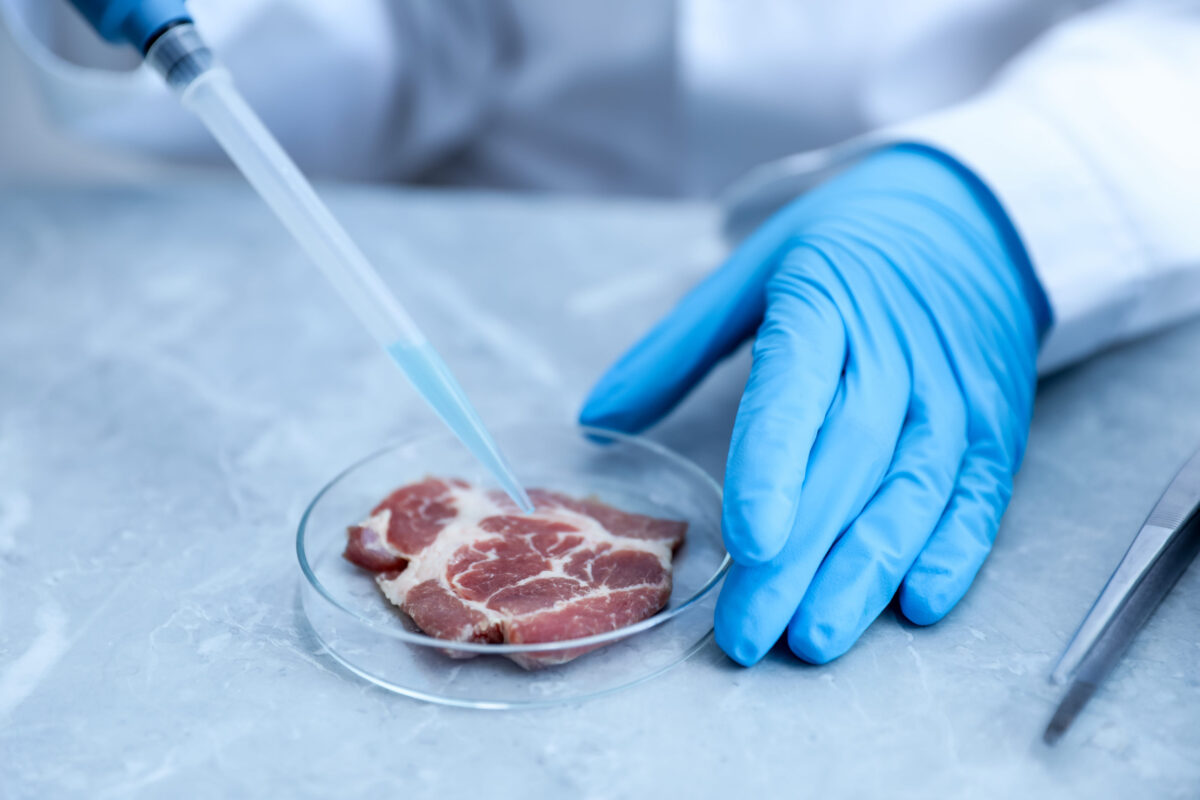
The cells are grown in controlled vessels called bioreactors. They’re supplied with nutrients and other substances that help them multiply and accumulate fat.
Once they’re ready, the cellular material is collected, washed, and prepared for use as a food ingredient.
According to Mission Barns, cultivation takes approximately two weeks.
The process eliminates the need to slaughter a pig for every batch of cultivated material, although some animal-derived substances can be involved during early cell-line development.
And here’s another surprise: the harvested cellular material isn’t simply a container of pure pork fat. The FDA’s scientific review describes a more complex cellular mixture.
The FDA Reviewed It, but There’s an Important Distinction
When news about cultivated meat appears, the phrase “FDA-approved” often follows.
The actual regulatory process is more specific.
On March 7, 2025, the Food and Drug Administration announced that it had completed its premarket consultation for Mission Barns’ cultivated pork fat cells.
The agency had no further questions at that time about the company’s conclusion that its specified cellular material was as safe as comparable conventional foods.
That wasn’t blanket approval of every possible Mission Barns recipe or future manufacturing method.
In July 2025, Mission Barns also announced USDA clearance involving inspection authorization for its pilot facility and label sign-off for its cultivated-fat ingredient.
Those milestones helped the company begin its limited commercial rollout.
These Meatballs Made Their Grocery Store Debut at $13.99
The product didn’t immediately appear in supermarket freezers nationwide.
Mission Barns first introduced its cultivated-fat products at a limited dinner event at Fiorella in San Francisco in September 2025.
Then came a grocery-store appearance.
On November 1, 2025, Berkeley Bowl West in California hosted a limited sale of Mission Barns’ frozen Italian-style meatballs.
The reported price was $13.99 for eight meatballs, weighing 304 grams altogether. Shoppers were limited to one package each.
That’s a considerable amount to spend on a small package of meatballs, particularly when feeding a family.
Still, this was an early commercial launch, not an established mass-market product.
Regular supermarket availability and current pricing remain unverified as of November 12, 2026. There’s also no confirmed nationwide rollout.
But Do They Actually Taste Like Pork?
That’s probably the question most shoppers would ask first.
After all, nobody wants to spend nearly $14 on a package of meatballs only to discover that dinner doesn’t taste the way they expected.
Early tasting reports have been encouraging, although they’re limited.
A 2023 tasting account described an earlier version as succulent, while restaurant partners have praised the product’s savory flavor and meat-like texture.
But these aren’t the same as large, independent taste tests comparing the finished grocery product with conventional pork meatballs.
Whether ordinary shoppers would prefer one over the other remains an open question.
Would Americans Actually Buy Lab-Grown Pork?
Curiosity doesn’t always translate into grocery purchases.
A 2023 AP-NORC survey found that only 18% of American adults were extremely or very likely to try cell-based meat.
Another 30% were somewhat likely, while half expressed little or no interest.
That survey wasn’t specifically about Mission Barns, but it illustrates the challenge facing companies selling unfamiliar meat alternatives.
Some shoppers may welcome the possibility of eating animal-derived food without conventional livestock slaughter for every batch.
Others may prefer meat from a farmer or butcher they know.
And plenty of people will simply want to know what they’re paying for.
The Biggest Question Is What Consumers Want on Their Plates
Mission Barns has introduced a genuinely different way to produce a pork-derived food ingredient.
But clever technology doesn’t replace the need for clear labels, reasonable prices, and good-tasting food.
The company’s meatballs combine cultivated pork cells with familiar plant-based ingredients and several food-processing additives. They’re an innovative alternative, but they aren’t the same thing as ground pork from the butcher.
For shoppers, the practical approach is straightforward: read the full ingredient label, check the price, and understand exactly what kind of meatball you’re buying.
Because whether your pork comes from a farm or a bioreactor, you should know what’s going into dinner.