8 Things Grandma Knew About Cooking Meat That Most Home Cooks Have Forgotten
Grandma did not have a sous vide machine, an instant-read thermometer, or a YouTube channel to teach her how to cook a roast. Yet many people who grew up eating at her table still say her pot roast, fried chicken, and Sunday ham were the best they ever tasted.
Her secret was not fancy equipment. It was knowledge passed down from her own mother and grandmother, gathered over decades of cooking cheaper cuts, stretching meat to feed big families, and wasting nothing. Many of those lessons came from a time when meat was expensive and every bite had to count.
Some of those old habits have faded as home cooking has become faster and more convenient. Here are eight things Grandma knew about cooking meat that many home cooks have forgotten, and why they still work today.
1. Tough Cuts Need Low and Slow Cooking
Grandma rarely bought expensive steaks. She bought chuck roasts, briskets, short ribs, and pork shoulders, and she knew that these tough cuts needed time. She braised them for hours in a heavy Dutch oven with a little liquid, onions, and vegetables until the meat fell apart at the touch of a fork.
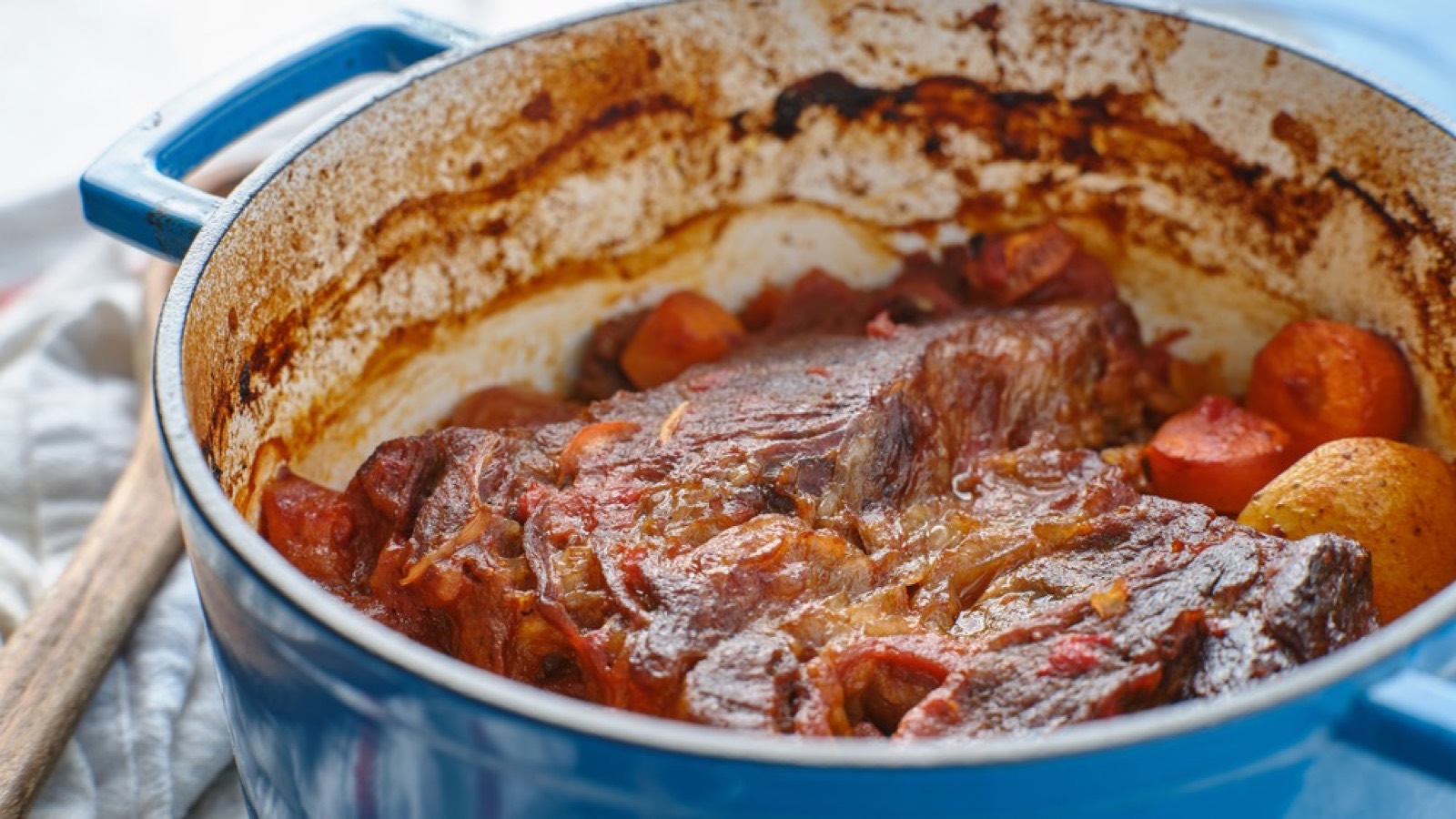
These cuts come from hard-working muscles that contain lots of connective tissue. Slow, moist cooking breaks down that collagen into gelatin, which makes the meat tender and gives the sauce a rich, silky texture. Rushing the process leaves the meat tough and chewy.
Many modern cooks try to speed things up with high heat. Grandma knew there was no shortcut for a tough cut.
2. Brown the Meat First
Before her pot roast went into the oven, Grandma browned it well on every side in a hot skillet with a little fat. She did not skip this step, even when she was in a hurry. The brown crust that formed gave the whole dish its deep, savory flavor.
That browning is called the Maillard reaction, a chemical process between proteins and sugars that creates hundreds of new flavor compounds. It is the same reaction that makes toast, seared steak, and roasted coffee taste so good.
Grandma also scraped up the brown bits stuck to the pan and added them to the gravy. She knew they were full of flavor.
3. Let the Meat Rest Before Cutting
When the roast came out of the oven, Grandma let it sit on the counter, loosely covered, while she made the gravy and finished the potatoes. She never carved it right away. This simple pause made a big difference.
As meat cooks, its juices move toward the center. Letting it rest gives those juices time to settle back into the meat. If you slice it immediately, more juice runs out onto the cutting board, and the meat can taste drier. The USDA’s food safety guidance also recommends a three-minute rest for many whole cuts, since the temperature keeps rising slightly after cooking.
4. Season Ahead of Time
Grandma often salted her chicken, roast, or pork chops hours before cooking, or even the night before. Some grandmothers rubbed meat with salt and pepper and left it in the icebox overnight. They did not call it dry brining, but that is exactly what it was.
Salting meat in advance gives the salt time to dissolve and soak into the meat. This seasons the meat more deeply and helps it hold onto moisture during cooking. The surface also dries slightly, which leads to better browning.
Today, many chefs and test kitchens recommend dry brining for turkey, chicken, and steak. It is a technique Grandma knew long before it became trendy.
5. Use the Bones for Stock
When Grandma served a roast chicken, the bones did not go into the trash. They went into a pot with water, onion, carrot, and celery to simmer into broth. The broth became soup, gravy, or the base for the next meal.
Ham bones flavored pots of beans and split pea soup. Beef bones went into vegetable soup. Many grandmothers kept a bag of scraps in the freezer to save for stock day.
This was one of the frugal habits boomers teased that now look smart. Homemade stock is richer and cheaper than anything sold in a carton.
6. Save the Drippings
Grandma kept a can or jar of bacon grease on the back of the stove. She used it to fry eggs, season green beans, and make cornbread. The drippings from a roast went straight into the gravy, and the fat from fried chicken was strained and saved for the next batch.
Those drippings carried enormous flavor. They gave Grandma’s vegetables and side dishes a richness that is hard to copy with plain oil. They were also free, since they came from meat she had already bought.
Many modern cooks pour drippings down the drain, which can clog pipes. Grandma would have considered it a waste of good flavor.
7. Pound and Tenderize Cheap Cuts
For dishes like chicken-fried steak and Swiss steak, Grandma used a wooden or metal mallet to pound tough cuts of beef until they were thin and tender. Some grandmothers used the edge of a saucer to score the meat. Others relied on cube steak, which the butcher had already run through a tenderizing machine.
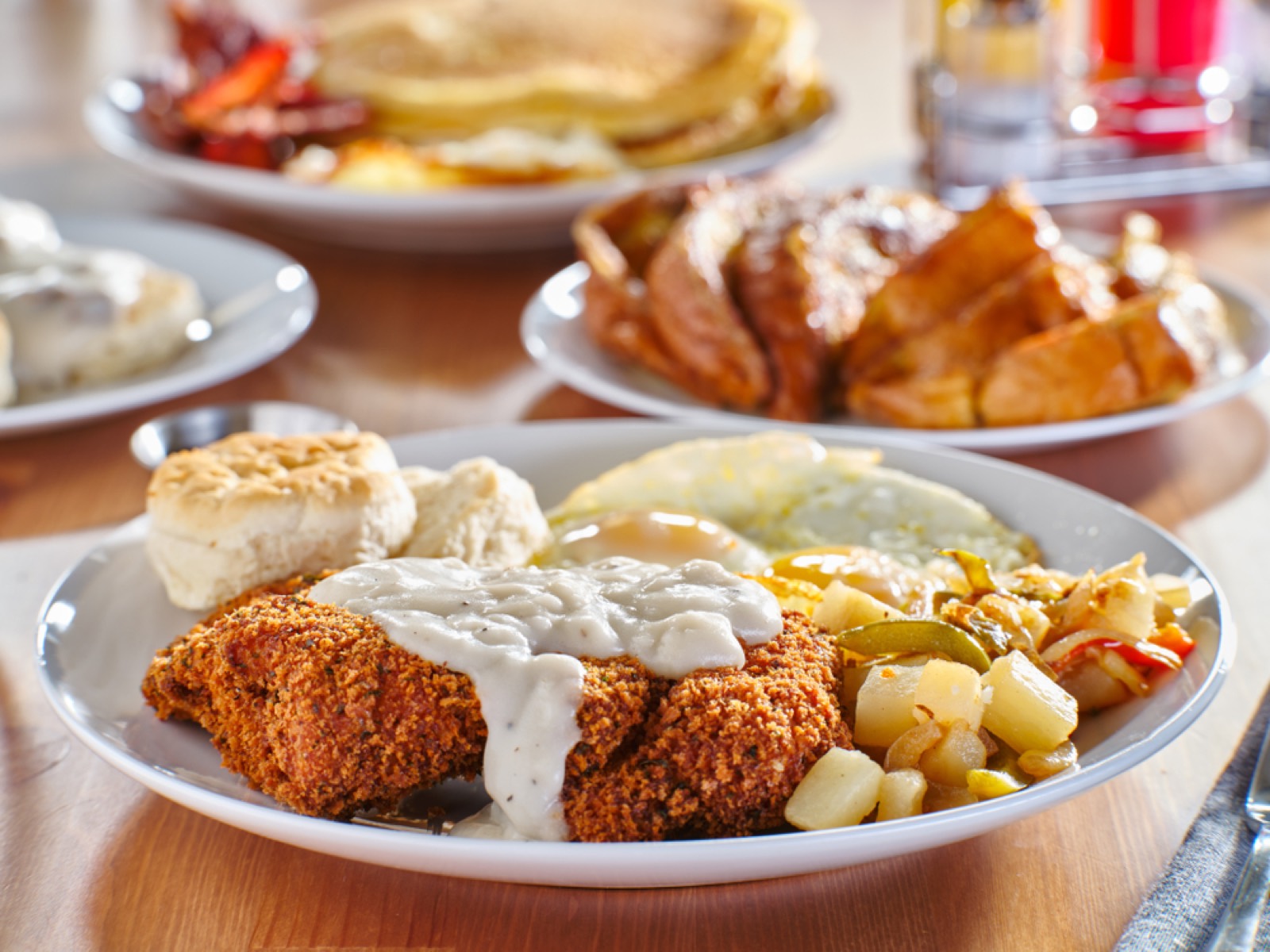
Pounding breaks up tough muscle fibers and makes the meat cook more quickly and evenly. It turned inexpensive round steak into a meal that tasted like something much more costly.
This trick is still a favorite in Southern kitchens. It is one of many poor people foods that even the wealthy eat and love.
8. Trust Your Senses
Grandma did not always use a timer or thermometer. She knew a chicken was done when the juices ran clear and the leg wiggled loosely in its socket. She knew a roast was ready when it smelled right and felt tender when pressed with a fork.
These old tests worked for experienced cooks, but they are not perfect. The USDA now recommends using a food thermometer to make sure meat reaches a safe temperature, since color and texture alone can be misleading. Poultry should reach 165°F.
The best approach combines Grandma’s instincts with a modern thermometer. Use your senses to judge flavor and tenderness, and use the thermometer to make sure it is safe.
Why These Lessons Faded
Many of these habits faded as American kitchens changed in the second half of the twentieth century. Supermarkets began selling more boneless, skinless, and pre-cut meat. Busy families turned to quick-cooking cuts like chicken breasts and ground beef. Microwaves and convenience foods replaced hours of slow braising.
At the same time, fewer people learned to cook by standing next to an older relative at the stove. Recipes moved from handwritten cards to cookbooks and then to websites, and much of the hands-on knowledge was lost along the way.
Bringing Grandma’s Wisdom Back
The good news is that many of Grandma’s techniques are making a comeback. Slow cookers and Dutch ovens have made braising popular again. Dry brining and resting meat are now standard advice from chefs. Many families are rediscovering the value of homemade stock and cheaper cuts as grocery prices rise.
Learning these old lessons can save money and make everyday meals taste better. They also connect home cooks to the generations who came before them.
What meat dish did your grandmother make better than anyone else, and do you know her secret? Many readers say they would give anything for one more plate of her pot roast.